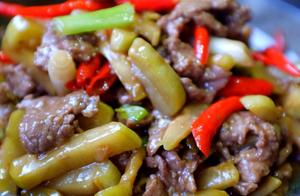
10 Must-Try Shaanxi Dishes - Don't Stay Up Late!
Recently, I've been 'staying at home' a lot
People seem like 'gods' when they don't usually cook
Friends' circles are all showing off their skills
This is 'annoying' made by the editor
Later I realized I couldn't just be greedy
Today I decide to take revenge on society
Get ready, let's start
1
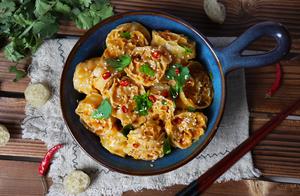
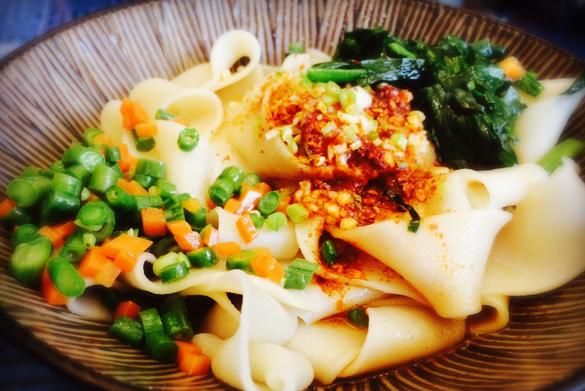
Legend says it originated from the home of Wei Zhi, a Shangshu of the Tang Dynasty
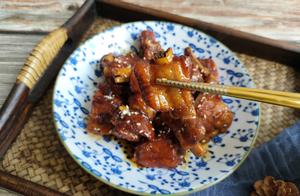
The dish's color resembles a pumpkin, hence the name.
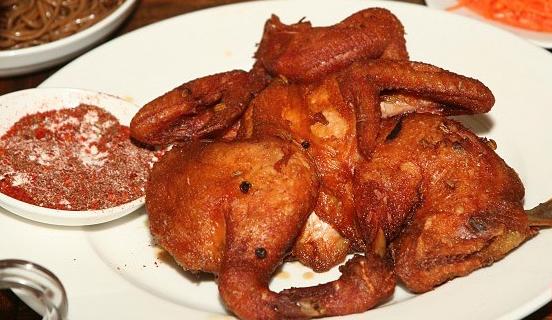
The dish is golden in color, with crispy skin and tender meat, and its characteristic is that chopsticks detach immediately upon contact, making it extremely fragrant and delicious.
In 1998, the Hulan Chicken made by Xi'an Restaurant was awarded the 'Golden Bell Award' at the First National Dietary Quality Product Selection Conference.
2
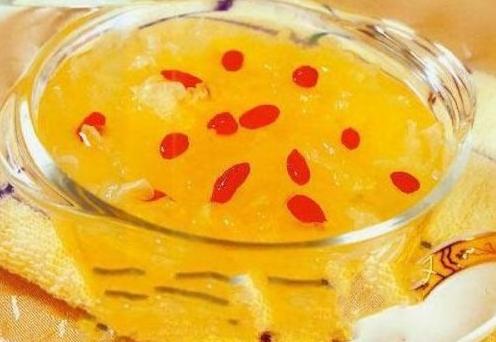
Legend says it originated from Zhang Liang's braised silver ear, which was created by Fang Xuanling and Lu Zhi during the early Tang Dynasty after assisting Li Shimin in seizing power, and then added with dates to symbolize the integrity of officials.
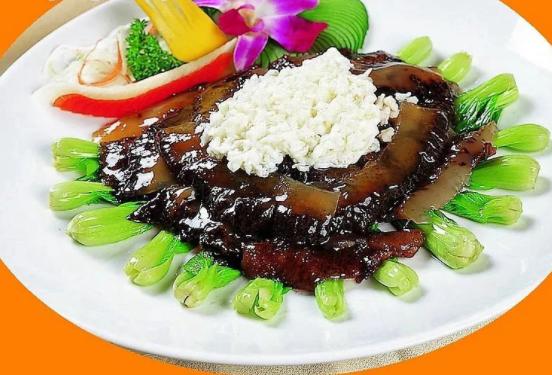
The dish is red and white, fragrant and sweet, a precious dish for banquets, and a good nourishing food for both old and young.
3
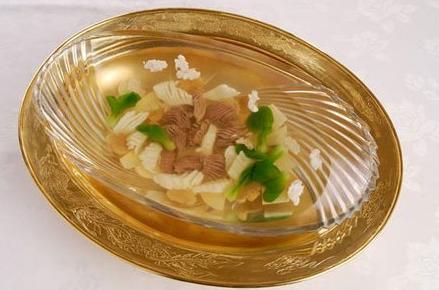
Shaanxi chefs modified Zhang Liang's braised sea cucumber into this form, using high-quality sea cucumber and chicken fillet as the main ingredients, steamed and braised.
The chicken meat is fresh and rich in flavor, combined with sea cucumber, increasing the flavor of sea cucumber, and the dish's color is black and white, very pleasing to the eye, which is a creative invention by Shaanxi chefs.
4
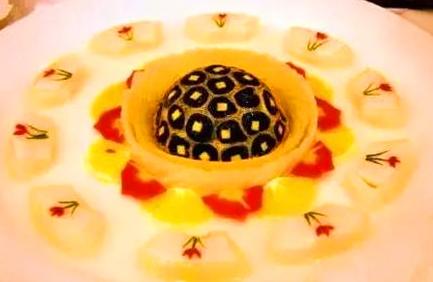
Legend says it originated during the early Tang Dynasty. At that time, a chef in Cong An created a dish called 'Double Plum', which mocked the corrupt officials Shangshu Lu Xing and Imperial Envoy Lu Zhi, and was later improved by chefs at Xi'an Restaurant.
The dish is later refined and standardized into a dish, with white ingredients, red duck gizzards, and auxiliary ingredients such as snowflake mushrooms and peaches, competing for beauty, with a fresh and crisp flavor, and tender duck gizzards.
5
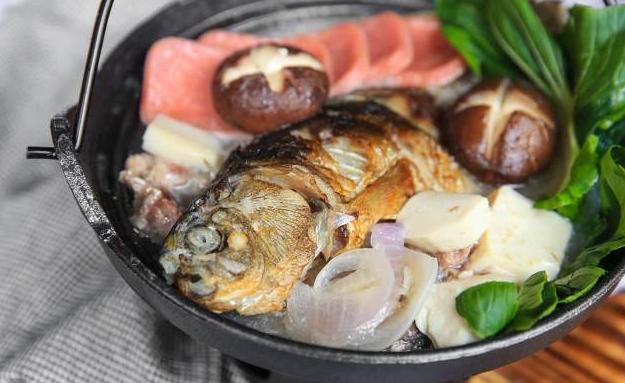
It evolved from 'Milk Fish' in the Cong An Restaurant during the Tang Dynasty, using chicken, duck, belly and bones to make a milky 'milk soup', and the fish is a live carp, which is killed and washed before being added to the soup.
Upon serving, a white alcohol was lit under the pot, causing a green flame around the pot, which was very distinctive. The fish meat is tender and fine, the soup is milky white, and the juice is rich in flavor, a winter food.
6
It originated in the Tang Dynasty, and was created by Wang Baobing, a merchant, who loved to eat fern shoots, and later became a wealthy merchant in Chang'an, so merchants imitated him, and it became a popular dish.
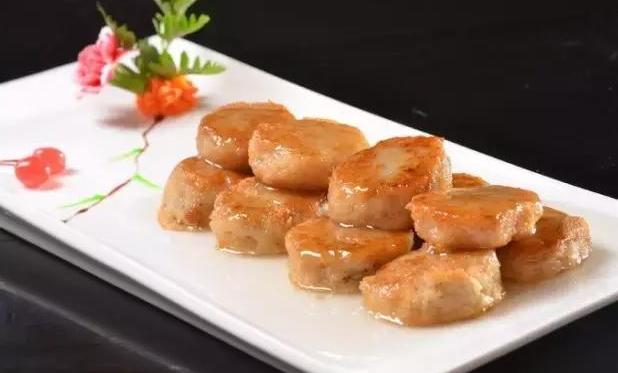
Until the Republic of China, merchants' banquets always started with a 'gold coin' fern shoot,The dish is made with fern shoots and chicken fillet, cut into round slices like ancient coins, hence the name 'gold coin.' The soup is clear and bottom-up, tender and crisp, with fresh and tasty flavor.
7
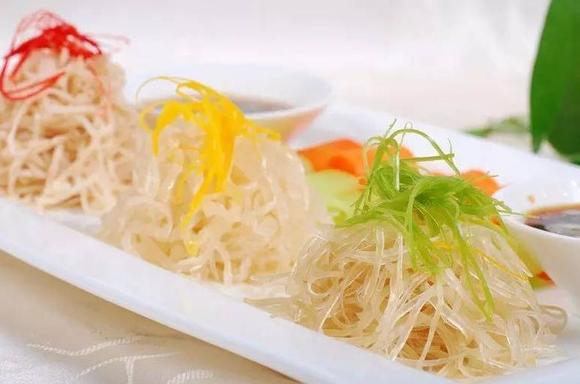
Legend says it originated during the middle of the Tang Dynasty. At that time, three people, Wang Xu, Imperial Envoy Li Song, and Li Quan, were corrupt and evil, and a chef from the West Market in Chang'an, named Peng, was angry and cut the pork skin, black chicken skin, and jellyfish into shreds and served as a wine dish, named 'Peeling Leopard Skin.'
In recent years, Xi'an Restaurant has improved the standardized form of the dish based on the traditional method, and three piles are made, with distinct colors and shapes like bonsai, with different flavors, with a tough and crisp texture, and a refreshing and tasty flavor.
8