After Eating Lotus Root for 30 Years, I Only Realized It Comes in 7-Hole and 9-Hole Varieties – No Restaurant Can Match This!
Lotus root is a vegetable we frequently encounter, suitable for cold mixing, stir-frying, or simmering. When it comes to lotus root, there are some techniques to select it. If you select it incorrectly, the cold mix or stewed dish will taste bad. Lotus root is divided into 7-hole lotus root and 9-hole lotus root. Among these two, one is suitable for stewing and the other is suitable for stir-frying or cold mixing. Don't mix them up, and the dishes made with them will be unpalatable.
7-hole lotus root:
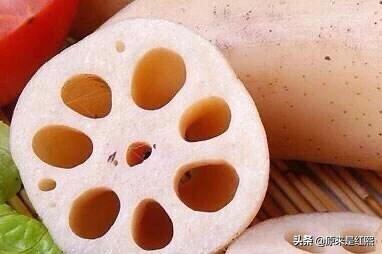
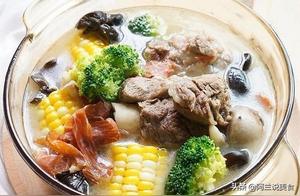
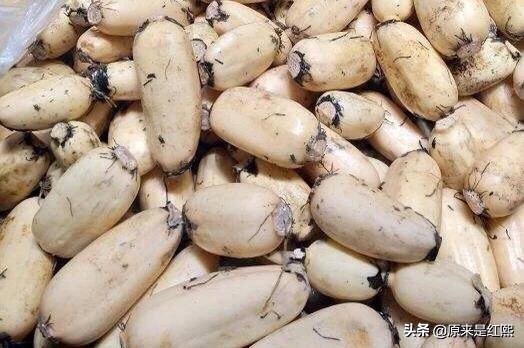
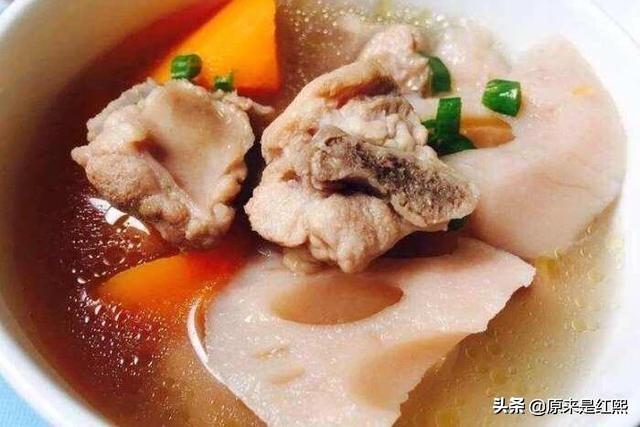
7-hole lotus root, also known as red lotus root, refers to lotus root with 7 holes on its cross-section. The outer skin is brownish yellow and rough.The size is short, thick and small, this lotus root contains less water and has a high starch content, which tastes chewy. It is generally very good for stewing, such as the regular lotus root and pork bone soup, which uses this type of lotus root, and it cannot be used with 9-hole lotus root, otherwise the taste will be super bad and difficult to eat.9-hole lotus root:
9-hole lotus root, also known as white lotus root, refers to lotus root with 9 holes on its cross-section, up to 11 holes. It is the opposite in color of 7-hole lotus root, especially white and translucent.
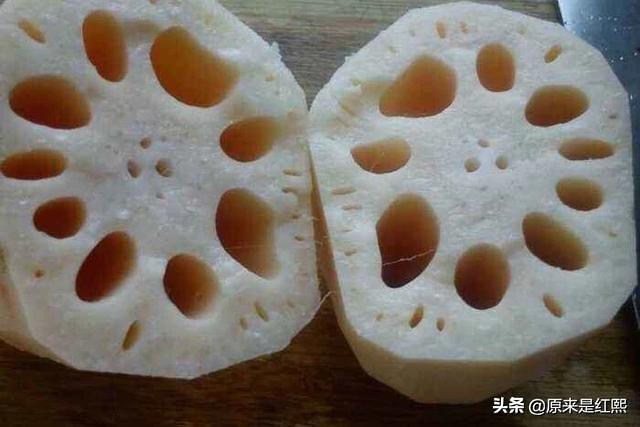
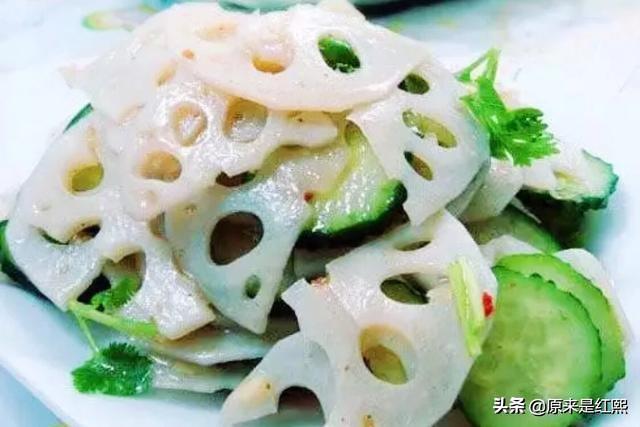
The size is relatively long, this lotus root has a high water content and high starch content, which makes the dish crisp and delicious, suitable for stir-frying or cold mixing, such as stir-fried lotus root and cold lotus root slices, which use this type of whole lotus root, and the dishes made with 7-hole lotus root will not have this crisp feeling, and are difficult to eat.Now that you know the difference between 7-hole and 9-hole lotus root, and also know that different lotus roots are suitable for making different dishes, how to select a good lotus root when buying it regularly?You can select it from the following 3 aspects:
1. Choose lotus roots with short segments, relatively thick, smooth outer skin and brownish yellow skin. Don't buy lotus roots that are too white.2. Choose lotus roots with plump appearance and soil-colored lotus roots. These are easy to store.
3. Cut open the lotus root. If the holes are large, it's a good lotus root. Otherwise, don't buy it.
This article is original content created by me. I will share food recipes and cooking techniques every day. If you like it, please follow me. Welcome to like, comment, forward and collect. Please do not copy and paste, infringement will be pursued.
3.