Xinjiang Dahanji
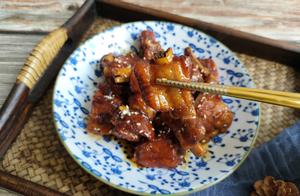
Xinjiang Dahanji, also known as Shawan Dahanji, is a famous dish in Xinjiang, originating in the 1980s. The main ingredients are chicken chunks and potato chunks, Sichuan noodles, and leather noodles for cooking. It is colorful, refreshing, spicy and fragrant, and soft and sweet potatoes, with spicy and fragrant, coarse and delicate flavors, a favorite dish at the table.
On September 10, 2018, ‘Chinese Cuisine’ was officially released, and ‘Dahanji’ was listed as one of Xinjiang’s ten classic dishes.
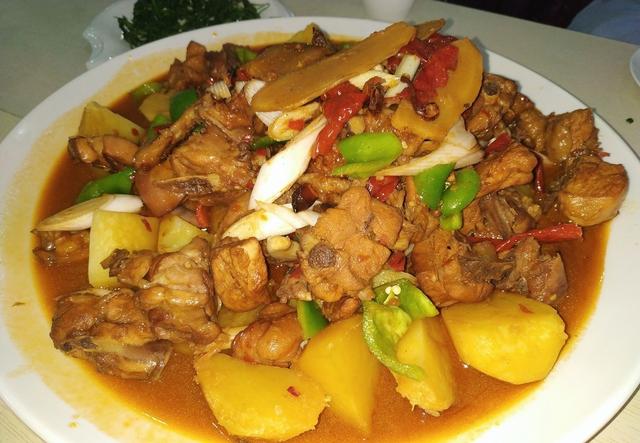
The origin of Xinjiang Dahanji is varied, and the true source is difficult to verify. The authoritative account is: in the 1980s, Li surnamed farmers in Shawan County, Xinjiang, opened a ‘Manpengge’ restaurant on the roadside, specializing in spicy chicken chunks. Once, an architectural company’s employees came to eat spicy chicken chunks, although they thought the taste was good, they always felt it was too small, and when they saw Li surnamed taking a whole chicken out of the back hall, they asked him to stir-fry the whole chicken. But after stir-frying, the chicken chunks were not packed in large plates, so Li surnamed put them on large plates for eating. After eating, a group of guests exclaimed that it was very enjoyable, and the neighbors also requested a large plate of chicken.
Legend has it that in the early years of liberation, a Sichuan-born cooking master named Zhang was living in Shawan County, Xinjiang, running a noodle restaurant. Later, a customer casually said to Zhang, ‘The noodles are too dry, put a plate of spicy chicken, add some soup and noodles to mix it.’ Later this dish became famous throughout the province and across the country.
Legend has it that during the time of the Three Kingdoms, Tso Tsungtang won the battle in Xinjiang, and he used local chickens and chili peppers to make delicacies to reward the troops. This is the origin of Dahanji.
Legend has it that Dahanji was a dish for drivers to eat, a dish to stimulate appetite. In the old days, when driving from Urumqi to Ili, Altay, it had to pass through Shawan, and driving from Urumqi to Shawan took half a day because of the road conditions. Therefore, there were many small restaurants on both sides of the road in Shawan, specializing in serving travelers. One of the restaurant owners, a Sichuan chef, used chili peppers and other ingredients to make spicy chicken, combined with potatoes, and wide noodles to mix it, which was very popular with travelers. Later, this dish became famous throughout the province and across the country.
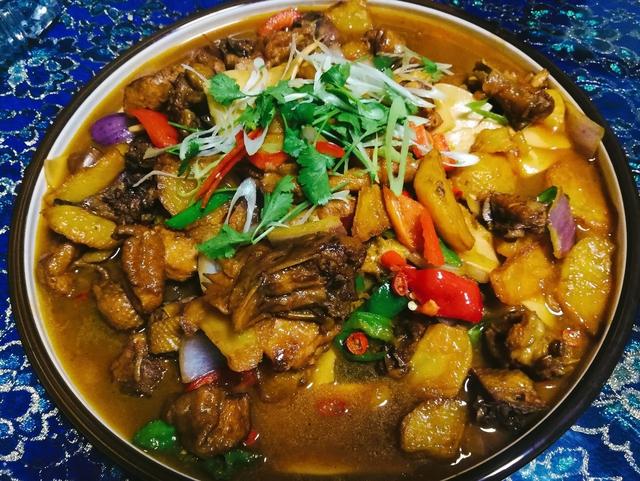
It is said that during the Three Kingdoms period, Tso Tsungtang won the battle in Xinjiang, and he used local chickens and chili peppers to make delicacies to reward the troops. This is the origin of Dahanji.
The taste is unique and innovative, combining the rough and hearty spicy flavor of the northwest with the crazy spicy flavor of old Sichuan.
Legend has it that during the Three Kingdoms period, Tso Tsungtang won the battle in Xinjiang, and he used local chickens and chili peppers to make delicacies to reward the troops. This is the origin of Dahanji.
Legend has it that during the Three Kingdoms period, Tso Tsungtang won the battle in Xinjiang, and he used local chickens and chili peppers to make delicacies to reward the troops. This is the origin of Dahanji.
The taste is unique and innovative, combining the rough and hearty spicy flavor of the northwest with the crazy spicy flavor of old Sichuan.
Legend has it that during the Three Kingdoms period, Tso Tsungtang won the battle in Xinjiang, and he used local chickens and chili peppers to make delicacies to reward the troops. This is the origin of Dahanji.
The taste is unique and innovative, combining the rough and hearty spicy flavor of the northwest with the crazy spicy flavor of old Sichuan.
Legend has it that during the Three Kingdoms period, Tso Tsungtang won the battle in Xinjiang, and he used local chickens and chili peppers to make delicacies to reward the troops. This is the origin of Dahanji.
The taste is unique and innovative, combining the rough and hearty spicy flavor of the northwest with the crazy spicy flavor of old Sichuan.
Legend has it that during the Three Kingdoms period, Tso Tsungtang won the battle in Xinjiang, and he used local chickens and chili peppers to make delicacies to reward the troops. This is the origin of Dahanji.
The taste is unique and innovative, combining the rough and hearty spicy flavor of the northwest with the crazy spicy flavor of old Sichuan.
Legend has it that during the Three Kingdoms period, Tso Tsungtang won the battle in Xinjiang, and he used local chickens and chili peppers to make delicacies to reward the troops. This is the origin of Dahanji.
The taste is unique and innovative, combining the rough and hearty spicy flavor of the northwest with the crazy spicy flavor of old Sichuan.
Legend has it that during the Three Kingdoms period, Tso Tsungtang won the battle in Xinjiang, and he used local chickens and chili peppers to make delicacies to reward the troops. This is the origin of Dahanji.
The taste is unique and innovative, combining the rough and hearty spicy flavor of the northwest with the crazy spicy flavor of old Sichuan.
Legend has it that during the Three Kingdoms period, Tso Tsungtang won the battle in Xinjiang, and he used local chickens and chili peppers to make delicacies to reward the troops. This is the origin of Dahanji.
The taste is unique and innovative, combining the rough and hearty spicy flavor of the northwest with the crazy spicy flavor of old Sichuan.
Legend has it that during the Three Kingdoms period, Tso Tsungtang won the battle in Xinjiang, and he used local chickens and chili peppers to make delicacies to reward the troops. This is the origin of Dahanji.
The taste is unique and innovative, combining the rough and hearty spicy flavor of the northwest with the crazy spicy flavor of old Sichuan.
Legend has it that during the Three Kingdoms period, Tso Tsungtang won the battle in Xinjiang, and he used local chickens and chili peppers to make delicacies to reward the troops. This is the origin of Dahanji.
The taste is unique and innovative, combining the rough and hearty spicy flavor of the northwest with the crazy spicy flavor of old Sichuan.
Legend has it that during the Three Kingdoms period, Tso Tsungtang won the battle in Xinjiang, and he used local chickens and chili peppers to make delicacies to reward the troops. This is the origin of Dahanji.
The taste is unique and innovative, combining the rough and hearty spicy flavor of the northwest with the crazy spicy flavor of old Sichuan.
Legend has it that during the Three Kingdoms period, Tso Tsungtang won the battle in Xinjiang, and he used local chickens and chili peppers to make delicacies to reward the troops. This is the origin of Dahanji.
The taste is unique and innovative, combining the rough and hearty spicy flavor of the northwest with the crazy spicy flavor of old Sichuan.
Legend has it that during the Three Kingdoms period, Tso Tsungtang won the battle in Xinjiang, and he used local chickens and chili peppers to make delicacies to reward the troops. This is the origin of Dahanji.
The taste is unique and innovative, combining the rough and hearty spicy flavor of the northwest with the crazy spicy flavor of old Sichuan.
Legend has it that during the Three Kingdoms period, Tso Tsungtang won the battle in Xinjiang, and he used local chickens and chili peppers to make delicacies to reward the troops. This is the origin of Dahanji.
The taste is unique and innovative, combining the rough and hearty spicy flavor of the northwest with the crazy spicy flavor of old Sichuan.
Legend has it that during the Three Kingdoms period, Tso Tsungtang won the battle in Xinjiang, and he used local chickens and chili peppers to make delicacies to reward the troops. This is the origin of Dahanji.
The taste is unique and innovative, combining the rough and hearty spicy flavor of the northwest with the crazy spicy flavor of old Sichuan.
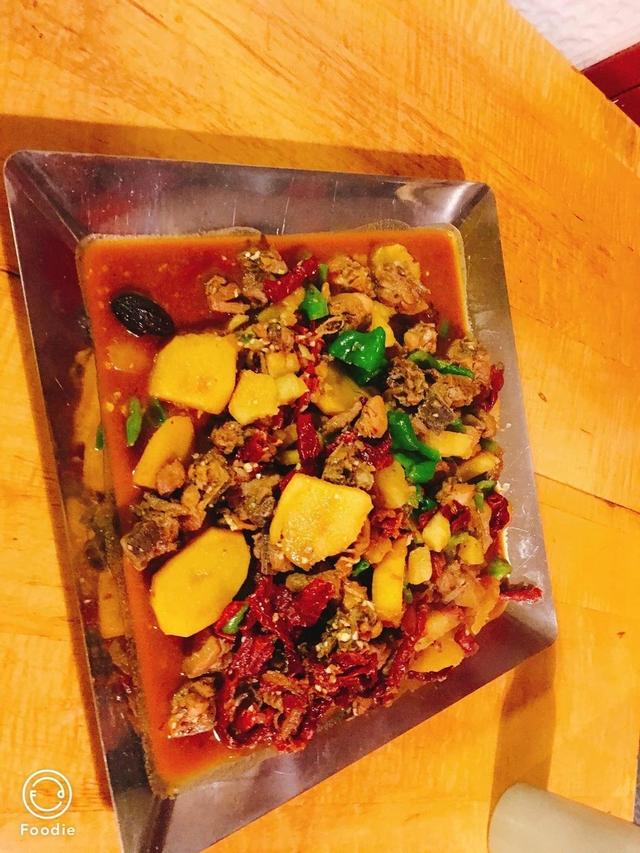
Legend has it that during the Three Kingdoms period, Tso Tsungtang won the battle in Xinjiang, and he used local chickens and chili peppers to make delicacies to reward the troops. This is the origin of Dahanji.
The taste is unique and innovative, combining the rough and hearty spicy flavor of the northwest with the crazy spicy flavor of old Sichuan.
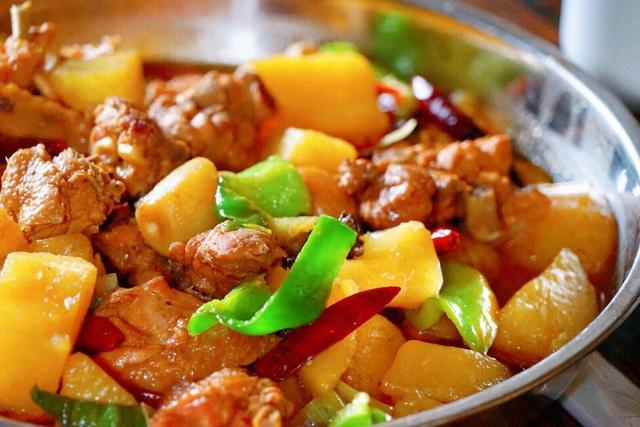
Legend has it that during the Three Kingdoms period, Tso Tsungtang won the battle in Xinjiang, and he used local chickens and chili peppers to make delicacies to reward the troops. This is the origin of Dahanji.
The taste is unique and innovative, combining the rough and hearty spicy flavor of the northwest with the crazy spicy flavor of old Sichuan.
Legend has it that during the Three Kingdoms period, Tso Tsungtang won the battle in Xinjiang, and he used local chickens and chili peppers to make delicacies to reward the troops. This is the origin of Dahanji.
The taste is unique and innovative, combining the rough and hearty spicy flavor of the northwest with the crazy spicy flavor of old Sichuan.
Legend has it that during the Three Kingdoms period, Tso Tsungtang won the battle in Xinjiang, and he used local chickens and chili peppers to make delicacies to reward the troops. This is the origin of Dahanji.
The taste is unique and innovative, combining the rough and hearty spicy flavor of the northwest with the crazy spicy flavor of old Sichuan.