The Benefits of Cat Purring for Humans, and the Need for Owners to Observe Cat States

When it comes to purring, the first thing that pops into mind is an unpleasant experience: during a long train journey, the bunk bed is meant to allow passengers to sleep and make time accelerate, but if a passenger beside you is constantly purring, this journey is likely to be annoying.
However, there is also a pleasant memory: when I was young, I grew up in a rural area, and the rooms were cold to the point of freezing in winter. The hot water kettle was always emptied before midnight, but it was still the best hot water kettle – it was the family's three-flower cat. It was cool and warm after rubbing its fur into the bed, and it slept soundly for the whole night. The most relaxing thing was the three-flower cat's gentle and melodic 'purring' sound. As you listen to it, your eyelids become heavier and heavier, and you have no dreams all night.
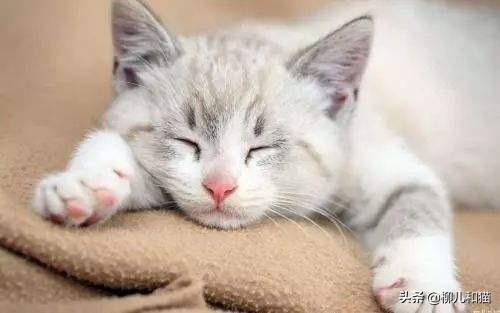
Do cats purr have benefits for human health? This is true
Although humans' purring is not popular, house cats purring are deeply loved by humans. Animal researchers have found that most cat owners say that whenHearing the purring of house cats can make one feel more peaceful inside
When a healthy human is in direct contact with a house cat, blood pressure and pulse rate decrease, movements are more relaxed and calm, and reactions are more focused. For patients with physical and mental diseases, it has even better effects. Research shows that animal-assisted therapy can enhance the patient's initiative, improve self-esteem, promote interaction with others, and animal-assisted therapy is increasingly used in human medicine.
Cat purring has a big effect on human health, and cat purring frequency is generally between 20Hz-140Hz. Biological acoustics research found that 20-50Hz sounds can promote human body recovery and relieve pain,House cats' purring has a restorative effect on human medicine
Cats are often labeled as 'healing' because of their cute and docile appearance, which makes people feel satisfied and creates a peaceful state of mind. Cats' purring can also transmit peace of mind to humans through the impact of hearing
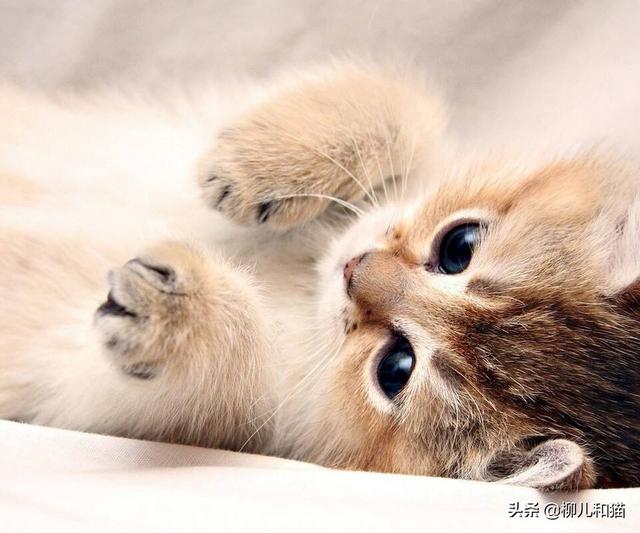
House cats purr in various situations, and cat owners need to carefully observe and promptly detect cats' abnormalities
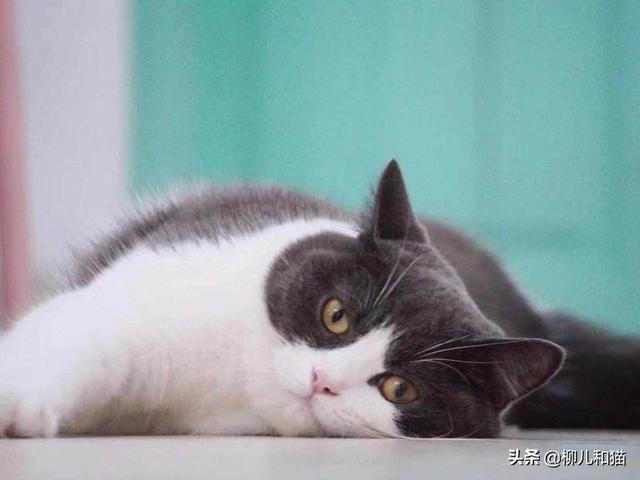
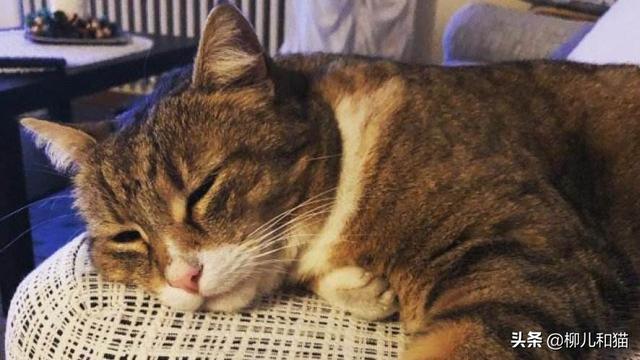
1, Most cat owners can observe thatHouse cats purr when sleeping, which is often accompanied by a house cat's side sleeping state. This is a more effective breathing way for cats during sleep
But not all house cats purr during sleep. Cats' purring behavior depends on their growth environment and adaptation to the current environment. Animal researcher Huffman said that the sounds, duration, and respiratory frequency of different cat breeds are not the same
2, Animal researchers have found that there are differences between house cats and wild cats in purring. House cats are more likely to purr when they are close to cat owners or when cat owners stroke them. Compared with wild cats, house cats show a smaller mental age, or house cats' mood is always like a little child
Originally, the cat's purring sound and the cat mom's communication are relatedAnd cat owners' existence is like a cat mom to the house cat. When returning home, the house cat will proactively come over to rub against the cat owner and purr. When the cat owner scratches the cat's neck or strokes its back, it closes its eyes in enjoyment and purrs. In this case, the house cat is using purring to show its happiness to the cat owner
It is a unique way of communication between cats and humans3, But it is easy to misunderstand that house cats purr when they are unwell. This makes cat owners neglect cats' health status
For this phenomenon, some scientists have proposed that cats 'self-comfort'. When cats purr, the brain secretes a substance called 'brain anesthetic', which has the effect of increasing pleasure and relieving pain
The frequency of cats' purring and the density of bones are almost the same, which can promote bone regeneration and promote the recovery of cat musclesSo when a cat that doesn't purr often starts to purr, cat owners need to pay attention to the cat's mood and diet, normal cats purring have a relatively consistent breathing frequency, but if the cat's breathing becomes 'intermittent' or heavy, cat owners need to further pay attention to the cat's physical condition
Regarding the source of house cats' purring sound, there are many opinions, and there is no definitive conclusion
1, One view is that when cats' veins blood from the abdomen flows into the chest, the blood flow is disturbed, and the cat's chest cavity forms a reverberation, which triggers purring
2, One view is that when cats' blood strongly hits the walls of the arteries, the sound produced will form resonance in the cat's body, thus producing purring
3, More researchers believe that purring comes from the cat's throat
The cat's throat is different from human throats, the cat's throat's tail end is a false vocal fold, purring is the cat's false vocal fold vibrating in the cat's gas, through the resonance of the throat, the sound is produced
And this purring ability is not limited to cats, but also exists in some large cat species
Different cats purr with different individual variations, and not all cats purr. My cat Nanno is a cat that has never purred since I got itBut for cats that purr, cat owners can through careful observation, summarize the emotions that the cat expresses through purring and understand the cat's health status, so they can give the cat more comprehensive careIf the house cat purrs smoothly during sleep, cat owners should create a quieter resting environment for the cat, improve the cat's sleep quality, and promote the cat's physical and mental health is very important.