This Mysterious Little Bird is Actually a Hummingbird
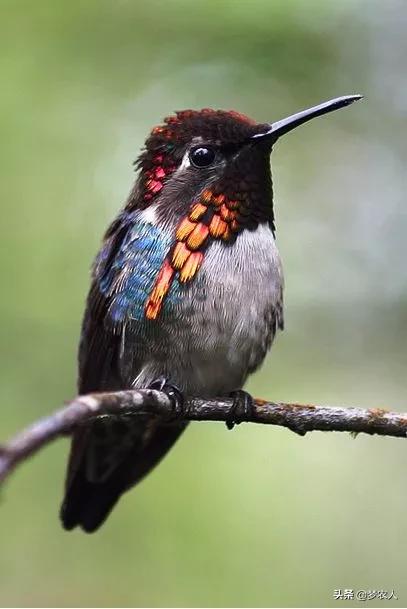
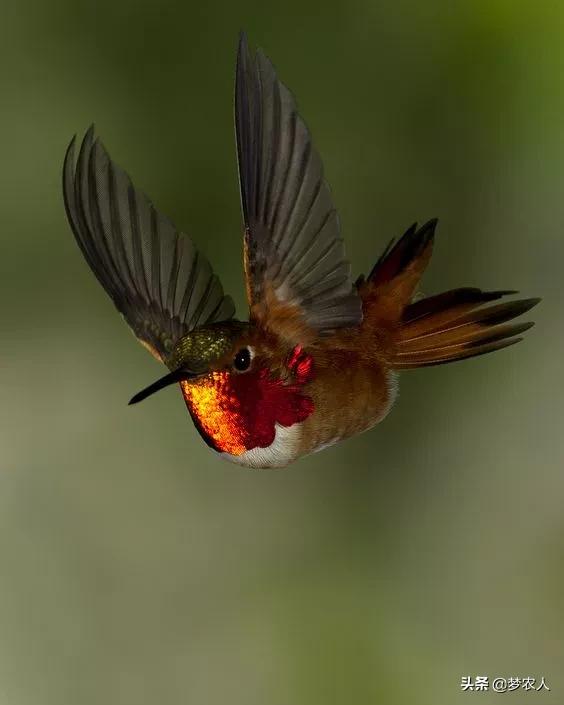
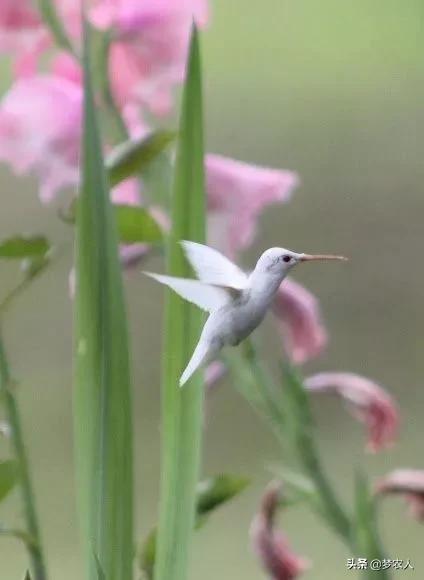
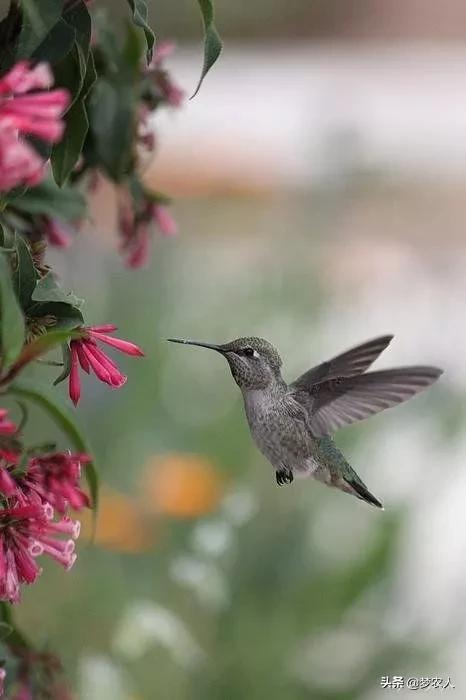
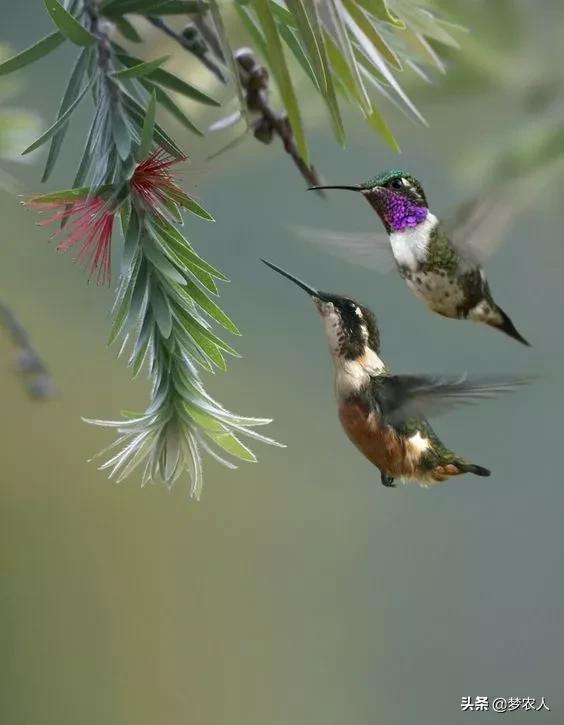
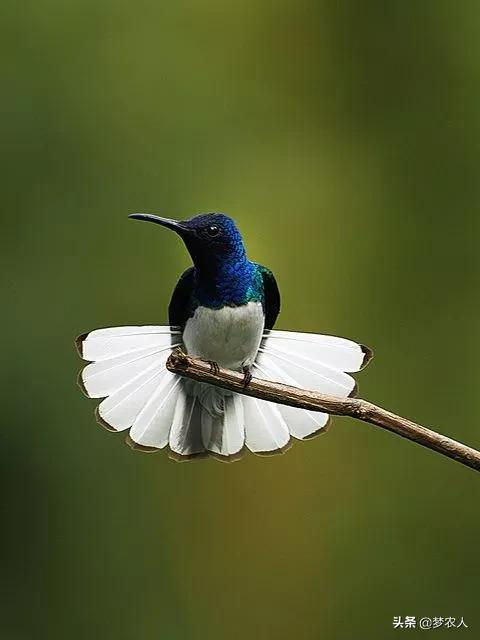
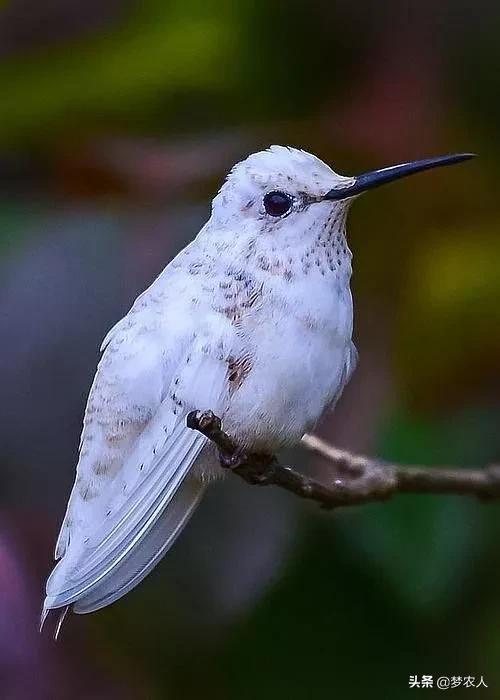
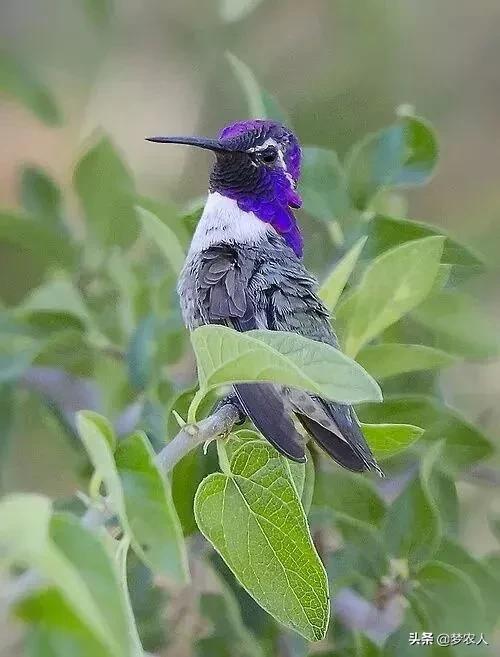
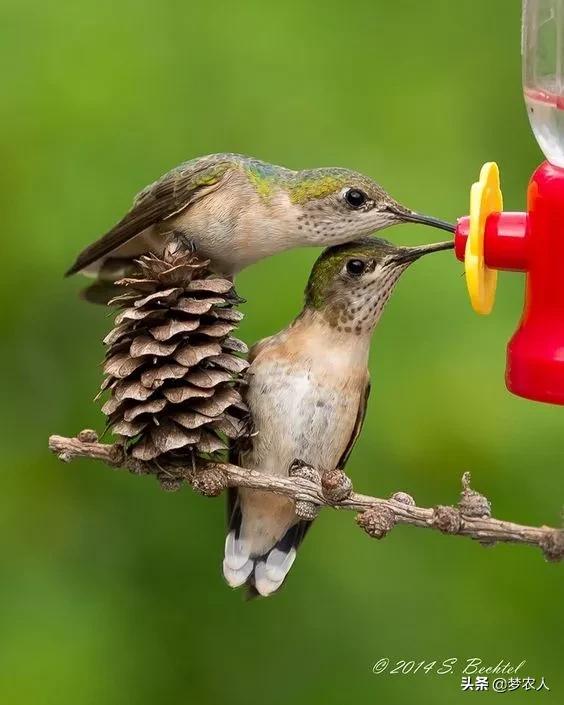
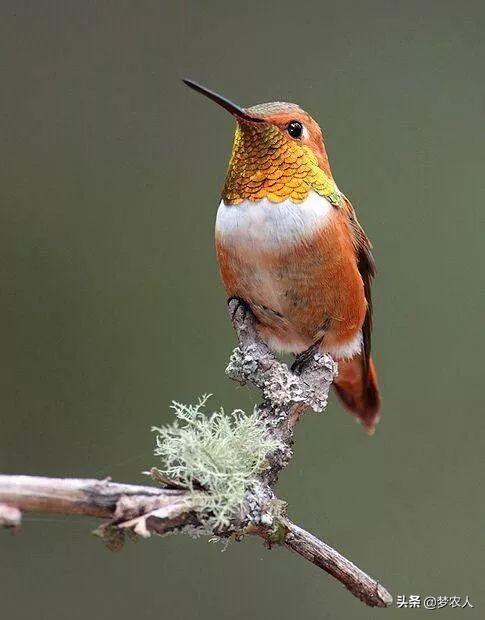
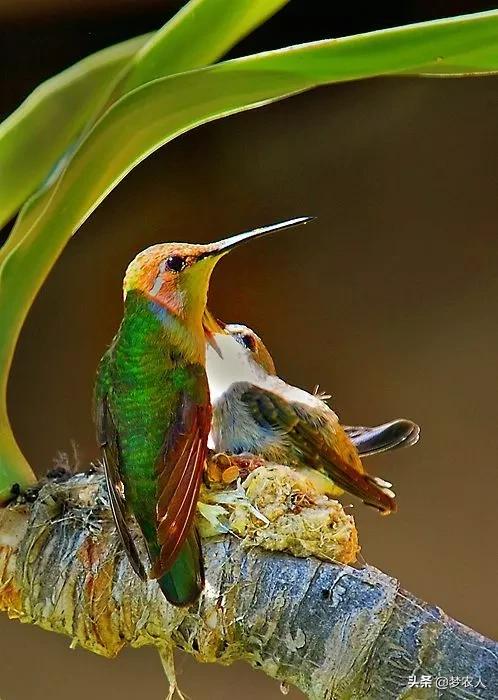
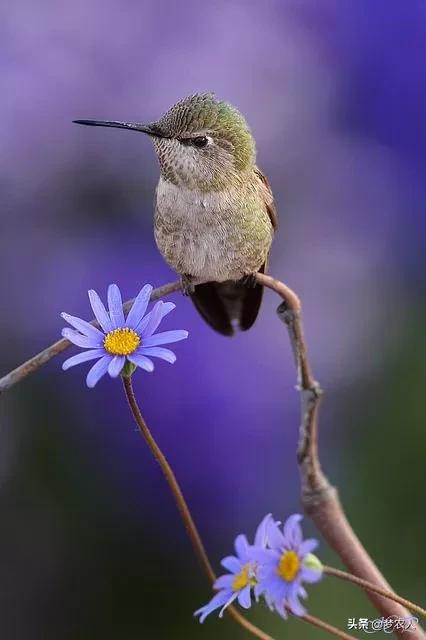
This mysterious little bird is actually a hummingbird, scientifically known as 'Anna's Hummingbird', primarily distributed across the Americas. Most hummingbirds can 'change their appearance', but only males do so, just like peacocks displaying their plumage or sparrows dancing – it's all to attract females.
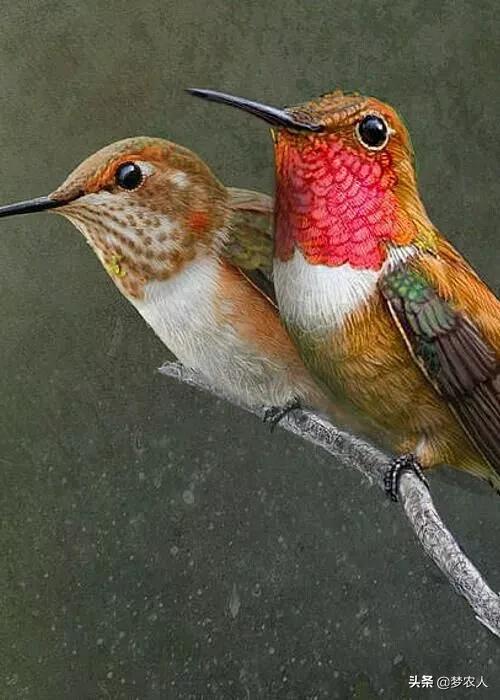
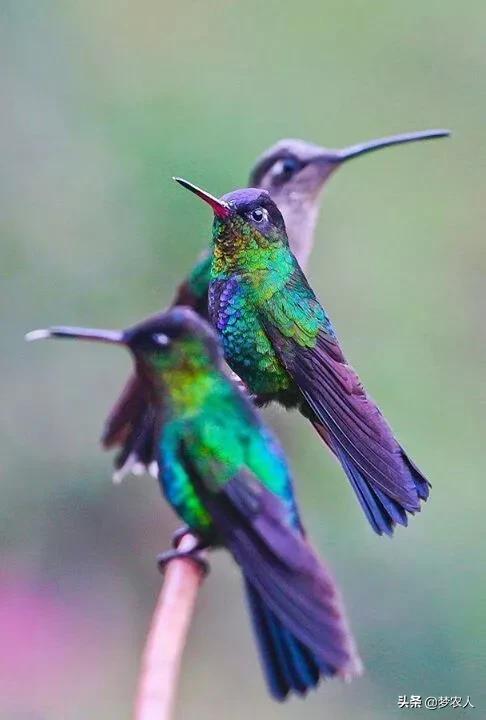
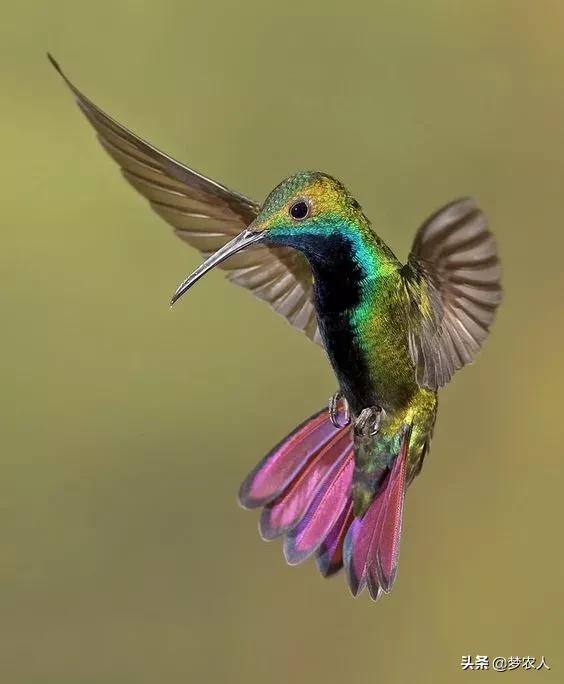
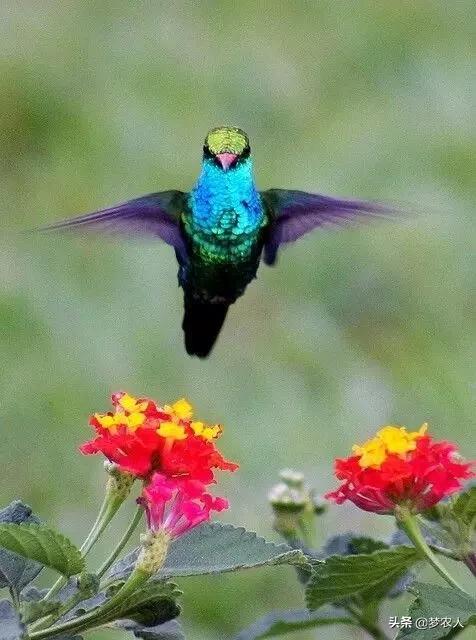
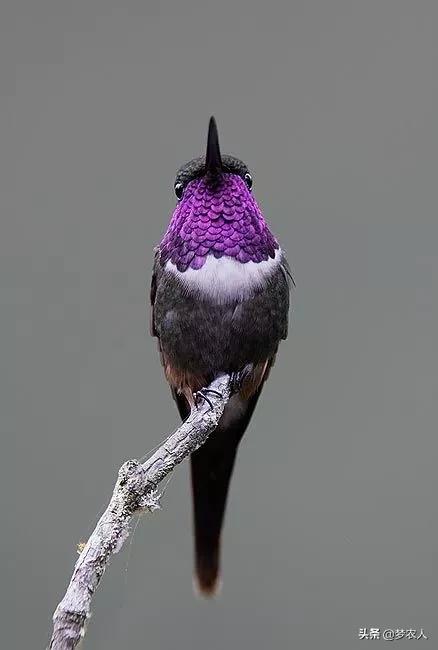
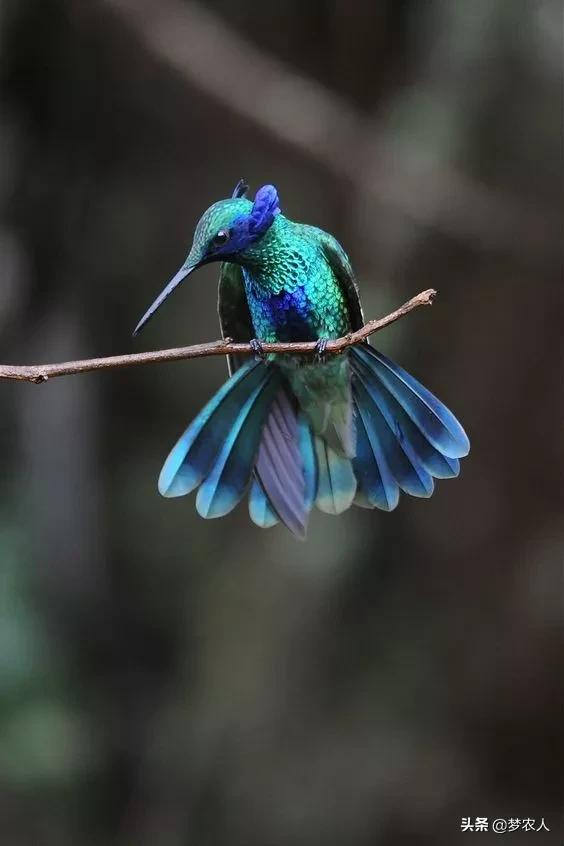
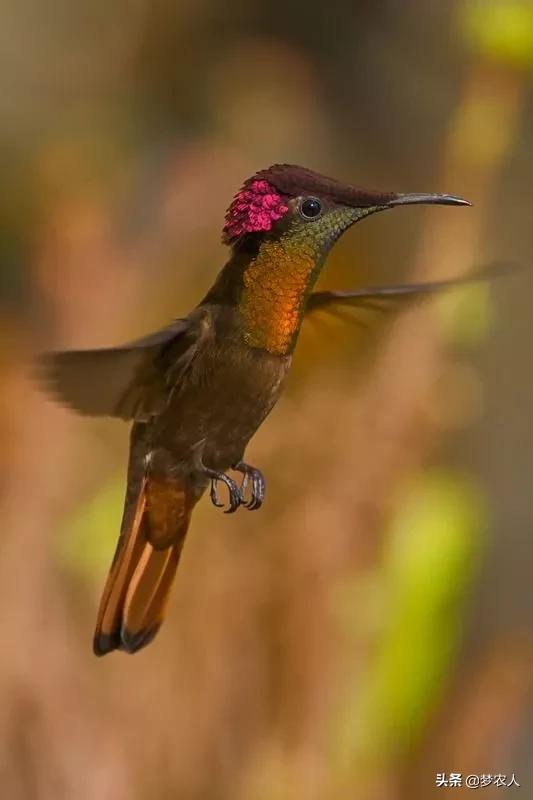
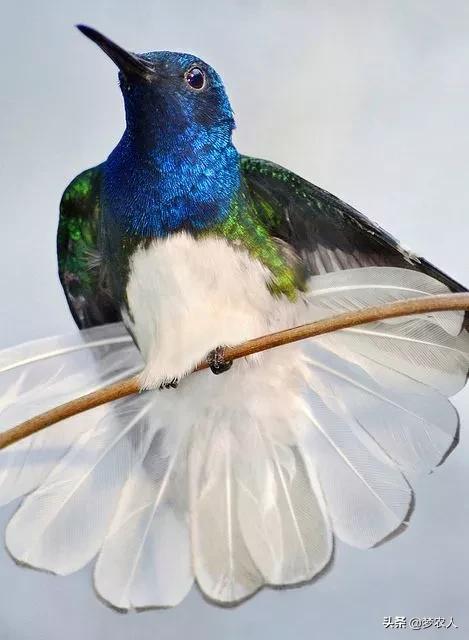
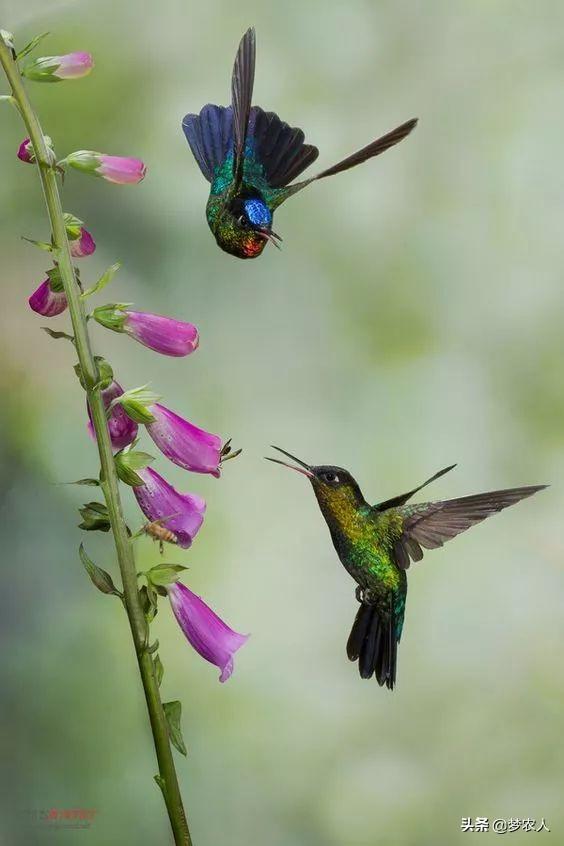
Zoo experts explain that Anna's Hummingbird's color change is due to the subtle structural changes in the feathers that reflect, refract, and interfere with light. This color change is different from the color-changing skin of chameleons; its principle is structural color, using countless micro-thin films within the feathers to display different colors from different angles.
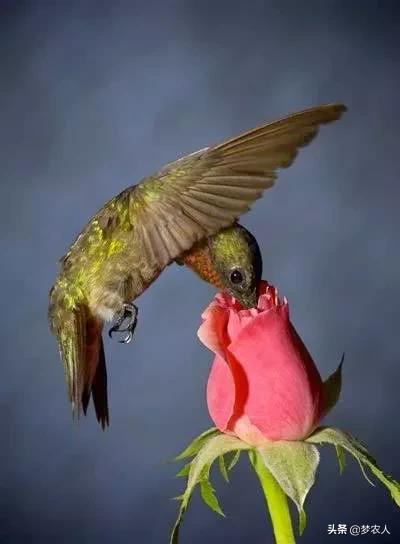
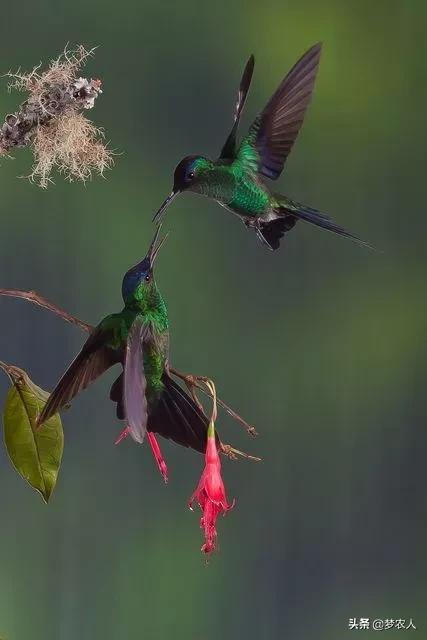
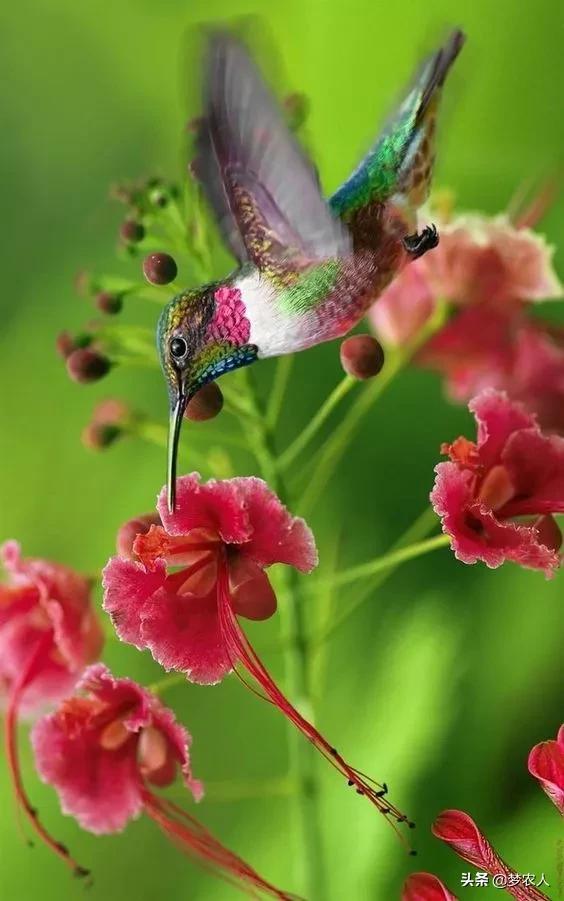
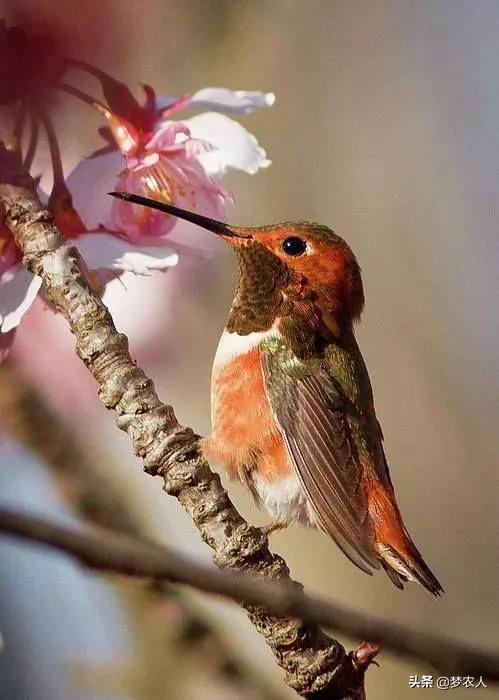
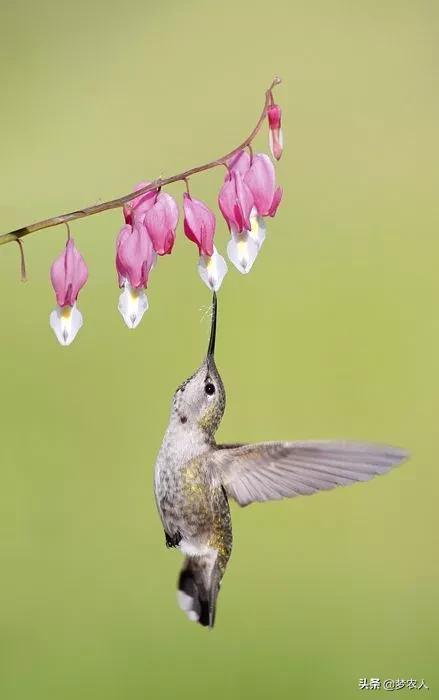
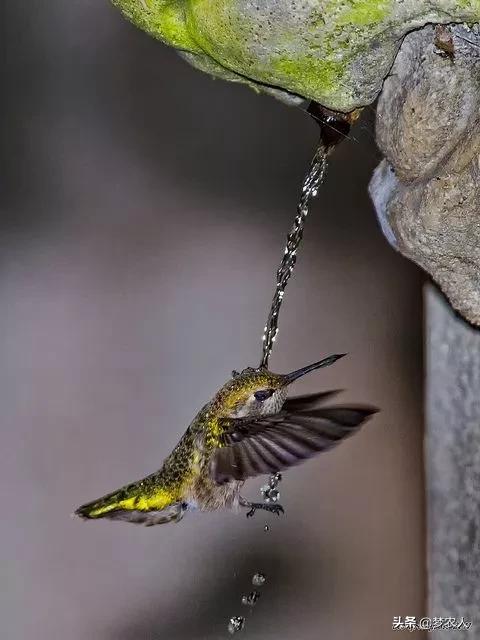
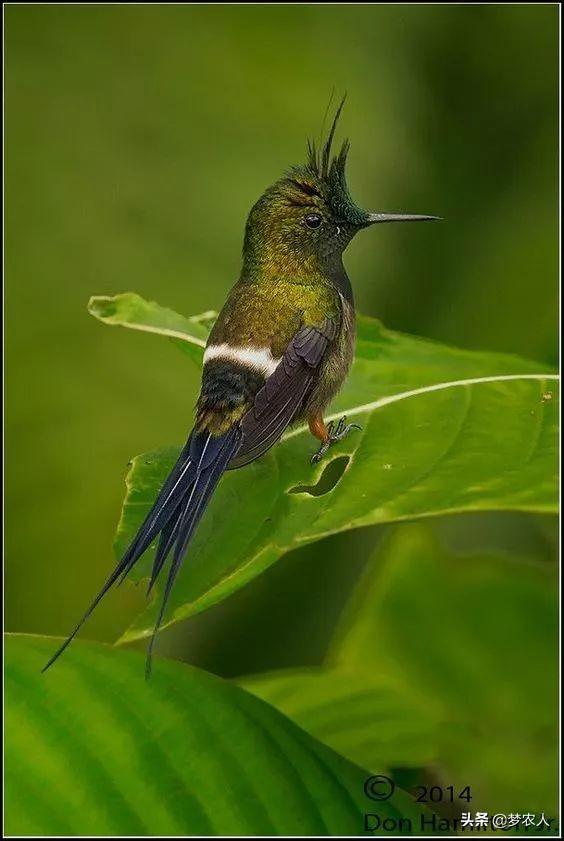
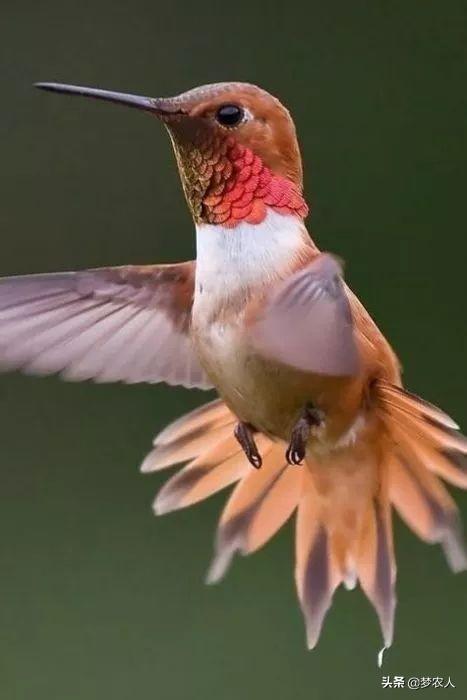
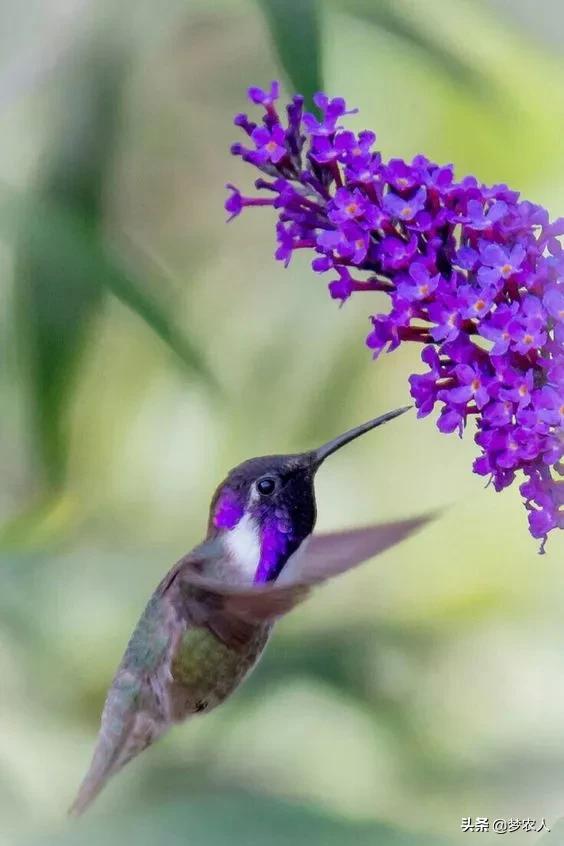
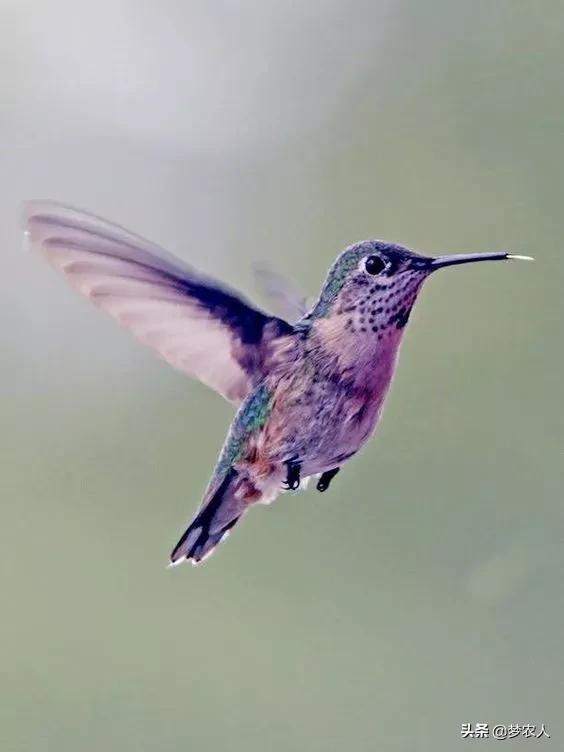
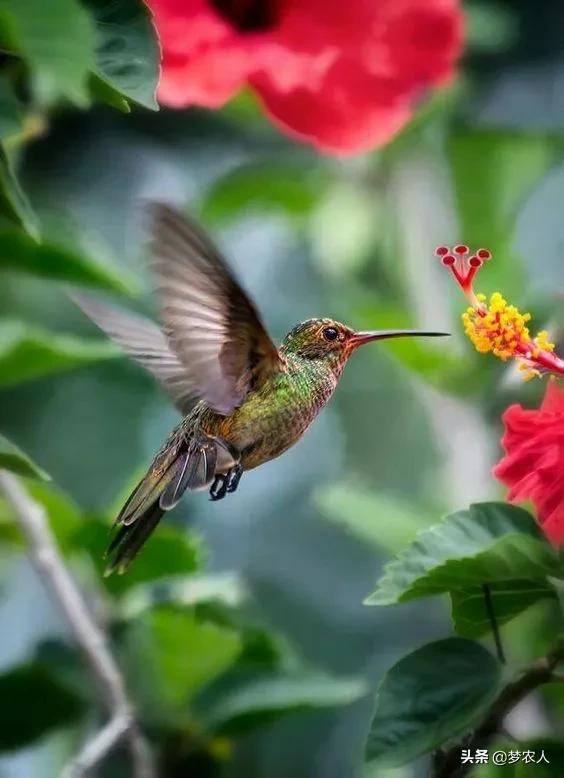
Hummingbird Family: Consists of 1 family, 2 subfamilies, and 104 genera and 355 species. Named for the buzzing sound produced by the rapid vibration of their wings during flight, which is similar to that of bees. Small in size, covered in scale-like feathers, with vibrant colors and a shimmering rainbow or metallic luster; males are more vibrant; the beak is slender and straight, with some species curving upward; the tongue extends and retracts freely; the wings are narrow and elongated; the tail is pointed, fork-shaped or spoon-shaped; the feet are short with fine, weak toes.
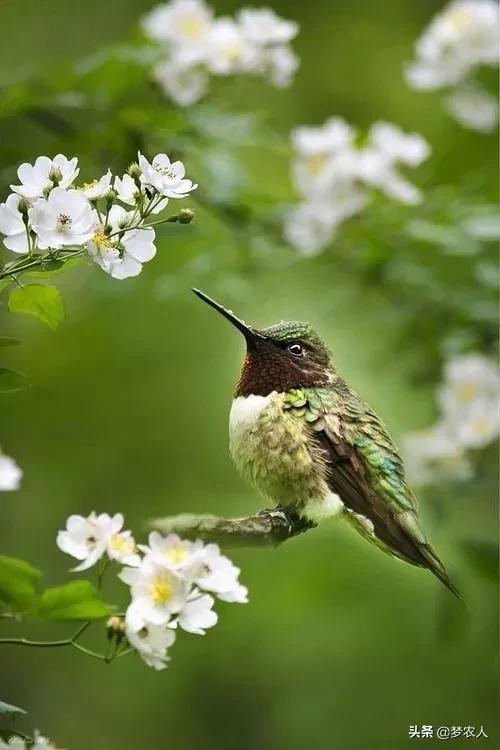
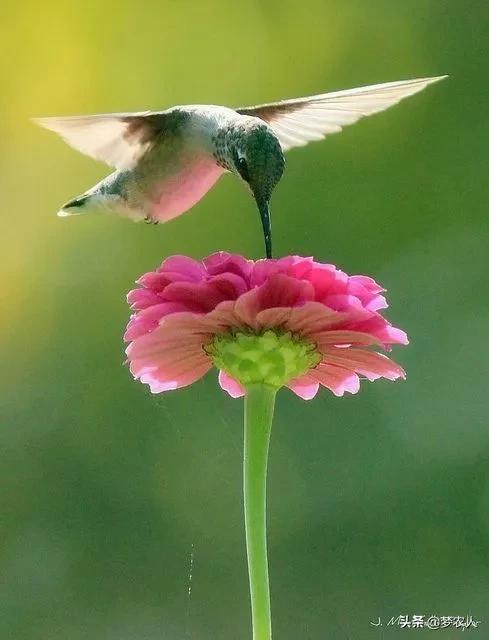
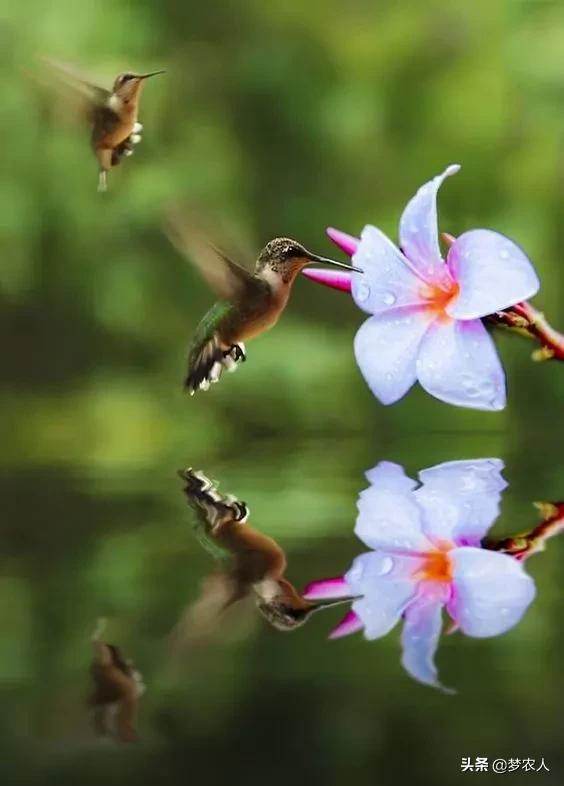
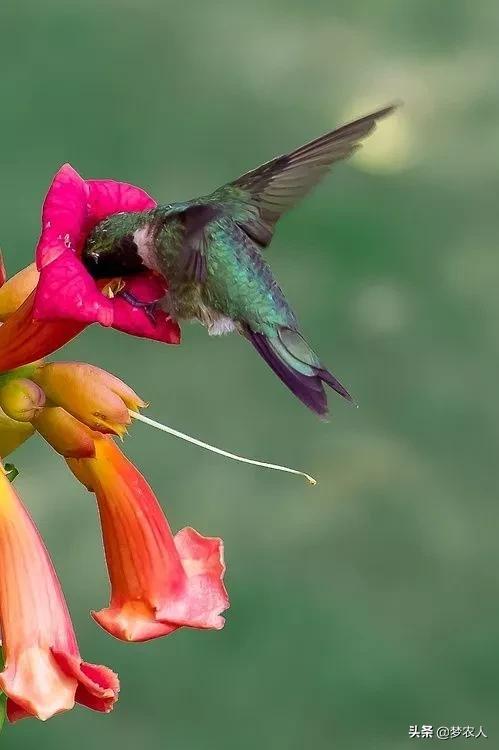
When flying, their wings beat rapidly, powerfully and continuously; the frequency can reach over 50 times per second. They are adept at lingering in flowerbeds 'hovering', and can sometimes even fly backward. They are closely related to swift. Like other birds, hummingbirds have no developed sense of smell and primarily rely on vision. Hummingbirds consume approximately 90% of their diet from nectar, and the rest from invertebrates, including flies, bees, wasps, beetles, and ants. Their thin, long beaks are well-suited for extracting nectar.