How Do Animals Perform 'Self-Medical Treatment'?
Humans get sick and take medicine and see doctors. What should animals do when they are sick? Scientists have found that animals can also treat themselves.

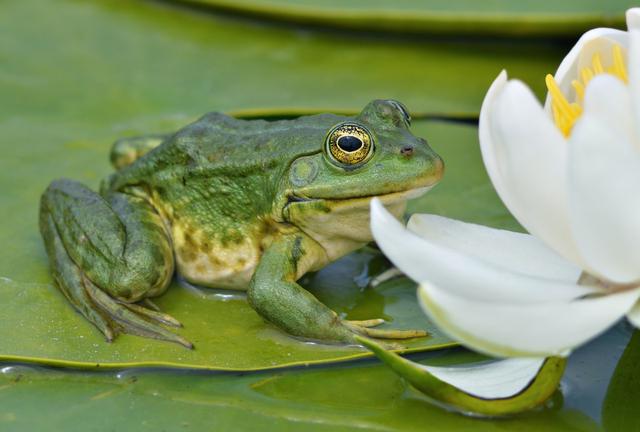
In real life, many animals can perform self-reset treatments. If their stomachs are cut open and their internal organs are exposed, they can push them back in. Then they go to a quiet corner to recover and wait for the wound to heal. For example, a frog was hit by a stone, and its internal organs came out of its mouth. This frog would always squat in place and slowly swallow its internal organs back in, and after three days, it was basically restored and jumping around again.
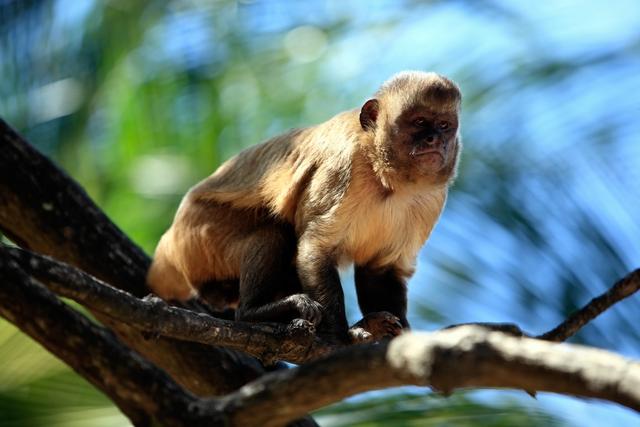
In Brazil, monkeys even use selected herbs to control birth. For example, if a female monkey wants to get pregnant, they will eat a fruit called 'hou'er' tree, and after eating this fruit, the female monkey will be more likely to conceive. After giving birth to a baby monkey, some female monkeys will eat a large amount of beans containing plant estrogen to prevent pregnancy. Isn't that amazing?
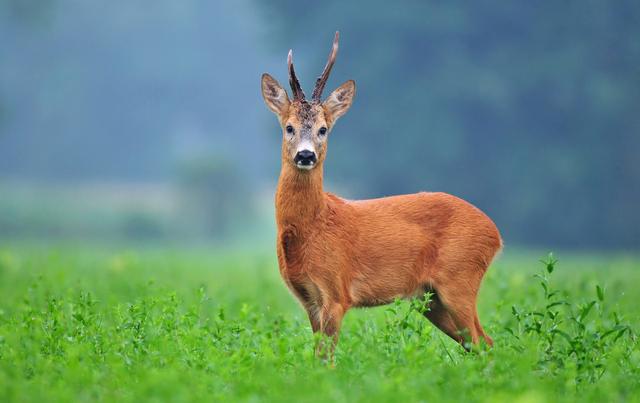
Deer often eat 'shuk' tree and tender branches when they have diarrhea, which can stop diarrhea.
Interestingly, Indian langurs often chew and mold sandalwood leaves into a ball and apply them to the wound after injury.
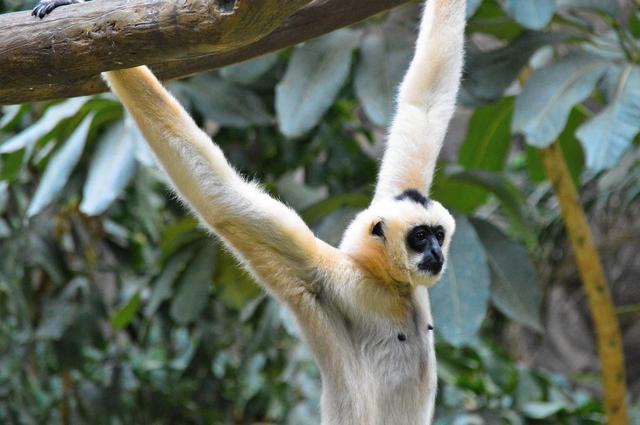
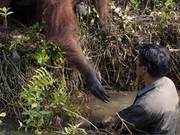
Orangutans often apply mud to their faces and mouths after suffering from toothache, and after the inflammation subsides, they will pull out their teeth.
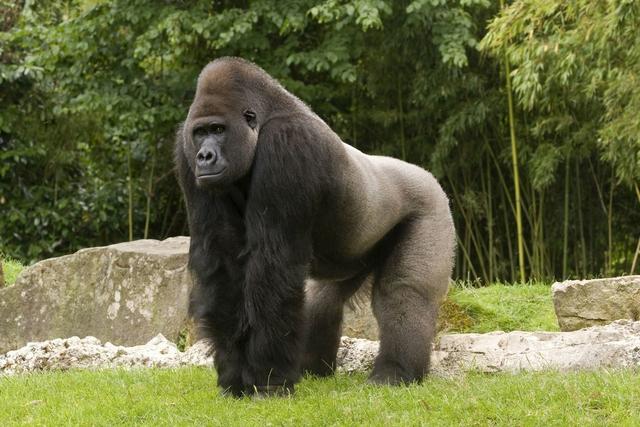
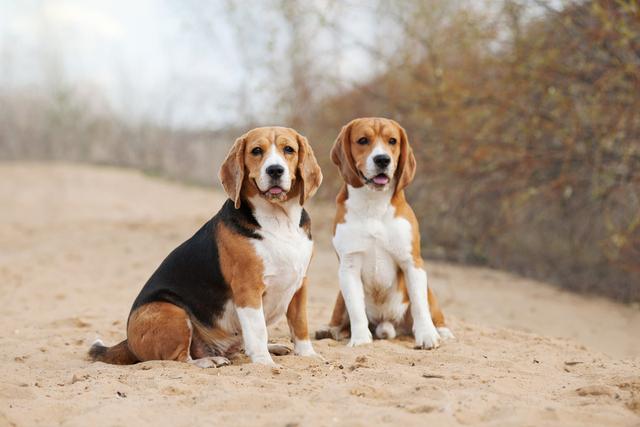
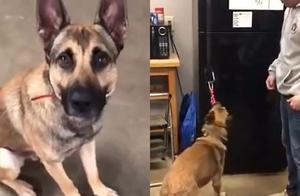
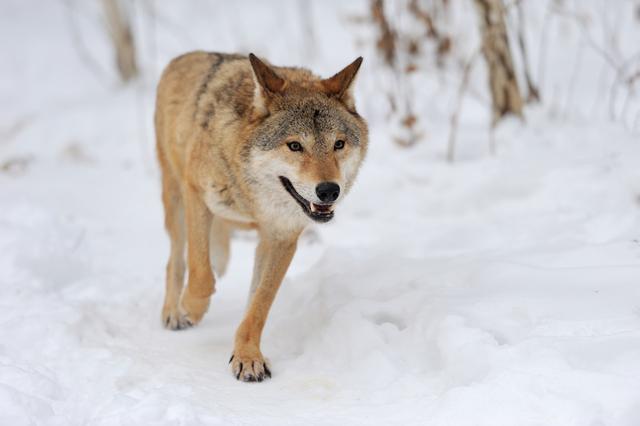
Wolves and mountain dogs can automatically contract their stomach muscles when they suspect they have eaten poisonous food, and then immediately vomit the contents of their stomachs to prevent death from poisoning.
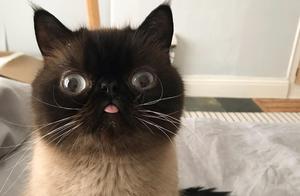
Cats and dogs often lick their wounds because their saliva contains enzymes that kill bacteria.