What Rare Animals Have Gone Extinct in Modern China?
China’s extinct animals include several highly representative species, such as the South China tiger, Taiwan clouded leopard, finless porpoise, Chinese rhinoceros, and rhodocyon. Of course, the recent revelation of the Chinese Pangolin’s functional extinction is also notable. The reasons for extinction generally boil down to habitat destruction and excessive hunting, ultimately leading to the species’ inability to naturally reproduce in the wild and eventually facing complete extinction.
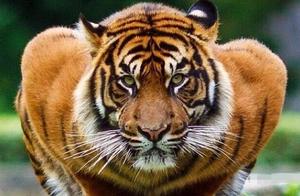
1. South China Tiger
The extinction of a single animal can be categorized into various situations, such as wilderness extinction, where individuals are not found in the wild; functional extinction, where individuals exist in captivity but lack the ability to continue to reproduce and develop; and complete extinction, where the species is no longer found anywhere. The South China Tiger falls into the category of wilderness extinction, but individuals still exist in some domestic zoos and are continuing to breed, but it may ultimately lead to the extinction of its close relatives.

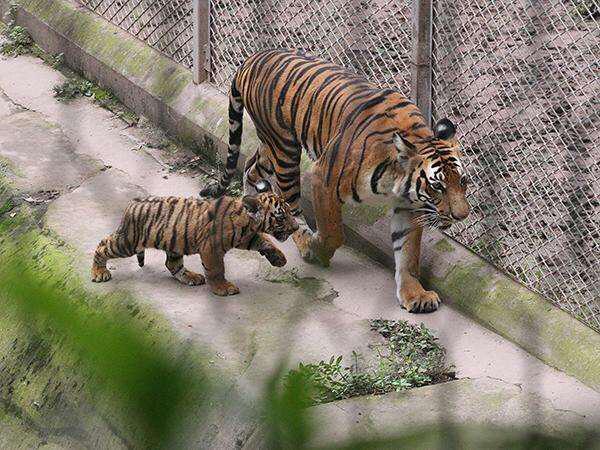
Tigers belong to the cat family and the leopard genus. There are nine subspecies of tigers, and the South China Tiger is one of them, a Chinese-exclusive tiger species. In the 1960s and 70s, there were a large number of South China Tiger individuals, but due to the fact that tigers were listed as pests at a specific time, a large number of South China Tigers were captured, resulting in a rapid decline in their numbers. In the 1970s and 1980s, there were still South China Tigers in the wild, but their numbers may have only been dozens, and since the 21st century, their presence in the wild has been rare.


2. Finless Porpoise
The finless porpoise is an ancient relic species that maintains its original form from its ancestors, hence it is also known as the ‘Living Fossil’. The finless porpoise entered the Yangtze River approximately 20 million years ago and primarily lived in the middle reaches of the Yangtze River, known as ‘the Goddess of the Yangtze’ and ‘the treasure of water in China’.

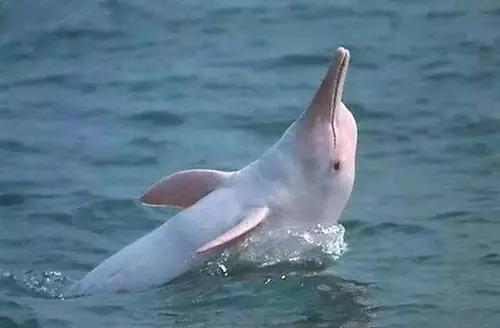
Since 1980, a finless porpoise named ‘Qiqi’ was artificially raised, but after the death of ‘Qiqi’ in July 14, 2002, there were no definite living finless porpoises recorded.
3. Taiwan Clouded Leopard
The Taiwan clouded leopard is a cat species native to Taiwan, also one of the top predators in Taiwan. It generally has a length of about one meter and weighs 20 kilograms. Of course, compared to tigers and lions, it is smaller. The Taiwan clouded leopard is shy and afraid of people, so it is difficult to see its traces in the wild.

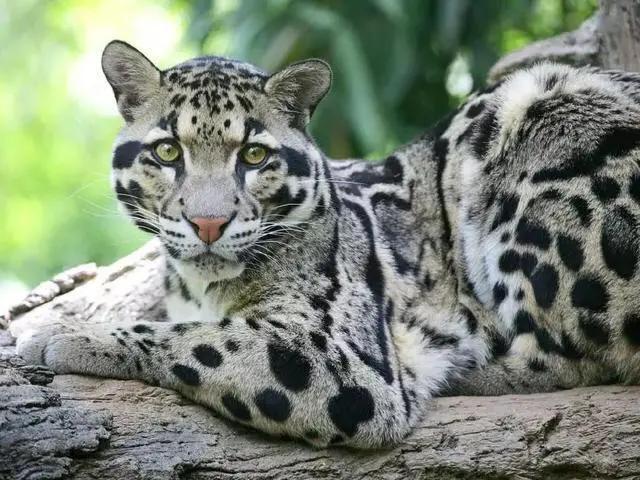
The Taiwan clouded leopard was abundant in the 1940s and 1950s, but due to the fact that local people found its fur to be shiny and beautiful, it was hunted extensively, leading to its extinction in the 1980s.