Lizards Don't Just Bite Off Their Tails to Survive; Eating Them Can Also Achieve Calcium Supplementation
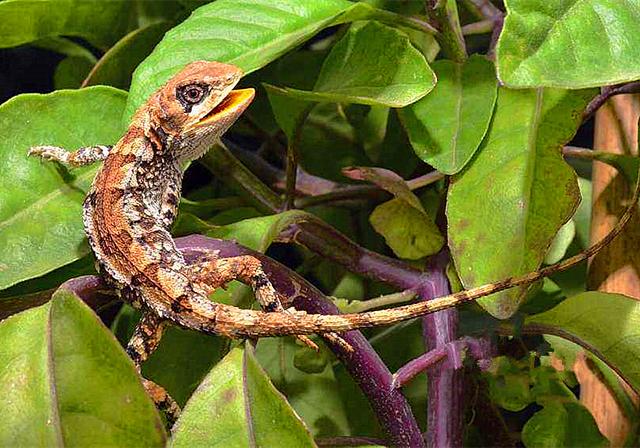
When animals encounter life-threatening situations, they always do something to rescue themselves from danger, such as resistance or pretending to be dead. Among the various escape methods, what impresses me most is the lizard's tail amputation technique.
Why is the lizard's tail amputation technique so impressive? That's because the lizard has a magical tail that can regenerate itself after being cut off.
We all know that once an animal's body is seriously injured, it will leave traces, and these traces may accompany the animal for its entire life.
However, lizards are different from ordinary animals. If their tails are injured or completely severed, they will not be greatly affected, because they can regenerate a complete tail after a period of time.
Of course, lizards only have the ability to regenerate their tails. If their tails are damaged outside, they won't be able to regenerate other body parts like their tails.
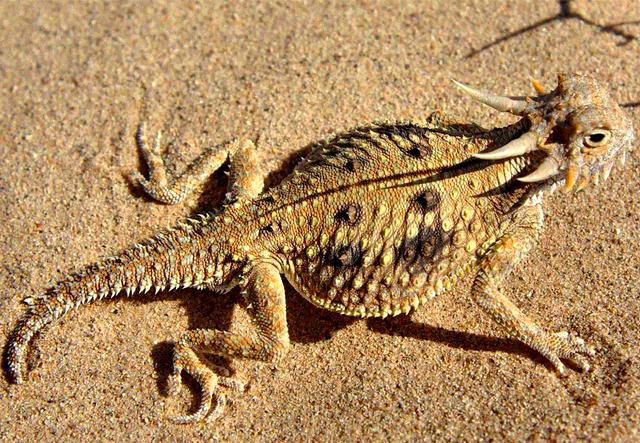
The lizard's tail amputation skill has left a very deep memory in our hearts, so we always think that lizards will amputate their tails themselves in order to ensure their safety.
But this is not the case. Lizards may also amputate their tails to supplement nutritional substances and then eat their tails into their stomachs.
Regardless of the reason for the lizard's amputation, its amputation behavior exists, and it can still regenerate a healthy tail afterwards.
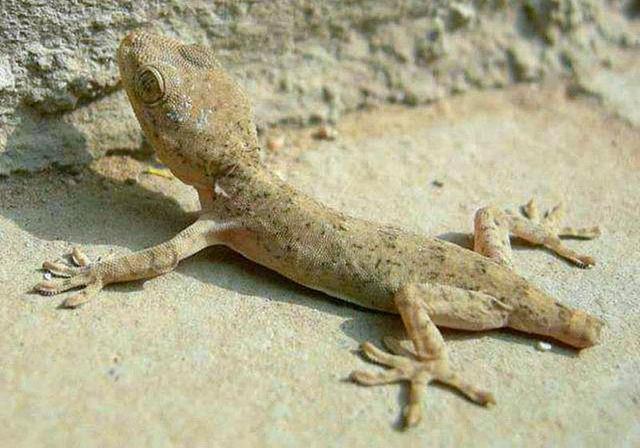
However, we don't know how the lizard amputates its tail and how it regenerates its tail.
What kind of tail amputation does the lizard do?
In general, lizards will not easily cut off their tails. Lizards only appear to amputate their tails when they encounter enemies or are severely disturbed. They cut off their tails and attract the attention of the enemy, allowing themselves to escape.
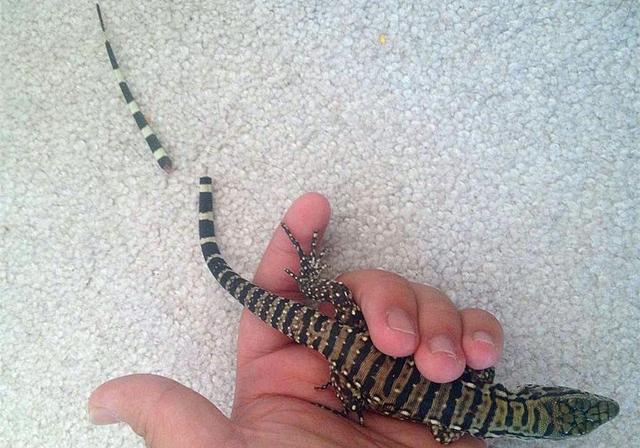
The lizard's self-amputation phenomenon is considered a protective adaptation for the lizard to avoid being attacked by enemies.
Although the lizard's self-amputation phenomenon can occur in any part of its tail, the place where it cuts off its tail is not at the joint between two tail vertebrae, but in the middle of the tail vertebrae, at the special soft cartilage partition.
The lizard's tail has a special cartilage partition structure, which is difficult for other tailed animals to have.
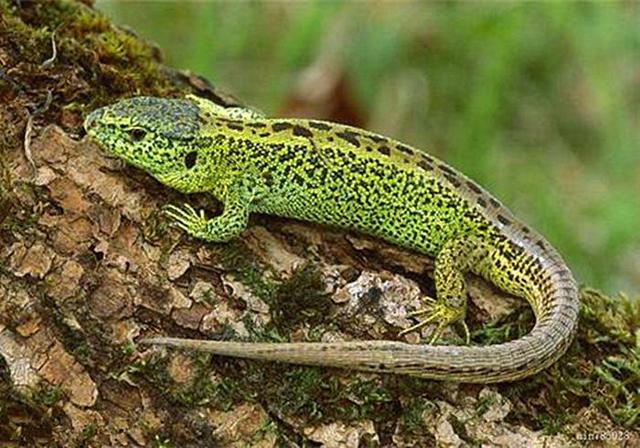
When the lizard encounters danger, the muscles of its tail contract strongly, and the strong contraction of the tail muscles causes the cartilage partition of the tail to break, eventually causing the lizard's self-amputation.
Because the cells in the lizard's tail soft cartilage partition have the characteristic of lifelong embryonic tissue preservation, that is, these cells have lifelong differentiation functions. Therefore, after the lizard's tail is cut off, it can regenerate a new tail at the amputation site.
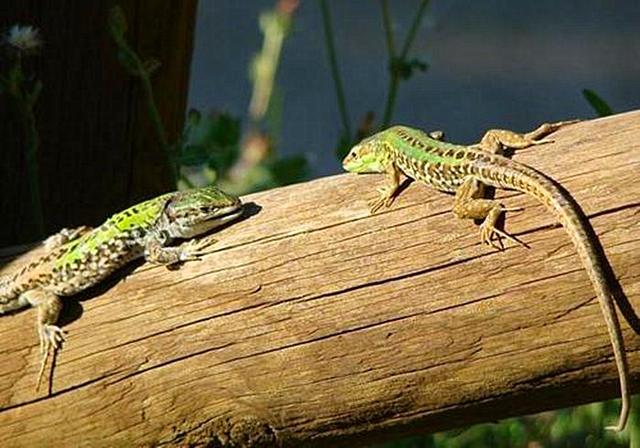
Although the lizard can regenerate a new tail, this regenerated tail does not have segmented vertebrae, but only a continuous bone rib in it. The lizard's tail scale arrangement and structure are also different from its original tail.
That is to say, the lizard's regenerated tail only looks like its original tail, but its inner part is very different from the original tail, and it cannot be considered as regenerating a tail that is exactly the same as before.
#Spring style of life#
#Flashy moment» theme contest essay II phase#