How Do Marine Animals Sleep? Are They Eaten in Their Dreams?
This is such a cute problem~ Now, the animals in the sea are most worried about being eaten by humans when they sleep? Because facing the natural
predators, they have all evolved their own sleep strategies. Because they really like seafood, I'm particularly focused on marine life (huh)
It seems a little weird, let me talk about what I know, shall we?
First, let's talk about fish. Most fish do sleep, but their sleep is not like ours. When they sleep, they don't close their eyes, and their brains don't have the neocortex to recover through sleep, so it's just a physiological rest state.
Smaller fish sleep by finding cover, such as coral reefs, under seaweed, rock caves and crevices, or simply burying themselves in the sand. This can effectively prevent being caught or washed away. Clownfish are very interesting, they not only find a safe place to sleep, but also blow a big bubble to hide their scent. If the bubble breaks, they will wake up.
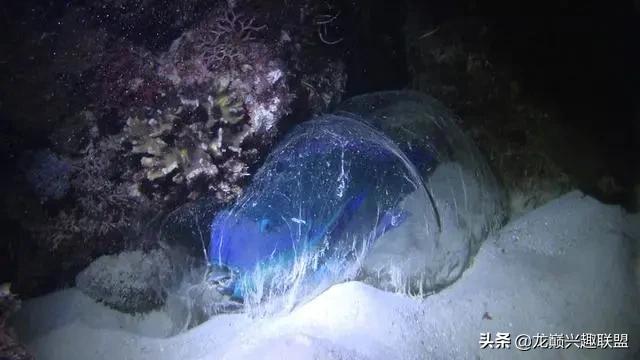
Clownfish blowing bubbles to sleep are also some special small fish that live symbiotically with other organisms, and these symbiotic organisms will protect them when they sleep. The most typical are clownfish and sea anemones.
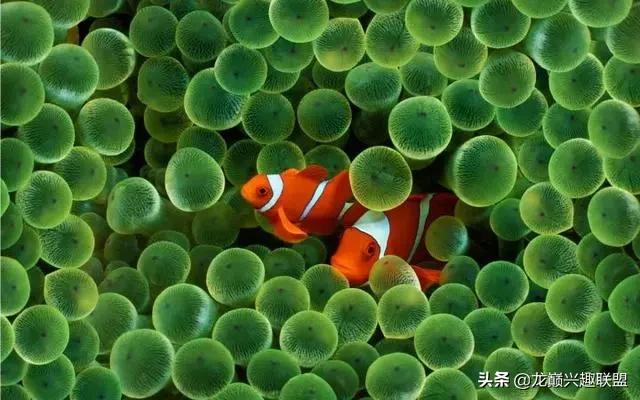
The clownfish in sea anemones are also some small fish that, when sleeping, will park themselves in the seabed, hovering or lying directly on the seabed. They sleep for a very short time, from a few seconds to a few minutes, to wake up and observe for a while, then continue to sleep. And their sleep is very shallow, and they will be immediately awakened by any movement, it's really difficult.
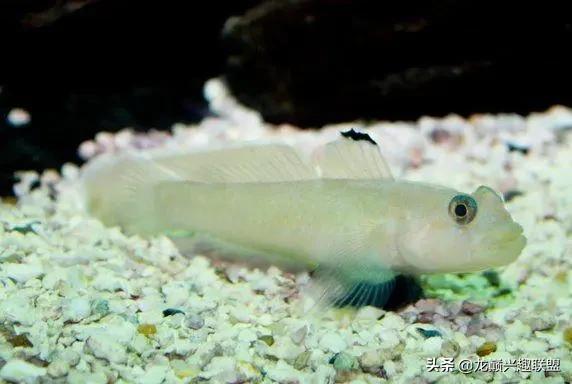
It's probably asleep, or not asleep...
Meanwhile, large fish in the sea have fewer predators, they can just find a calm water current to sleep. Their sleep style is also hovering, and they sleep for a short time.
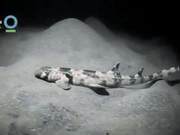
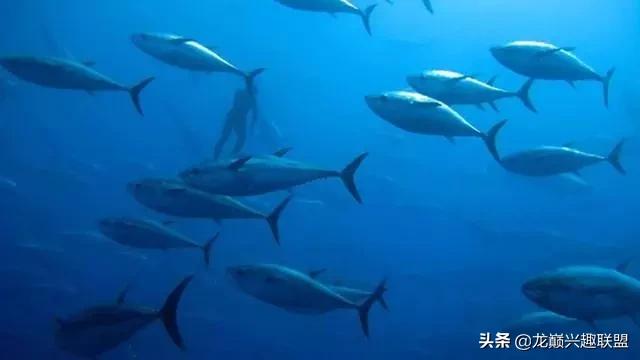
Of course there are exceptions, such as sharks sleep by swimming, just appearing as sleep rest signs, but they don't enter the conventional definition of sleep. And many migratory fish, since they were born, don't need to sleep at all, such as tuna and mackerel.
Let's talk about marine mammals next. Their concept of sleep is similar to ours, but the form is different. For example, seals and manatees sleep in the water, not considering being eaten or washed away, but oxygen deficiency. They sleep for about ten minutes and then pop out of the water to take a breath, then go back to sleep.
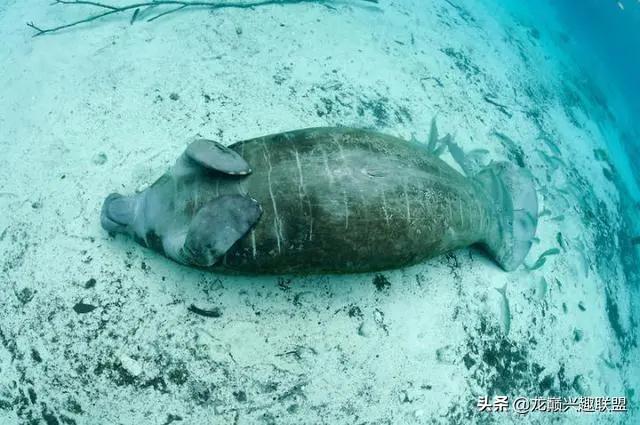
Sea cows are super cute when they sleep! “Let me sleep for 10 more minutes~~”
Meanwhile, dolphins sleep only one and a half brains, because their left and right brains can operate independently, and the two halves of the brain take turns sleeping. So when they sleep, they still maintain a swimming state, and the brain that needs to exchange gas will instruct them to float up.
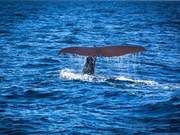
The most willful is whale, whatever way they want to sleep, they can sleep like dolphins, half brain awake while swimming, and can also stand up to sleep, it's amazing~
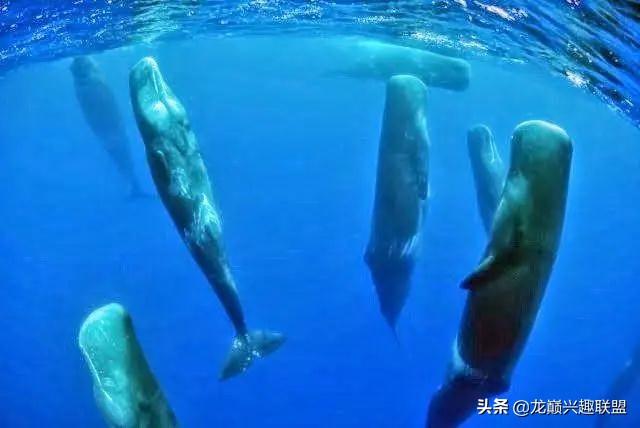
Standing up to sleep whale, it's convenient to occasionally stretch their nose out of the water
Many other marine animals have more bizarre ways of sleeping. For example, octopuses sleep by using two tentacles to scratch around, while the other tentacles curl up for rest... but this is a theoretical state, sometimes they just curl up on the sand to sleep.
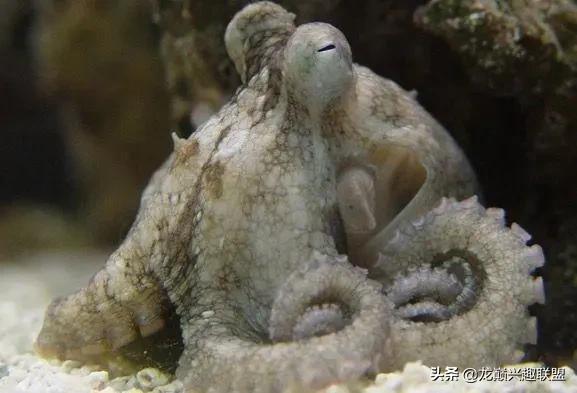
Octopus curling up to sleep
There are too many categories of species in the ocean, and it's impossible to list them all. Currently, science's research on marine animal sleep mechanisms is not yet complete, and we still don't know whether or how many marine animals sleep.
However, the reader shouldn't worry about them being eaten or washed away. Marine animals that are easily eaten and have no protective measures should have already gone extinct. And they also won't choose to sleep in areas with strong currents... even if they are washed away a little, I guess they can't remember it after fish memory haha~
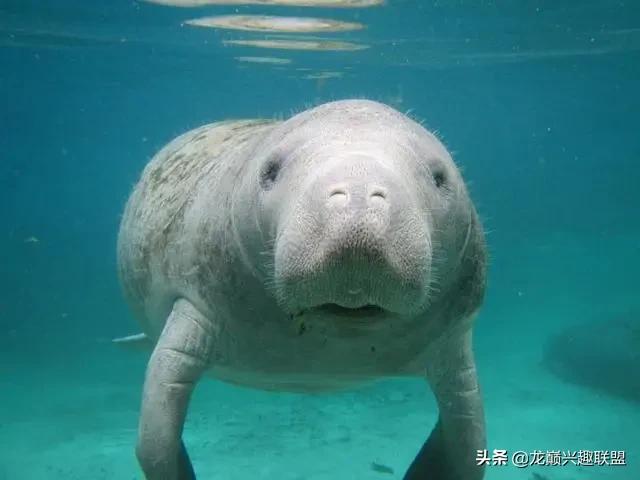
Finally, it's a joke, no one would really take it seriously... (blank)
Author: Zhihu Helen