Spectacular Moments of Red Gull Hunting (Mobile Phone Photography)
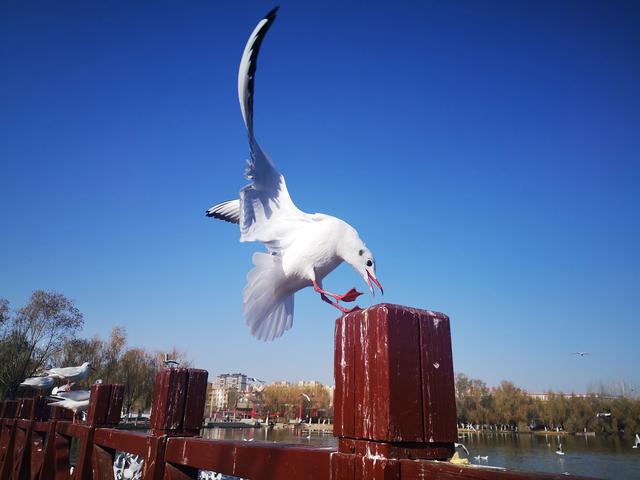
Red gulls are commonly known as 'water pigeons', with a body shape and plumage similar to pigeons. They have a body length of 37-43 cm and a wingspan of 94-105 cm, with a weight of 225-350 grams. Their lifespan is 32 years.
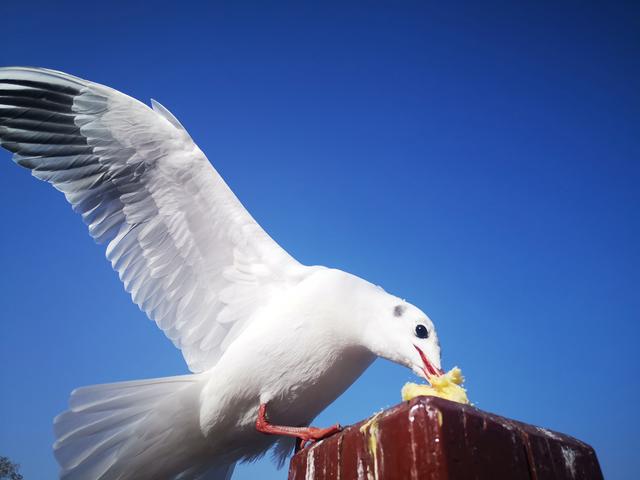
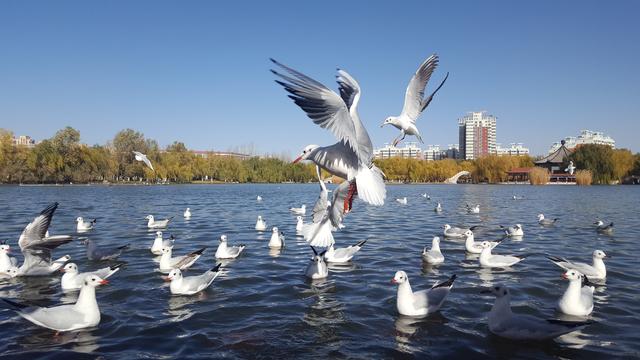
Red gulls are numerous, like to flock, and can be seen in many coastal ports and lakes around the world.
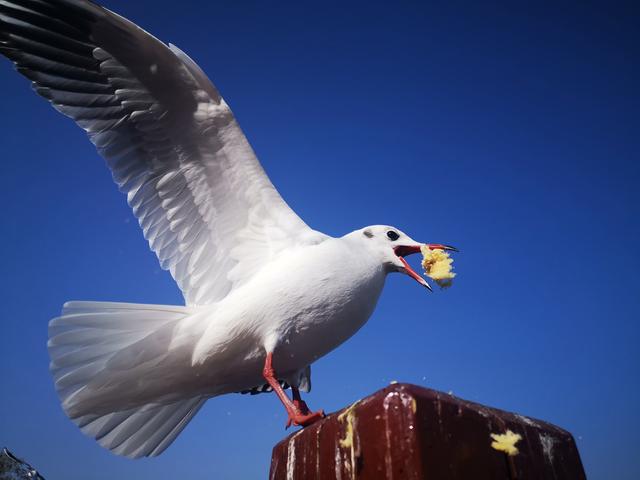
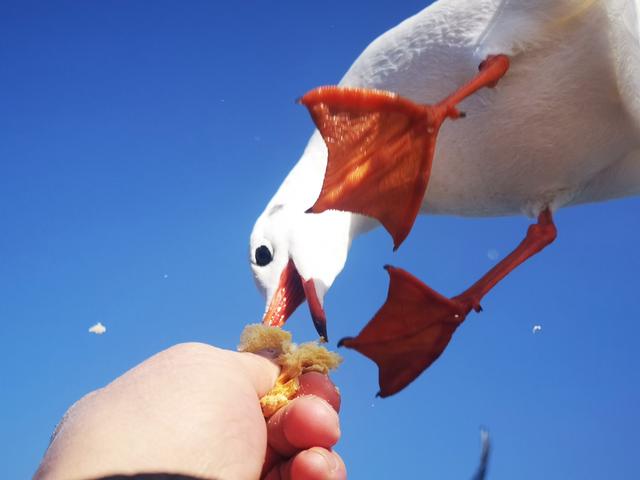
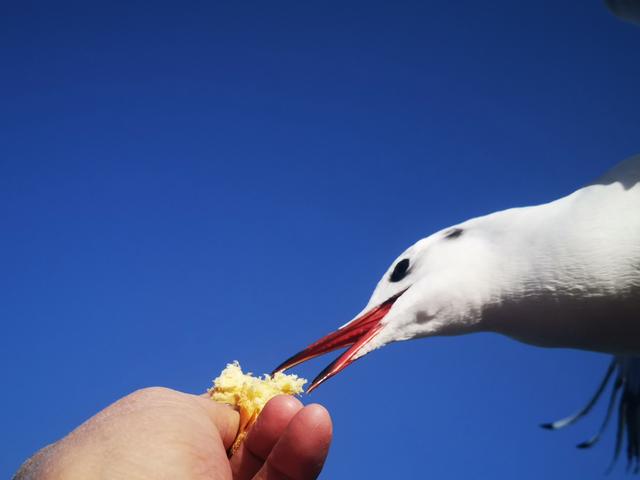
Big mouth
They generally live in rivers, lakes, reservoirs, bays. Their main food is fish, shrimp, insects, aquatic plants and human discarded food scraps.
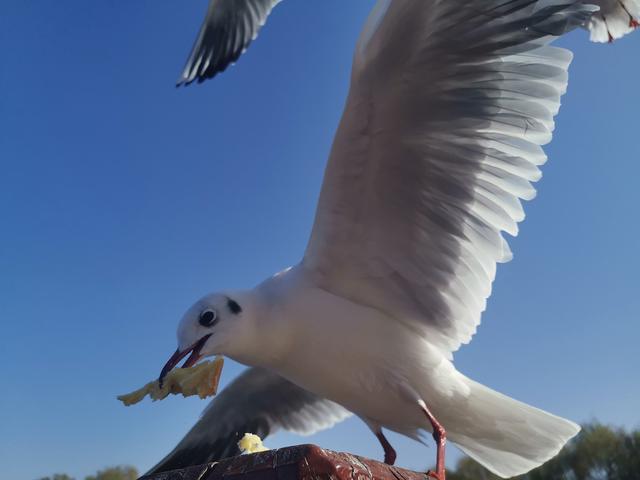
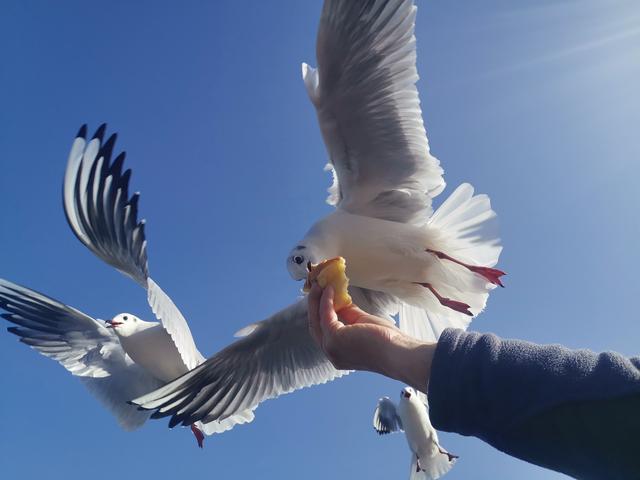
Picking up food
Red gulls are mainly winter migrants in China, some are summer migrants. They arrive in the breeding grounds in Northeast China from March to April. They migrate south from September to October to leave their breeding grounds. The red gulls at Xingqing District, Yinchuan City, Petro City Yanweihu, arrive in mid-February, when the ice on the lake surface just starts to melt, and they arrive in batches, reaching thousands of individuals clustered together until mid-March. They basically leave by the end of March, and then return from late October or mid-October in batches from Siberia, using Yinchuan's many lakes as intermediate stations or 'gas stations'.
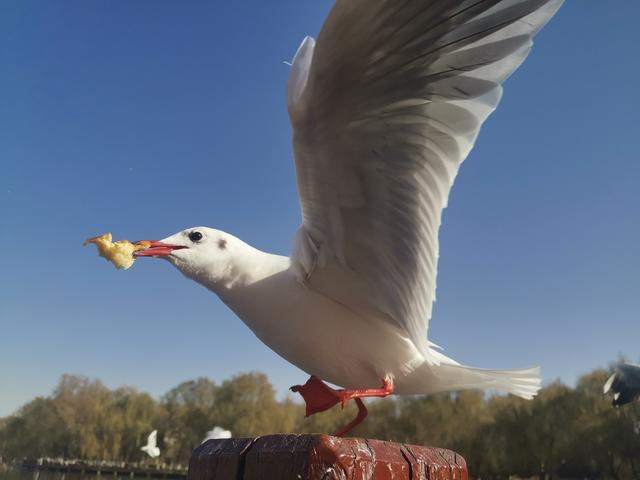
Yinchuan City Yanweihu red gulls started in 2011, from dozens in that year, gradually increasing year by year. Red gulls mainly eat small fish, shrimp, aquatic insects, crustaceans, mollusks, etc. They also eat flies, mice, lizards, and other small animal corpses. They also eat dead fish.
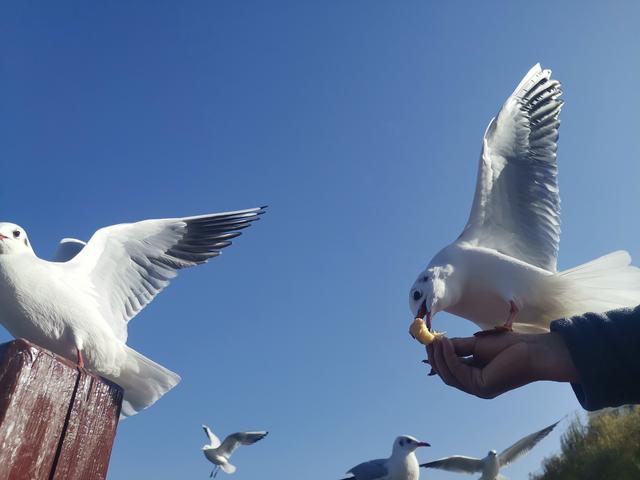
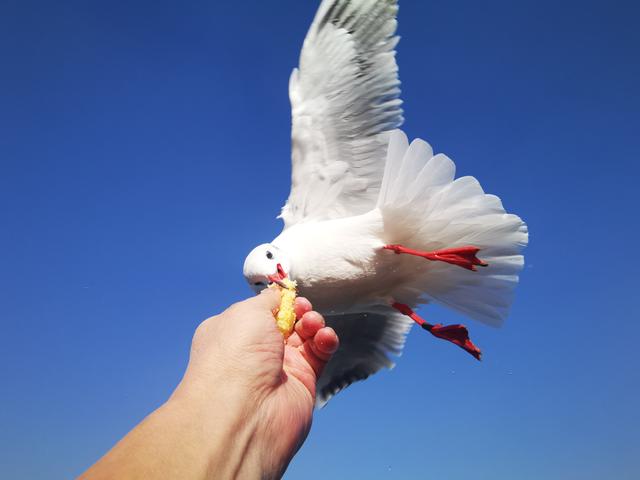
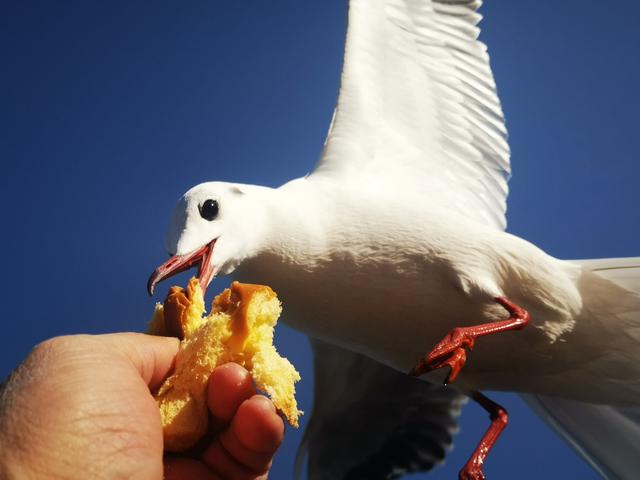
Standing on hands to eat bread
Migration route:
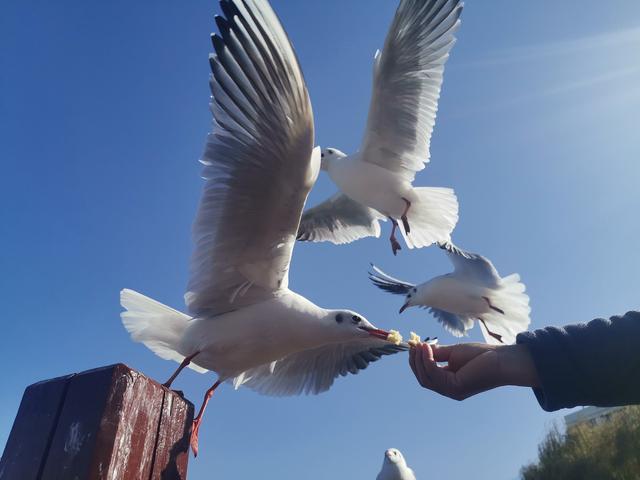
In November 2019, a research team composed of experts from the National Bird Census Center and the Kunming Bird Association recently discovered a new migration route for red gulls. Along this migration route, red gulls overwintering in Kunming fly over the border between China, Russia and Mongolia in spring, and finally arrive at the banks of the Viluy River in Russia for breeding. Researchers also analyzed data to find another migration route for red gulls, which is different from the previous one: some red gulls do not fly west or north to Lake Baikal or the west of Mongolia, but continue to migrate northeast, passing through the border between China, Russia and Mongolia, after stopping at Hulun Lake, they continue to migrate north to the banks of the Viluy River in Russia.
With the theme of 'displaying wetland ecology, viewing beautiful lake scenery, promoting cultural tourism, and gathering guests from all over the world', the Yinchuan City Yanweihu red gulls cultural festival has been held for three sessions, and 2020 will be the fourth red gulls cultural festival.
As the wetland ecological environment in the region continues to improve, Yinchuan City Yanweihu has attracted a large number of red gulls and gradually formed a human-oriented landscape of harmonious coexistence between humans and gulls.
75
75