How to Train a Corgi: What Should the Initial Training Content Include?
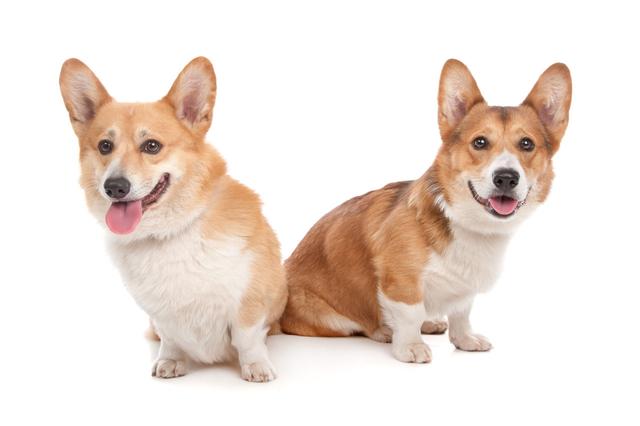
Welsh Corgi is a famous dog breed. Welsh Corgis are divided into two types: Cardigan Welsh Corgi and Pembroke Welsh Corgi. Comparing the two, Pembroke Corgis have a shorter body shape, straighter and lighter legs, while Welsh Corgis have better quality back hair; however, in terms of temperament, Pembroke Corgis appear more restless and easily excited, unlike the more docile Cardigan Welsh Corgis. From King Richard I in the 12th century to the present Queen Elizabeth II, Corgis have always been the pets of the British royal family.
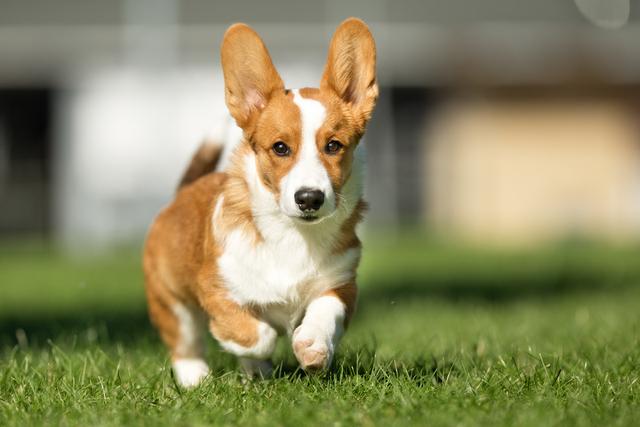
How to train a Welsh Corgi?Training a Welsh Corgi has become my daily enjoyment since I have a Welsh Corgi at home, but sometimes I always feel like my efforts are not yielding the desired results. The editors of Pet Love have adjusted and learned with you to train your Welsh Corgi from various aspects.
The initial training content may include:
Leash training
The command 'sit'
Lying down command in distracting environments
Lying down command during exercise
In addition, you can incorporate balls and wooden toys as auxiliary tools when playing with the dog. Not every puppy will not chase and roll over the rolling ball—the puppy's instinct to hunt is awakened: at this time, it is a brave hunter, eager to catch the rolling ball as soon as possible. If the puppy plays enthusiastically with the ball and catches the ball, the owner can try to call its name to bring it back to its side. When the ball is thrown back, as a reward, the owner should praise it loudly and give it some food.
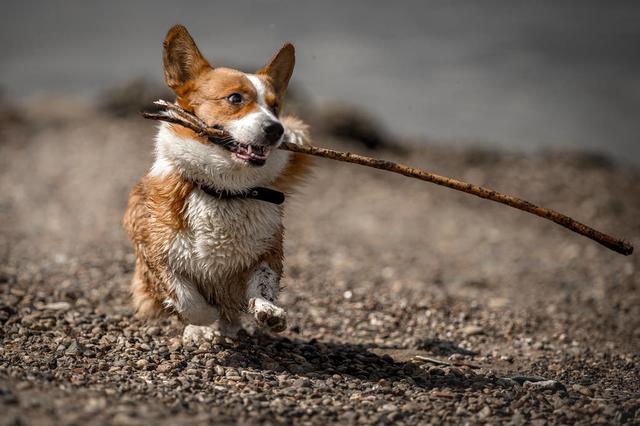
Neck collar and leash
In training, on daily walks, and for the safety of the dog
neck collars and leashes are essential. In addition, neck collars and leashes should be an invisible tether between the owner and the dog, not a tool to oppress and tame the dog. When equipping a puppy with a leash, it should feel very comfortable. If the puppy resists, try to divert its attention (such as through play or rewarding it) and then gently put the leash on it. You can also put a 1-meter leash on the puppy and give it the 'walk' command, which starts the most basic training course—obedience with a leash.
It is important to note: make the puppy understand that after putting on a leash, if it continues to resist, it will feel uncomfortable. For puppies, a sturdy leather leash loosely tied around the neck is a suitable option. In addition, it is important for both the owner and the dog to develop a habit—the dog always walks on the owner's left side.