Animals Also Adopt Children? Their Emotions Are Very Deep.
Animals have a deep connection with their young, just like humans, and adorable animals care for young offspring, even other parents. This adoption situation has been recorded in over 270 species.
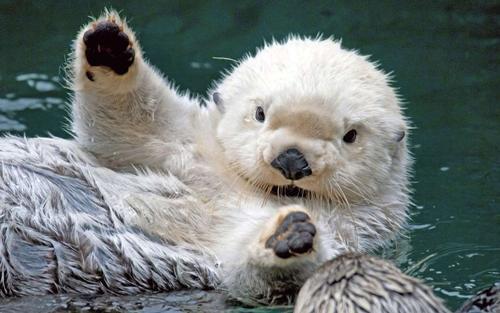
Taking the otter as an example, it helps raise orphaned otters in aquariums. As an otter mother, he not only ensures that the orphans receive a lot of love, but also teaches them how to become excellent otters so that they can be released into the wild.
Animals are willing to give their love as parents to raise other offspring, which is very surprising from an evolutionary point of view. After all, adoptive parents are caring for other offspring carrying someone else’s genes, and caring for offspring must consume a lot of precious energy.
For example, a female polar seal has to eat more than one-third of its weight to ensure it has enough energy to take care of the adopted offspring.
If animals don’t have enough resources to care for themselves and their offspring, they usually give up the smallest offspring.
Caring for small animals also comes at a cost, such as delaying the animal’s reproductive ability. So the question arises: why do they do this? Here are some possibilities.
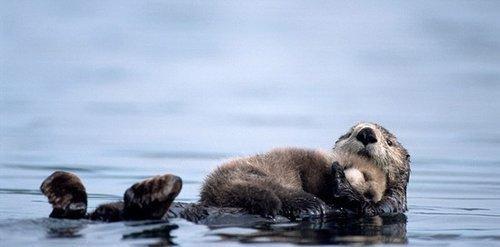
Like otters and other animals, they don’t have to worry about resource problems in aquariums, and they can ensure they have plenty of food and aren’t threatened by predators. The ability to ensure the adopted offspring are well-fed is the most important reason for their inclination to become adoptive parents.
In the natural world, animals have the urge to be parents.
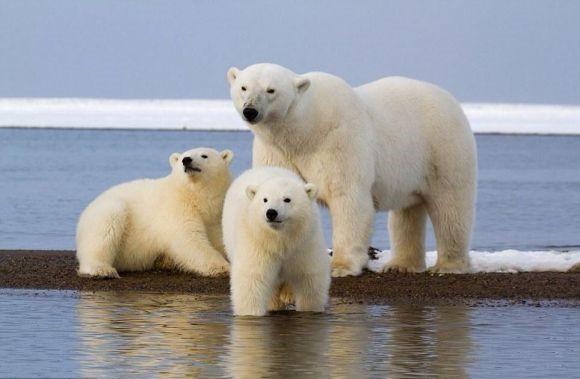
For polar bears, when they lose their cubs during breastfeeding, they tend to adopt other orphaned cubs. Perhaps they still have the hormones brought about by having children, telling them to take care of the baby.
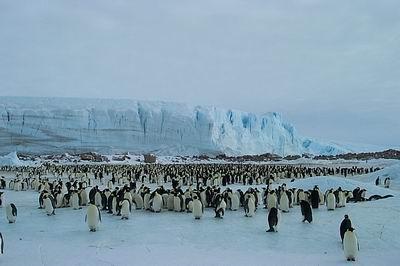
In some species, breeding grounds are very crowded, and it’s hard to say who is who’s child, so parents will care for the ones closest to them.
Maybe the offspring are their sisters or cousins, they share some common genes. Another possibility is "you look after my child, I will look after your child". This often happens among whales and dolphins.
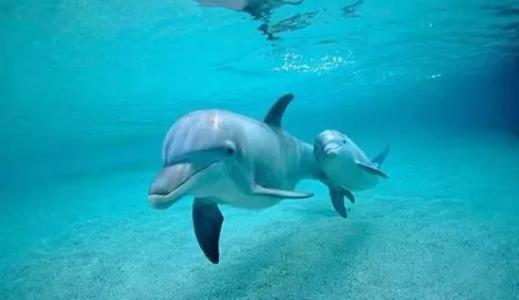
They are like most human parents, sometimes mothers just want to rest and do things unrelated to their children. Temporarily taking on parenting responsibilities is common in social groups.
For these marine animals, they help each other. When they need help or in the event of early death, others will take care of their children.
These temporary caregivers may also learn how to take care of young, which is another major reason for animal adoption.
Research shows that this adoption method is particularly beneficial to biological evolution. There is evidence that adoptive parents may actually become smarter.
A 2015 paper published in the Journal of Animal Behavior. It was found that when African striped mice have a cub, they can better remember the routes they took through the maze, regardless of whether the cub is their own.
This is probably because parenting behavior has changed the brain of mammals.
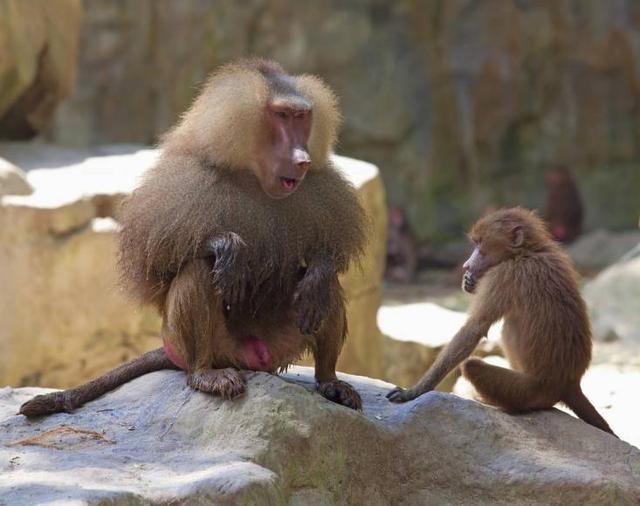
Some animals can improve their position in the group when taking care of children. For example, male baboons can temporarily raise their social status.
Baboons will receive protection from other strong males when taking care of young baboons. Some scientists believe that this technique works because lower animals are using the fact that they are taking care of their children to ensure that stronger animals will not attack individuals taking care of their children. Finally, it’s also possible that taking care of someone else’s children increases the animal’s chances of having its own children.