In cold-climate regions, there exists a thunderbird that does not possess lightning powers but can change its feather colors throughout the year.
In mythology, the thunderbird is a divine bird, carrying lightning with immense power, capable of tearing through the sky. However, in nature, there is also a bird called—thunderbirdwhich is completely different from the mythological thunderbird. In nature, the thunderbird belongs to a bird species native to cold regions, typically residing in cold environments.

In nature, the thunderbird belongs to the family Phasianidae, genus Tetrao, commonly known as thunderbird. There are currently 4 species of thunderbirds worldwide: common thunderbird, white-tailed thunderbird, willow thunderbird, and rocky thunderbird. These thunderbirds have certain flying abilities, but are more adept at sprinting across the snow, lacking the ability to fly long distances.Unlike the thunderbird in mythology, the natural thunderbird also has its unique abilities, being a bird species very good at camouflage. Because the natural thunderbird's plumage changes with the seasons, and is consistent with the environment, it can easily evade the pursuit of predators. In winter, the thunderbird's plumage is white and blends in with the snow, while in the spring and summer, it tends to be gray or brown, similar to the color of vegetation.
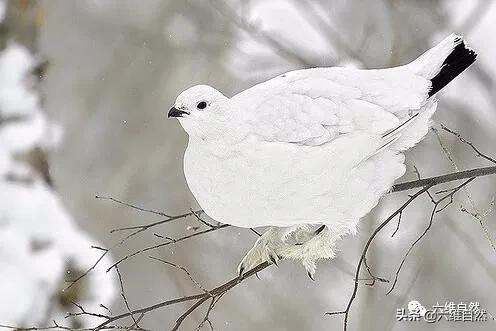
It is one of the bird species with the most varied plumageIf not a thunderbird enthusiast, it is easy to mistake them for different birds in different seasons, especially because the thunderbird's appearance and mountain pheasant have a certain degree of similarity. Therefore, many regions call thunderbirds
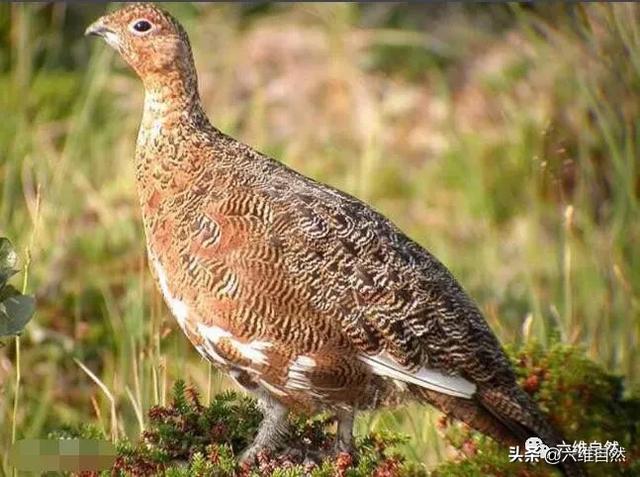

snow pheasantwhich is best described as the Asian Mountain Pheasant, while the thunderbird and mountain pheasant are still different, the thunderbird belongs to the family Phasianidae, genus Tetrao.The thunderbird is a bird species native to cold regions, having already adapted to cold environments. As a herbivorous bird, the thunderbird finds it difficult to find food in the snow, so it prefers to walk instead of flying.
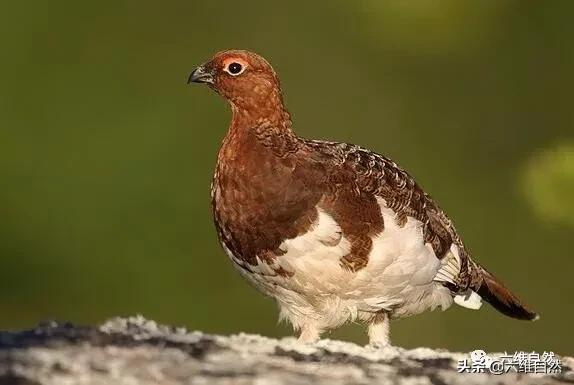
Because the thunderbird lives in cold regions, it sleeps in the snow, so it doesn't get frostbitten? The thunderbird has long-term lived in ice and snow,
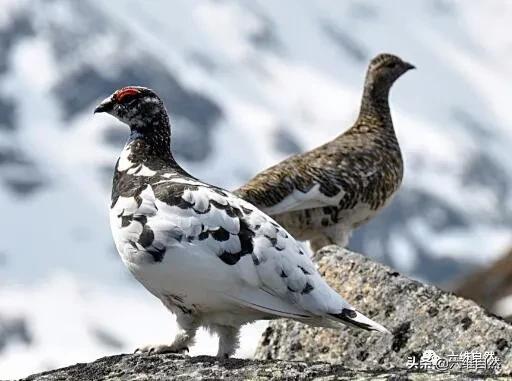
it has long evolved ways to cope with the coldits toes are thick and long, making it easy to walk in the snow and ice. Even the feathers hanging from the thunderbird's nostrils are covered with feathers, which serves to keep warm and is also conducive to the thunderbird's digging for food under the snow!Focus on six-dimensional nature, follow the flow and understand nature!