South Pole Investigation Shows Increase in Endangered Blue Whale Numbers
A new study led by the British Antarctic Survey (BAS) shows that blue whales and other large whale species are making a comeback in Antarctic waters.The three-year Wild Whale Project was conducted near South Georgia Island in the South Atlantic, where in 36 sightings in 2020, 55 critically endangered whales were found, compared to just one in 2018.
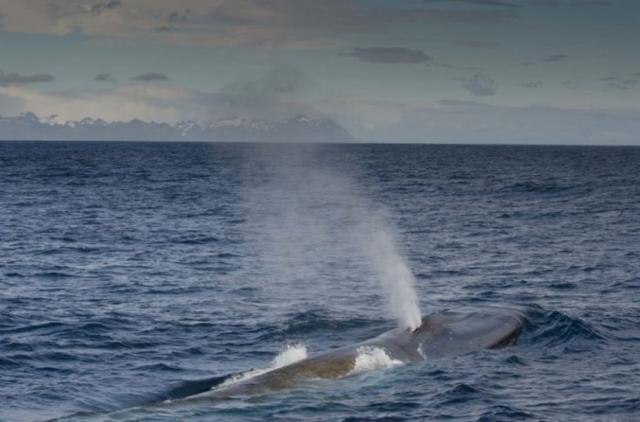
Blue whales can grow up to 33 meters long and weigh 177 tons, and are considered the largest animals ever to have lived on Earth. Even after the International Whaling Commission banned all hunting of the species 43 years ago, the species remains severely threatened, with an estimated total population of 10,000 to 25,000, which is 3% to 11% of the number in 1911.
However, the recent BAS survey, involving 40 researchers from 9 countries, has brought hope for the future of blue whales and other whale species. The expedition took place in the waters that were once the most heavily hunted for blue whales, where over 176,000 whales were caught by whaling fleets over the past 60 years.
BAS says the survey is important because South Georgia Island waters are a key feeding ground for many whale species. The 21-day survey, conducted in 2020, used acoustic methods to locate whales, conduct photo identification, collect skin samples, and track two humpback whales directly.
In addition to blue whales, the survey found 791 fin whales, indicating that the population has largely recovered. The humpback whale also appeared more frequently than in previous years. BAS estimates that approximately 20,000 whales feed in South Georgia Island waters during the southern summer and then migrate to equatorial breeding grounds in the winter. This is a significant improvement compared to the number of whales sighted in the 1990s.
Wild Whale Project lead Jennifer Jackson said: 'After three years of research, we are delighted to see so many whales returning to South Georgia Island to feed. Here there has been widespread whaling and sealing. It is clear that conservation work has been effective, and now the density of fin whales is similar to that of a century ago when whaling began in South Georgia Island.'