Endangered Animals, Desert Spirits – Can Wild Bactrian Camels Return to Their Former Prosperity?
Prior to human economic activities interfering with wildlife, they adapted to their respective survival methods in the natural environment. Due to the influence of natural disasters and numerous human economic activities, many wildlife have become endangered species. How to protect them and their habitat is crucial for saving endangered animals. Today, let's talk about the endangered animal, wild Bactrian camel.
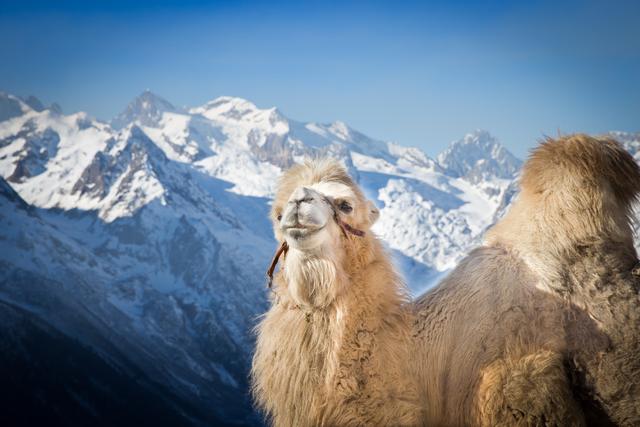
Wild Bactrian camels, also known as Mongolian wild camels, are highly adaptable. Their physical characteristics are very well suited to arid and hot desert climates. They mainly feed on grass, leaves, and grains, and can drink up to 120 liters of water at once. In special environments, they can drink salty water and eat snow and ice to maintain their lives. According to data in October 2002, there were about 950 wild Bactrian camels in Northwest China and Mongolia. The estimated lifespan of wild Bactrian camels is over 50 years.
Wild Bactrian camel length: 3 meters; shoulder height: 1.8-2.3 meters; weight: 600-1000 kilograms. Wild Bactrian camels' mating season is typically in autumn, with a gestation period of about 13 months for females, giving birth to 1 calf, occasionally 2 calves, with an average birth weight of 36 kilograms at 3-5 years old. The estimated lifespan of wild Bactrian camels is over 50 years, 20-40 years in captivity. Wild Bactrian camels are distributed in remote wild areas of Northwest China and Mongolia.
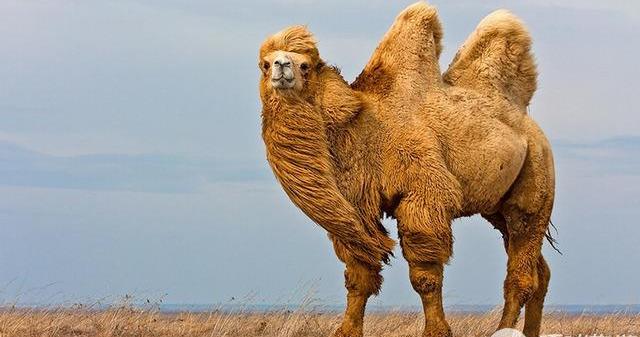
Currently, there are only about 500 Bactrian camels in China, and over 800 in the world, and the number of this rare wild animal is still decreasing and approaching extinction. According to reports, since 1992, the Gansu Rare and Endangered Animal Research Center has captured 6 Bactrian camels from the wild for breeding and conservation, and after more than ten years of breeding research, artificially bred Bactrian camels have reached 16. Wild Bactrian camels only exist in Northwest China and Mongolia, mainly inhabiting the Go Bi Desert, mountain valleys and semi-deserts at altitudes of 2000-2300 meters, or 2400-2900 meters, they are mostly herds, mainly feeding on red willow, sallow and other desert plants.
In September 2005, a scientific expedition team from the Gansu Desert Control and Research Institute accidentally discovered a wild Bactrian camel population in the depths of the Kumtag Desert, but there have been no new reports of newly discovered wild Bactrian camels since then.
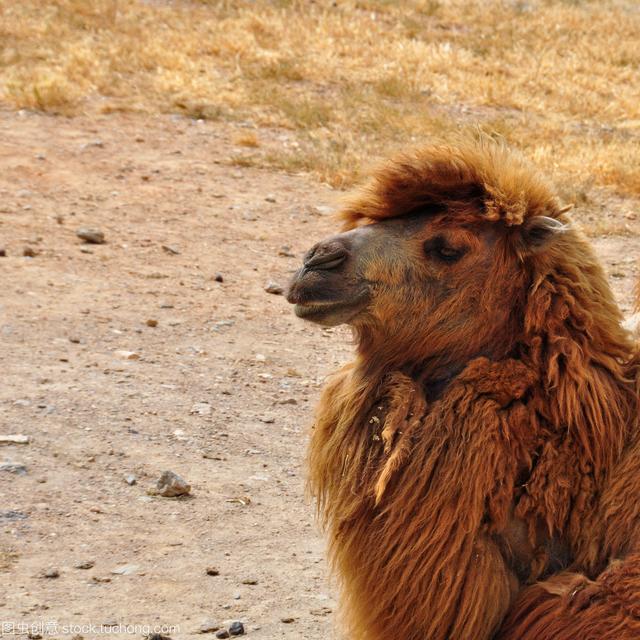
Due to the lack of effective protection measures and slow reproduction rates, the population of wild Bactrian camels is still decreasing. Gansu Rare and Endangered Animal Research Center researcher Zhao Chongxue said that wild Bactrian camels are now more endangered than pandas. Nowadays, it is difficult to see wild Bactrian camels in the Northwest desert area.
The main reasons for the continuous decline in the population of wild Bactrian camels are, on the one hand, changes in the natural environment, which are causing the range of grasslands where wild Bactrian camels live to shrink; on the other hand, with the increasing population and expansion of reclamation, the water sources of wild Bactrian camels are deliberately destroyed. In addition, hunting by humans is also a reason for the decline in the population of wild Bactrian camels.
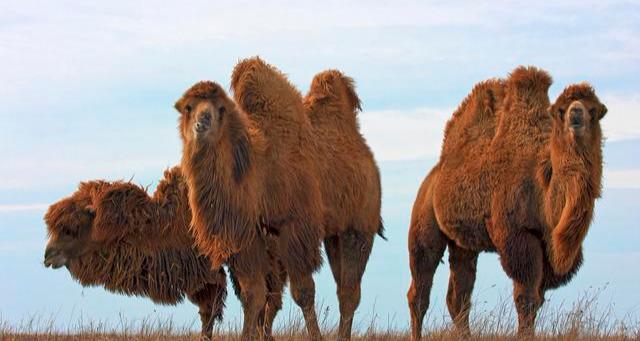
Protecting endangered animals is not just about preserving this animal species, but more importantly, how to protect the survival and reproduction of endangered animals. It relates to the sustainable utilization of this renewable resource, the maintenance of normal ecosystems, and the long-term preservation and benefit to present and future human generations.