How Difficult Is It for Giant Pandas to Be Born?
The newborn giant panda weighs approximately 80-120 kilograms, belongs to large animals, however, the newborn giant panda is very light, only about 100g, less than 0.11% of the mother's weight, while the newborn weight of other mammals is about 3.8% of the mother's weight.
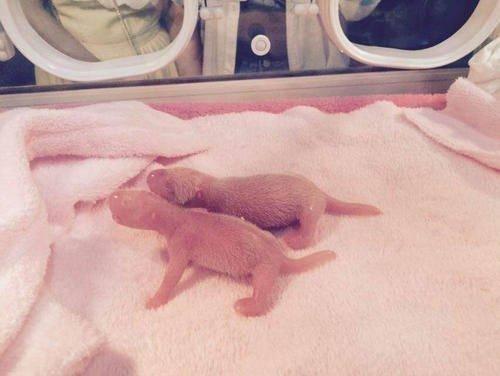
Why are giant panda cubs so light at birth?
Giant Panda Weight
The 'Journal of Anatomy' published an article, which found that giant panda cubs' skulls were underdeveloped, the newborn giant panda's skull was not as mature as other bears, this is because their gestation period was short, and the embryo development was not fully mature before birth.
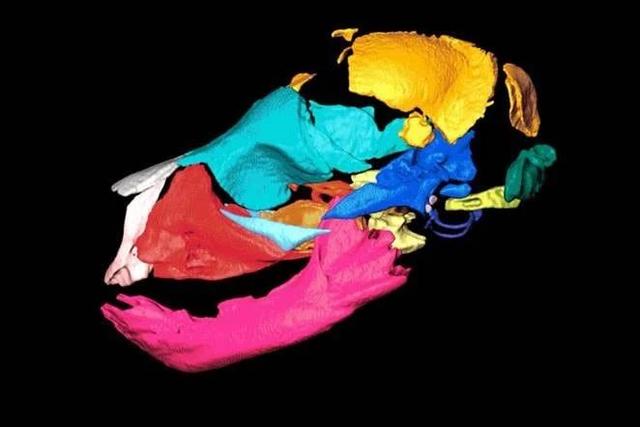
In order to study why giant panda cubs are so light in weight, scientists scanned the remains of two deceased giant panda cubs and reconstructed 3D models based on the scan results.
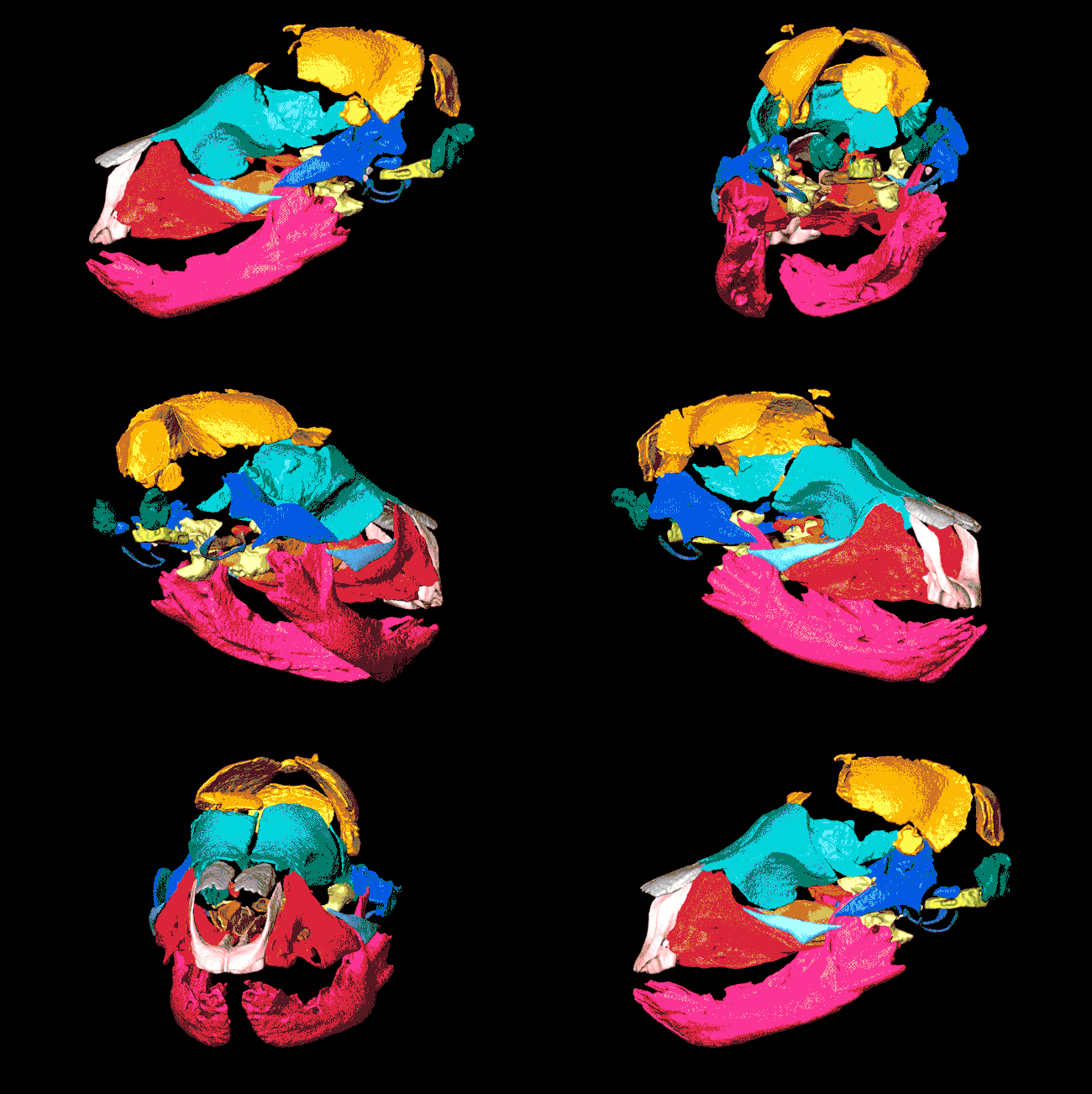
Through this model, researchers found that giant pandas' bones were completely underdeveloped at birth, the developmental level of the giant panda at birth was equivalent to that of a human baby at 28 weeks' gestation.
This is because the time of implantation of the giant panda embryo is too short.
We know that after fertilization, the embryo will float in the fallopian tubes and uterus for several months before implantation and development in the uterus. At this time, the fetus will differentiate and the placenta will connect to the mother, and the mother will supply nutrients to the fetus through the placenta.
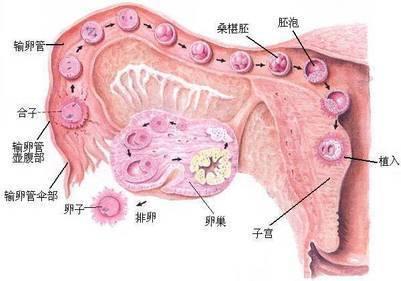
Most bear species need two months to develop in the uterine wall, while giant pandas only need one month. That is, the giant panda's implantation time is later, so it is underdeveloped.
In general, mammals try to give birth to mature offspring to ensure the survival rate of the offspring. For example, the newborn giraffe stands up in about 30 minutes, because if they cannot stand up soon after birth, they may be hunted by predators such as lions.
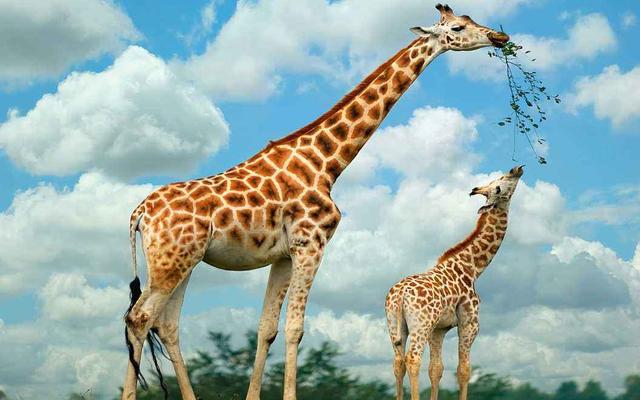
Otherwise, if the species is born when it is not mature, the species may be extinct.
However, the giant panda is an exception, although it eats bamboo,it has carnivorous features, and its teeth are sharp.Furthermore, giant pandas live in areas where there are few large carnivorous animals, and small carnivorous animals cannot catch giant pandas. Even if the giant panda gives birth to immature offspring, it will not easily go extinct.
Just because the newborn giant panda develops very immaturely, the giant panda newborn mortality rate is very high, usually one giant panda has one offspring per litter, if it gives birth to two twins, the giant panda mother will only choose one to raise, because it takes a giant panda mother a lot of energy to take care of a single offspring, caring for one offspring can improve the offspring's survival rate.
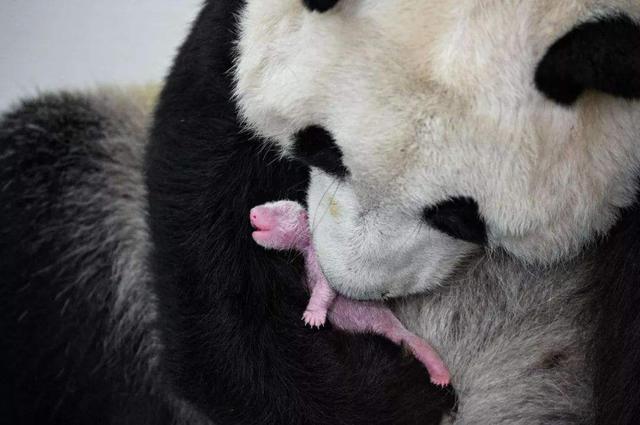
Whether in the wild or in captivity, giant pandas will take care of the cubs for 2-3 weeks,
Giant panda development
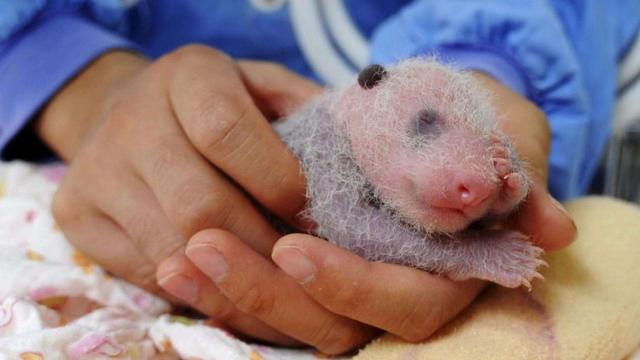
When the giant panda is just born, its body is pink, and its body surface is covered with a layer of fluffy fur.
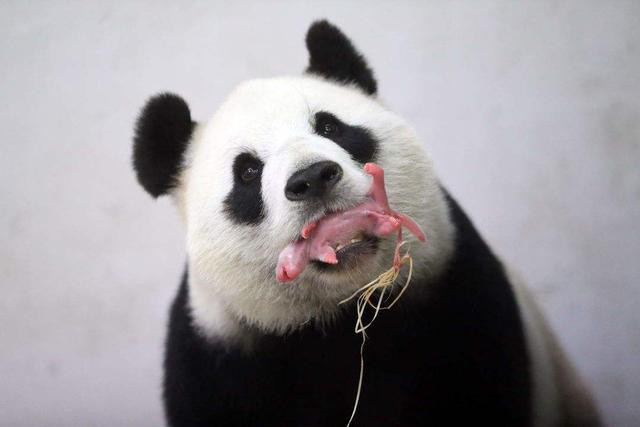
When the cubs are just born, the giant panda will protect them, moving will carry it in its mouth.
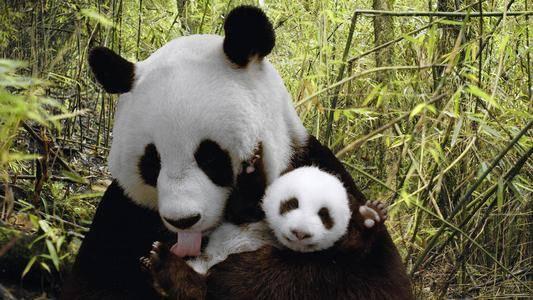
As a mammal, the newborn giant panda is fed by the mother's milk. After feeding, the mother licks the cubs' bodies. Studies have shown that this action can help the cubs defecate.
When the cubs are just born, they do not open their eyes, at this time they are only connected to the mother by sound, when the mother hears the sound, she will respond to the cubs' needs.
After 1-2 weeks, the black part of the giant panda cubs will deepen, at this time the giant panda's outline begins to appear.
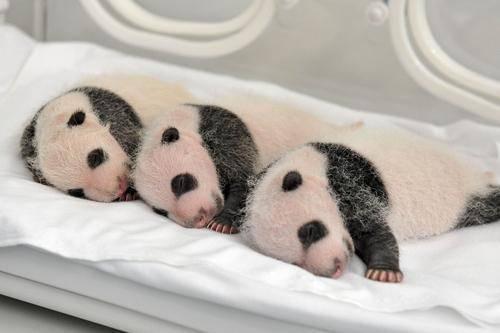
When the cubs are about 4 weeks old, their eyes, ears and legs will grow black hair.
When the cubs are about 6 weeks old, giant panda cubs will open their eyes.
When the cubs are 7-8 weeks old, they will start to grow teeth.
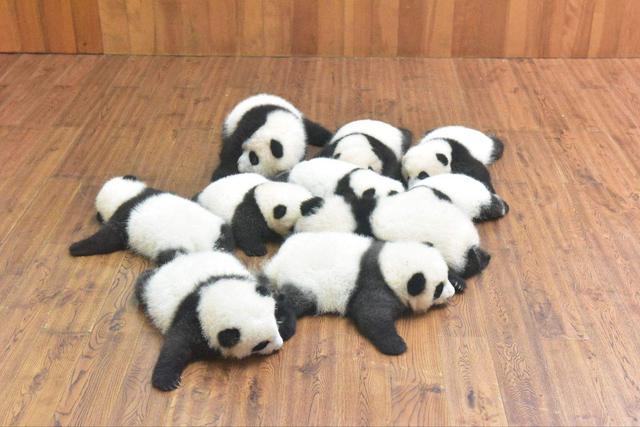
After 3 months, the giant panda cubs will run around, preparing for survival.
After the giant panda weans off, it will still live with its mother for a period of time, during which time the cubs will learn how to find food and which part of bamboo tastes best, and even watch the giant panda's breeding process to prepare for future breeding.
Research shows that if giant pandas learn how to breed before adulthood, their breeding ability will be weaker in the wild, and it will be difficult to leave offspring in animal parks. Keepers will arrange for them to observe many giant pandas to breed.
Giant panda's estrus period is very short, only once a year, each lasting 3-4 days, plus giant pandas are solitary, so the number of giant pandas in the wild is small. When the male giant panda perceives the smell of the female, the giant panda's estrus period may have ended.
In summary
Actually, there are not many species like giant pandas that are born immature and continue to develop outside the womb. Humans are one of them. Humans do not develop fully because the human brain is large, and it is easy for human babies to have difficulty giving birth when they develop fully.