Biology | Why Can Geckos ‘Cut Off Their Tails to Survive’?
You may have heard that geckos have a magical regenerative ability. When they encounter predators, if they can't escape in time, or if there's nowhere to hide, they will allow their tails to be severed, helping them to escape. After a while, the severed tail will regrow.
So, how do good tails manage to break off? What benefits does a severed tail have? Now I will tell you about gecko's ability.
Let's talk about how geckos break off their tails.
Simply put, if the tail is under pressure, the gecko will contract muscles vigorously in the area where the tail is under pressure, and the force generated by the muscle contraction will cause that part of the tail to break off, separating from the body.
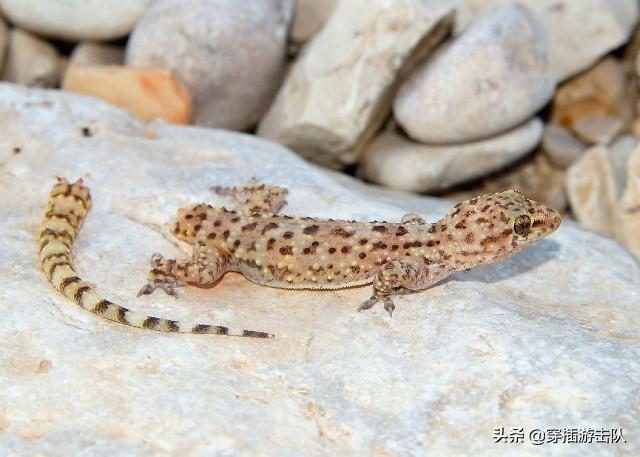
Gecko breaking off tail
So, what is the purpose of a gecko breaking off its tail? This behavior has two effects.
The first effect is that if the tail is caught by the enemy, breaking off the tail allows the gecko to escape the enemy's control.
The second effect is that the fallen tail, because it still contains nerves, it can continue to twist, which will attract the enemy's attention, distracting the enemy. At this time, the gecko can seize the opportunity to escape quickly.
However, although the tail can regrow after being severed, breaking off the tail comes at a great cost to the gecko.
Because the tail is where the gecko stores fat, when the tail is broken off, the gecko loses a large amount of energy. And the regeneration of the tail also consumes energy. This is a big burden for the gecko.
More seriously, without a tail, the gecko's running speed will be greatly reduced. This will affect the gecko's foraging for food, and if it encounters enemies again, it will also affect the gecko's escape.
Although breaking off the tail comes at a great cost, sometimes, even if it's just a slight touch or a fright, the gecko will think it has encountered a dangerous situation and cut off its tail. So I advise you not to carelessly touch geckos!
Okay, now you know the gecko's tail-cutting survival.