Laboratory-bred snake organs can produce real venom
According to foreign media reports, although snake venom usually has a rather detrimental effect on the human body, it is also used to produce life-saving antivenoms and other drugs.As scientists cultivate miniature venom-secreting glands in the laboratory, this venom may soon be more readily available.
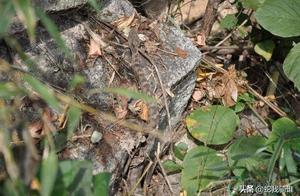
Currently, snake venom is 'squeezed out' from snakes' fangs in special breeding farms—these snakes are forced to bite down onto collection containers. This process is difficult and dangerous for technicians, and they need to perform multiple such operations to obtain usable venom.
As part of an international collaboration, three doctoral students at the University of Leiden in the Netherlands researched another option—the development of miniature versions that can produce venom glands, so that a large source of venom can be easily obtained.
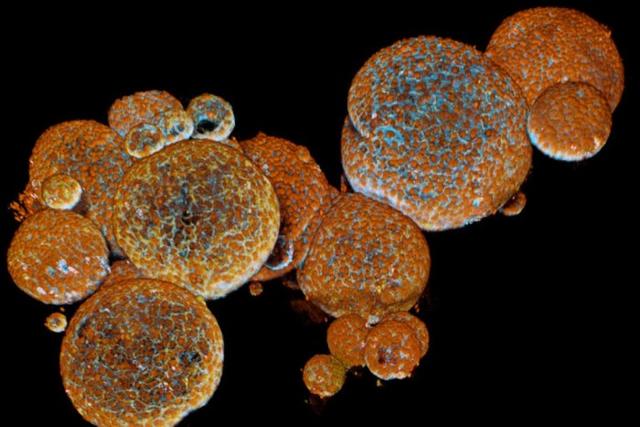
Researchers started with fertilized Cape coral snake eggs obtained from a breeder. The young snakes were removed from the eggs before hatching, and then small tissue samples were extracted from their venom glands. These samples were then placed in gel and added with growth factors. Within a short time, these samples of stem cells became small 'organoids' of venom glands. In fact, they grew very quickly, to the point that each organoid could be broken up and, within a week, could be used to cultivate multiple other organoids.
As known, this small gland is very active. Specifically, its structure is similar to that of actual venom glands containing venom sacs. These structures produce peptides with biological activity, which are very similar to those in live snake venom.
As with neurotoxins in natural venom, neurotoxins produced by organoids will hinder the release of nerve impulses from muscle cells. However, interestingly, by adjusting the composition of growth factors, it may be possible to change the characteristics of the organoid venom, thus making the venom customizable and optimized for its use in antivenoms or other drug development.
'More than 100,000 people die each year from snake bites, mostly in developing countries. However, the method of producing antivenom has not changed since the 19th century. There is a huge unmet medical need for new therapies.' Hans Clevers, the lead author of the research paper said.