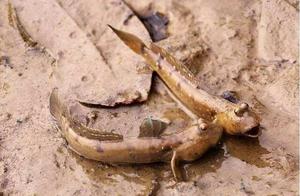
Spoon-billed Sandpipers, Birds with 'Spoons,' Look Like 'Ducks,' Carry Their 'Spoons,' and Are Endangered Species
As everyone knows, every year with a certain season, in order to maintain the continuation and survival of the species, many birds will undertake long-distance migrations. Now it is early March, which is the season when many birds undertake migration.Among these migratory groups, 34 spoon-billed sandpipers (yù) have emerged, which are world-renowned birds.
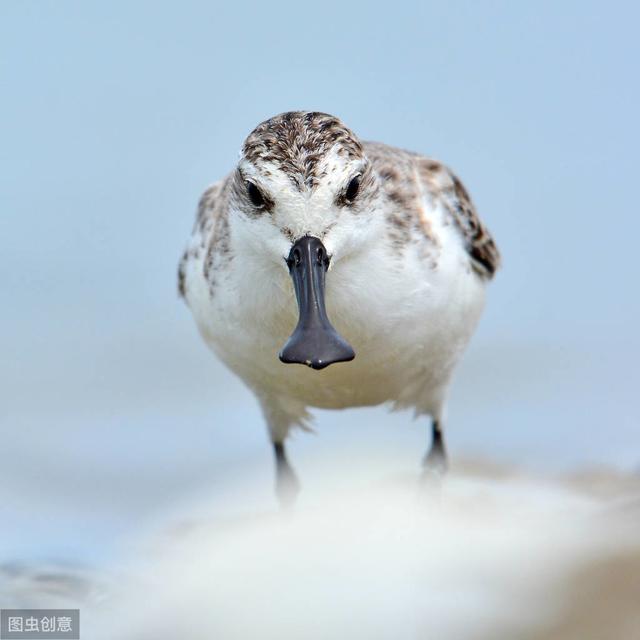
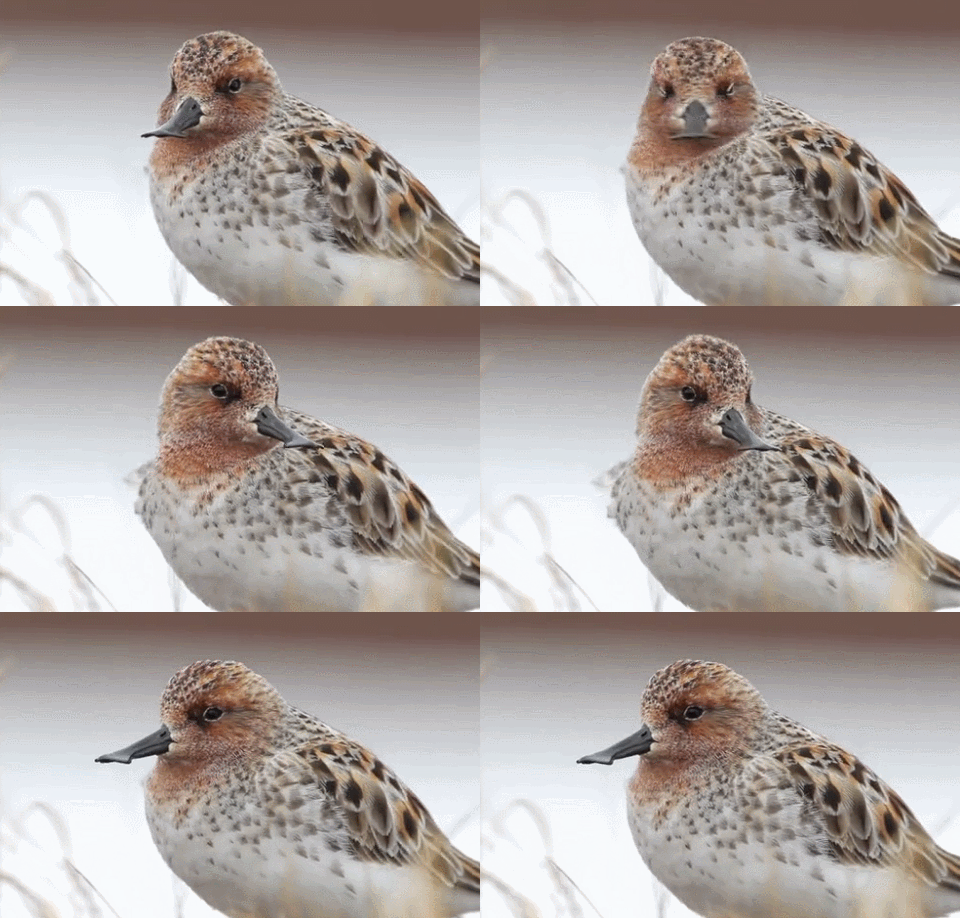
Spoon-billed sandpipers, also known as and. As the name suggests,It has a shovel-shaped spoon-like mouth, which is its most distinctive feature.However, this is not uncommon for birds, as many birds have different beaks, and the shape of the beak is closely related to their long-term feeding habits and lifestyles, so they have evolved into unique shapes in order to adapt to each other.
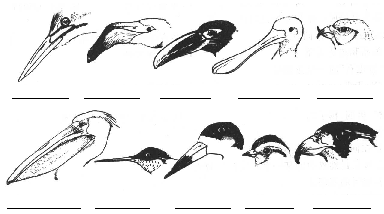
Different bird species have different beaks
Spoon-billed sandpipers are a small bird species, with a body length of about 16 centimeters, with black and brown vertical stripes on its body, and white on the inner side of its abdomen, plus its special spoon-like mouth, it really looks like a small duck. This flat, long black mouth is its feeding tool, they mainly feed on insects, small fish and shrimp, and shellfish, they use their 'spoon' to probe into the water or mud to filter out food for eating, which is very cute, and many people affectionately call them 'Little Spoon'.'Little Spoon' is mainly distributed in the northeastern coast of the Siberian Russian Arctic frozen land, which is also their breeding ground. Whenever it’s close to winter, they migrate to the warm Southeast Asia to spend the winter. During the migration, they pass through many places in China, and these places are also their long journey 'gas stations'. In the coastal mud flats along the Chinese coast, they can rest and feed properly, and then continue to fly.
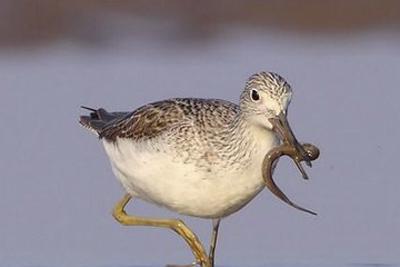
On March 17th this year, 34 spoon-billed sandpipers were discovered in the Zhanjiang wetlands of Guangdong, which is a rare phenomenon of ‘large-scale’ spoon-billed sandpipers found in coastal wetlands in recent years.

This news made many people excited. Why?Spoon-billed sandpipers are one of the most rare birds in the world. Now, this rare species is on the verge of extinction.Human illegal hunting; excessive development of coastal projects; the continuous expansion of human activity range; mining operations endlessly,These are all the ‘straws’ that press the spoon-billed sandpiper to extinction, no one knows which straw will ultimately crush the spoon-billed sandpiper, but please remember, no straw is innocent.It is estimated that in 1976, there were nearly 2500 pairs of spoon-billed sandpipers worldwide, which decreased by about 1000 pairs by 2000, and in 2007 there were only 120-200 pairs of spoon-billed sandpipers, and in 2009 there were less than 100 pairs of spoon-billed sandpipers.
Until now, under the protection policies and joint protection of animal organizations in various countries, there are about 210-228 pairs of reproductively viable spoon-billed sandpipers. It is even rarer than the giant panda, and it is a globally critically endangered bird.
As migratory, they are highly dependent on the environment and climate of their habitats, breeding grounds, wintering grounds, and migratory stopover grounds.
A good living environment is crucial to them, therefore, in the current situation of increasingly severe environmental destruction, there are few clean lands suitable for them to live in. Many spoon-billed sandpipers die during migration, and even when they reach the point of no return.
Now the discovery of their population in the Zhanjiang wetlands of Guangdong is a heartening news.Perhaps in most cases, for most people, 'keeping a distance and not disturbing' is the greatest care for them.

Protecting animals?
We are always talking about protecting animals, so what does ‘truly’ mean protecting animals?Prohibition of hunting, artificial breeding, policy protection, these are methods, but they cannot fundamentally solve the problem.
Habitat destruction and reduction, environmental protection are the key to the problem.Reduce desires, reduce excessive demands on nature, this is the fundamental way to solve the problem.Unwavering, cross thousands of miles and thousands of mountains, just to find a clean land.

'Little Spoon's' appetite is not large, it just wants a land that can support its survival ‘.’.
That’s all.
Written by:
""""
|