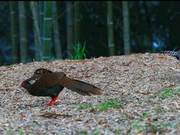
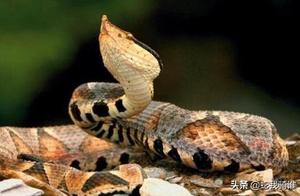
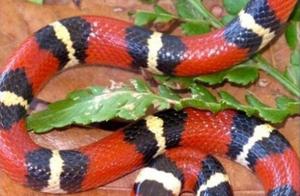
Rural sayings say ‘crows in the sky, mud snakes underground’, referring to the common wild pigeons.
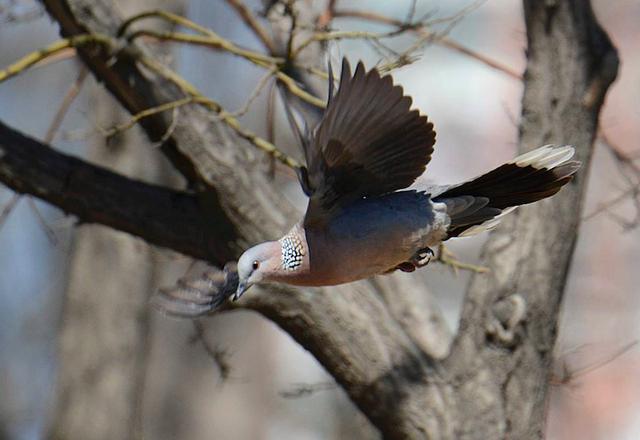
There are more and more 'wild pigeons' in rural areas now, and you can hear 'cooing' sounds every day, with strong penetration, even when far away, you can hear them. When it comes to 'wild pigeons', it is actually a bird called 'Japanese quail'. It looks similar to the pigeons kept in homes, and it's difficult to distinguish it when it's a bit far away. This is how the term 'wild pigeons' came about, but they are completely different birds.
Japanese quails are very beautiful, with elegant figures, and are ornamental birds. If you look closely, Japanese quails come in many colors. The upper body feathers are usually brown, with a white eye-spot on the neck, and a blue-grey top of the head, with grey feathers on the sides, and the tail edge is blue-grey, the middle is brown, and the abdomen is reddish-brown. There are all kinds of colors all over the body, and some have pearl spots on the neck.
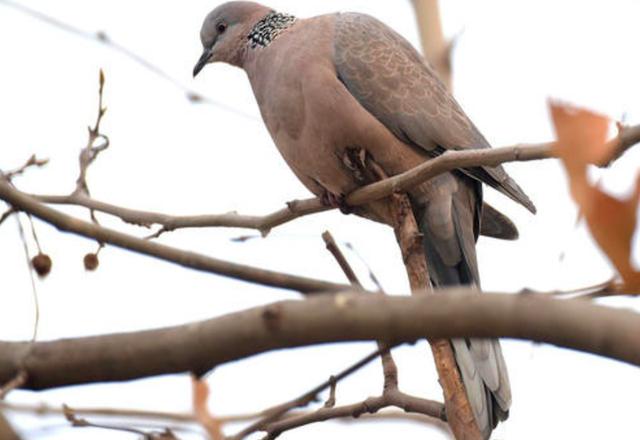
Japanese quails mainly appear in plains, mountains and forests, and because of abundant food and suitable habitat in rural areas, they are most common. Japanese quails usually move in small groups, two or more, making a monotonous and low sound, and are very alert. As soon as they sense any movement, they immediately fly away. It's difficult to photograph them. Japanese quails' diet is similar to that of pigeons, especially liking sorghum, wheat and some fruits, which makes farmers feel troubled. Japanese quails often fly into the ground to steal food. However, the Japanese quail's appetite is limited, and they sometimes eat larvae, which is good or bad for people.
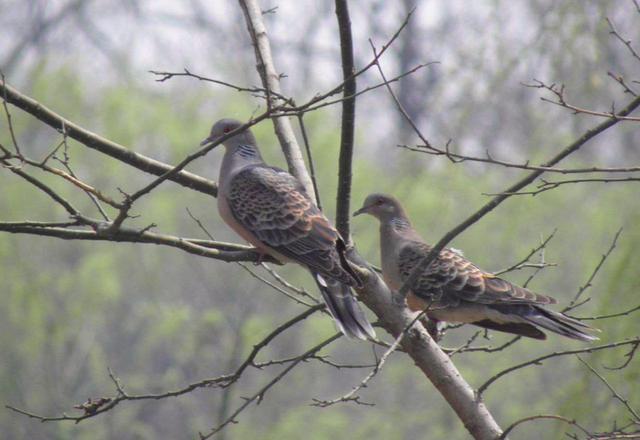
In rural areas, people also observe the weather by observing Japanese quail's habits. It is said that 'if Japanese quails call, it will rain; if Japanese quails call, it will clear up'. If it's sunny, hearing Japanese quails call means it will rain soon, and the more cheerful the call, the sooner the rain will come. If it keeps raining, hearing Japanese quails call means it will be sunny soon. You can also observe Japanese quails coming out in pairs, usually one is calling, and if two Japanese quails call at the same time, it means it won't rain.
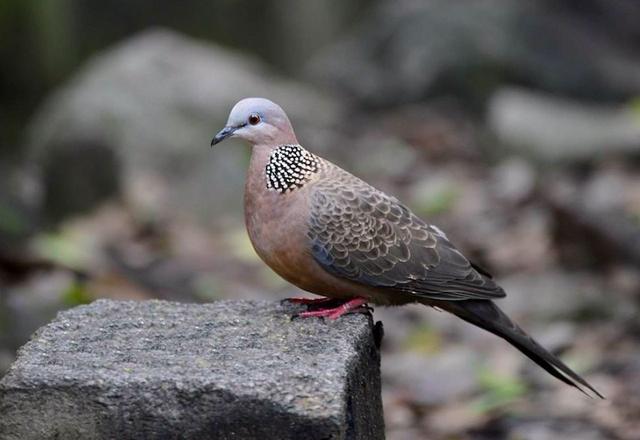
It's a pity that because of a saying 'Japanese quails in the sky, mud snakes on the ground', Japanese quails have become a delicacy to some people. People often steal Japanese quails, there are traps set in the wild, and some people even use flashlights and slingshots at night to catch Japanese quails, just for the pleasure of eating and making a profit. Japanese quails don't have much meat, and they also belong to 'protected animals'. They have many ecological, scientific and social values. It's illegal to catch them, especially during this special period, you must control your mouth.
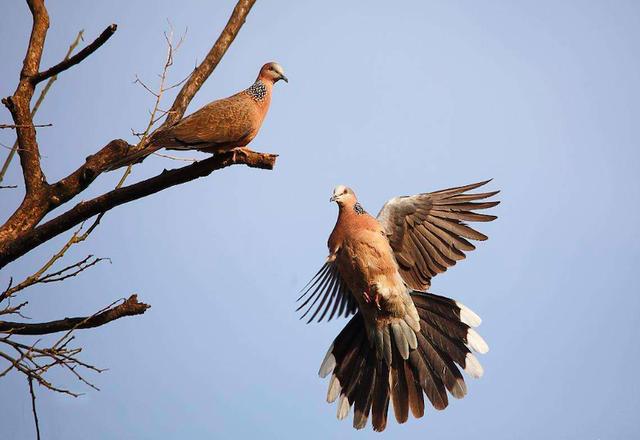
The increasing number of wild animals in rural areas indicates a good ecosystem, and we should have a harmonious relationship with all kinds of wild animals and preserve and provide places for wild animals to breed and grow. A countryside with birdsong and flowers is the most beautiful.