21 Islands of Lianyungang, Including Lian Island, Qinshan Island, Gongan Island, Zhidao Island, Ge Island, and Kai Shan Island
has 21 islands, of which Xīyí Lián dǎo and Dongyí Lián dǎo are the largest in Jiangsu Province, with an area of 7.57 square kilometers. Bìjiàn kǎihǎi (basalt coast) is unique to Jiangsu Province.
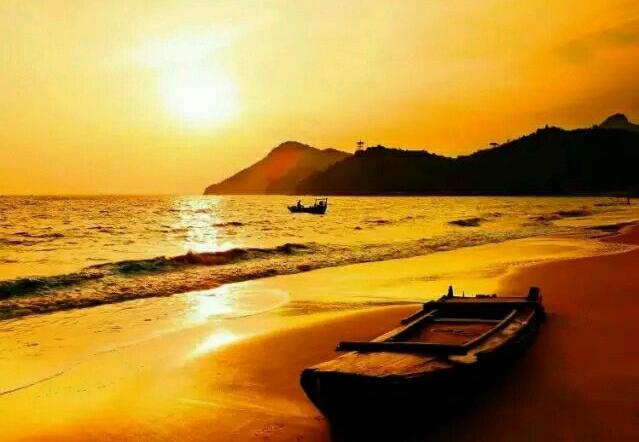
Island Sunset
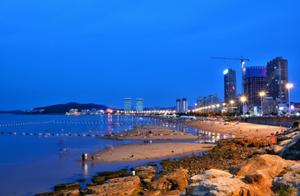
Lián Dǎo () is beautiful in the sea, with clouds and mist surrounding it, resembling an offshore fairyland floating on the vast waves. Here, the mountains are covered in lush greenery, the sea is rippling, and the unique coastal scenery is beautiful and captivating, making it a brilliant gem on the shores of the Yellow Sea. The Lián Dǎo scenic area integrates mountains, sea, forests, rocks, beaches and human landscape features, and is a key component of the Youtaishan Scenic Area, a national-level scenic and historic interest area. Its special geographical location means that the Lián Dǎo resort area has four seasons with pleasant weather, with peaks covered in verdant greenery, with a forest cover rate exceeding 80%.
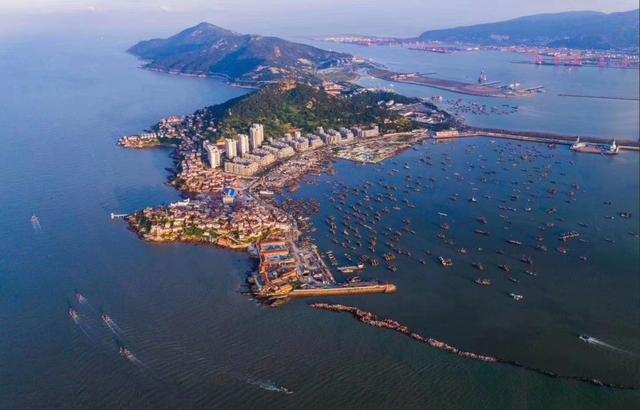
In recent years, Línngǎng has increased its efforts to protect the ecological environment of the sea islands. After two years of ecological protection and restoration, the unique coastal landform on the shore of Yángshān Island has been effectively protected, and the original natural rocky coastline has been preserved. Now, Yángshān Island has become a coastal, water-loving and original-ecological tourism island.
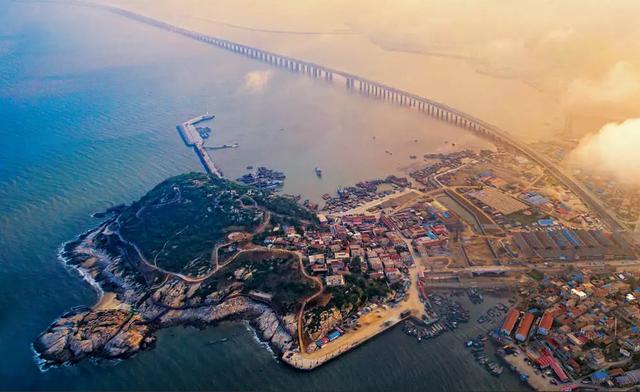
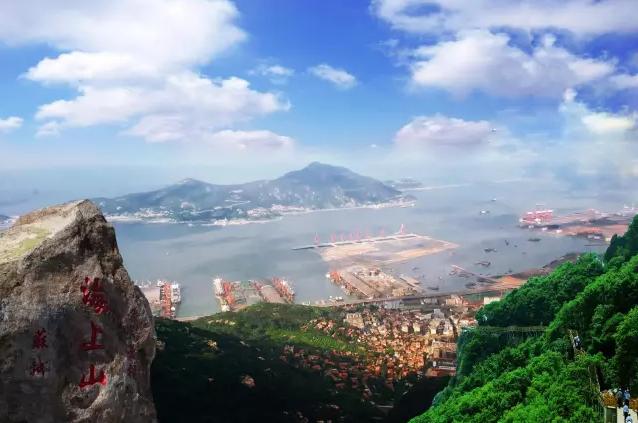
Qínshān Dǎo () is located in (Gànyú) District of Línngǎng City, Jiangsu Province, on the Yellow Sea at 15.3 kilometers east of the new district of Gànyú, with an area of 0.1928 square kilometers. The island is long and narrow, with a single mountain profile, stretching 1000 meters east to west and 20 meters wide, divided into three peaks - East, Middle and West. The West Peak is 37 meters high, the Middle Peak is 32 meters high, and the East Peak is 56 meters high, separated from the Middle Peak by more than 1000 meters. This is the island’s flattest and most prosperous area, and the original military barracks were concentrated here. Now, it is rented out by fishermen. The island has many scenic spots, including the Millennium Pavilion, Li Si Monument, Xu Fu Well, Tian Fēi Palace, Zhùchùtái, Qín Dōngmén and Ancient Cannon Fortress, with Qín Dōngmén reaching 10 meters high, which is spectacular.
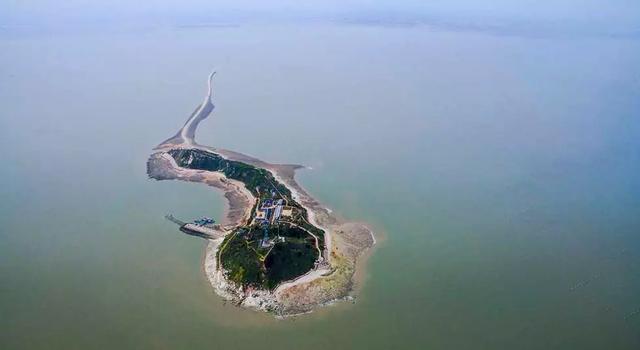
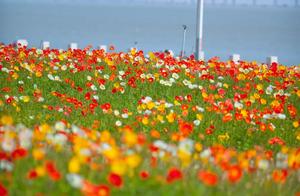
Zhǔ Dǎo () is located in the hukouhe west xisuzhucun north of village of Línngǎng in City, Jiangsu Province. It is named because there are many low bamboo plants on the island. In summer, there are many wild yellow flowers for people to pick. However, there are no residents on the island now, with a natural wild charm. The island is surrounded by sea, with beautiful natural scenery. The area outside the scenic area is connected to the village and port, allowing tourists to enjoy fish feast and fish stay with a flavor of fish home.
(Gē Dǎo) (Pigeon Island)
Originally named Yā Dǎo () (Duck Island), it is said that it was named because it resembled a duck floating on the sea. Later, because there were many pigeons on the island, it was renamed Pigeon Island, abbreviated as Gē Dǎo. However, locals say that the renaming of the island was due to a folk story. To find out this story, please follow the WeChat account and reply “Gē Dǎo Xuánshù” ().
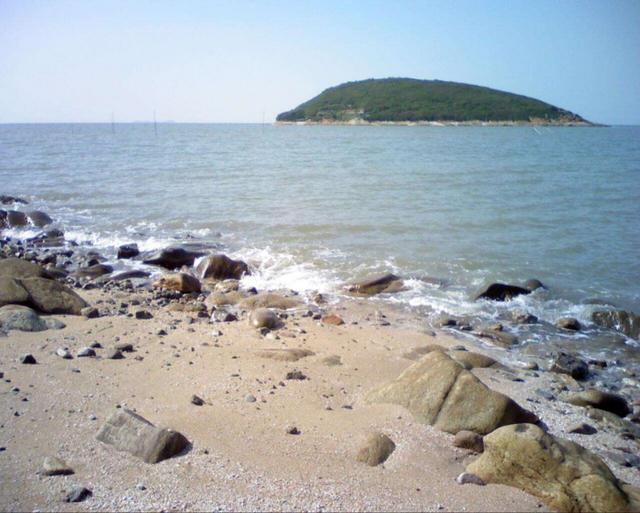
(Kāishān Dǎo) (Open Mountain Island)
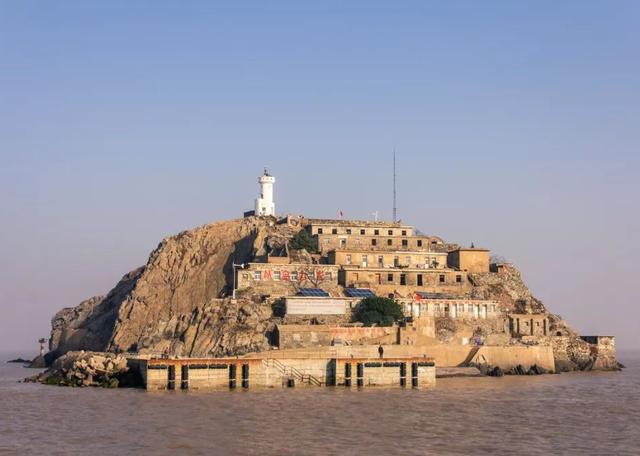
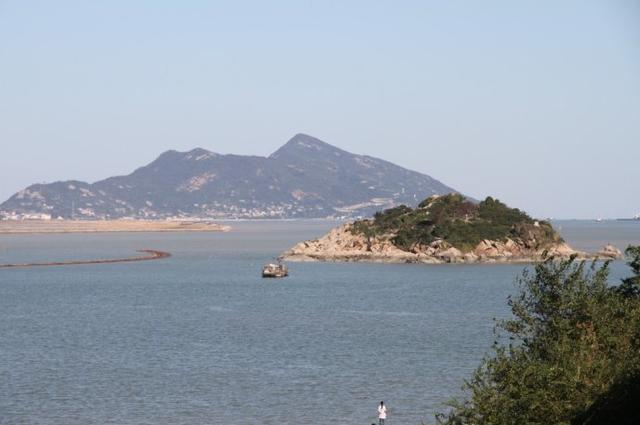
Kāishān Dǎo () is located at the forefront of the Yellow Sea Frontline, adjacent to Japan and Korea’s international waters, a key Chinese national defense strategic island with an area of 0.013 square kilometers. There are no residents or electricity or fresh water on the island, with wild grasses and winds howling, and few human footprints. To open Kāishān Dǎo, you must mention the national hero Wang Jicai. Without Wang Jicai, Kāishān Dǎo would become a paradise for smuggling, spies, illegal immigration, and crime.
0.013