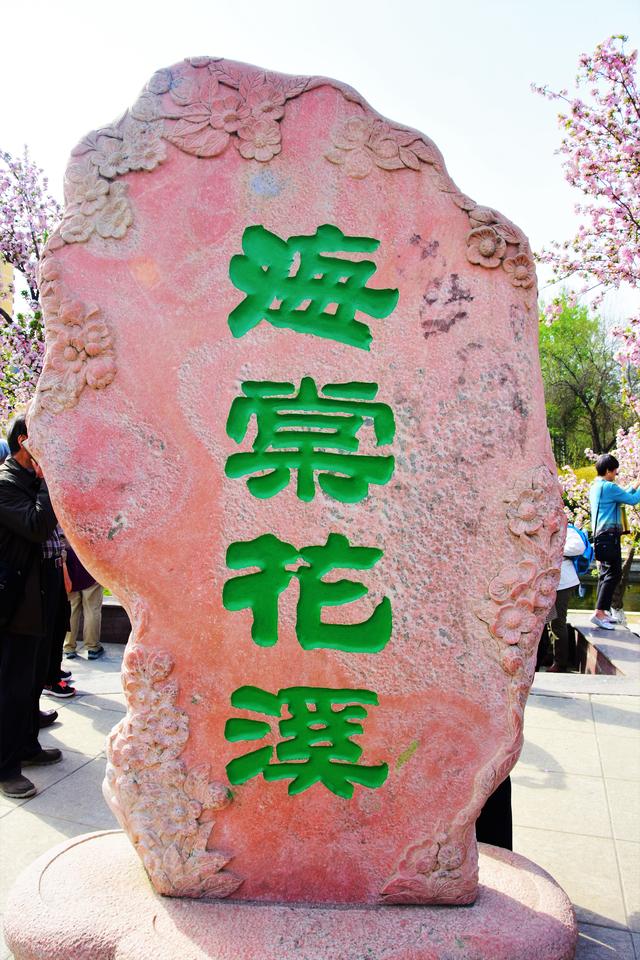
Yuan Dynasty’s ‘Sea Plum Blossom Creek’
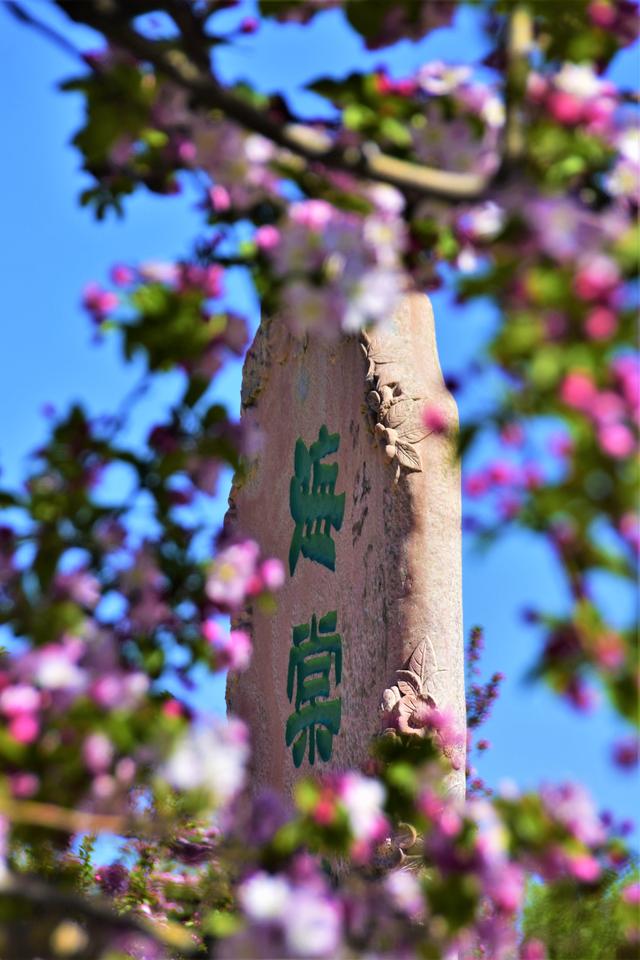
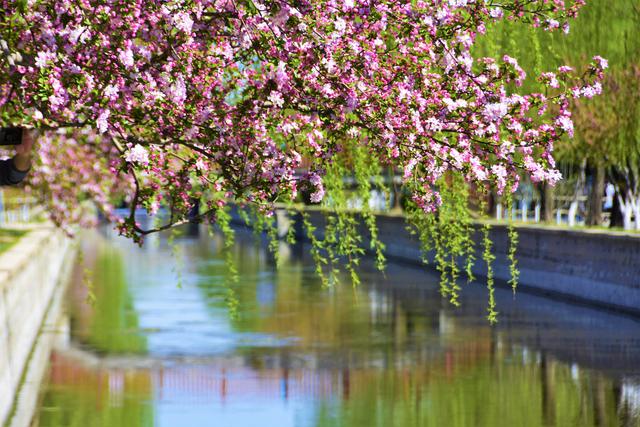
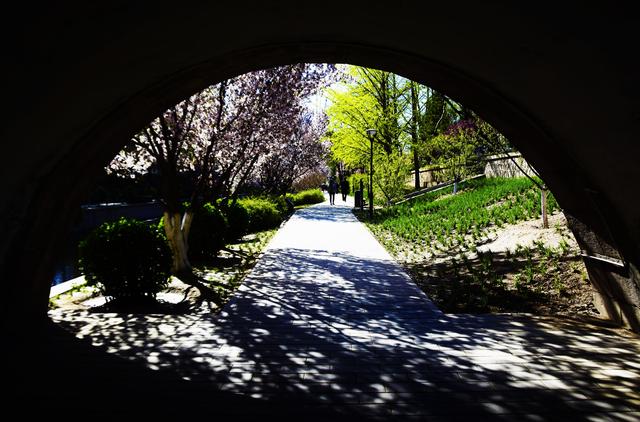
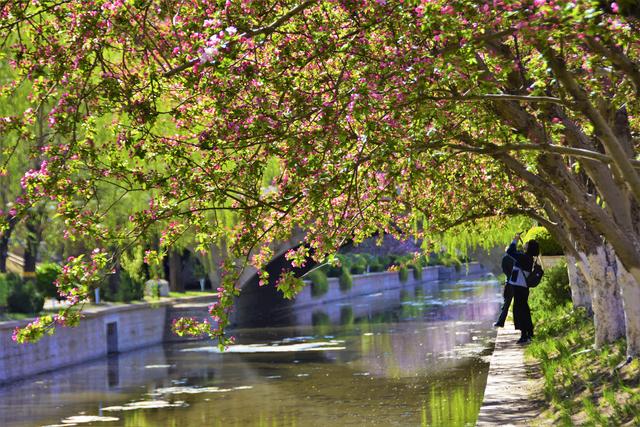
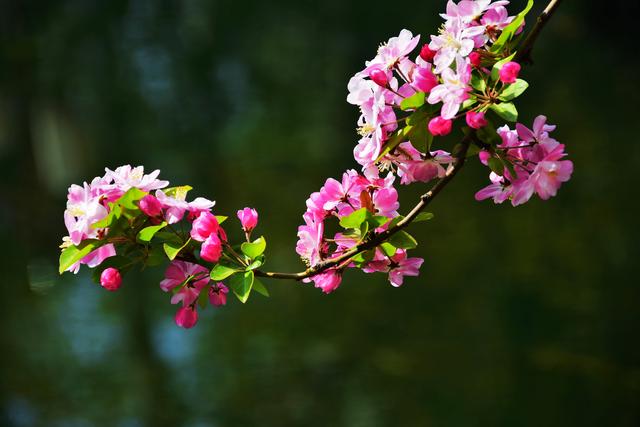
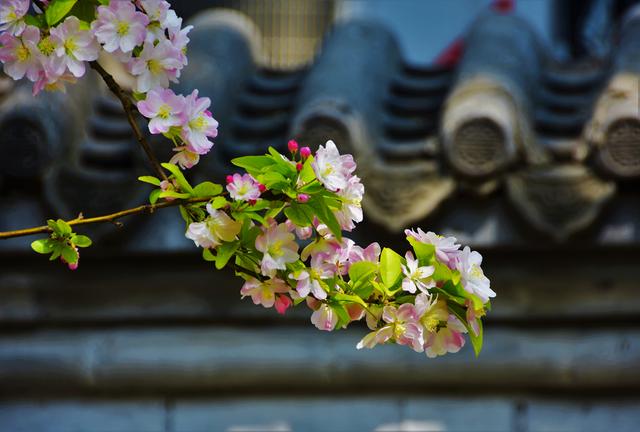
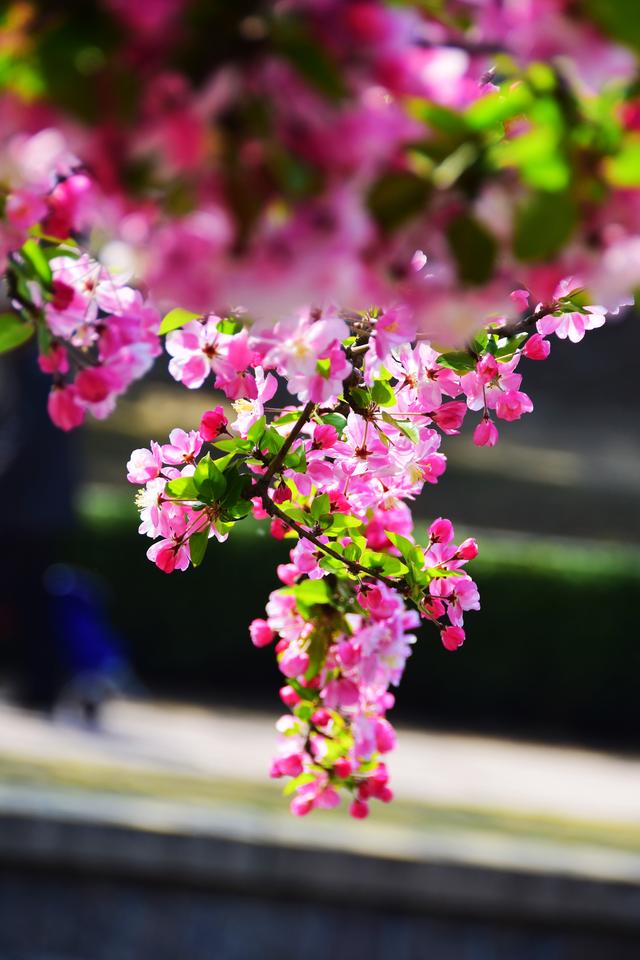
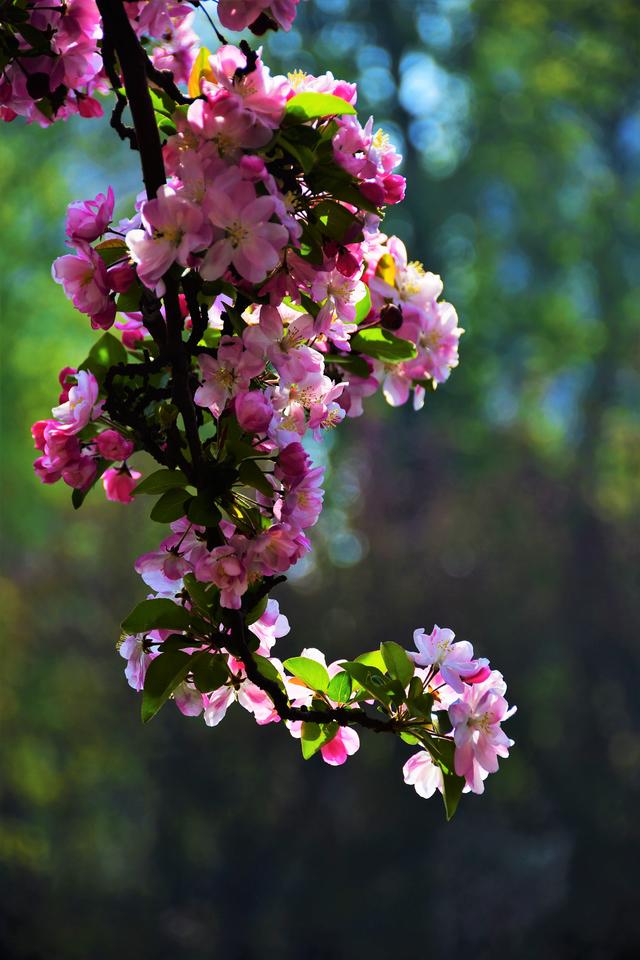
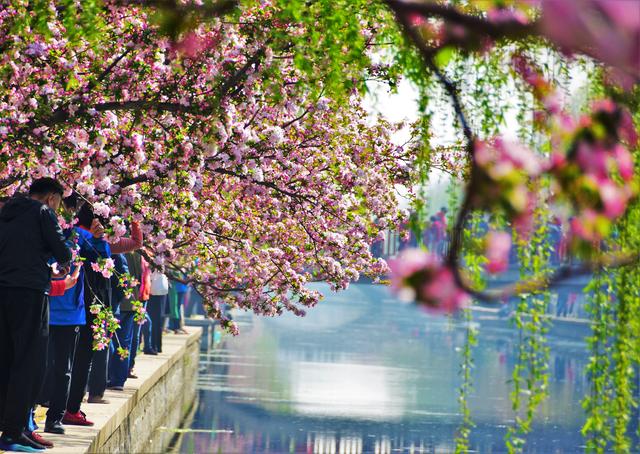
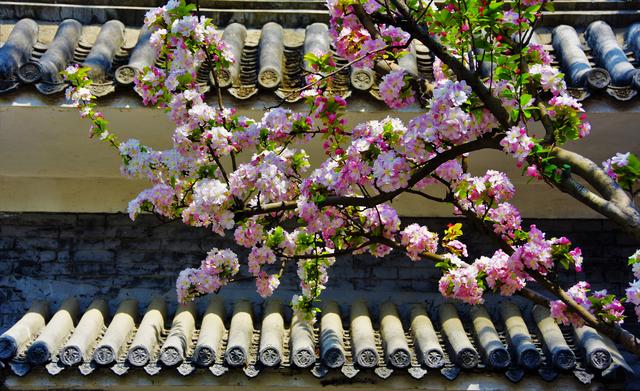
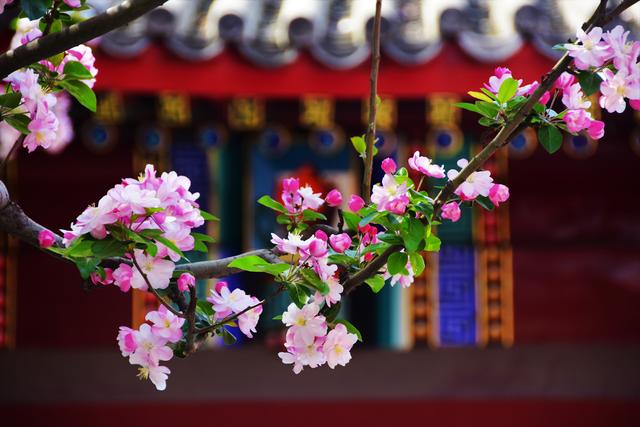
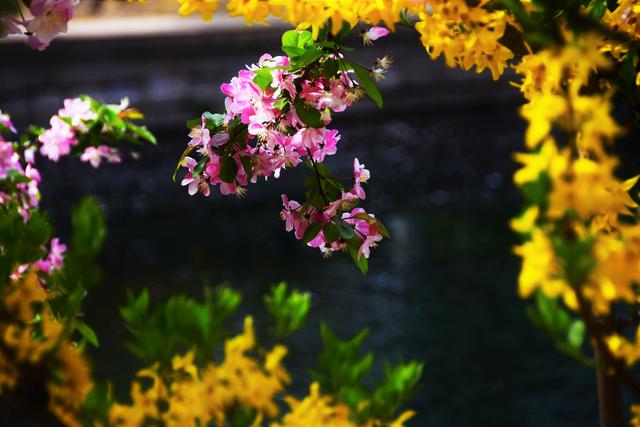
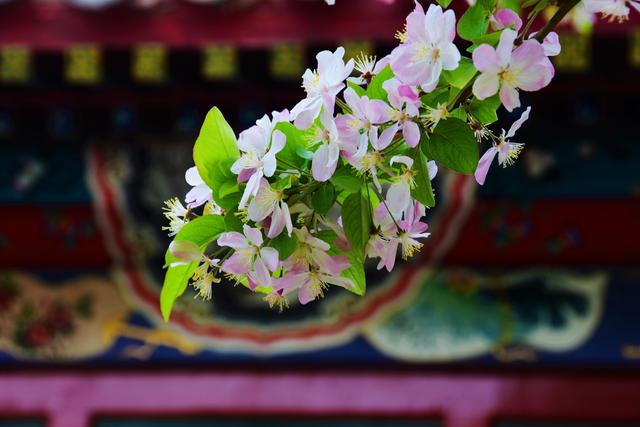
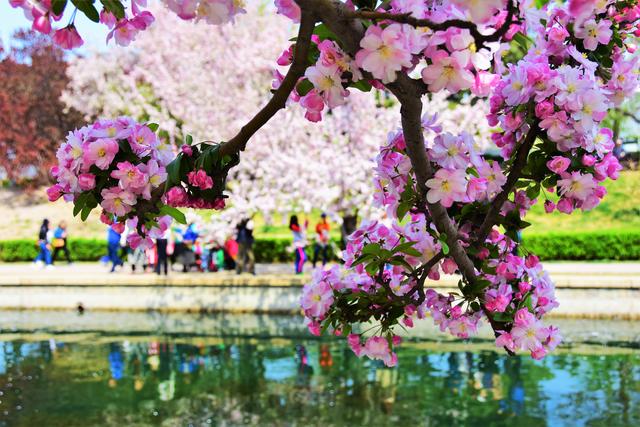
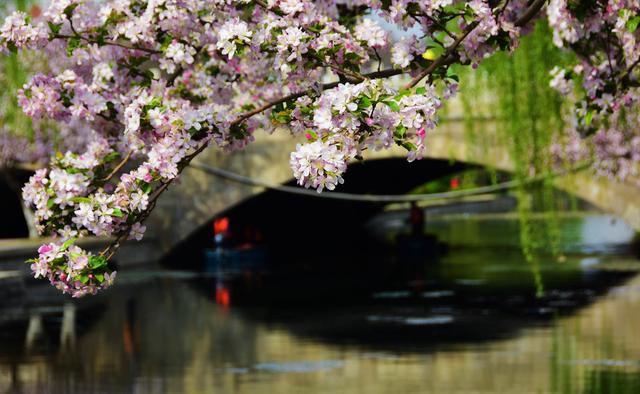
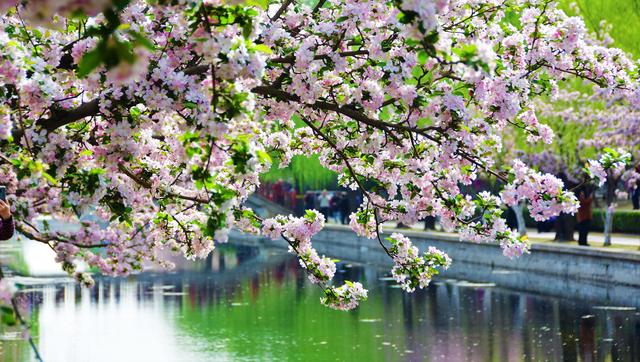
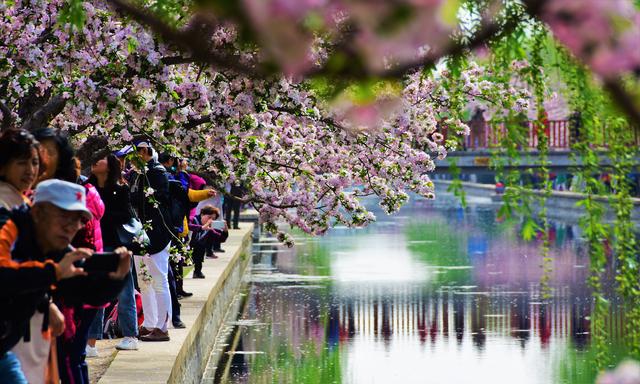
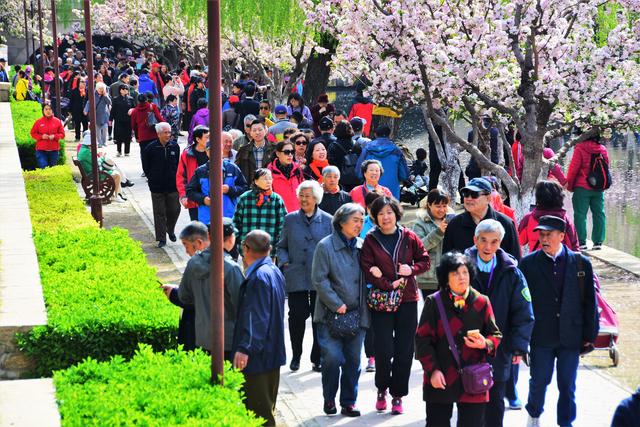
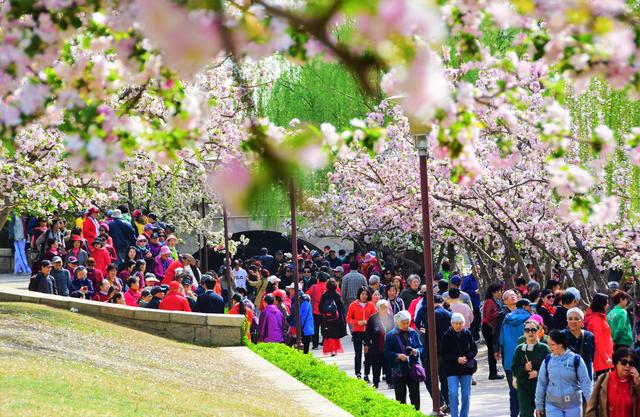
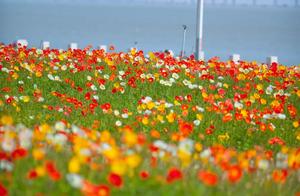
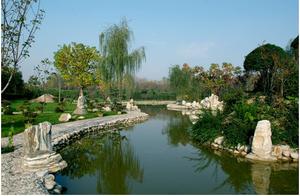
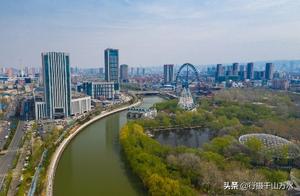
Every April, the Haizi River segment of the Yuan Dynasty Imperial City Park features blooming Weeping Willows and Peonies along the riverbanks on both sides of the west bank, with reflections in the river, creating a vibrant spring atmosphere.
The Yutai City Ruins (also known as the Yuan Dynasty Imperial City Ruins) are located in the northern suburbs of Beijing, in the Haidian and Chaoyang districts. It was established by the Yuan Emperor, Kublai Khan, in the 4th year of the Yuan Dynasty (1267), and the city walls were completed in the 13th year of the Yuan Dynasty (1276). The city walls stretched 28.6 kilometers in circumference, with corner towers at each of the four corners, and the layout was rectangular. The city wall base is 2.4 meters wide, and the walls were constructed of rammed earth, hence the name 'Earth City'
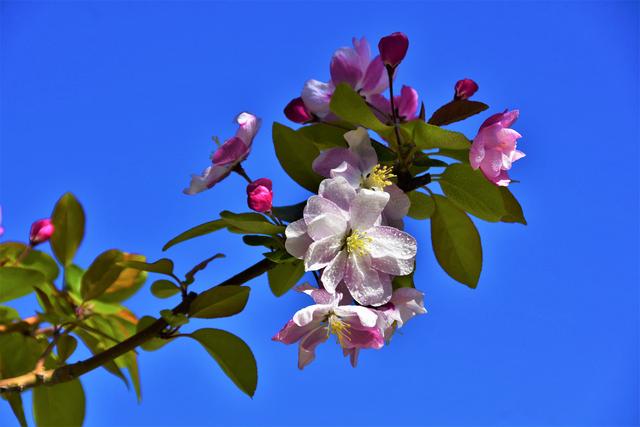
The 'Haizi River' segment within the Yuan Dynasty Imperial City Ruins Park is one of the park's most famous attractions, stretching 1 kilometer long and is the largest and most diverse collection of Chinese Peony flowers in the city. A total of 28 varieties of rare Chinese Peonies are planted, including Weeping Willows and 'Tietong' (Trumpet Peony) varieties, as well as more recent varieties introduced from abroad, such as 2,000 North American Peonies. The west section retains the original characteristics of the park, while the east section focuses on new varieties.