Zhang Haibo Emphasizes: Conducting Excavation, Enrichment, Linking, and Improving Articles to Preserve and Promote the Red Genetic Code, and Create Distinctive Tourism Brands
Zhang Haibo, Vice Secretary of the Municipal Party Committee and Mayor of Wuhai, visited Rongcheng City and Wucheng District to investigate the construction work of red tourism, rural tourism, and folk tourism projects, requiring the focus on excavation, enrichment, linkage, and improvement. He emphasized the importance of protecting and inheriting red memories, integrating and utilizing historical and folk cultures to promote the breakthrough development of red tourism, rural tourism, and folk tourism, providing a full-time, all-area, and all-age tourism experience, and creating a distinctive brand for quality tourism.
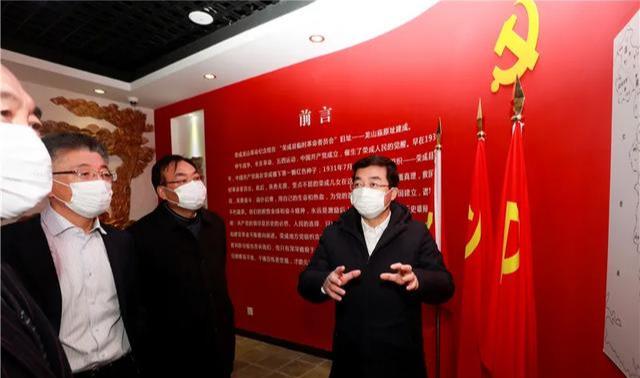
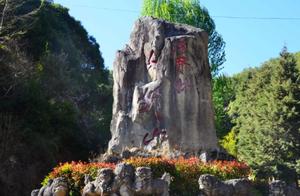
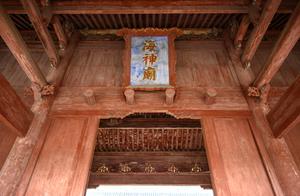
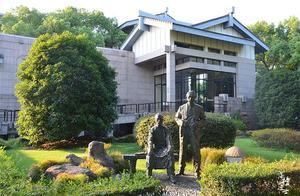
Zhang Haibo and his entourage visited the Old County Committee of Rongcheng, the Longshan Revolutionary Memorial Museum, and the 'Three Armies' West-to-North Garrison Exhibition Hall in Wucheng District's Gejia Town, deeply understanding revolutionary historical events. He personally inspected the red mark exhibition hall's planning and construction situation. Zhang Haibo stated that Wuhai is a revolutionary old district with abundant red traces, and every mountain and village has a story. These revolutionary histories and excellent traditions need to be thoroughly excavated and organized, widely promoted throughout society. Society members and local residents have called for protecting red traces and conducting excavation and organization work, which is of great significance for strengthening revolutionary tradition education. On one hand, protection is necessary to prevent historical traces from being wiped out over time; on the other hand, it should be combined with the construction of exquisite cities, rural revitalization, and rural tourism, allowing red traces to play a better role. In the excavation and organization of historical remains, it is important to restore the historical original appearance and preserve the original atmosphere. Literary and artistic means should be used to convey red stories in a form that is accessible and enjoyable to the public, especially to young people, inheriting red genes, cultivating patriotism, and inspiring a sense of responsibility.
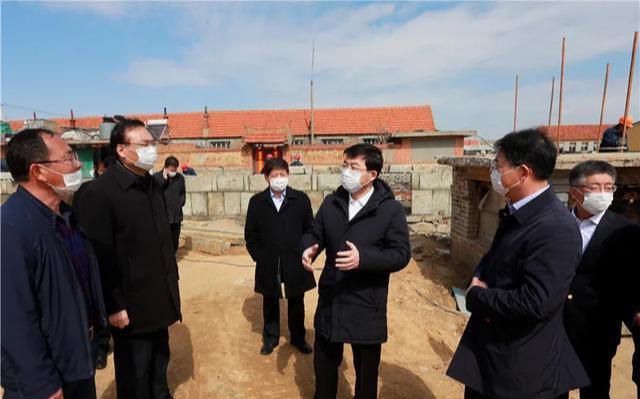
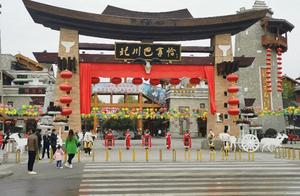
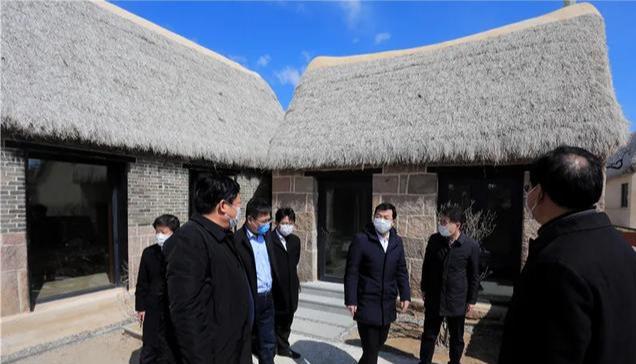
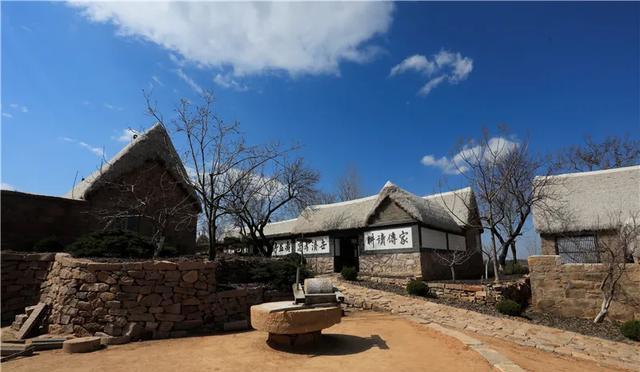
During his visit to Rongcheng City's Xichao Bay Elderly Care Town, Xizai Rural Memory Hall, and Wucheng District’s Kunlong Lake Modern Agricultural Demonstration Park, Zhang Haibo inspected the development of folk tourism, learning about project construction progress, operating models, and distinctive highlights. Zhang Haibo said that folk tourism projects need to be comprehensively planned and designed, considering various factors, highlighting characteristics, and forming a system. If projects operate independently, they cannot achieve scale or series, and cannot make an impact. It is necessary to allow for diversity and innovation, with one village and one characteristic, but also to use brands to create a series, and implement coordinated marketing and promotion. It is important to integrate traditional and modern elements organically, incorporate traditional, regional, and characteristic elements into modern elements, introduce health and wellness new business models, and turn folk characteristics into attractive service projects. Folk tourism projects are about creative design and need to introduce professional companies and teams, focusing on branding and creativity to attract attention. Company operation should be implemented, with unified management, unified service, and unified marketing, and to improve the standardization and regulation level of folk tourism development.
Zhang Haibo emphasized that exquisite cities and all-area tourism are complementary. City construction should be refined, and cultural and tourist development should also be refined. According to the all-area tourism direction, it is necessary to integrate the first, second, and third industries, integrate rural and urban areas, and promote the coordinated development of tourism projects. It is important to thoroughly excavate and enrich historical and cultural features, link them together, and improve the quality and content of tourism products. It is necessary to focus on ‘one main line and ten sectors,’ rationally allocate cultural and tourism projects, and consistently implement them year after year, ensuring that specific projects are carried out one by one. Protecting red traces and developing folk tourism must be closely linked with rural environmental remediation, improving village appearance, and implementing the strategy of rural revitalization, raising the influence and driving force of red tourism, rural tourism, and folk tourism, and creating distinctive brands for quality tourism.
“”