A Wonder of Juncan: A Pit That Is a Mountain, and a Mountain Within a Pit
“Two peaks of green mountains, one stream of water, half a city and half into the mountain,” mentioning the Juncan City and Fuchu Mountains, is well-known to everyone. But besides the Dajian Mountain and Fuchu Mountain, there were once two more mountains east of Juncan City, which are probably little known – they are Zixing Mountain and Phoenix Mountain.
Zixing Mountain is also known as Wenshan Mountain and Wenzitou Mountain, located north of the Dajian Mountain. One of the ‘Jade Pool Yu Nu Lingxian’ – one of the eight scenic spots of Jizhou – is located on Zixing Mountain. Historically, not only Zixing Mountain, but also Zixing Lake and Zixing City were named because of their proximity to Zixing Mountain.
According to the ‘Great Qing Unified Record,’ ‘Zixing Mountain is to the east of Dajian Mountain. It is said that Yu Nu practiced on it, and after achieving success in alchemy, she flew away. There is Bai Jinquan (White Gold Spring), Tie Quen (Dragging Dress Stone), Yu Nu Yan (Yu Nu Cave), and Yu Nu Guan (Yu Nu View). It is said that Yu Nu studied Dao with Xiwangmu and was commissioned to practice alchemy in Zixing Mountain, which is surrounded by mountains and rivers and has beautiful scenery. Later, she developed a mortal desire and fell in love with a woodcutter. The elixir could not be made, and Xiwangmu was furious, so she burned Zixing Lake, dried up Zixing Lake, and took away Yu Nu, thus breaking up the lovers.
Zixing City was built around Zixing Mountain. The exact date of its construction is unknown. It is said that Li Mi, a righteous leader at the end of the Sui Dynasty, once occupied this place and carried out construction, which is the legend of ‘Li Mi sitting on Zixing Mountain.’ In the first year of Song’s Dong’an (988), the county of Liyang, which avoided water disasters, moved its city to this place. During the reign of Song’s Tian Sheng (1023-1028), the Yellow River burst, flooding Zixing City. Later, when the Yellow River changed its course and retreated, the area remained with water, which became Zixing Lake. With the vicissitudes of time, Zixing Lake has long since dried up and turned into fields.
According to investigations by the cultural relics department, the location of Zixing City is 1.5 kilometers north of Dajian Mountain, east to Gaocun and west to Hedangcun, south to Zixing Mountain, and north to Juncan Highway. The north-south length is about 1500 meters, and the east-west width is about 1000 meters, with an area of about 150000 square meters. The thickness of the cultural layers reaches 4-5 meters. A large number of Han Dynasty to Song Dynasty porcelain, stone carvings, and ceramic tiles were unearthed.
There were naturally formed stalactite caves on Zixing Mountain, deep and bottomless, mysterious and strange. According to legend, they are called Yu Nu Guan and Yu Nu Dong (Yu Nu Cave and Yu Nu View). Beside it there is a clear spring, which is always clear and transparent – called Tie Quen. Beside the spring there is a blue stone, and on the stone there are traces, like the traces of a dragging dress, called Tie Quen.
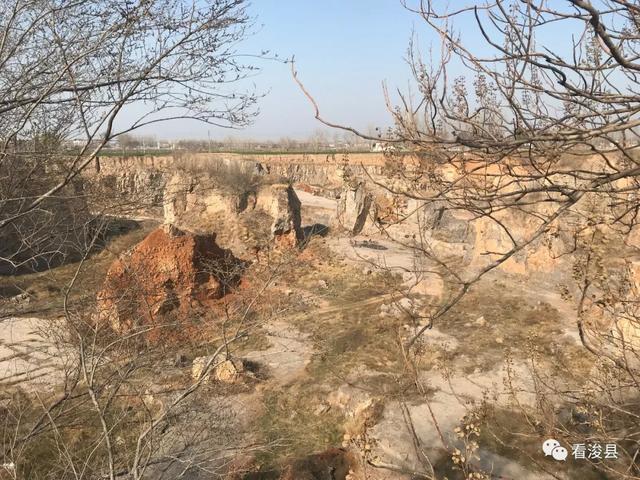
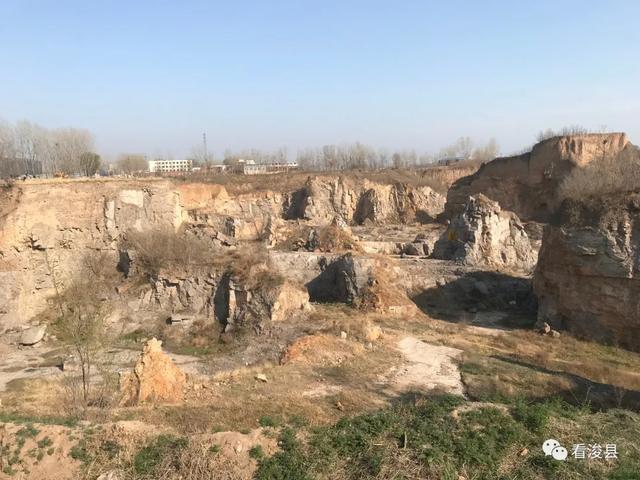
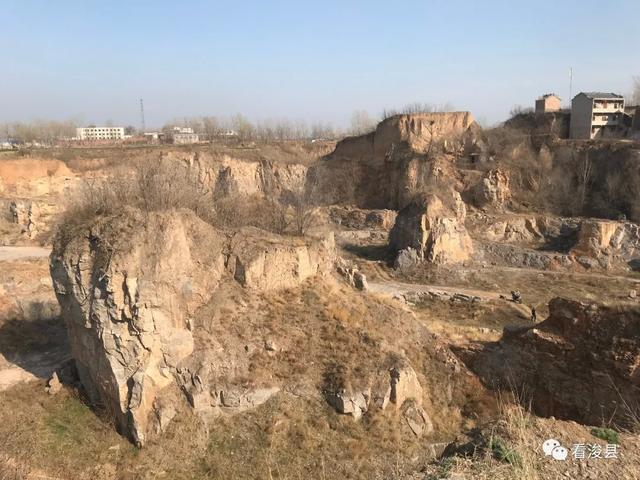
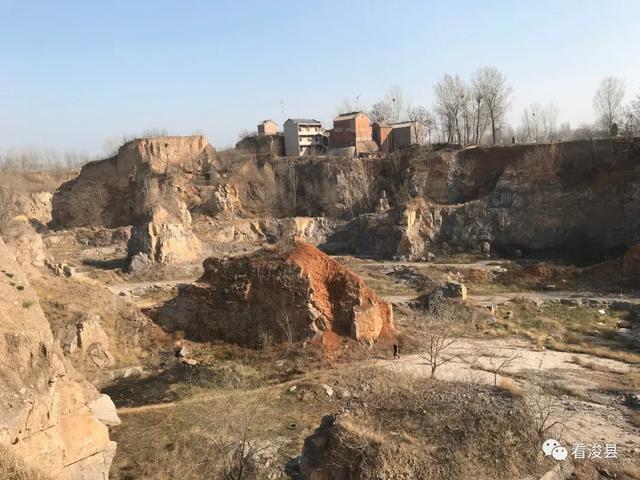
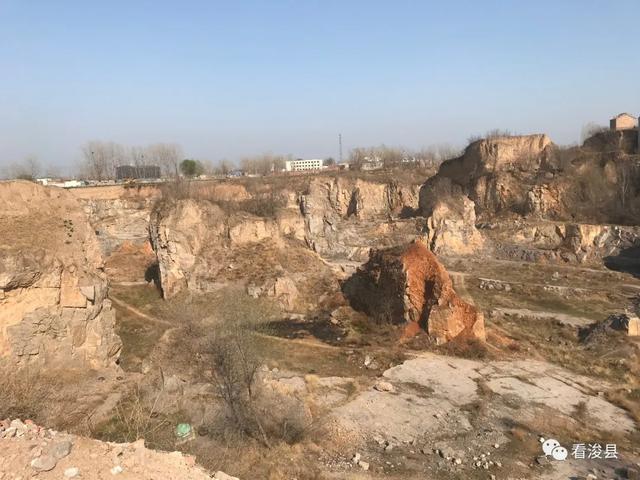
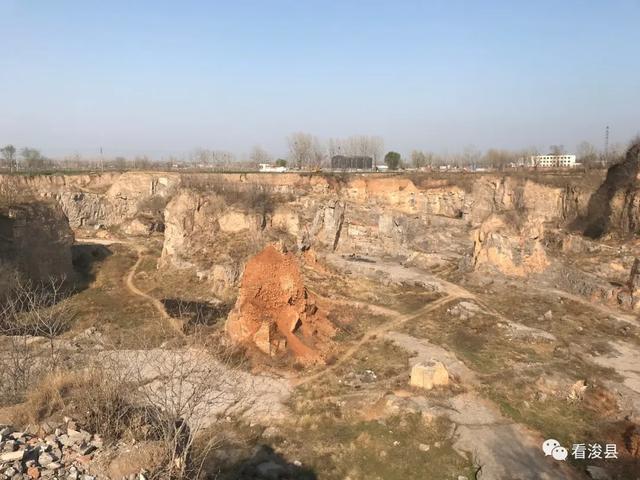
There is also a mountain called Phoenix Mountain west of Zixing Mountain, but because both mountains have bare rocks exposed and are easy to dig up, in 1936, the British began to build the Dochu Railway in Juncan County, starting from both mountains, a large amount of stone was mined and burned, and later the farming production team excavated it. Phoenix Mountain was leveled, and most of Zixing Mountain became a huge pit, so that many people considered it to be Zixing Lake.
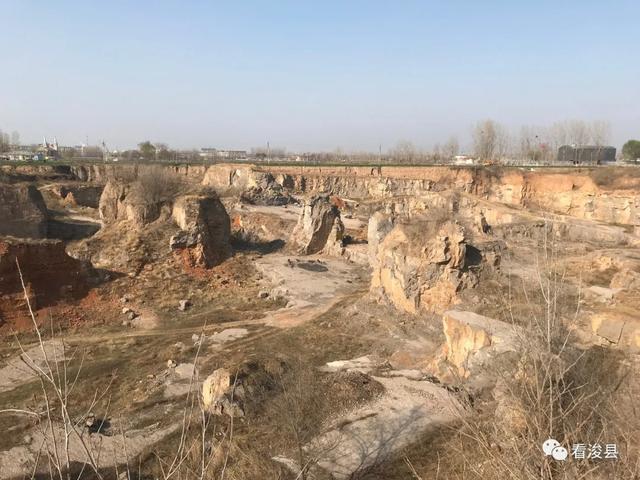
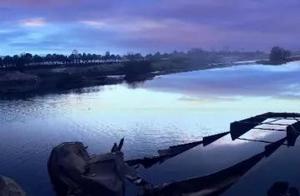
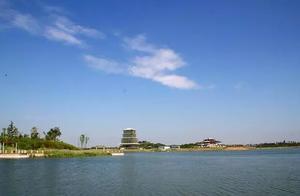
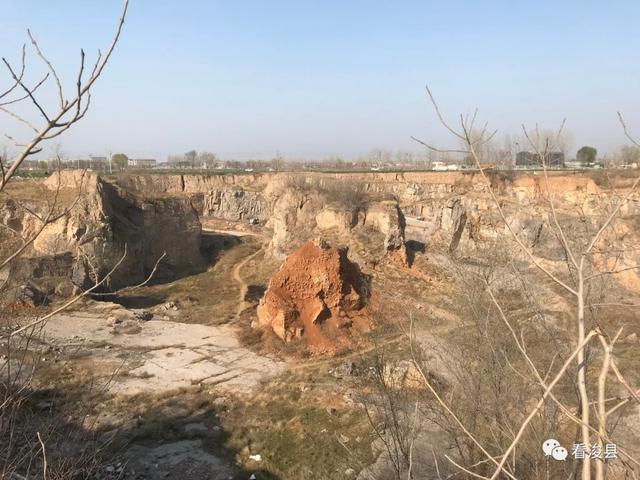
Now, the Zixing Mountain that has been mined into a pit still looks like a landscape, with the remaining rocks in the pit standing like a rock forest, which adds a different flavor.
Source: Look at Juncan