Come to Kanazawa and Spend a Golden Day with Me!
I first became interested in Kanazawa because, several years ago, while researching the art of craftsmen, I came across introductions about Kanazawa's gold leaf, which was said to be the most famous and well-preserved place for gold leaf craftsmanship in Japan. After listening to the descriptions of the Kanazawa region, I secretly made a resolution to visit Kanazawa, the 'Gold Leaf Capital,' to witness the skills of the gold leaf artisans. And in the Kanazawa region, the places that preserved ancient Japanese buildings and techniques were mainly located in the East Tea Street. Experiencing this unique area that still retains the atmosphere of Edo period in the modern city was an important part of the trip.
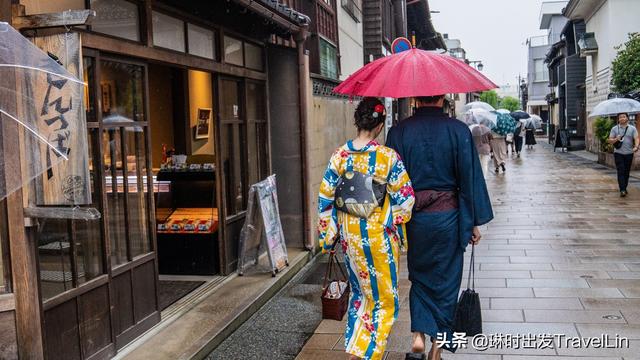
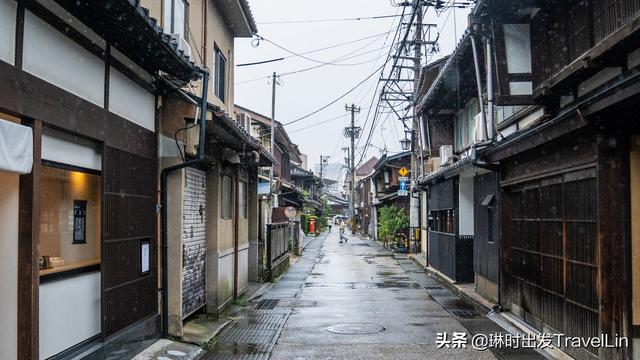
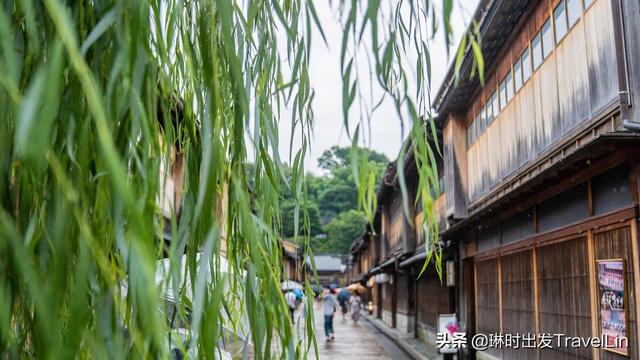
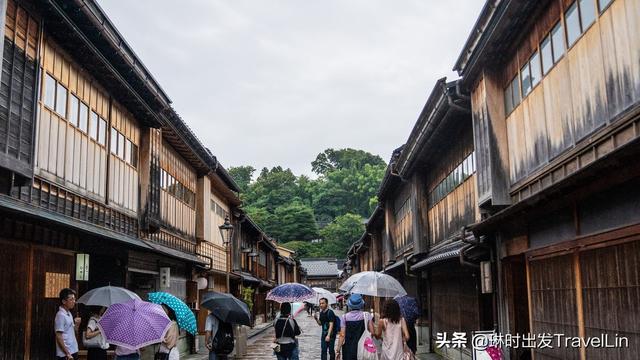
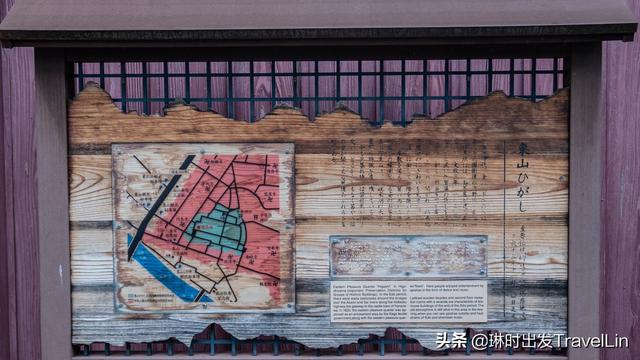
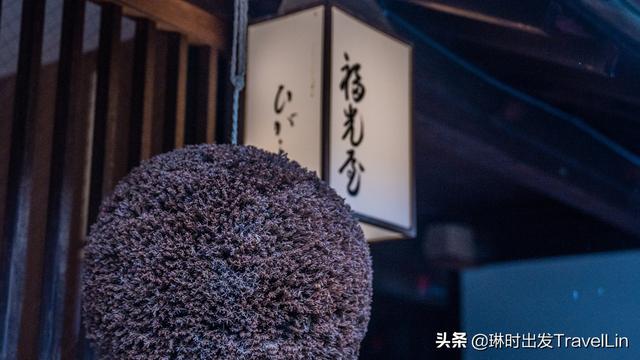
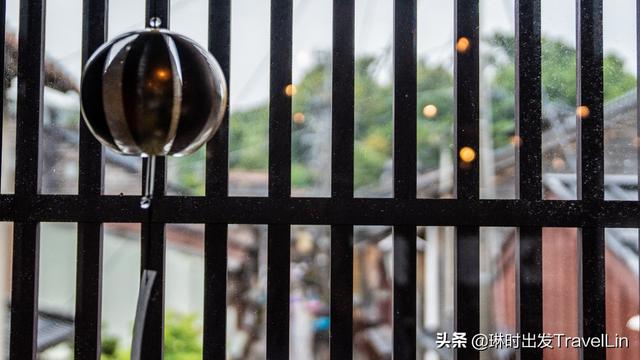
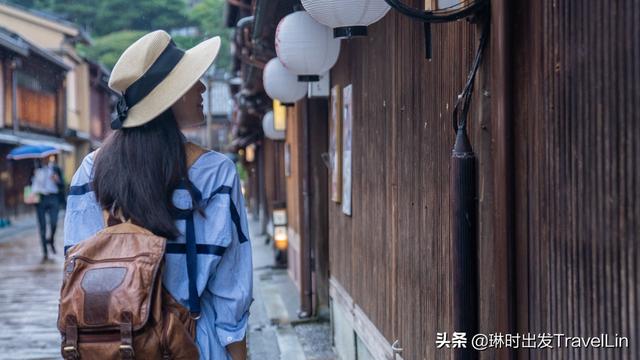
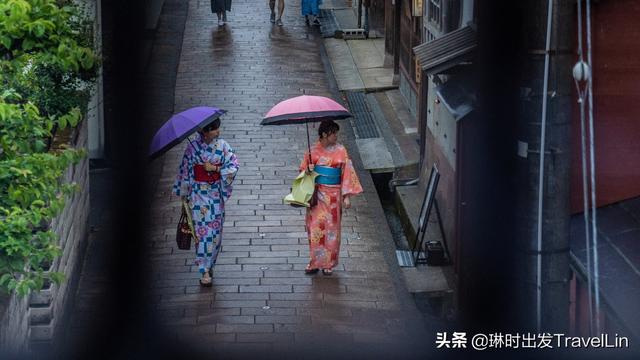
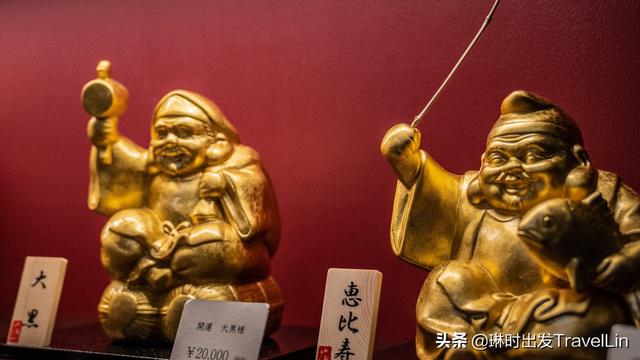
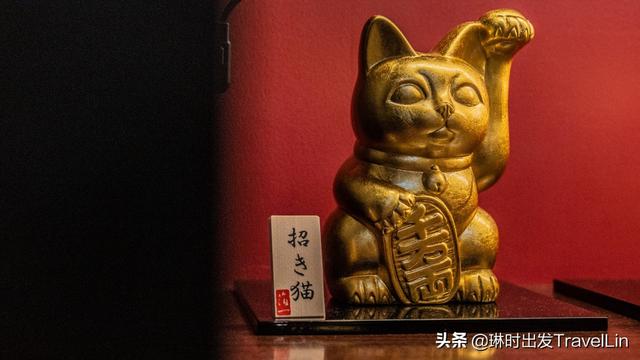
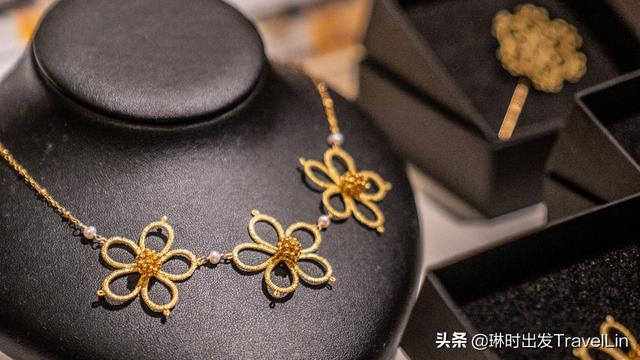
Kanazawa has three tea streets that have continued from the Edo period, namely the West Tea Street, the East Tea Street, and Shichi-Koji. The East Tea Street is the largest of the three and is a major area for the preservation of traditional Japanese buildings. The East Tea Street also has ancient stone pavement, with wooden houses lined up on either side of the pavement. Many traditional Japanese buildings with wooden lattice windows can be seen on the old street. Walking along the street, you can still hear the sound of shamisen drifting between the buildings, and many men and women wearing kimonos appear in the alleyways. These old buildings, now renovated, have become restaurants, teahouses, or souvenir shops. Almost 100% of the gold leaf in Japan is produced in Kanazawa, so many items here are infused with gold leaf elements, such as food, tableware, masks, skincare products, and handicrafts. The 'Hakuone' brand is particularly known for its continuous transmission of gold leaf craftsmanship through generations.
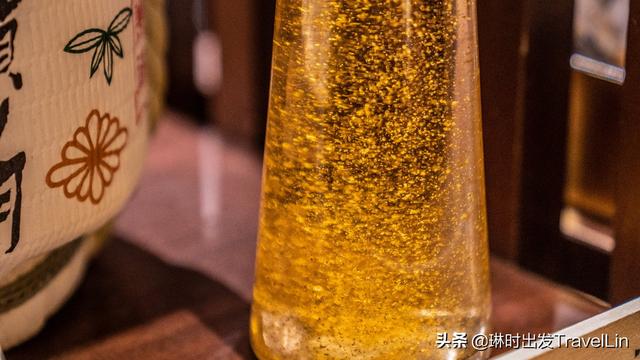
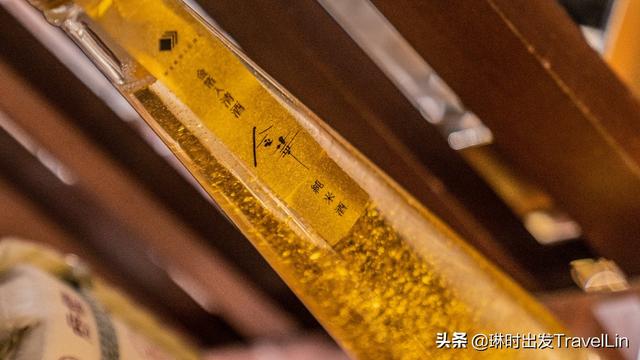
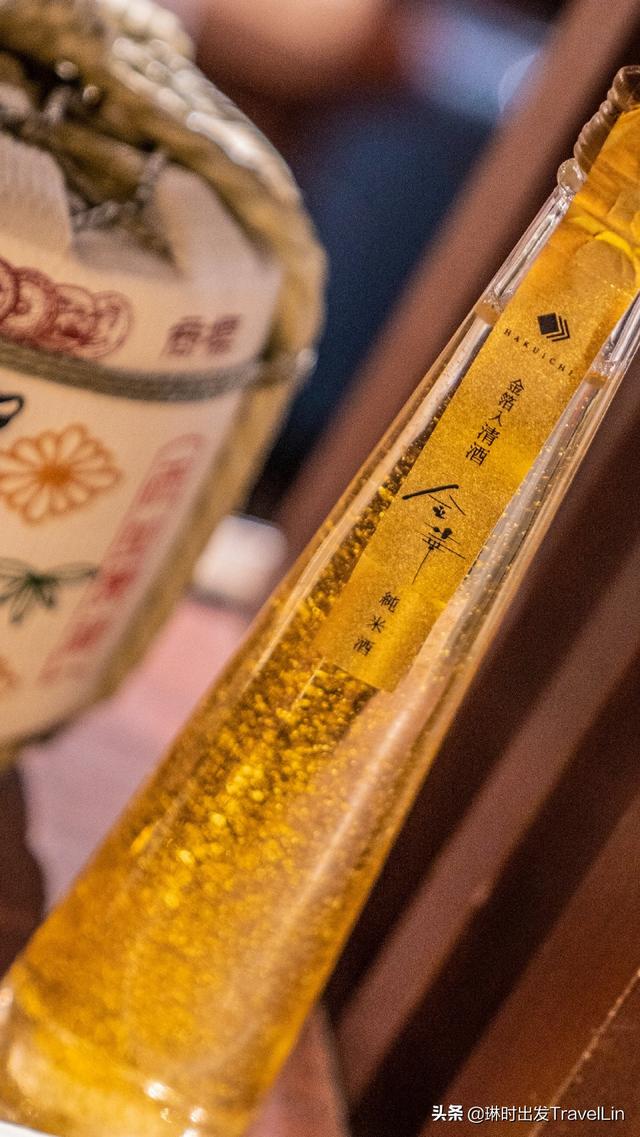
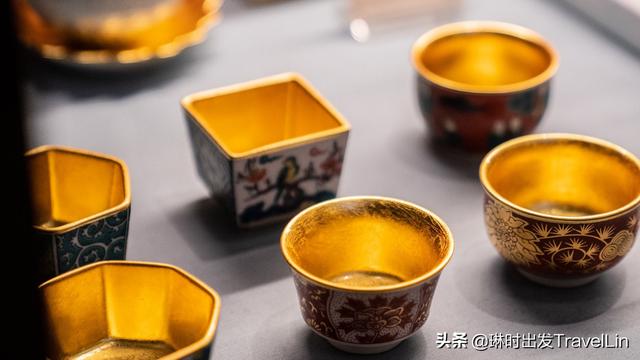
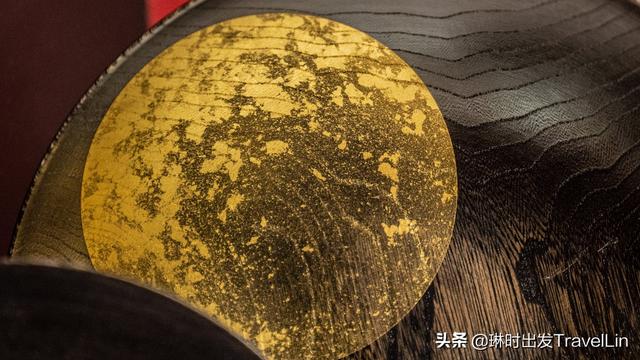
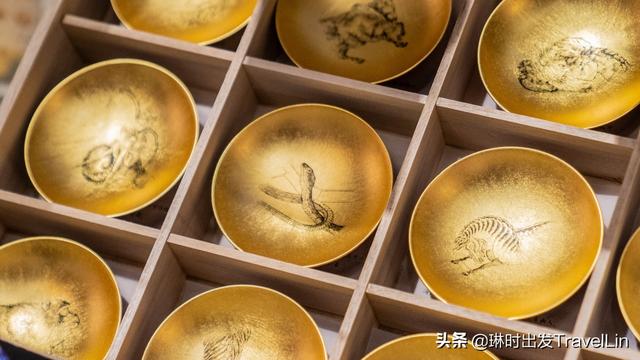
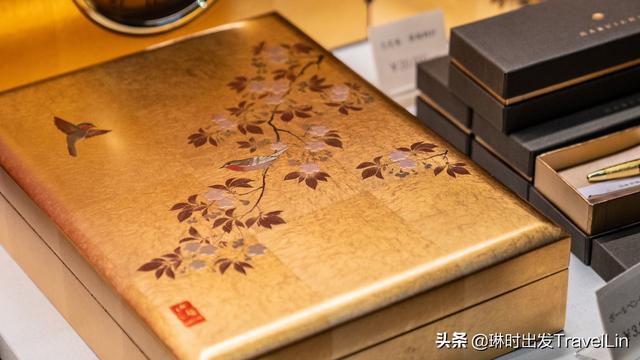
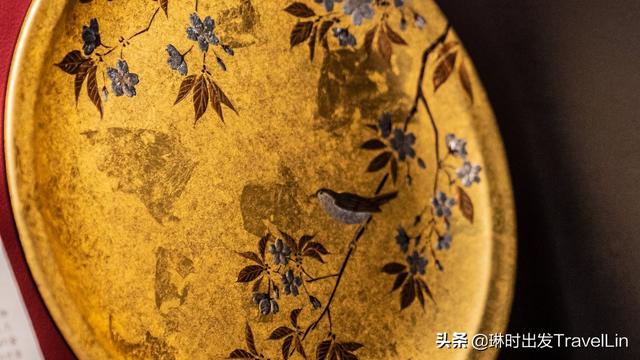
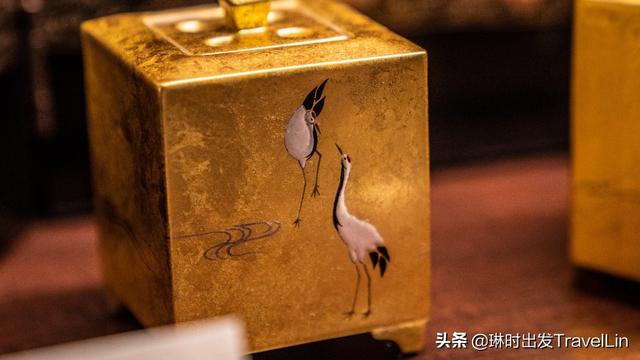
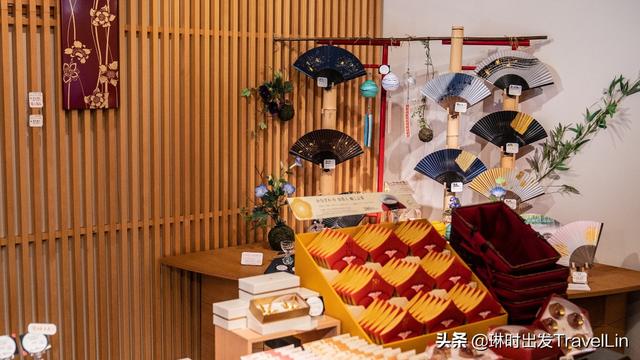
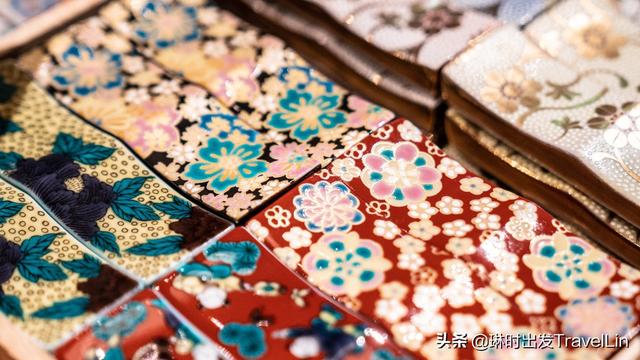
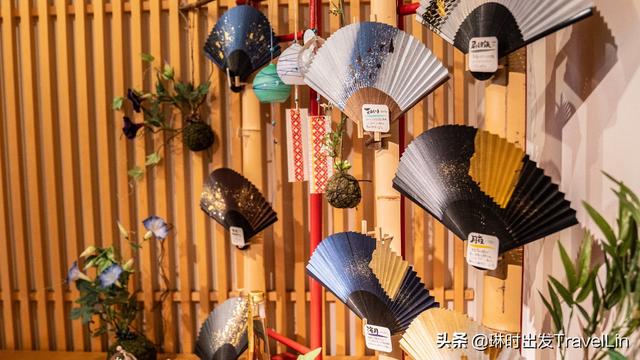
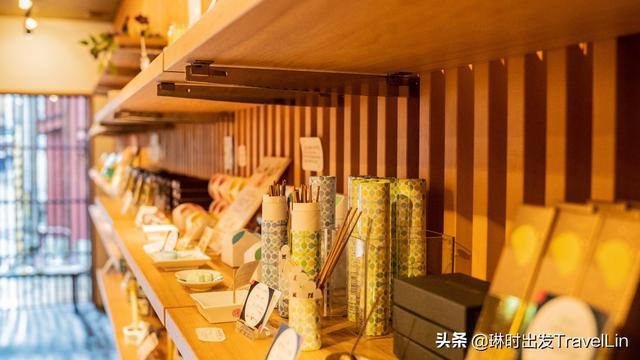
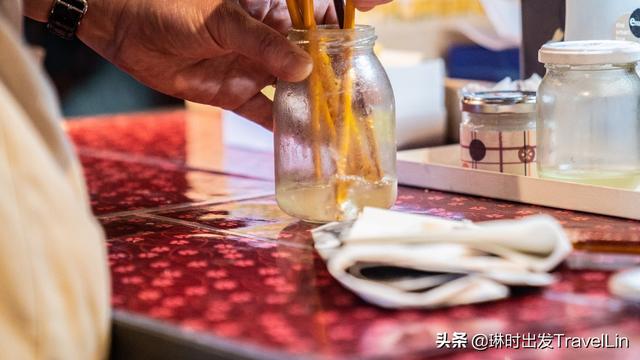
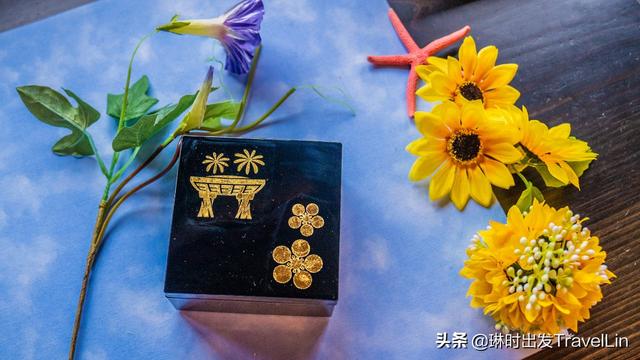
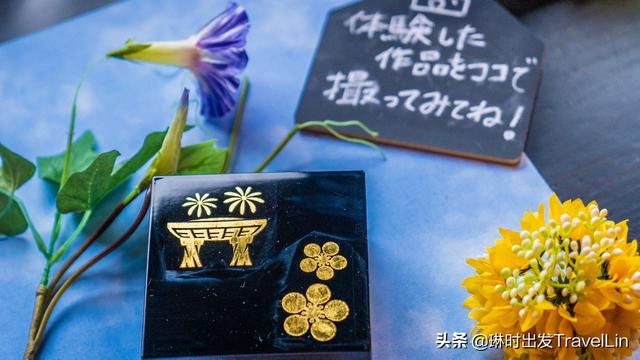
With a sense of respect for the artisans, it's a must-do when visiting Kanazawa's 'Gold Leaf Village'—to participate in a workshop and make your own gold leaf handicrafts. You can choose the objects you want to create on site: such as chopsticks, mirrors, cosmetic boxes, folding screens, coasters, handkerchiefs, etc. The gold leaf craftsman will patiently teach you the methods of making them, with prices ranging from 1500 to 3000 yen for an hour, depending on the size of the mold. I also tried to make a storage box under the guidance of the gold leaf craftsman. It was very easy for a beginner like me to get started, and the teacher would provide guidance on each step and some key points. But it still requires patience.
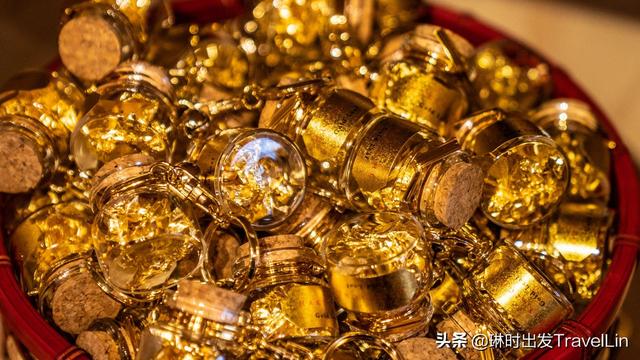
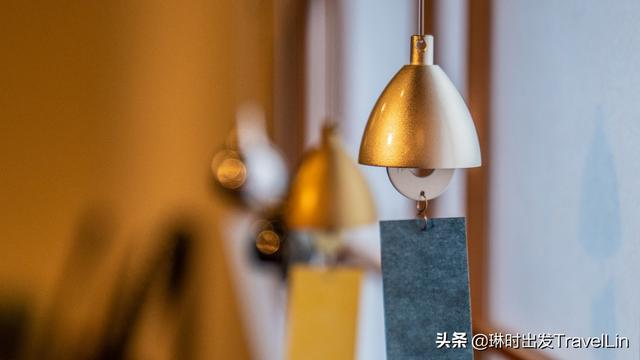
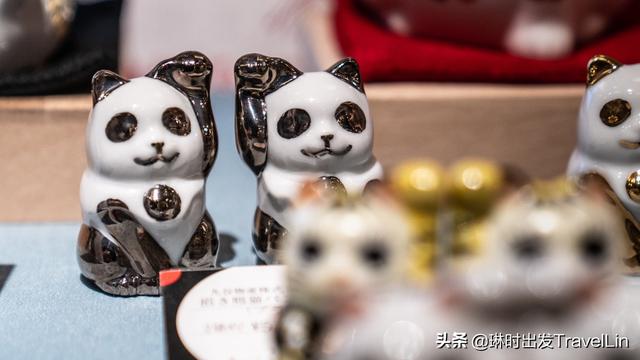
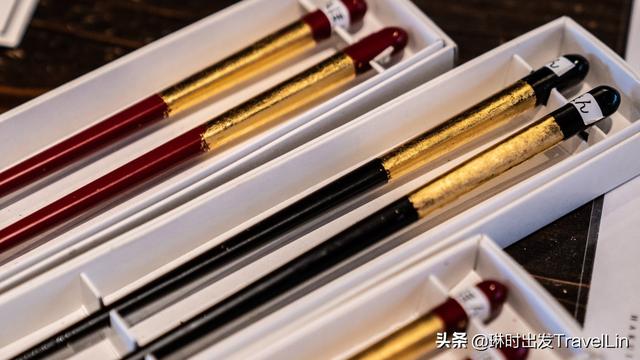
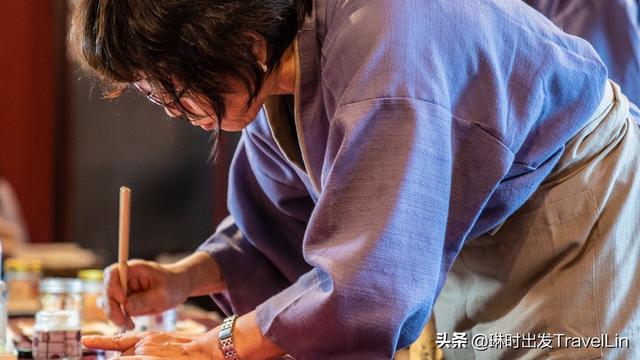
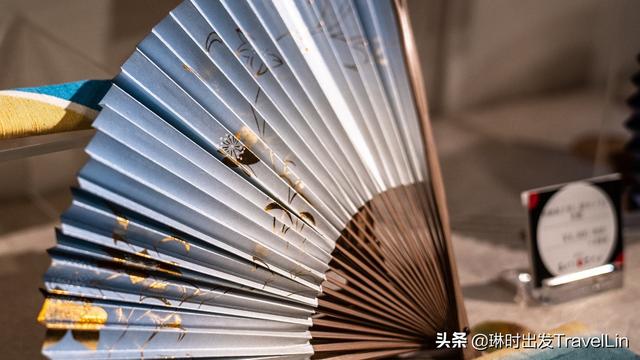
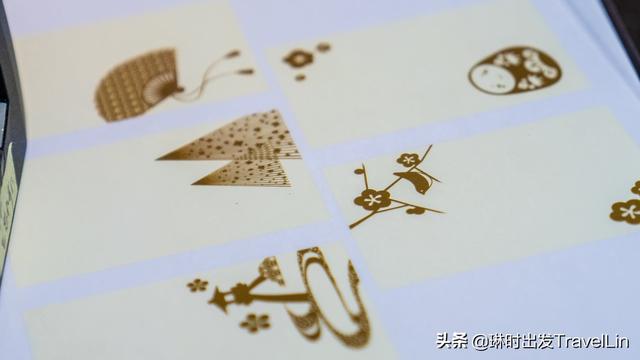
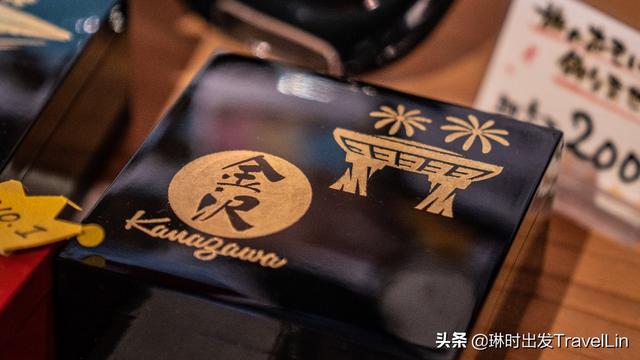
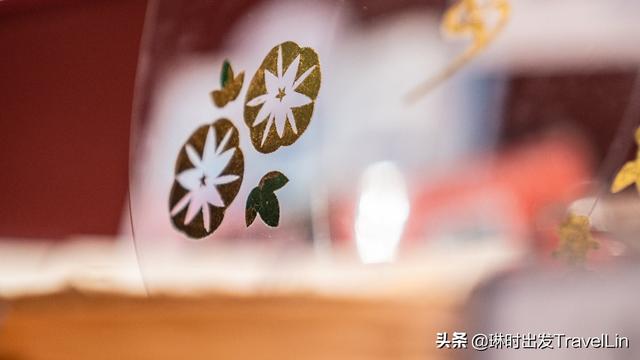
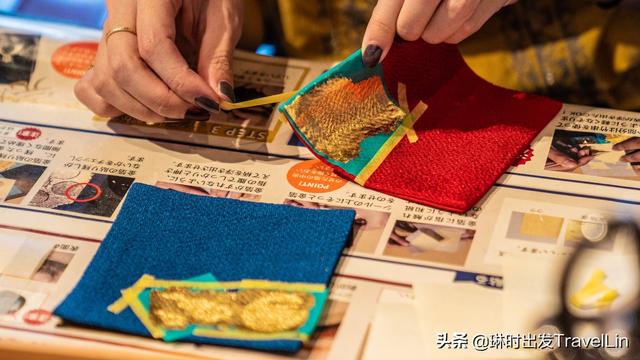
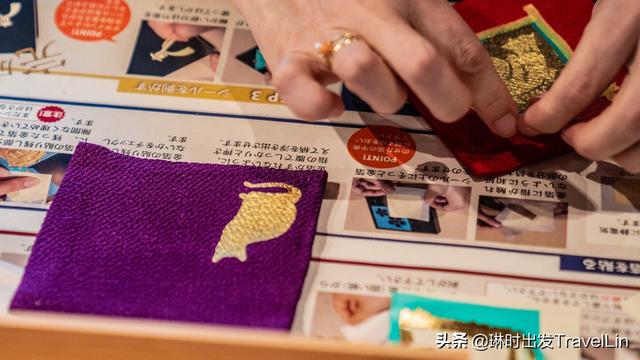
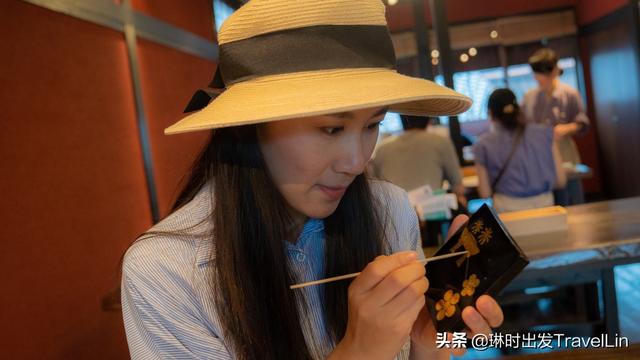
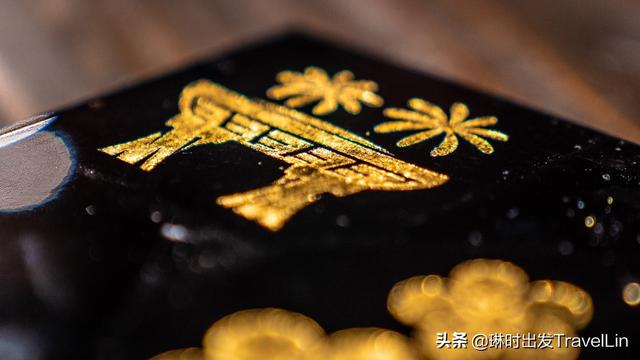
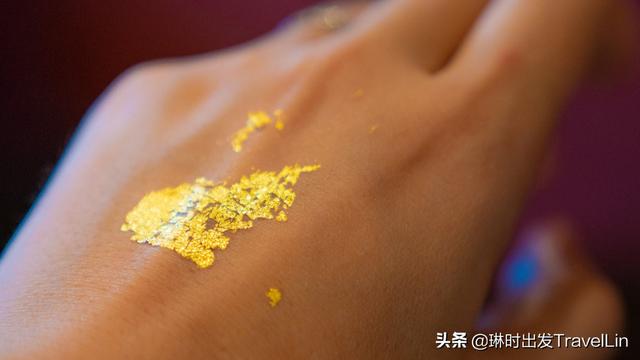
So, if you are also planning to visit Kanazawa's 'Gold Leaf Village,' why not try making your own souvenir to take home? Seeing the thin gold leaf shimmering on various objects is a sight that's truly captivating. Let's see my finished product—on a scale of 10, how many points would you give it?
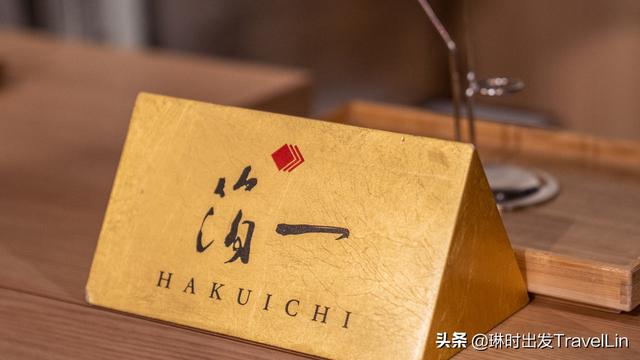
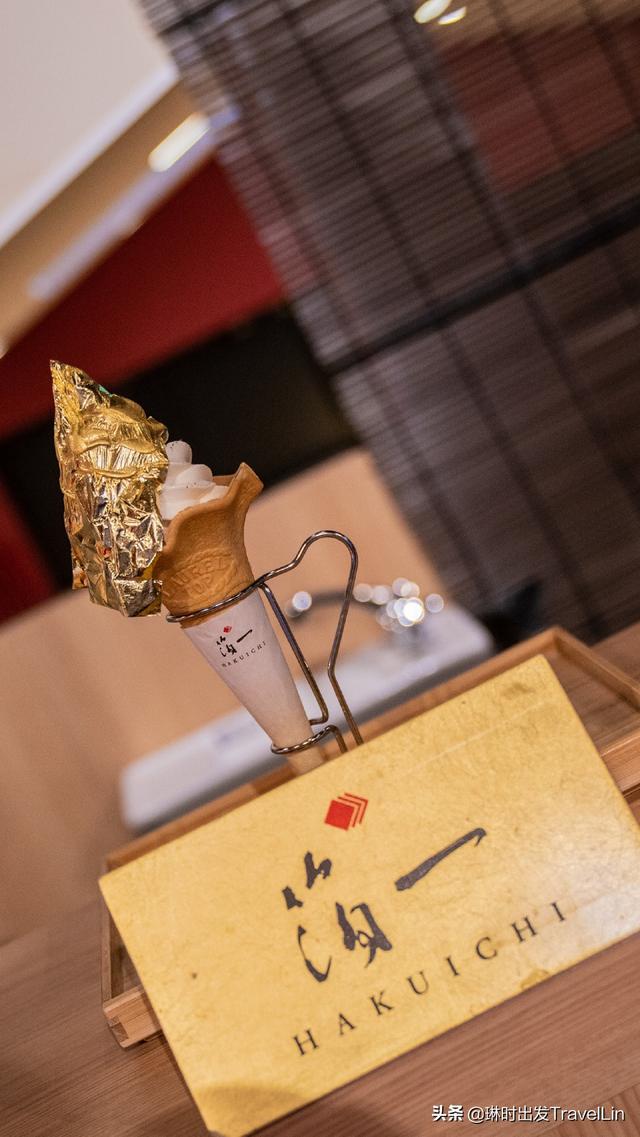
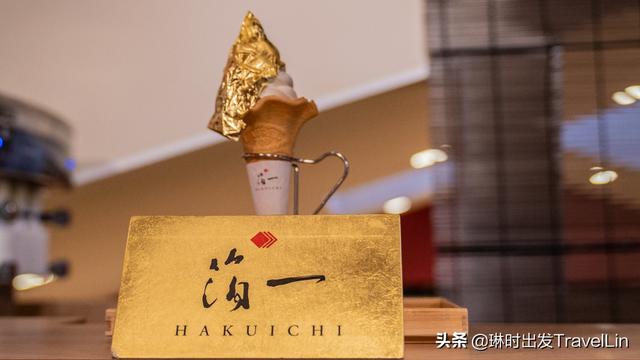
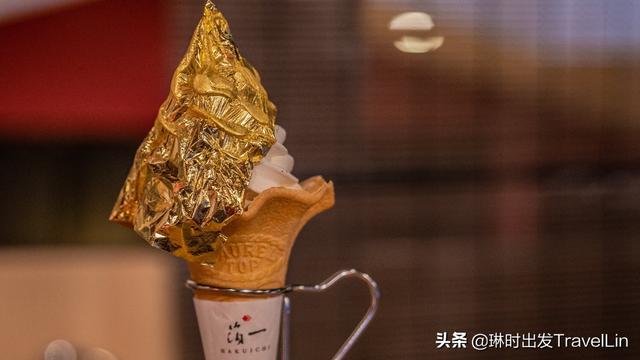
As a reward for finishing a gold leaf handicraft, the best way to treat yourself is to enjoy a gold leaf ice cream. This ice cream is also a popular '' ice cream. You can't come to Kanazawa without trying gold leaf ice cream! Adding a thin sheet of gold leaf to the ice cream, and taking a bite, you can taste the gold leaf—this may be the most extravagant ice cream I've ever tasted, and it's a peak moment for my taste buds—this is the legendary 'eating gold' moment!
Tips:
1To make gold leaf, you need to book a course in advance. In very rare cases, the teacher may have free time to arrange it on site, but to avoid disrupting your travel arrangements, it's best to book in advance.
2All tools, templates, and semi-finished products needed for the production are prepared in the store. We just need to arrive on time. The first floor is where you can buy gold leaf products, and the second floor is where the studio is.
3Gold leaf ice cream and gold leaf production are not in the same building, but they are both easy to find, they are located opposite each other, and it's about 100 meters walk, both are in the East Tea Street.