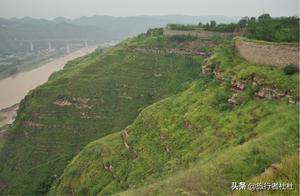
Art Ba Jia Wen Lü Visits Liluan Village to Explore Ancient Villages of Xuzhou
A Series of Reports by Art Ba Jia Wen Lü Team – No. 11
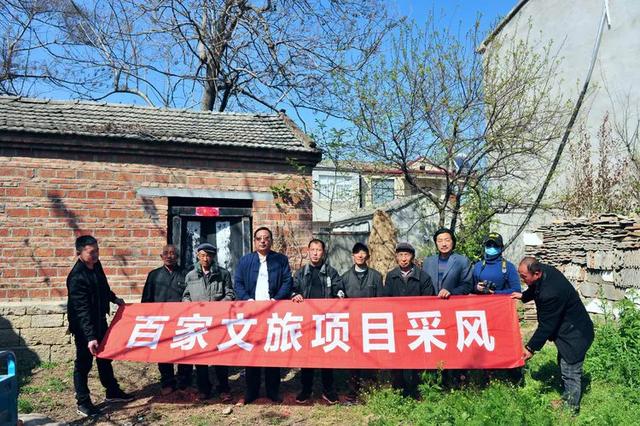
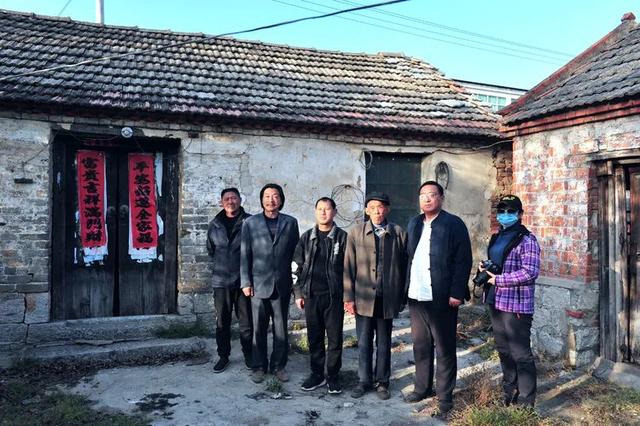
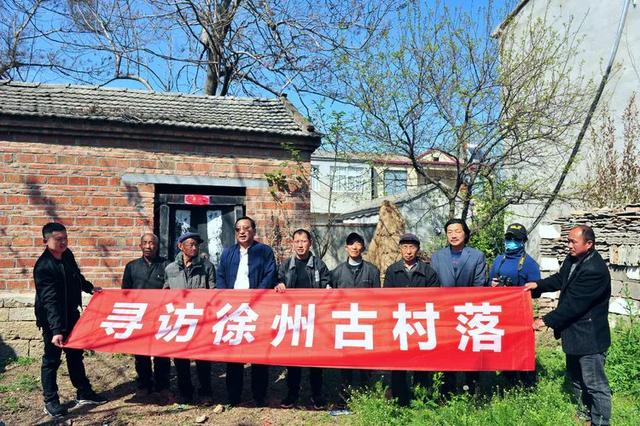
(Xuhua Net Culture Column Zhang Wen Yi, Lu Cui Cui News) April 5th, the Art Ba Jia Wen Lü team visited Liluan Village as part of the 'Exploring Ancient Villages of Xuzhou' activity, exploring the residence of General Xu Zhēng and the history of Liluan Village.
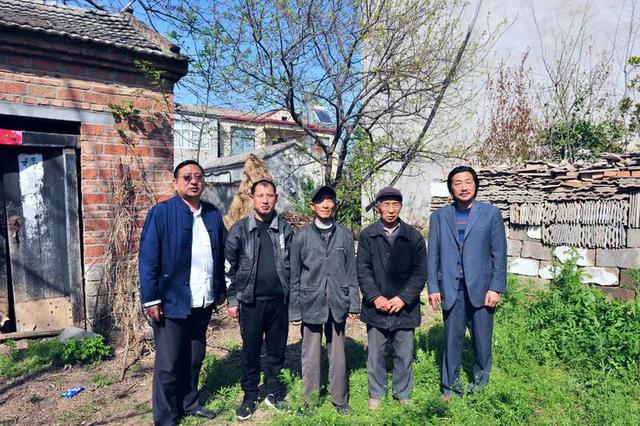
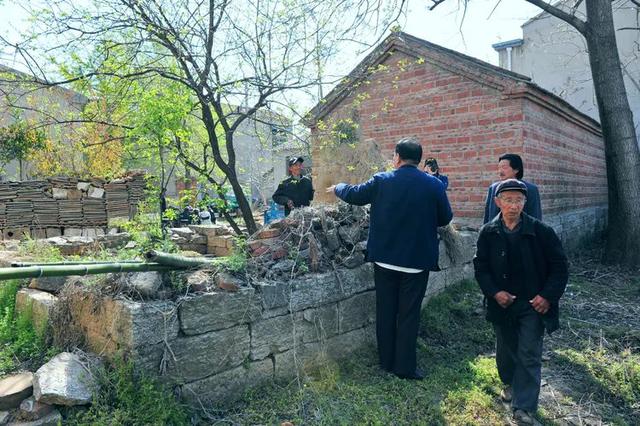
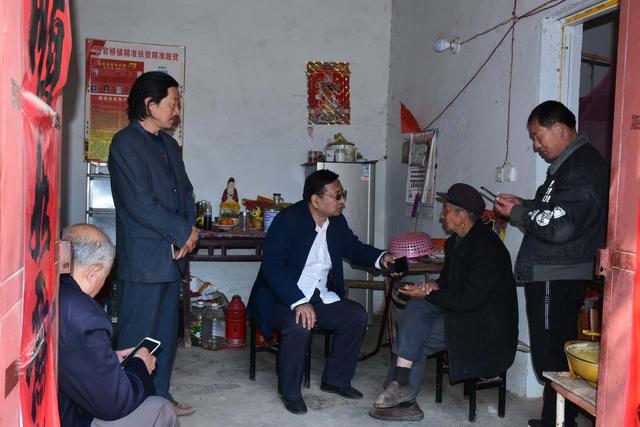
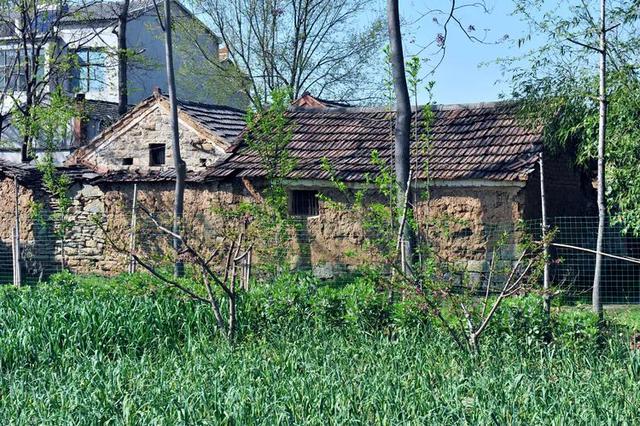
Liluan Village is currently located in Gaoqiang Town, Xiaohe County, Anhui Province. It is named for the sweet, wine-like water that springs from the village. It is located behind the Phoenix Mountain and in front of the Huangzangyu. The surrounding land is fertile, with mountains and springs in both the north and south, providing a beautiful and pristine landscape. On November 11, 1880, General Xu Zhēng, born as Xu Zhēng, also known as Youzheng, alias Tieshan, alias Zelin, was a Nationalist warlord affiliated with the Huai Army, a Major General of the Army and the Far-Worthy General. He was renowned for his dispatch in 1919 to reclaim Outer Mongolia. His works include 'Jingguo Quan Zhen', 'Shi Xi Xuan Wen Gao', 'Doutongge Poetry Collection', and 'Bimo Lan Ci Collection'.
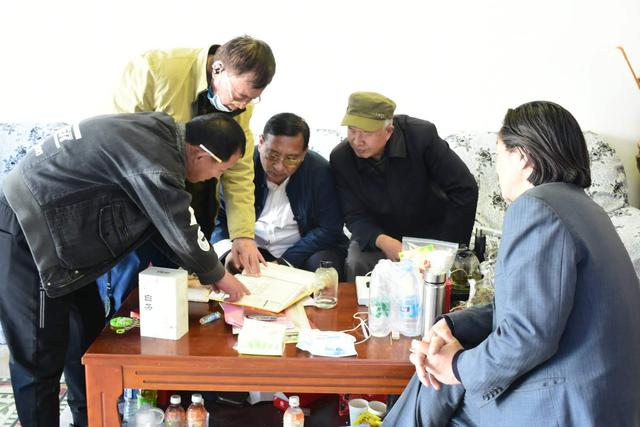
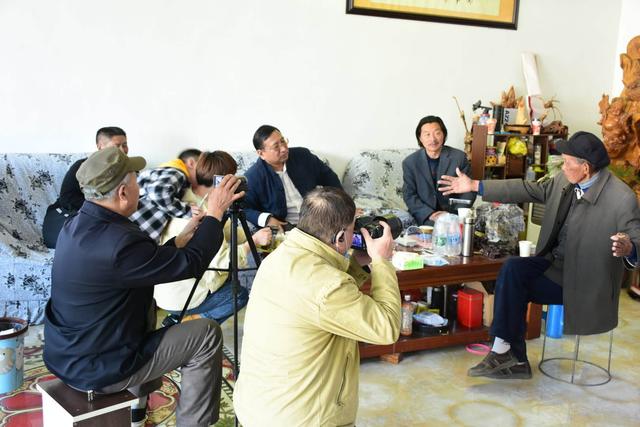
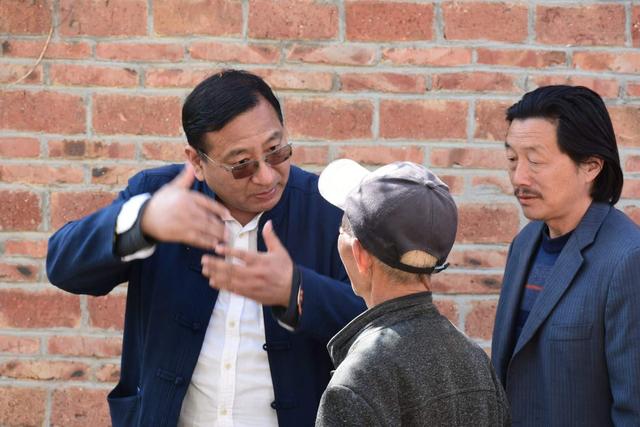
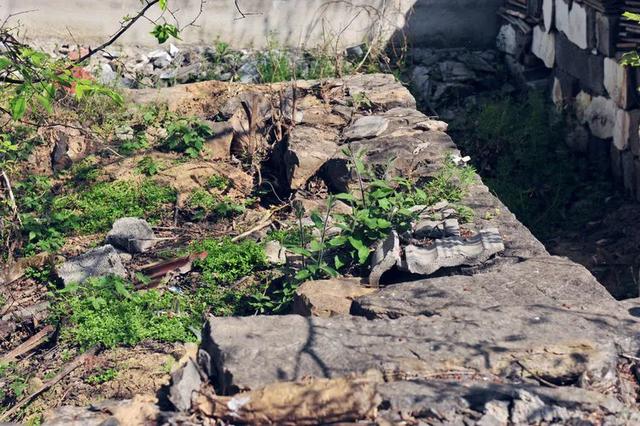
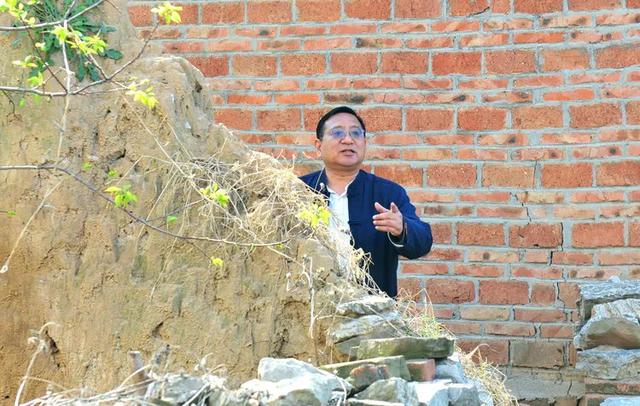
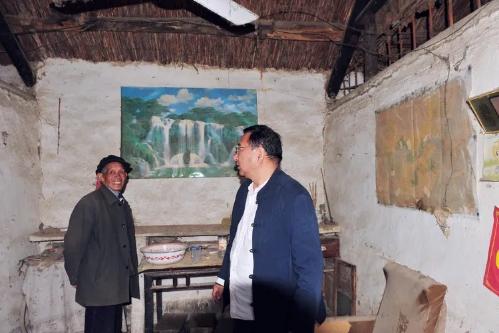
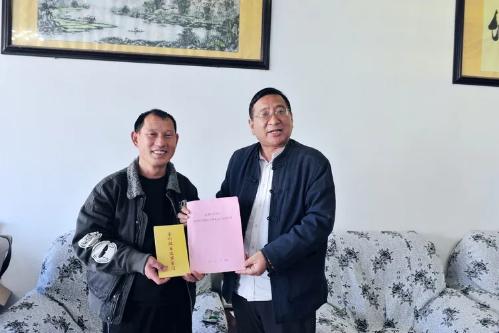
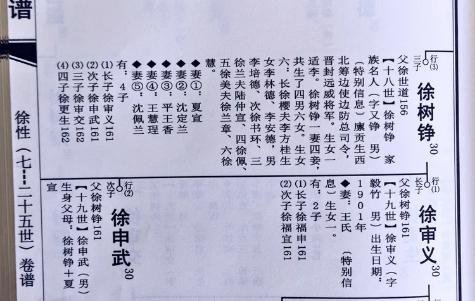
In Liluan Village, the Art Ba Jia Wen Lü planning expert team conducted an on-site investigation of the original site of General Xu Zhēng's birthplace and held a discussion with General Xu Zhēng's descendants, learning about the events of his life and death. They reviewed the Xu family's Hongshan Tang pedigree materials and visited the old site of the Zhao Louxiang Gong Su, interviewing relevant individuals involved in the burial of his tomb. This was all done in order to collect historical materials for the Xu Zhēng Nationalist Culture Park.
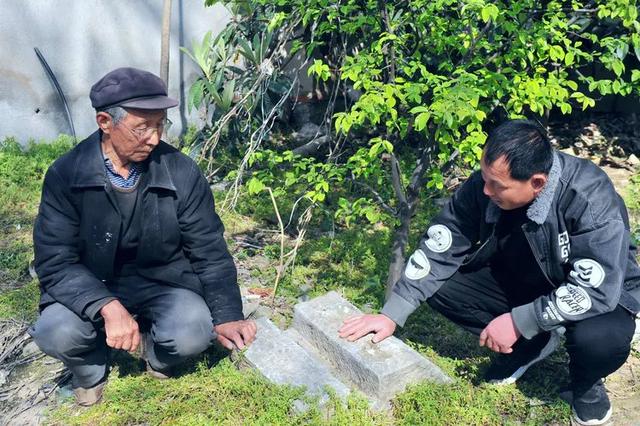
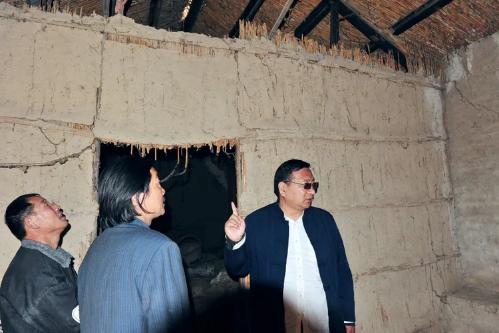
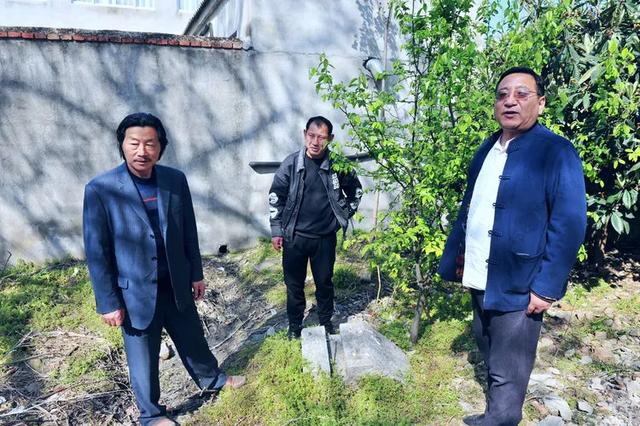
Xu Zhēng's daughter, Xu Yan, detailed the marriage customs of her parents' era in her book 'Cusuo Bi'. She described the wedding process and the scene of her grandmother's funeral. Xu Yan's wedding took place in Liluan Village, while her mother's funeral procession went from her home in Xuzhou to the ancestral graves in Liluan Village. She also mentioned that her grandmother enjoyed playing a card game called 'Five Tiger Cubs,' which was popular throughout Xuzhou and Xiaohe County. The children in both areas played games such as 'Pick Seeds,' 'Pull the Stick,' and 'Raise the Flag,' with similar gameplay. Xiaohe dialect and Xuzhou dialect are 'extremely close and basically the same.' The only difference is minor variations between local dialects. Even some very rare dialects are found in both Xuzhou and Xiaohe.
According to villagers, Xu Zhēng was a native of Xiaohe County. His troops were said to have a saying: 'If you speak Xuzhou dialect, you can carry a Western knife.' During that time, Duan Qirui was called 'Duan Hefei,' and Xu Zhēng was called 'Xu Xuzhou.' Xu Zhēng was assassinated in December 1925 by Feng Yu Xiang's troops, and he was buried in his hometown in 1926.