Exploring Mexico – A Visit to the Origins of the Olmec Civilization
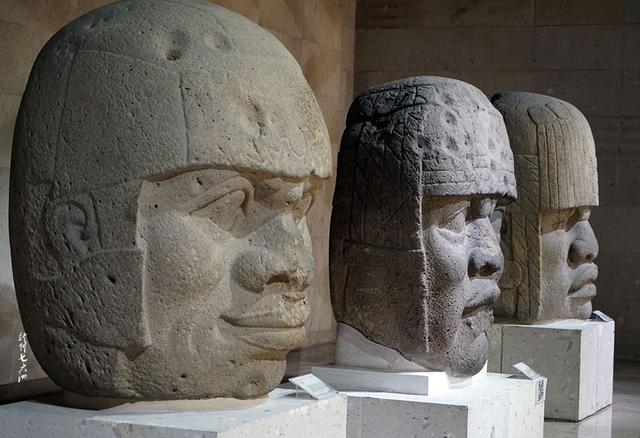
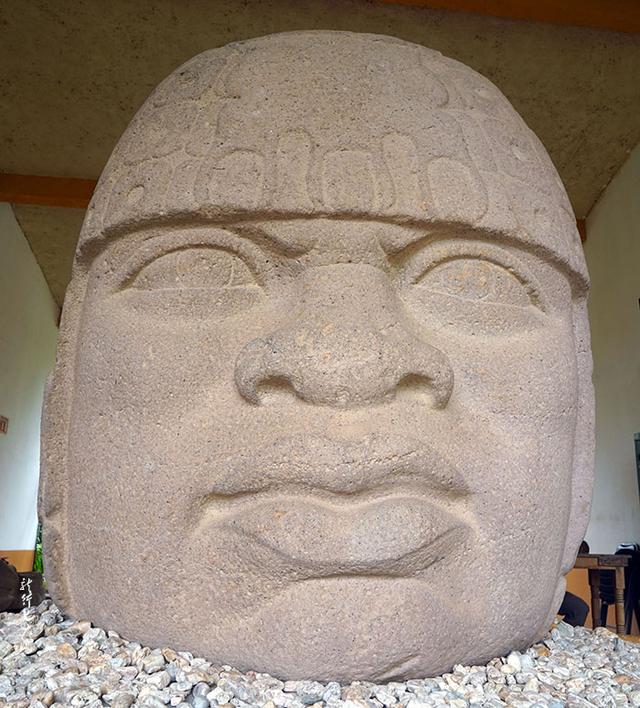
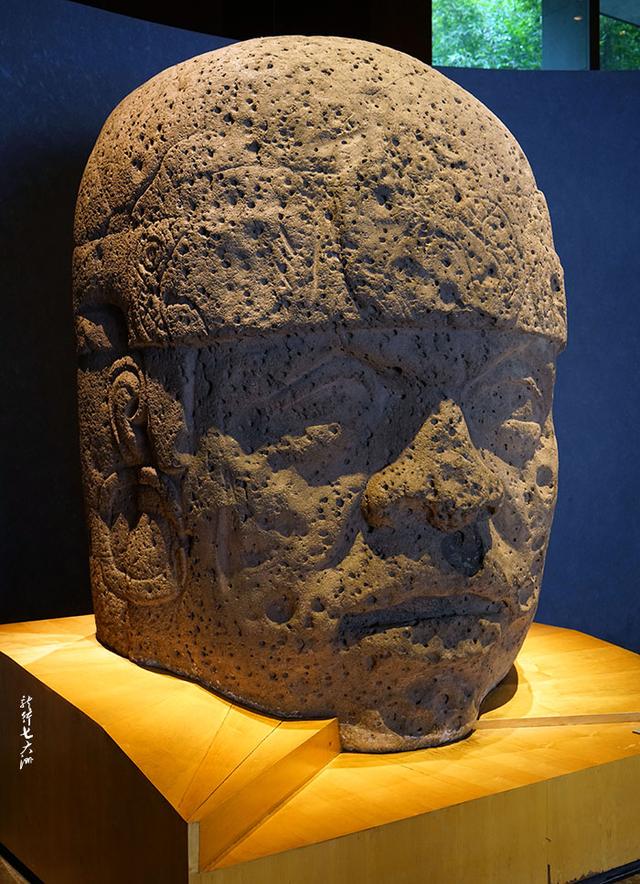
In 2006, I first saw the giant head sculpture in the Mexican National Museum and learned that it was an 'Olmec portrait,' which further aroused my desire to understand the Olmec civilization.
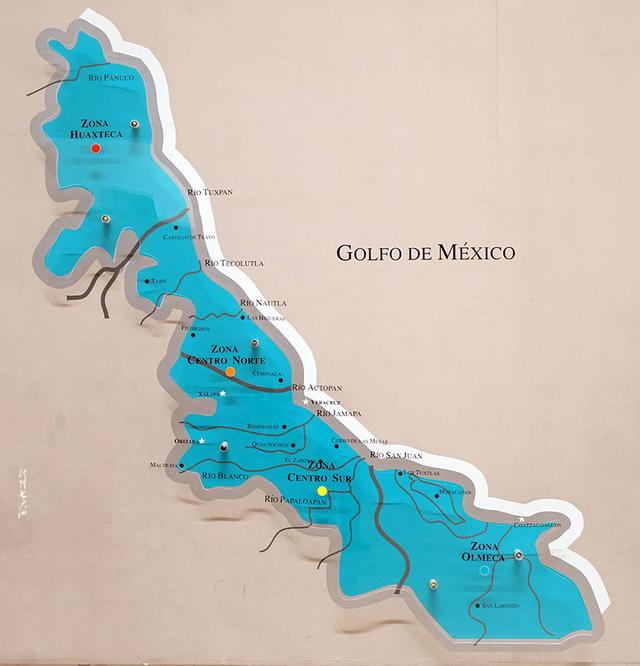
Thirteen years later, in October 2019, I meticulously planned a self-driving trip in Mexico and entered the origins of the Olmec civilization.,About the Olmec civilization was not known until the mid-19th century. In 1869, Jose Melgar, a Mexican archaeologist and traveler, published an article, describing for the first time the process of discovering Olmec portrait stones in Tres Zapotes, which opened the curtain for the study of the Olmec civilization.,Subsequently, in San Lorenzo, Raventa, there were more archaeological discoveries. After decades of excavation and collation by archaeologists, the three cultural points of San Lorenzo, Raventa and Tres Zapotes were basically determined. The development and prosperity of the three cultures had a first and second order, interconnected and mutually supporting. The culture of San Lorenzo was the earliest, approximately appearing around 1200-900 BC; Raventa appeared second, around 900-400 BC; Tres Zapotes appeared the latest, around 500-100 BC. The civilization composed of these three cultural points had a significant influence not only in the local area of Mexico but also throughout Central America. Later civilizations in Central America, such as the Maya and Aztec civilizations, as well as other various civilizations, had deep roots in the Olmec civilization. They exhibited a strong consistency and historical continuity in their social life, architectural art, and other aspects.,The Olmec civilization's discoveries pushed Central America civilization forward by several hundred years, and at the same time established the Olmec civilization as the mother of Central American civilizations.,From the map, it can be seen that the three cultural points of the Olmec civilization are concentrated in the southeastern coastal areas of Mexico Bay. My 'Olmec Civilization' visiting journey started from San Lorenzo.,San Lorenzo
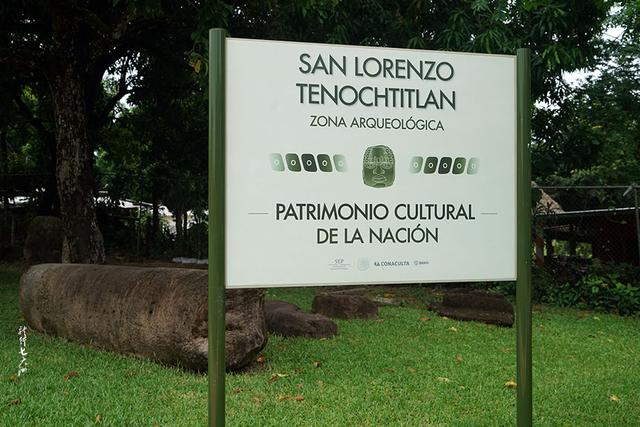
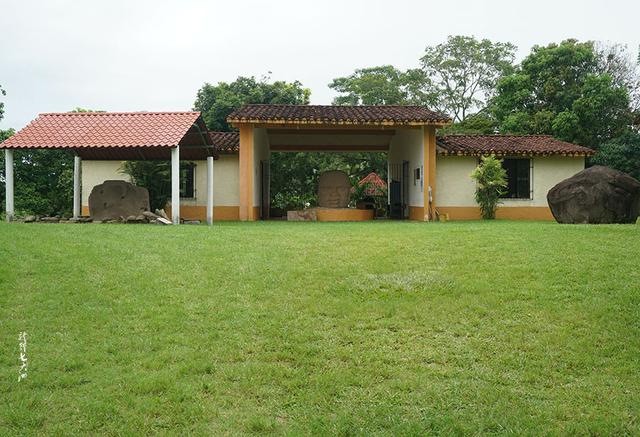
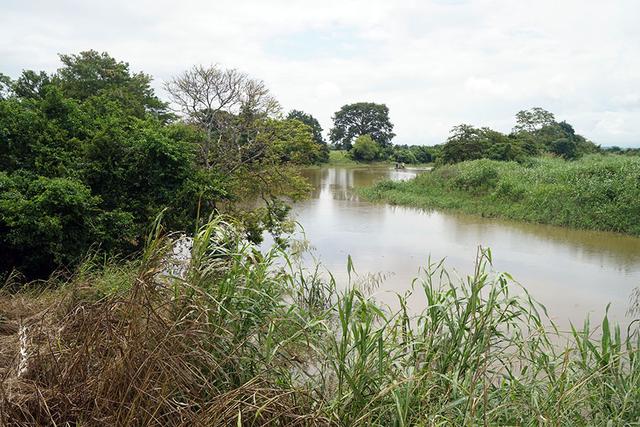
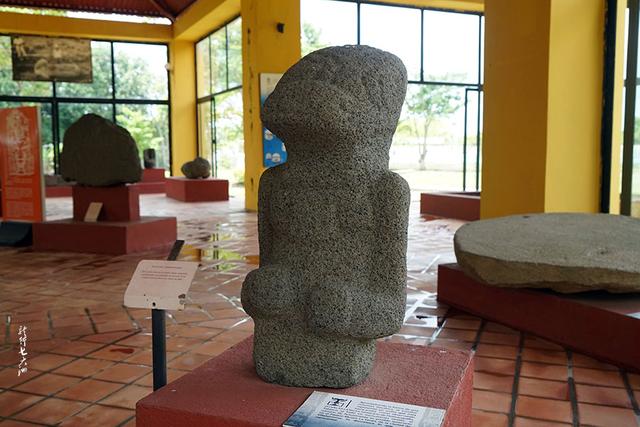
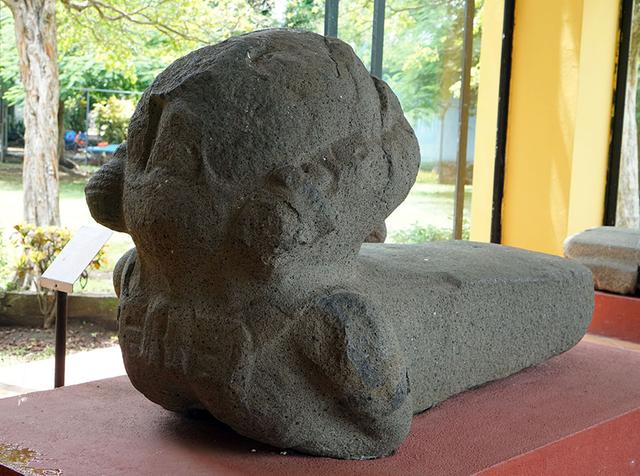
On September 16, 2020, I left Colonia Rincon Viejo, a small town in the Wahaca state, and drove to San Lorenzo.,As I've developed a habit in my foreign self-driving trips, I always like to start early to reach the destination as soon as possible. The weather was clear and the air was fresh, but the roads were terrible, especially the 40 kilometers of road near San Lorenzo, which was bumpy and broken, took three hours to drive.,San Lorenzo is a very small town with only a few streets, appearing quite desolate. After entering the town, I drove directly to the San Lorenzo Archaeological Museum, which was easily found.,The museum is in a small courtyard, where you can park your car and enter through the shed to see the large 'Olmec portrait' in the front. There were three middle-aged men chatting in the courtyard. When I entered, they gestured for me to go to the small table in the shed, and I bought a ticket for 50 pesos, and then I could freely move around. The museum mainly has artifacts unearthed from San Lorenzo, El Tajin, and Wahaca, as well as a few Maya artifacts unearthed from the state of Chiapas. The most important exhibits in the museum are the artifacts unearthed from San Lorenzo about the Olmec civilization, which occupied half of the exhibition area.,Besides the excavated artifacts in the museum, there was nothing else to see in San Lorenzo. After thousands of years, time and countless disasters have completely destroyed the original San Lorenzo. I carefully photographed each artifact, and then went to the Quetzalcoatl River for a moment's rest. This river once nurtured the mother river of Central American ancient civilizations.,Quetzalcoatl River
Raventa
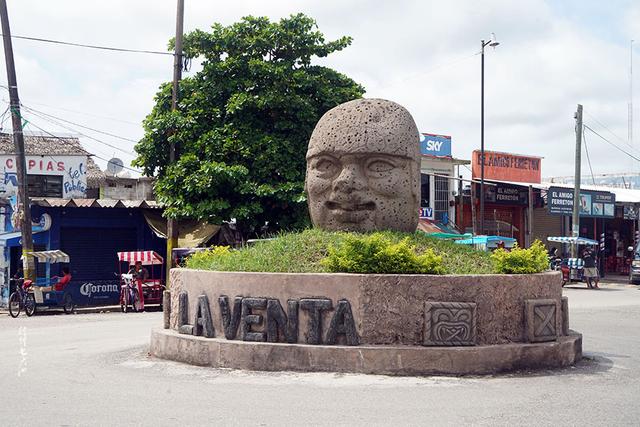
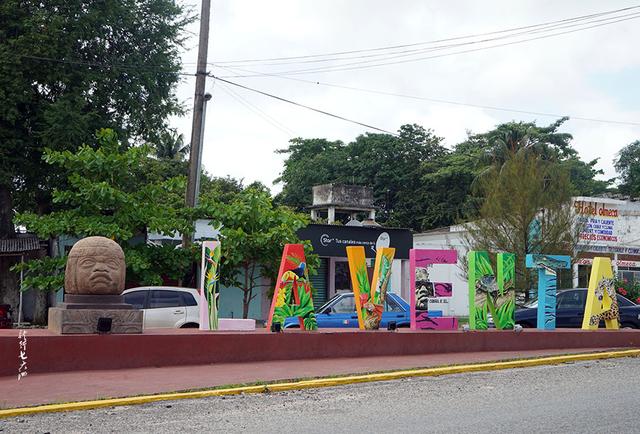
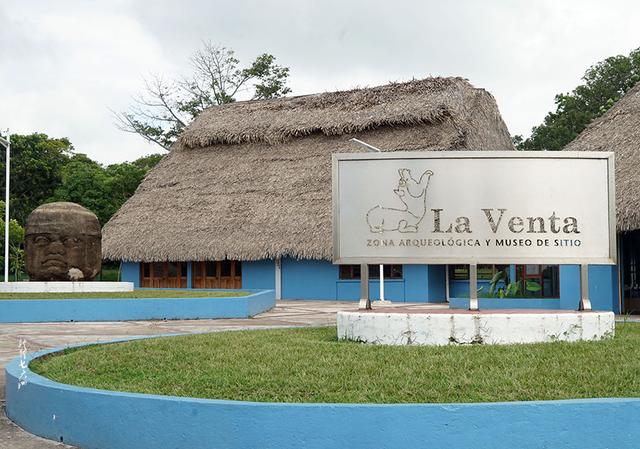
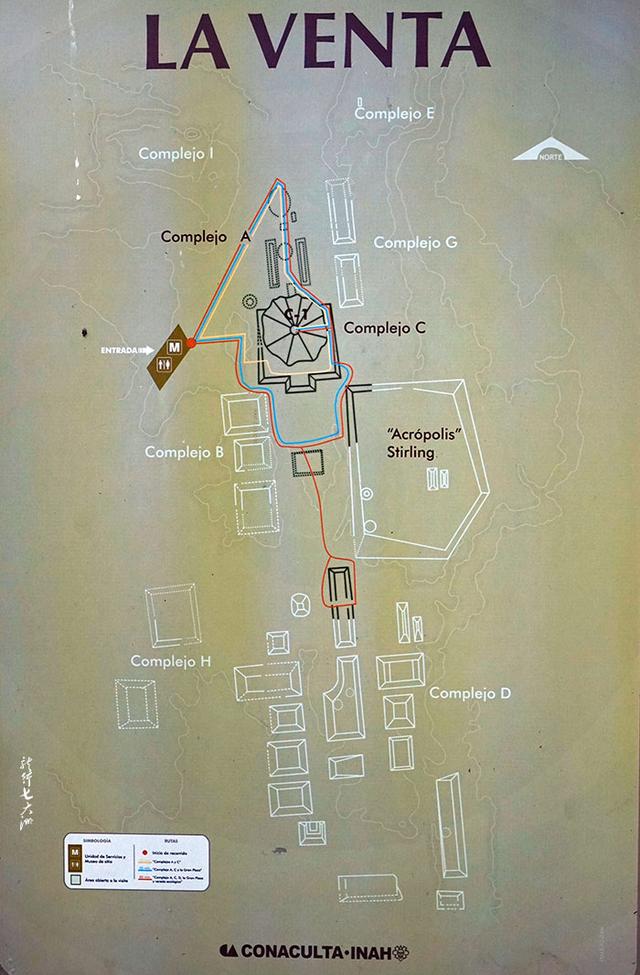
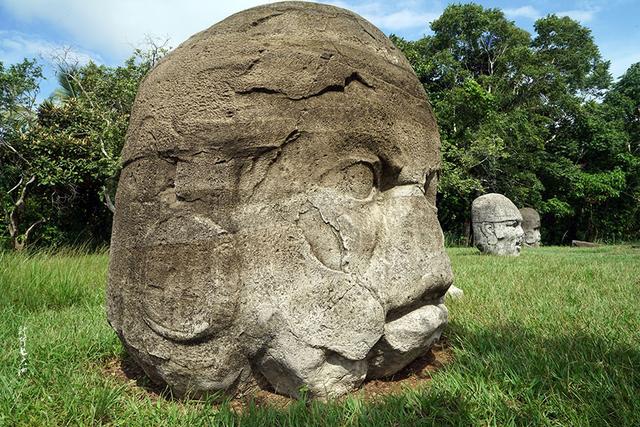
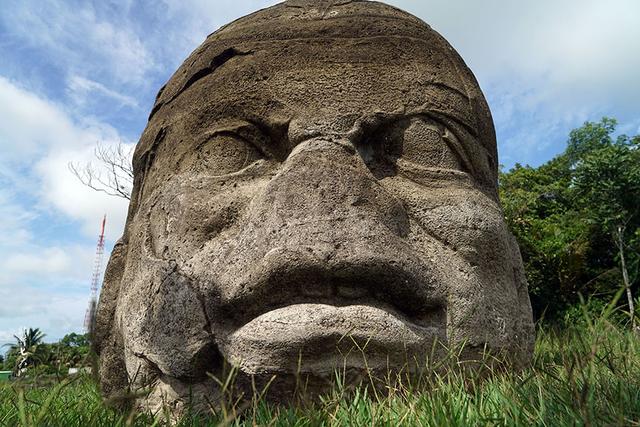
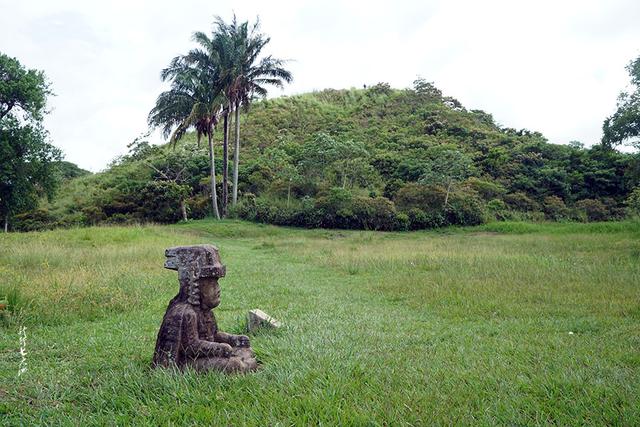
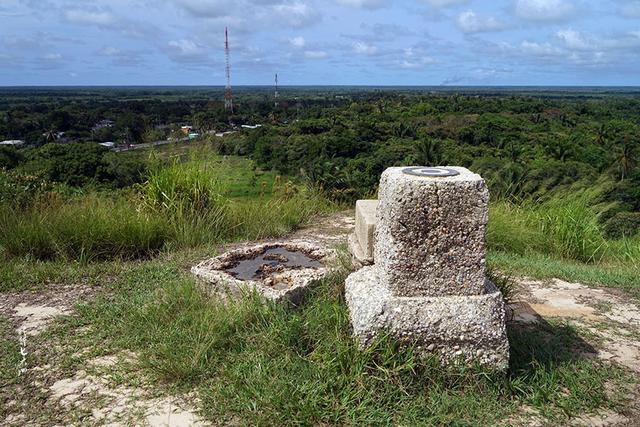
After a simple breakfast in the car, I left San Lorenzo and drove to the next destination – Raventa. The road from San Lorenzo to Raventa was good, and I arrived smoothly around 3 pm.,Raventa is located to the southwest of San Lorenzo, closer to the Gulf of Mexico, and is a larger town and also more bustling. The streets and sides of the road are full of 'Olmec' features.,The museum in Raventa is the largest of the 'Three Points of the Olmec Civilization', with a large Olmec head statue at the entrance, and the exhibits in the hall are also more abundant. The museum's wall depicts a detailed development chart of the Olmec civilization. The most proud thing here is the ancient pyramid still standing. This mud-based pyramid is about 30 meters high, and you can climb up the small path to the pyramid. The climate is hot, and climbing the pyramid has already made me sweat profusely.,The Olmec pyramid in Raventa
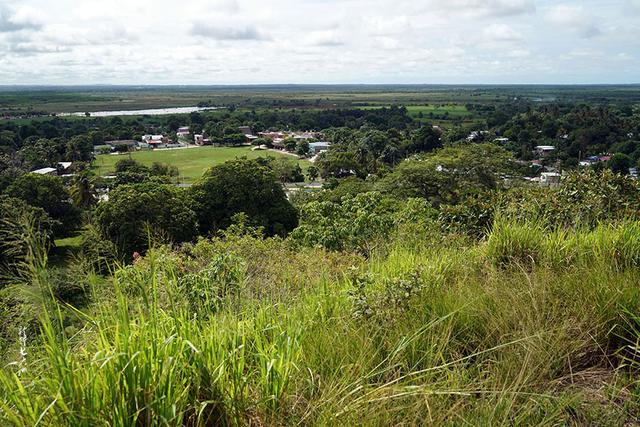
You can overlook the entire Raventa from the top of the pyramid, take a photo and take a rest, and return to the museum to visit. I happened to meet a staff member who could speak English, I asked him about the stone sculptures outside the museum, he told me that all the stone sculptures outside are replicas, the main excavated artifacts from Raventa are in the Provincial Government of Byaelmos, and there are also some artifacts from the Mexican National Museum.,Leaving Raventa, it was almost dusk, I didn't have time to go to the north to Byaelmos, and tomorrow is Monday, that museum is closed, so I could only leave some regrets.,The following journey is to the northwest to Tres Zapotes and Jalape, today I will stay and rest in Acayucan.,Tres Zapotes
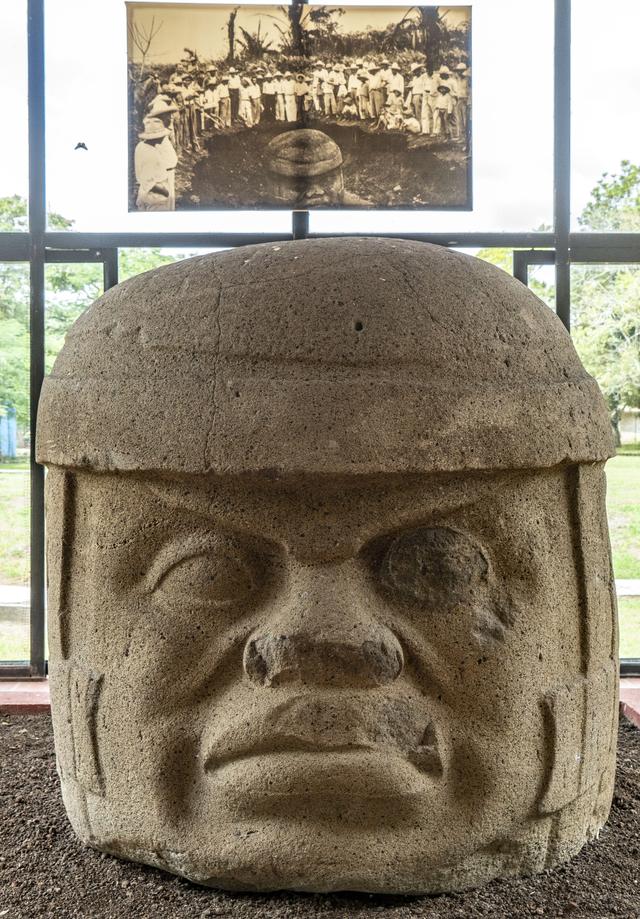
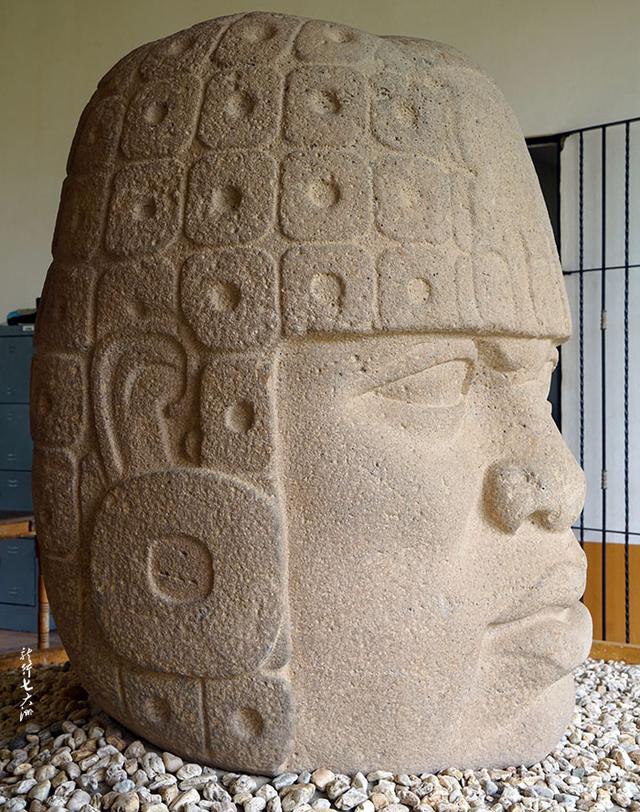
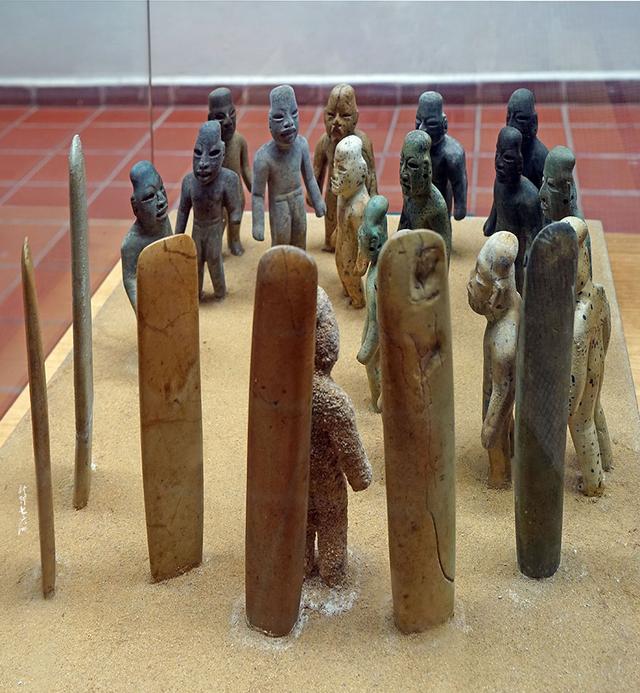
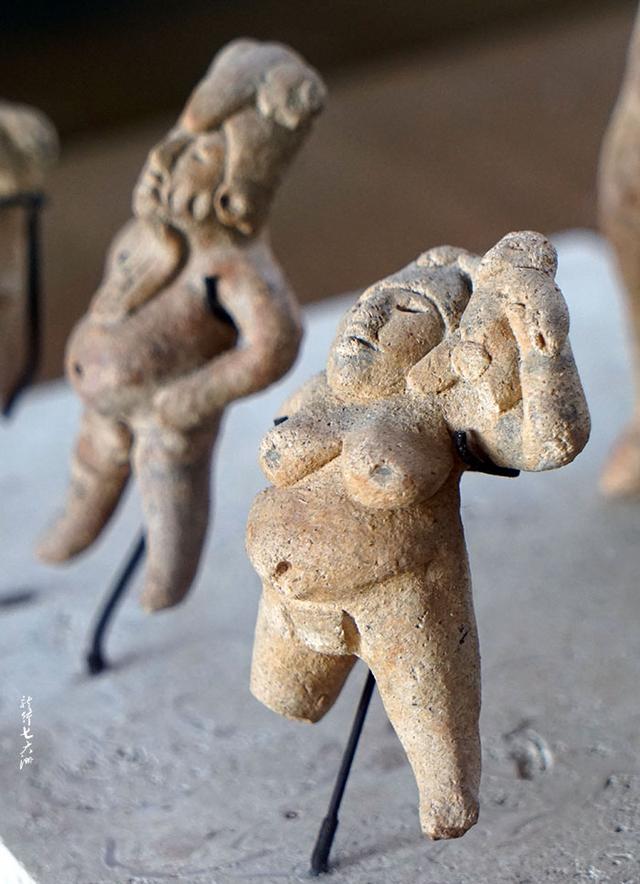
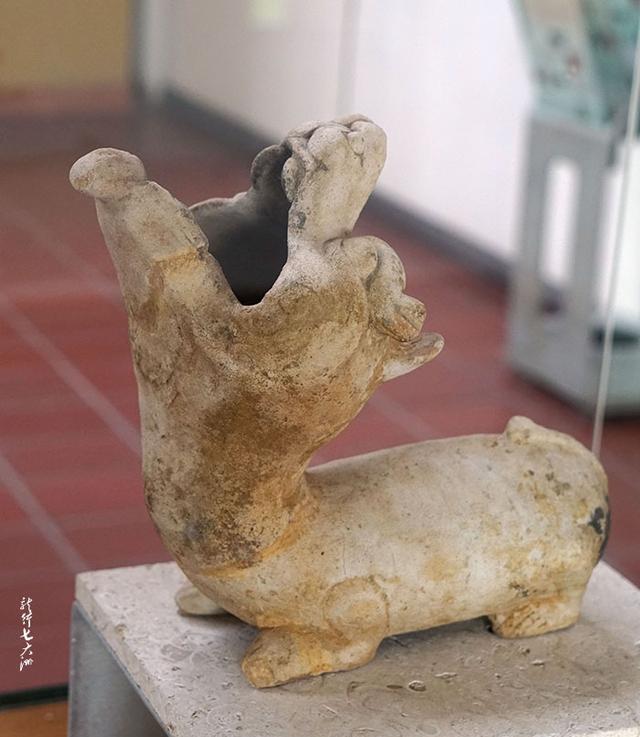
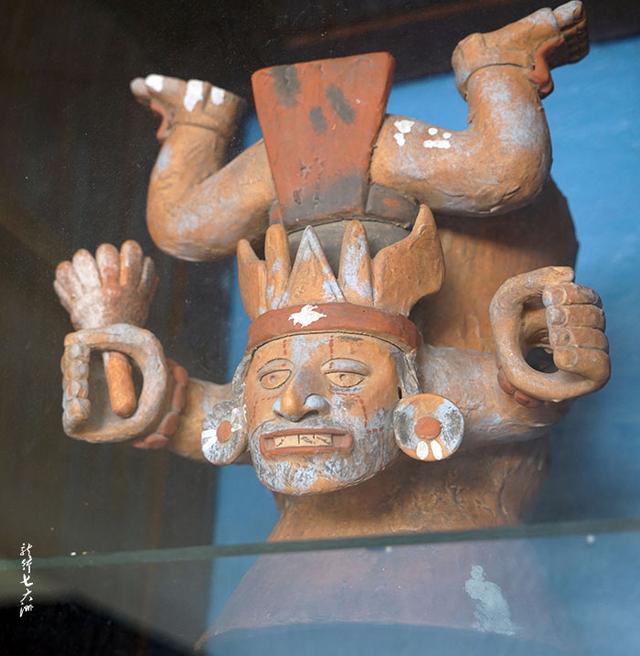
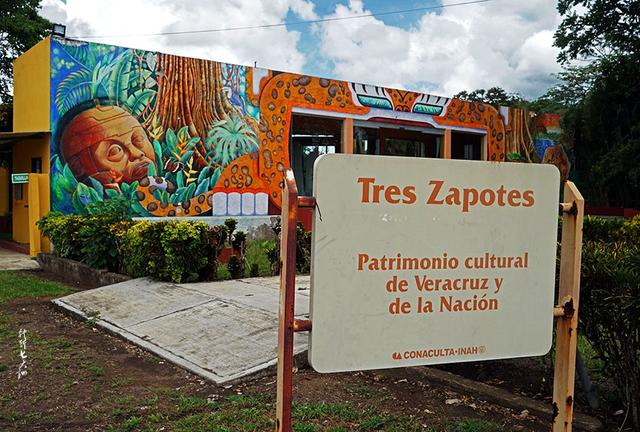
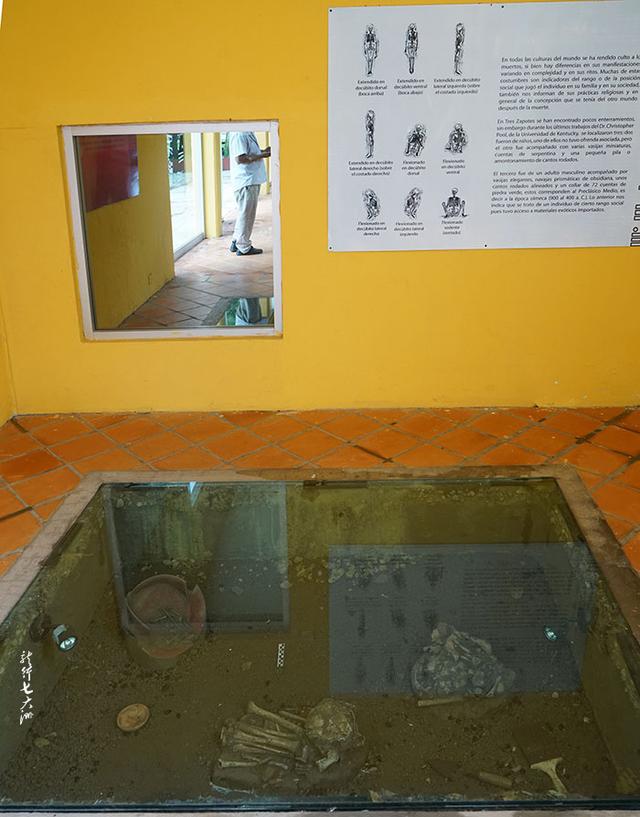
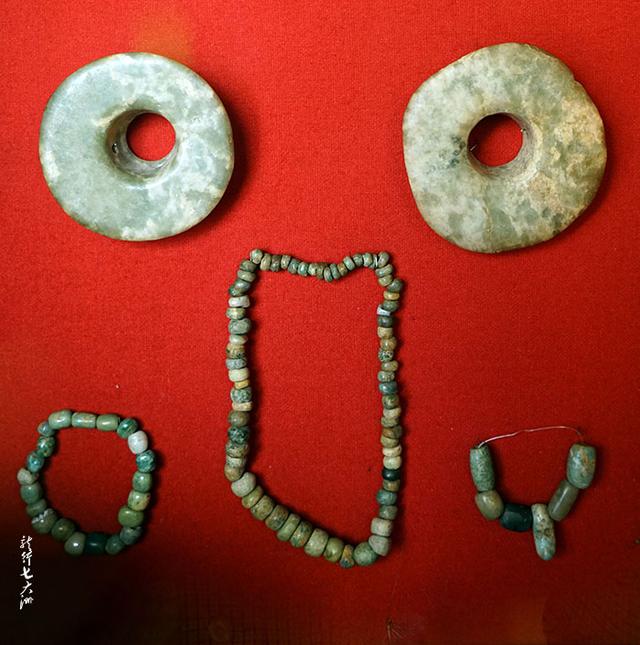
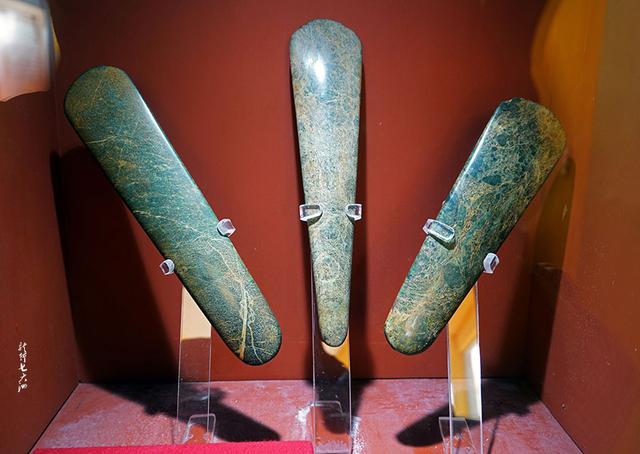
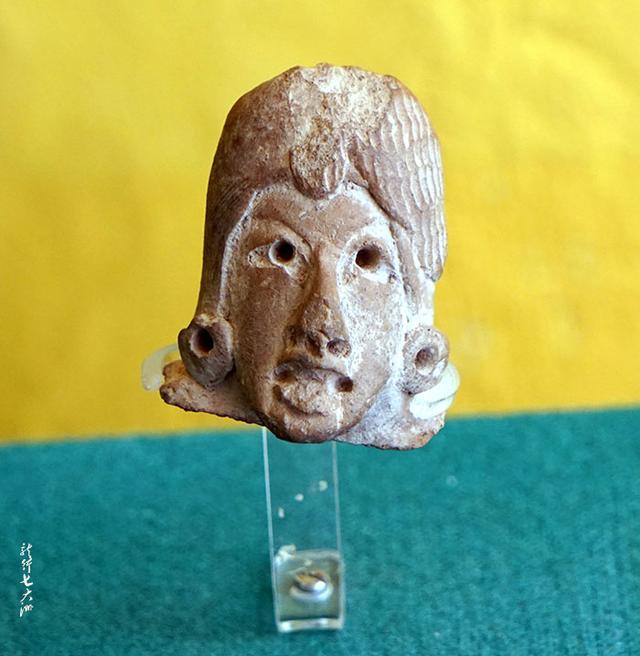
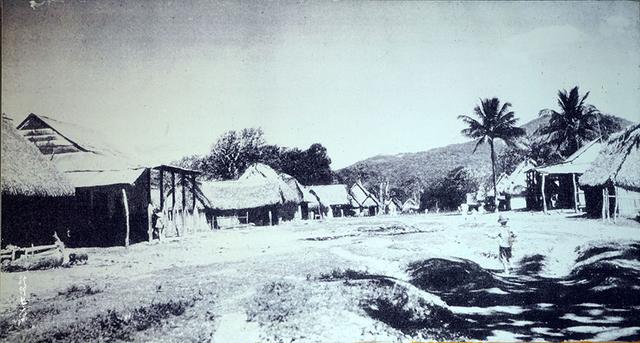
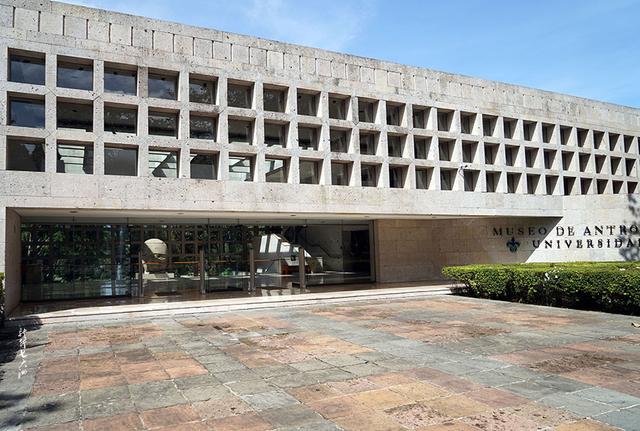
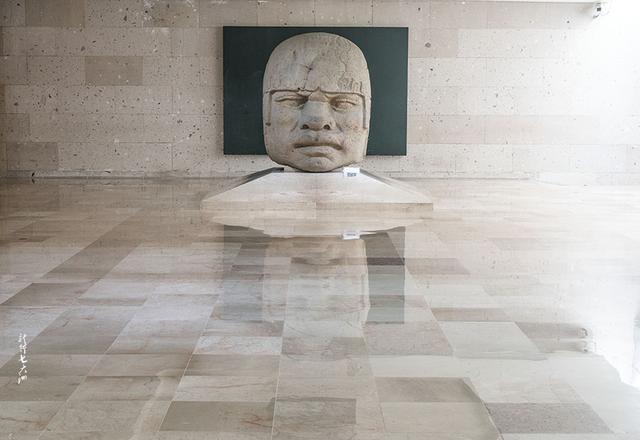
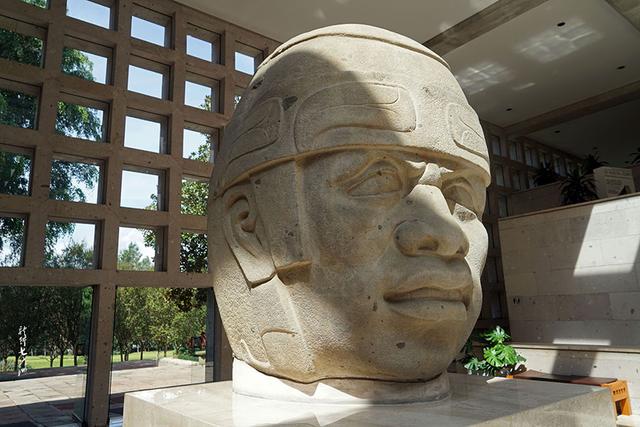
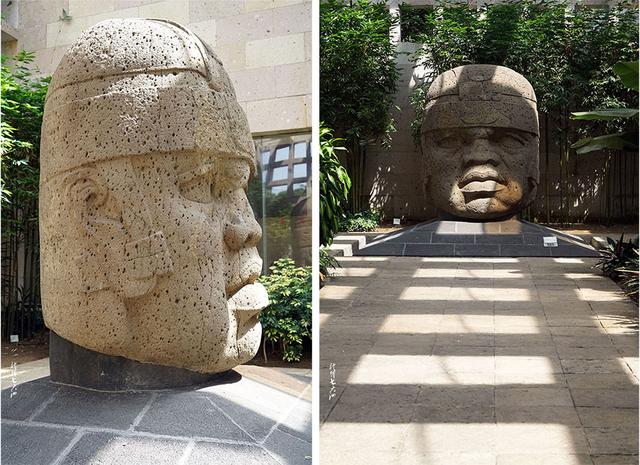
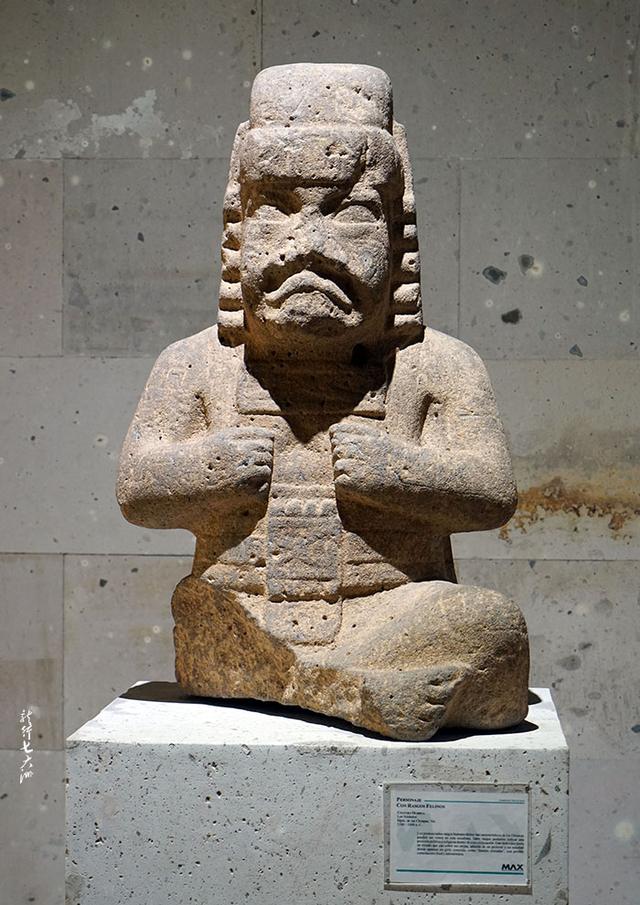
On September 17, 2020, I drove to the last point of the 'Three Points of the Olmec Civilization' – Tres Zapotes.,At 6:30 AM, I left Acayucan, and it took 130 kilometers to reach Tres Zapotes. I didn't expect the last 30-odd kilometers to be unpaved roads, which took a lot of time. It wasn't until 11:30 AM that I finally arrived.,Tres Zapotes is also a small town, very desolate, Google Maps directly led me to the entrance of the museum, and the patterns on the wall of the museum I saw in Google Maps, so I had some familiarity.,Today is Monday, and Google Maps informs me that it is a closed day, and indeed it is not open. I shouted inside the fence, and a middle-aged man came over. Surprisingly, he could speak English. I explained my purpose to him and told him that I was going to northern Mexico, hoping he could let me in to visit. He was very kind and agreed.,He gave me a simple introduction, and then I began to examine and photograph the artifacts carefully.,This small museum was built on the archaeological excavation site, slightly larger than San Lorenzo. What attracted me most was the old photo hanging above the giant head sculpture, which was taken during the archaeological excavation process. The other two old photos showed the former appearance of Tres Zapotes, which I saw in Google Maps.,Although Tres Zapotes is in the late period of the Olmec civilization, because the first 'Olmec portrait' was discovered here, it pushed the civilization of Central America forward by several hundred years, and at the same time established the Olmec civilization as the mother of Central American civilizations.,After saying goodbye to the administrator, I drove north to visit the Jalape Humanist Museum, which is an important part to learn about the Olmec civilization.,Jalape Humanist Museum is located in the city of Jalape, in the state of Veracruz, and is one of the largest museums in Mexico, second only to the Mexican National Museum in Mexico City. This museum is a large modern building, and the exhibits include artifacts from San Lorenzo, El Tajin, and Wahaca, as well as a few Maya artifacts unearthed from the state of Chiapas. The main exhibit in the museum is the artifacts unearthed from San Lorenzo about the Olmec civilization, which occupies half of the exhibition area.,The following images are the most important exhibits, all unearthed from San Lorenzo (around 1200-900 BC):
Olmec Portrait
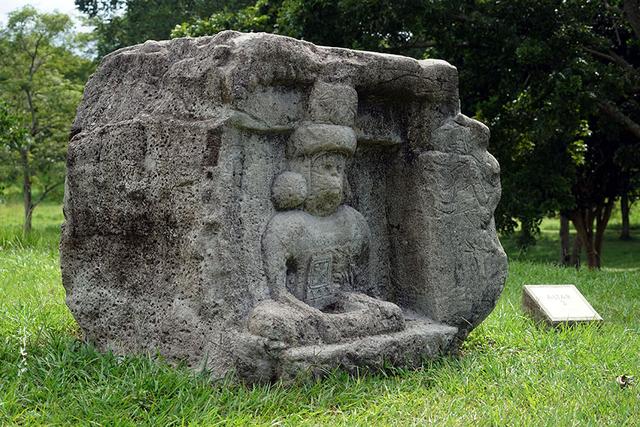
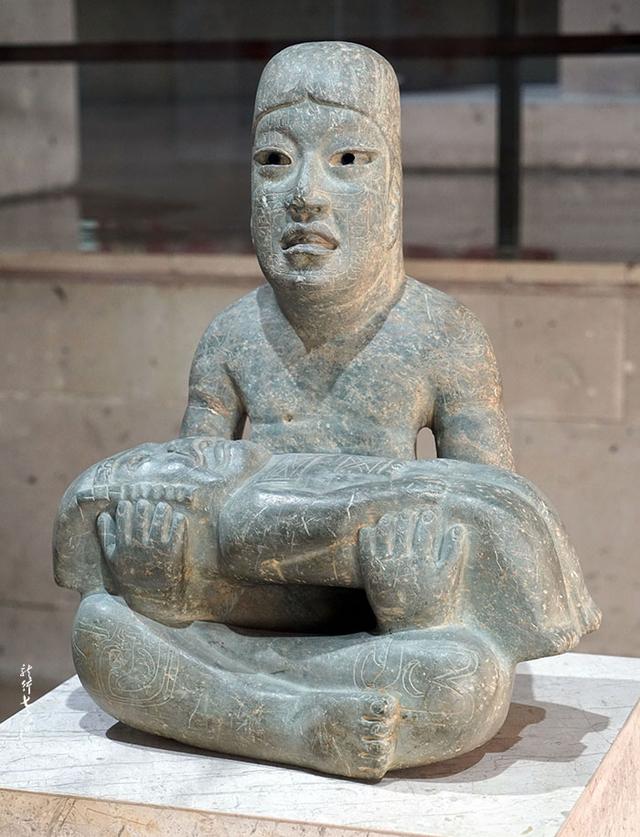
Monument 1 Las Limas
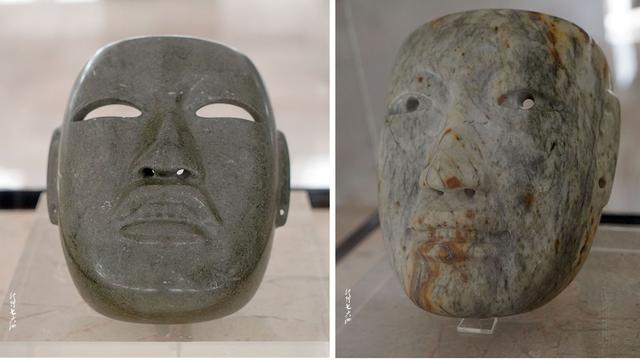
(Las Limas Monument 1) is a jade sculpture depicting a young man misogynic and inherits the Maya's serpent god totem. A testament to the Olmec civilization.,Jade Mask
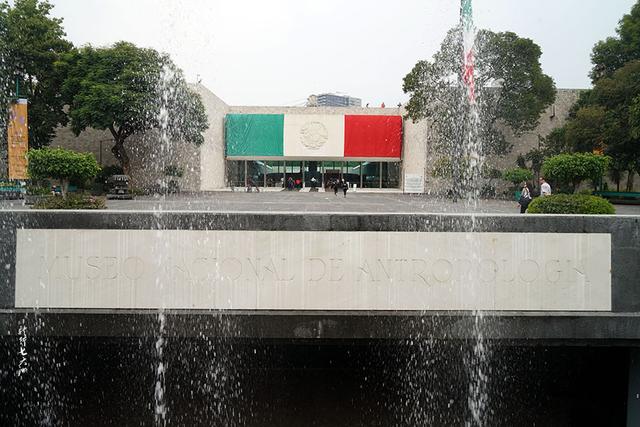
Mexican National Museum
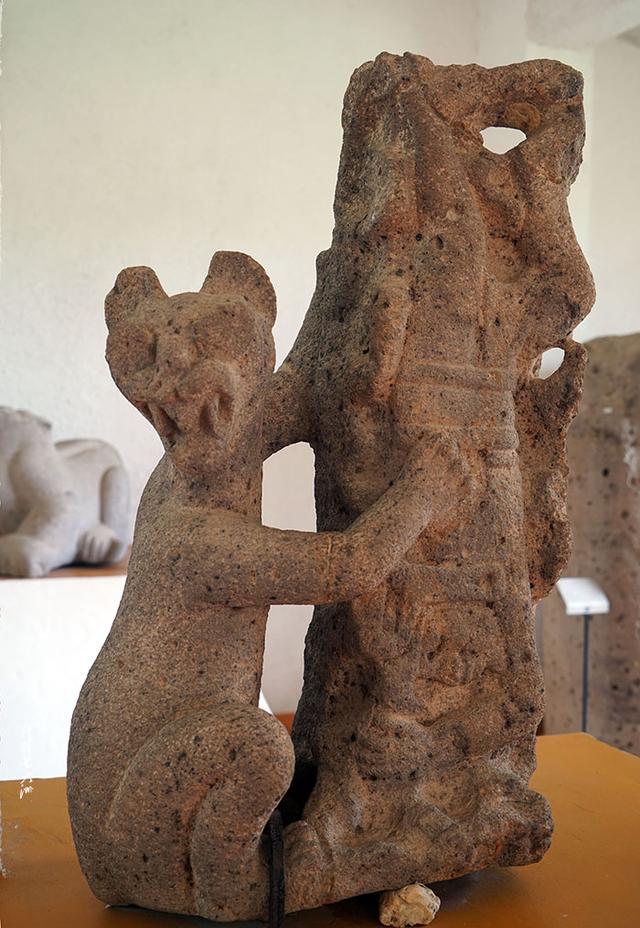
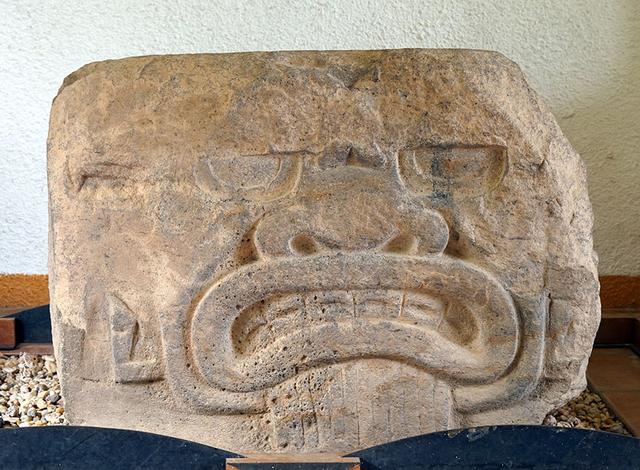
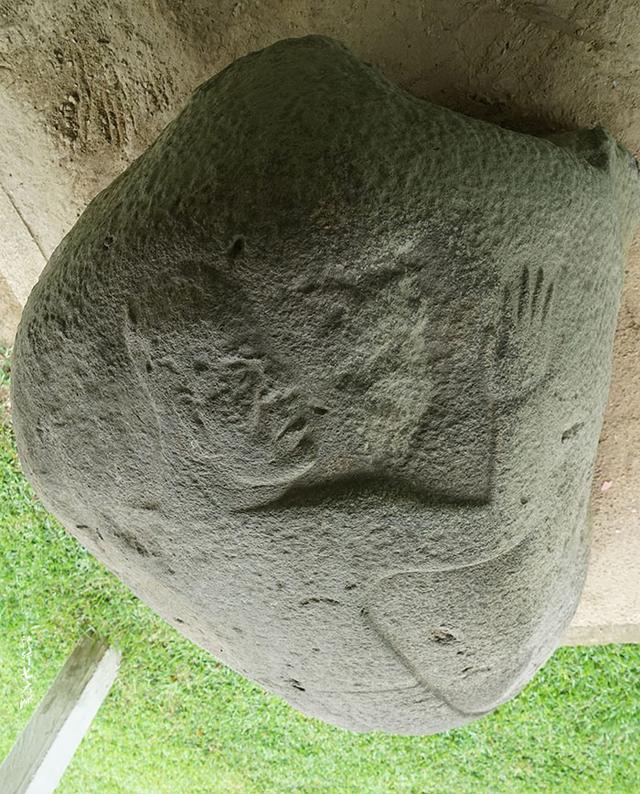
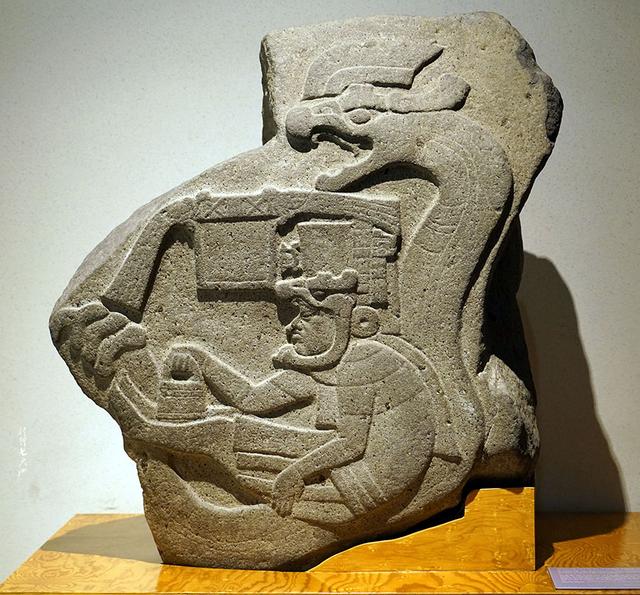
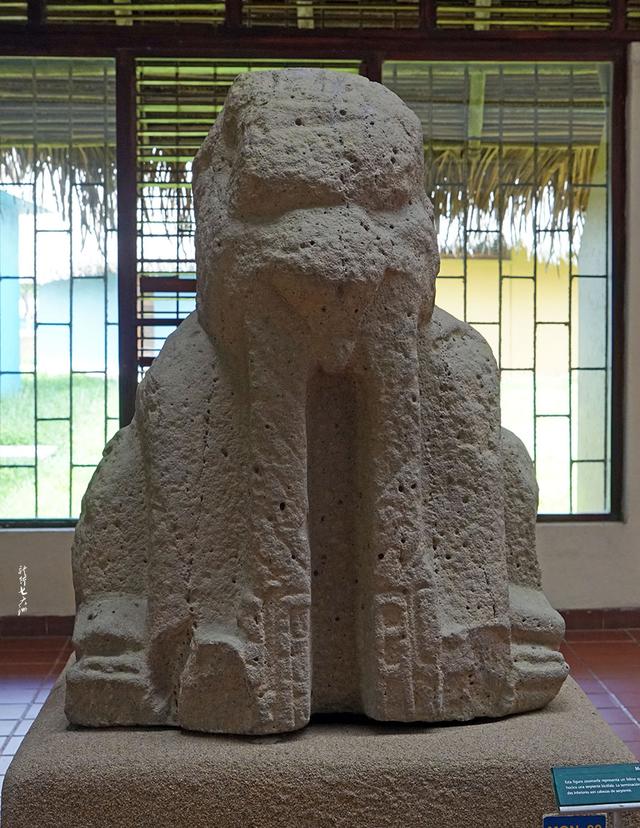
After finishing my travel in southern Mexico, I returned to Mexico City and visited the Mexican National Museum again, in order to see the relief sculpture unearthed from Raventa, which is a testament to the inheritance of the Maya's snake god totem.,Raventa unearthed serpent god relief
--
“”
“”300030
·
·
2020917“”--·
6:30·1303011
·
·
·“”
2020918
1200-1000
1#Las Limas Monument 1
“”