Again and Again Foldu Mountain, the Endpoint is New Dujiangshan Bridge
In Your Worldmade many people know Litang, Maoxue, and Zhishi, as well as Foldu Mountain, Runmashi Mountain, and Liangshan Mountain, which are all famous roadblocks on the Sichuan-Tibet Highway. After departing from Chengdu, it took three hours to encounter these roadblocks. ‘Scary Liangshan, deadly Foldu Mountain’… For those whose ultimate destination is Lhasa or Mount Everest, these are just appetizers before entering Tibet, and they will be excited, thrilled, nervous, and worried – all normal reactions in front of the beautiful Tibetan plateau. We jump for joy, we cheer! Beautiful Western Sichuan, I’m back!
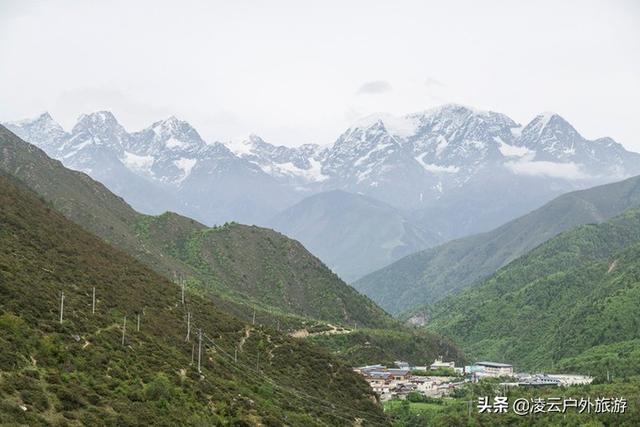
About thirty minutes after leaving Kangding is Foldu Mountain, known as the ‘First Pass of the Kongpo Line’, with an altitude of 4962 meters. However, it’s not the 4962 meters that needs to be crossed, but the 4298-meter pass.
Actually, there’s no such thing as traveling alone on a journey. Even if there’s no one around, there’s the vast African plains, speeding jeeps, occasional car horns, and countless stories. Even if all of this is absent, I have myself with me. Thinking about the brave cyclists and hikers who silently ride and trek along the Sichuan-Tibet Highway, I’m inspired by their inner strength – keep going, keep going!
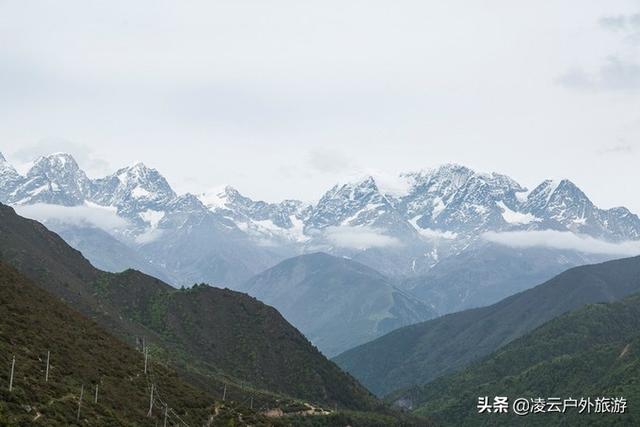
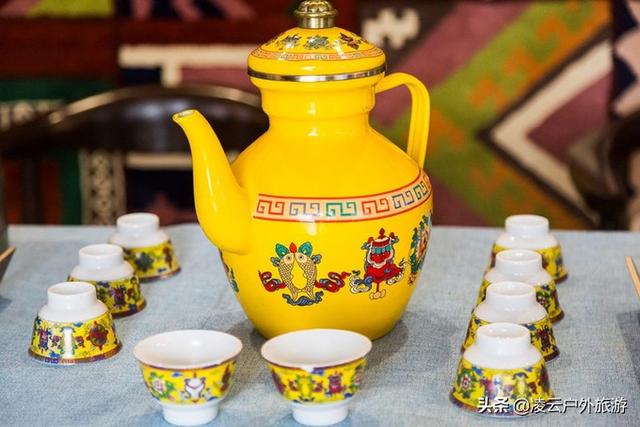
After crossing the Foldu Mountain pass, it takes about an hour and a half to reach Xindu Bridge, which is known as ‘Photographer’s Paradise’. The entire drive is about 6 hours, which is unsatisfying for me, a veteran of multiple Tibet trips. However, two first-time Tibet visitors experienced altitude sickness to varying degrees. Fortunately, the hot ‘Suoya Tea’ prepared by the Tian She Hotel saved their lives and significantly relieved their symptoms. This also reminds friends planning to visit the Tibetan plateau: don’t assume you’re in good health and therefore don’t need to take precautions – you must undergo thorough preparation before entering Tibet.
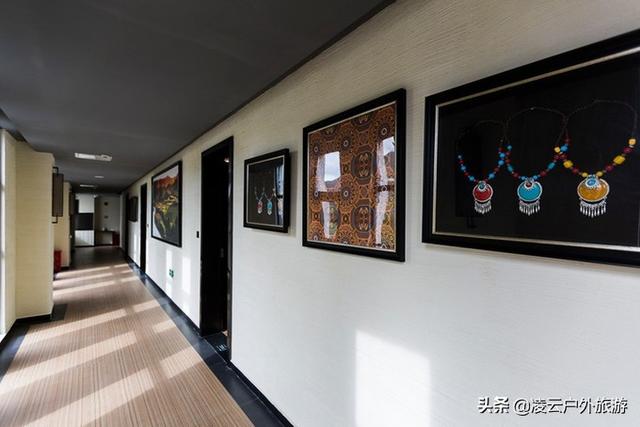
Hotels filled with Tibetan-style features.
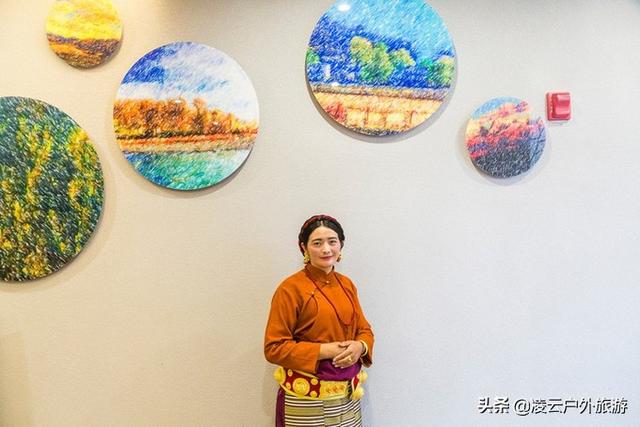
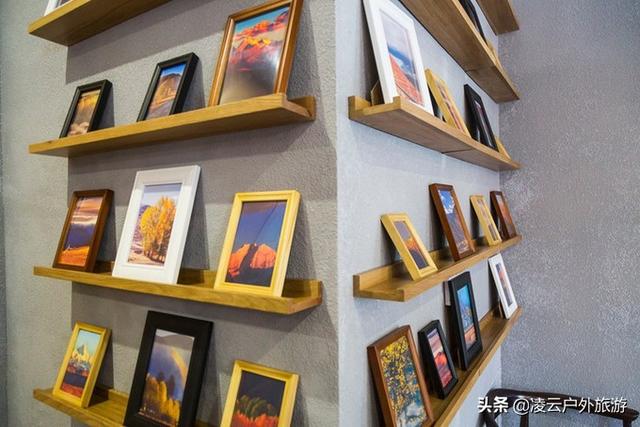
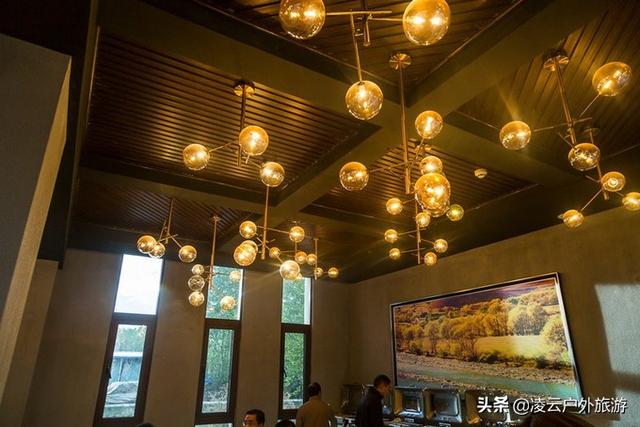
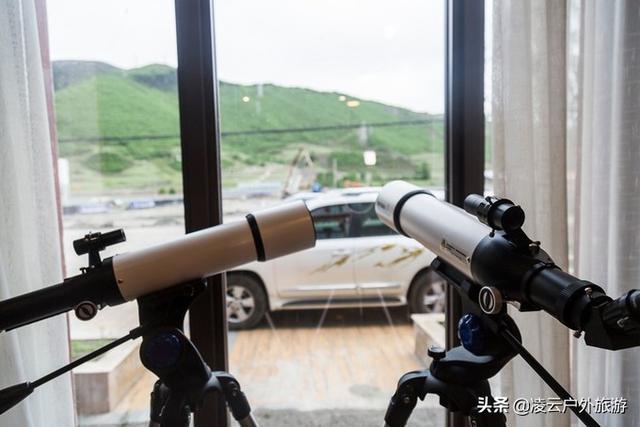
High-powered telescopes, unfortunately, the ever-changing weather only allowed us to see beautiful starry skies in our dreams.
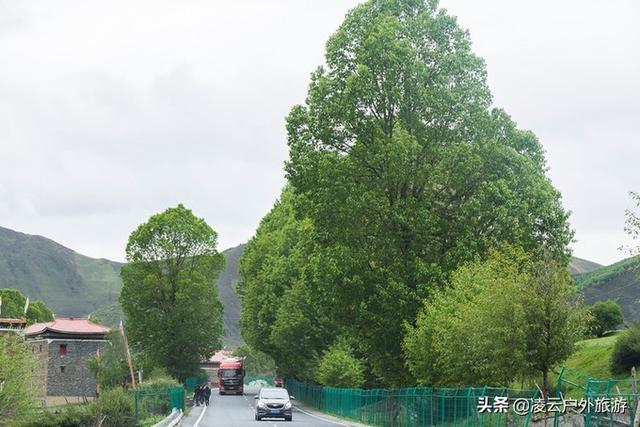
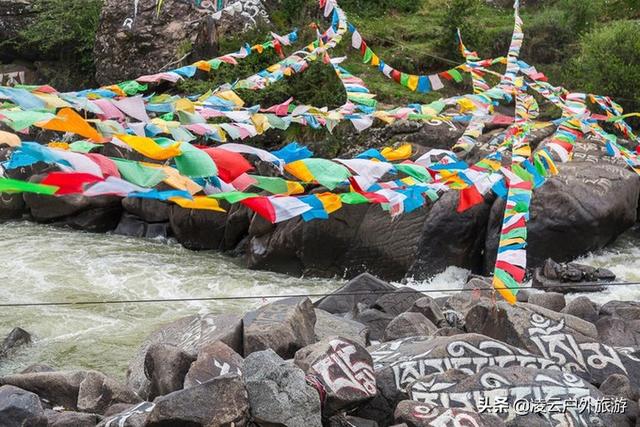
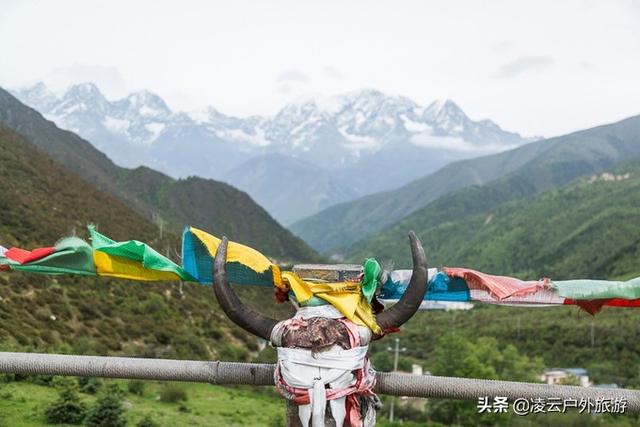
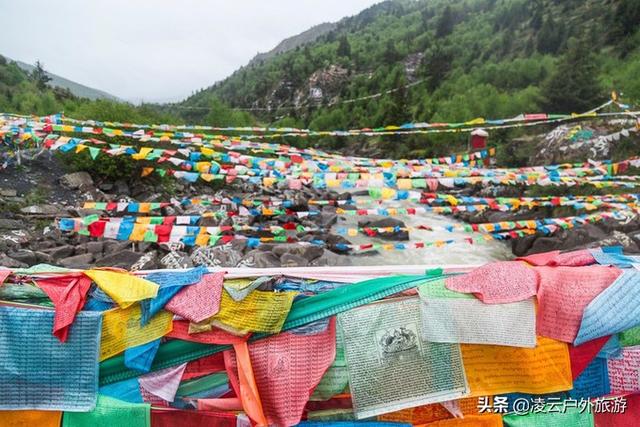
On the 215 Provincial Road beside Xindu Bridge towards Taga, the water from the Yellow River Snow Mountain flows into rivers, rushing southwards. The riverbanks are lined with wind-blown scriptures, with colorful Nima stone carvings stretching for more than ten kilometers – a magnificent sight. ‘Sacred mountains and sacred water, Buddhist secret mantras’ – this land of pilgrimage is filled with magical charm.
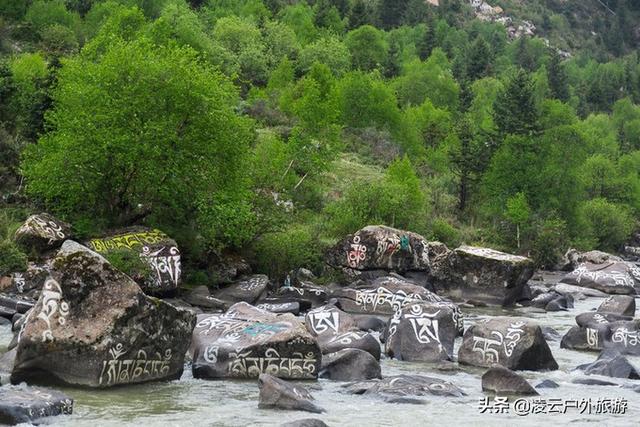
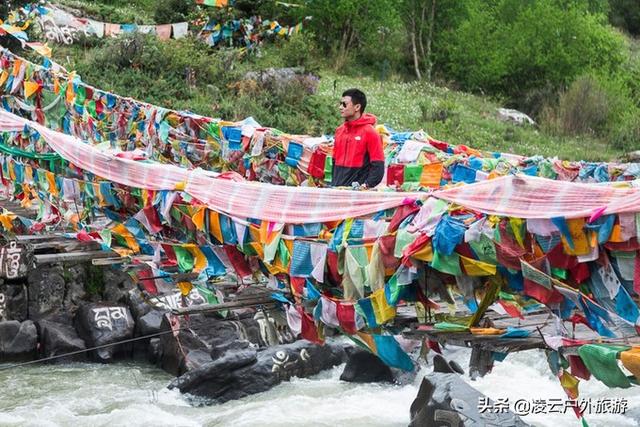
‘Mani’ is an abbreviation of the six-syllable mantra ‘Om Mani Padme Hum’. ‘Mani Stones’ are stone blocks engraved with Buddhist mantras, the six-syllable mantra, and various Buddhist images. They originate from the primitive worship in the Tibetan region. Nima stone carvings are a form of Tibetan stone carving art, a combination of carving and painting, a traditional artistic expression. Tibetan people carve their hopes, aspirations, emotions, and wishes into stones, also giving nature a unique spiritual energy.
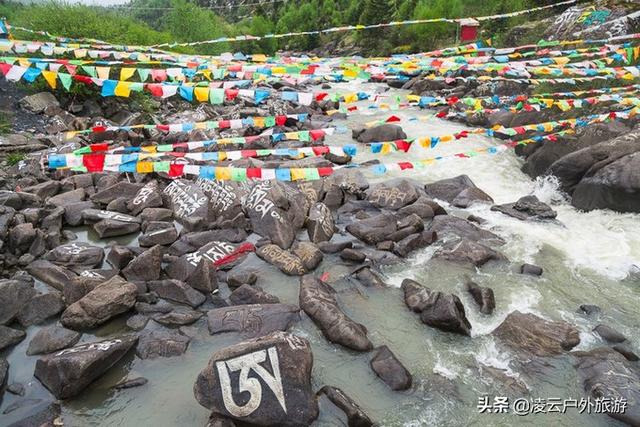
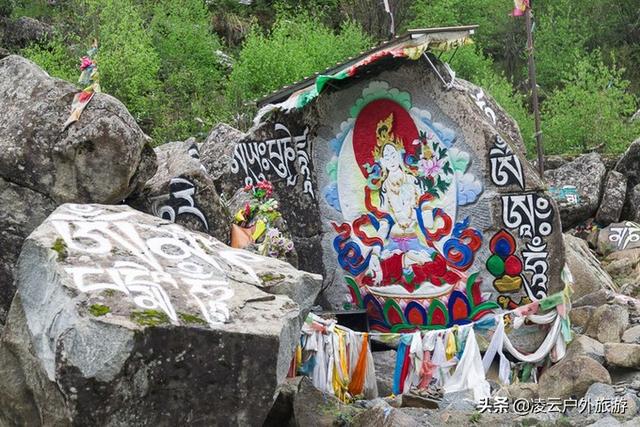
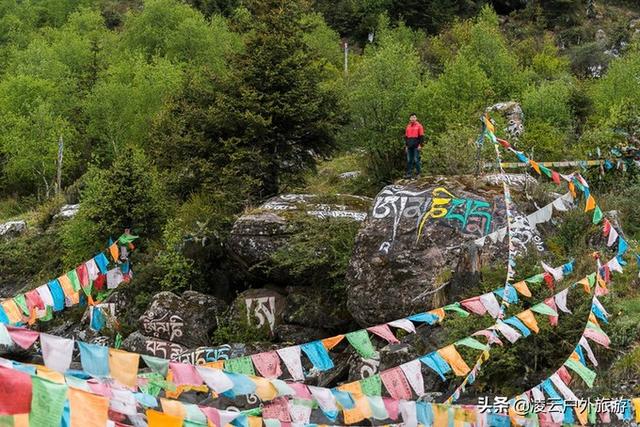
1. When visiting Mani Valley and taking photos, be sure not to step on the six-syllable mantra. 2. In rainy weather, the valley is slippery, so be careful about safety.
Follow Lingyun to travel together!