Zhejiang's Most 'Laidi' Ancient Street: Still Inhabited After 8 Years in Historical District
Every city has an old street, and the streets are bound to be distributed with various rustic or antique buildings, with buildings hiding several small shops selling snacks and crafts. Tourists in old streets are definitely many, searching through the streets to find the 'same old taste' of the old street. In the small city of Linhai, Zhejiang, there is also such a street, which is particularly distinctive. Below, the author will talk to you.
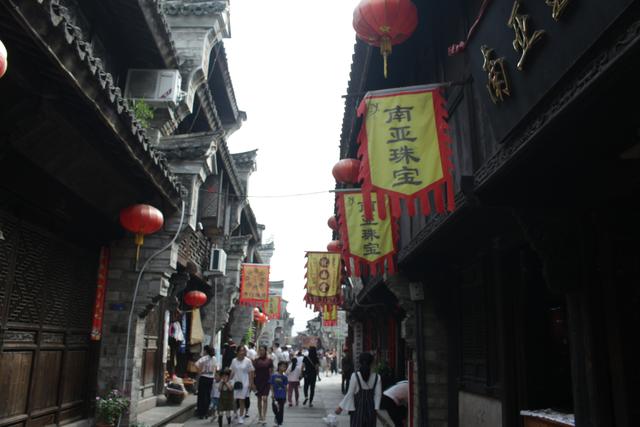
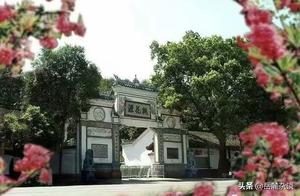
Ziyang Ancient Street is located at the southern end of the Linhai Ancient City in Taizhou. It is connected to the Taizhou City Wall. Since the construction of Linhai Ancient City, this street has been inhabited by people, so this ancient street is also known as Linhai's 'first ancient street', with a history of over a thousand years. The ancient street is 1080 meters long, with blue stone slabs on the ground, and antique buildings on both sides face each other. These buildings are mostly Ming and Qing styles, wooden structures, and arranged in an orderly manner. There is a courtyard wall every hundred feet, and each courtyard has a beautiful name, such as 'Qinghe Fang' ('Clear River Courtyard') and 'Yingshian Fang' ('Meeting Immortal Courtyard'). These courtyards are like firewalls, effectively preventing the spread of fire.
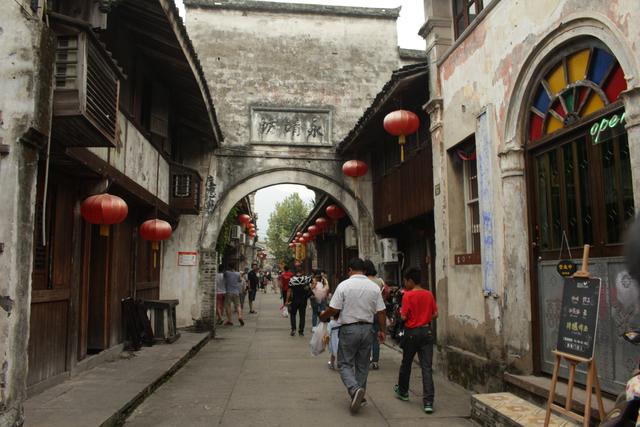
From the buildings on both sides of Ziyang Street, it can be seen that this is a genuine ancient street, and the walls of the houses have very obvious mottled traces, which makes it more authentic than those renovated 'ancient streets'. This street cannot avoid some tourism development, and shops are distributed on both sides of the street. However, compared to the ancient streets that the author has seen in other cities, the shops here seem very natural, like the 1970s or 1980s street.
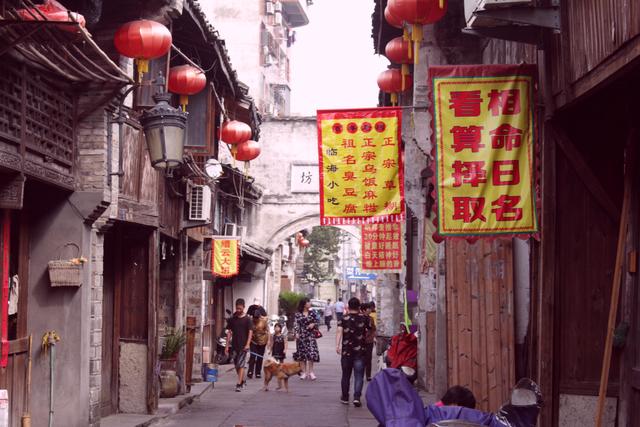
Ziyang Ancient Street is called 'living ancient street' by people, because this street has always had residents living on it, which seems rare in other cities' 'historical and cultural streets'. As Ziyang Street has been developed, it has attracted many tourists, which will inevitably bring some impact to the lives of the old residents. However, the old residents here seem to have adapted to this change, and some old residents are even doing small businesses in their old houses.
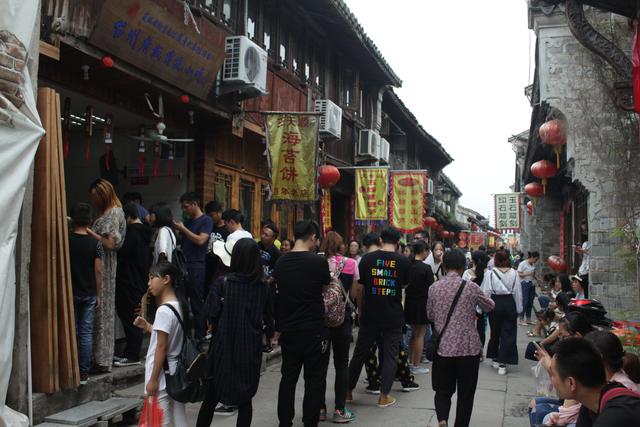
In 2012, Ziyang Street was selected into the 'Top 10 Chinese Historical and Cultural Streets' – it was the second 'cultural street' in Zhejiang after Qinghe Fang in Hangzhou. This honor certainly proves the historical value of the street, but the street seems quite 'Buddhist' and has always been in a state of no heat and no fire. It is precisely this state that the author likes. Compared to purely commercial street areas, street areas with original residents seem more 'authentic'. Do you know this ancient street? Compared to purely 'commercialized' ancient streets and street areas like Ziyang Street, which do you prefer? Welcome to leave a comment to discuss.