Dinosaur Footprints Discovered at Chengde Summer Resort, Revealing a Hidden Historical Chapter
Recently, research teams of Chinese, American, and Australian scientists have completed research on dinosaur footprints in the Chengde area of Hebei Province. A large number of dinosaur footprints were discovered in Yishouzhuang (Summer Resort) in Chengde, which has given the public a new understanding of the Summer Resort and they exclaimed that it was 'Jurassic Park'. Today, Xiao Ke will talk to you about this mysterious royal garden.'
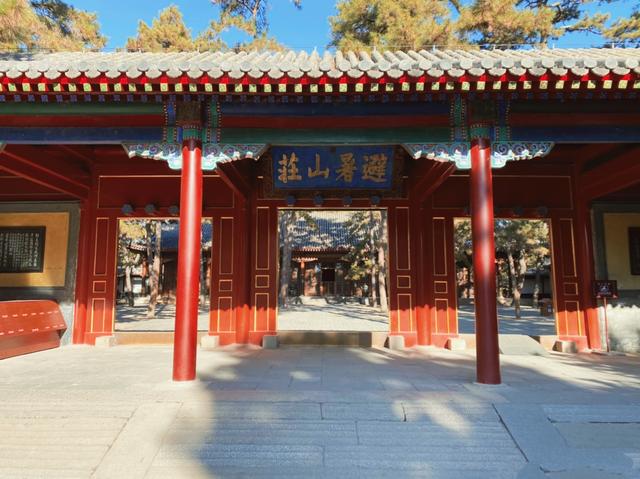
Chengde Summer Resort is also known as 'Chengde Yiling Palace' or 'Hehotu Ying' (Hot River Palaces), located in the northern part of the center of Chengde City, Hebei Province, on the western bank of the Wulu River. We know it as a World Cultural Heritage, a National 5A-level tourist scenic spot, and a National Key Cultural Relics Protection Unit, one of China's Four Great Gardens. However, it is little known that it was the last shadow of the Qing Dynasty.
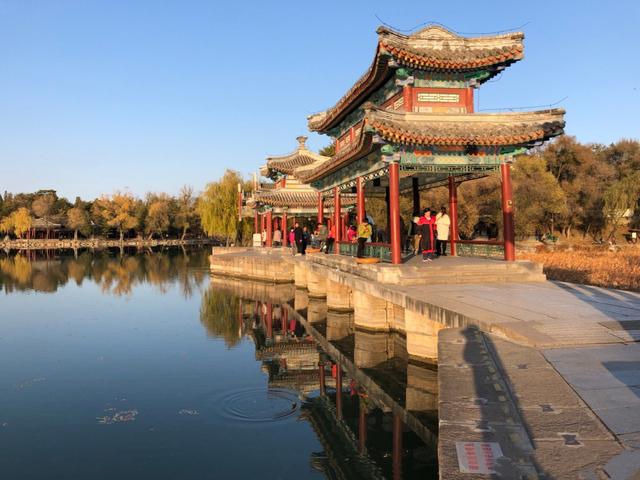
Chengde Summer Resort was ordered to be built in 1703 by the Kangxi Emperor, taking a total of eighty-nine years to complete. The six emperors of the Qing Dynasty were all related to the Summer Resort. Kangxi and Qianlong Emperors spent more than half of their time here working, so it became the second political center outside Beijing. This eighty-nine-year period spanned the Kangxi, Yongzheng, and Qianlong Prosperity, so the construction process witnessed the last brilliance of Chinese feudal society.
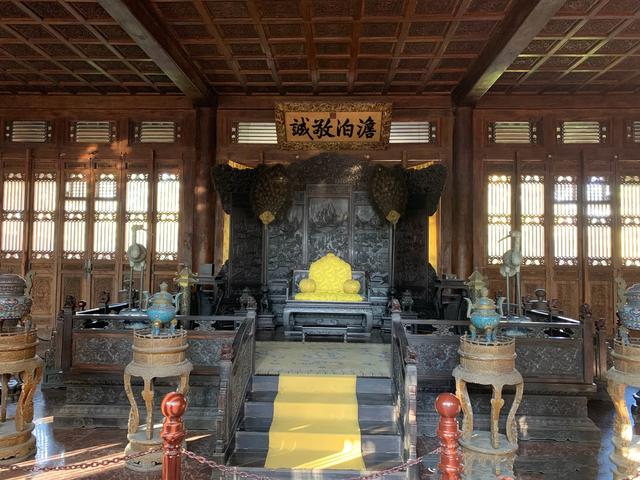
The resort was built, but a dynasty ended. Kangxi's brilliance faded, Qianlong's radiance was no longer brilliant, the scenery of the resort was still beautiful, but the wider, more expansive rivers and mountains faced disasters. Many unequal treaties that compromised China's power were signed here, witnessing both the prosperity and greatness of the Qing Dynasty, and the decline of the feudal system.
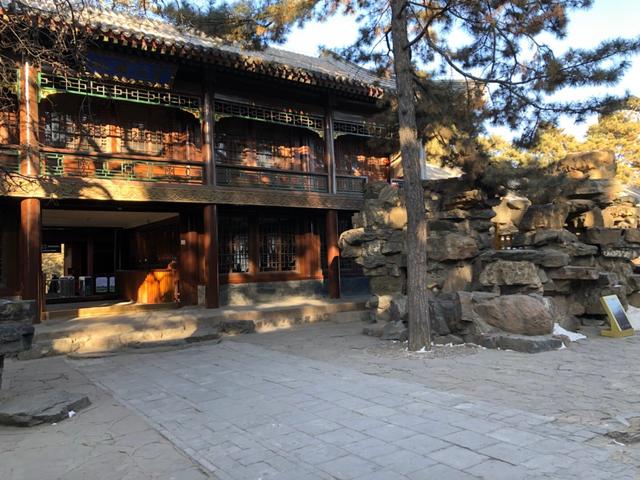
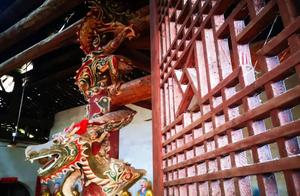
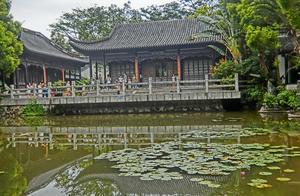
The precious cultural relics preserved in the garden today are the best interpretation of that glorious era. The resort has a simple and rustic mountain and forest style, taking the natural original landscape at its core, absorbing the water-scenery and charm of the South of China, while creating a mountain garden with gardens within gardens.
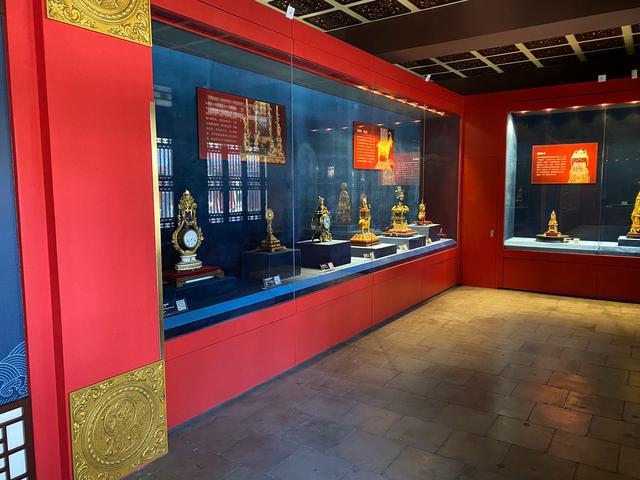
This great artistic treasure has been well preserved. Chengde City has thus gained a bit of rich color. Everyone lamented that it was because of the Chengde Summer Resort that Chengde City came into being.
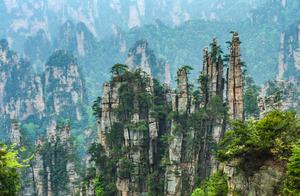
Today, Chengde is a beautiful tourist city. The city is surrounded by the Yan Mountains on all sides, with the striking Qinhuai Peak to the east, the towering Jiao Mountain to the west, the undulating Guangren Ridge to the north, the majestic Jinshan Mountains to the south, and the steep Songuan Peak to the west, all of which present a very beautiful and charming landscape.
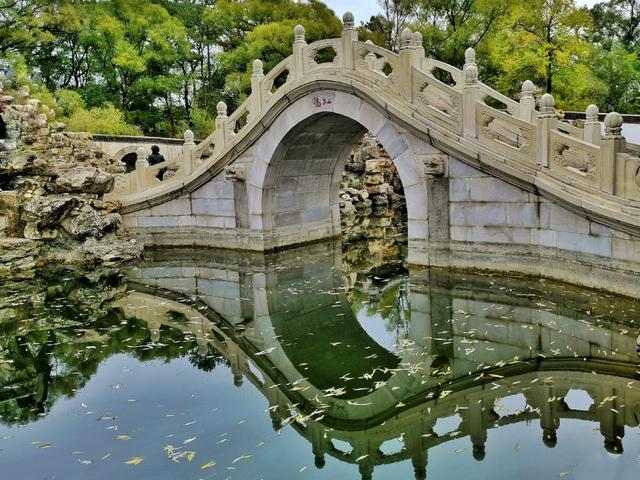
It's not enough to have beautiful scenery alone. Why did the Qing Emperors spend half their time in the Chengde Summer Resort? It's because of the climate. The summers here are very cool and comfortable, suitable for human habitation. The hot springs in the resort, steam in winter, truly winter and summer warmth.
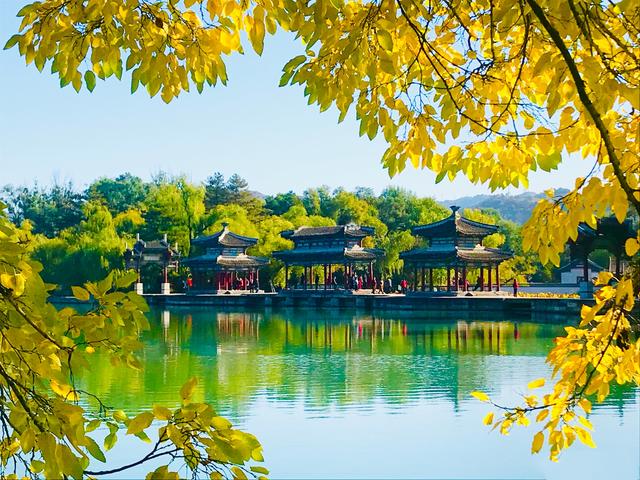
Chengde not only has royal gardens, strange mountains and rivers, and folk cultures, but also has China's largest indoor ice sculpture exhibition project - Ice City. Ice City utilizes the natural ice blocks around the Hehotu River within the Chengde Summer Resort, meticulously carved by ice sculptors from Harbin and Beijing, resulting in a variety of ice lanterns, ice sculptures, and various exciting, thrilling, safe, and fun ice and snow entertainment projects, attracting many visitors in droves.
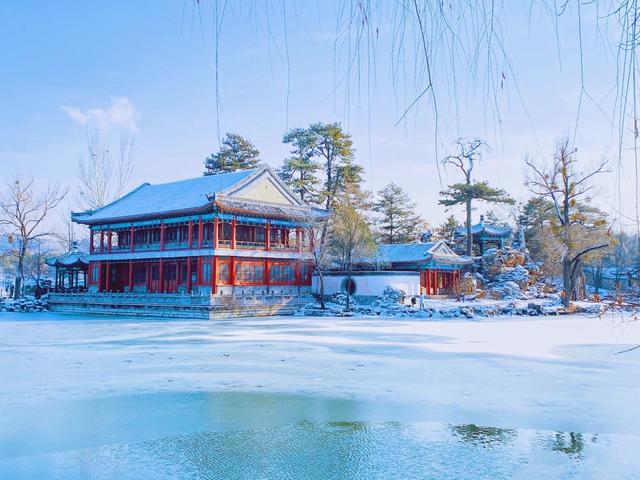
If you live in Chengde, you will find that Chengde has different wonderful things in all four seasons. Here is full of humanistic connotations, allowing you to deeply understand the history of the Qing Dynasty. Many people choose to go to the resort to enjoy the cool summers, and I personally prefer the winter in Chengde, because you can quietly appreciate its stories in the pure white background and in a quiet environment.