The Largest and Most Elaborate Tang Tomb Among Surviving Tombs in the Central Plains Region, and the Only Royal Tang Tomb in Luoyang
Henan Province, the birthplace of the Chinese nation and the Xia civilization, is the province with the most dynasties established, the longest establishment history, and the largest number of ancient capitals. It is a genuine 'treasure province' in terms of cultural heritage, ranking second only to Shanxi Province in the number of national protected units.
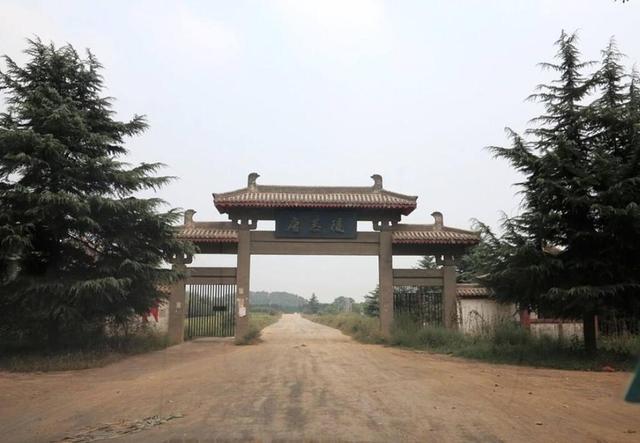
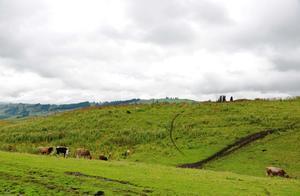
Tang Gongling (Tang Emperor Gongzuo's Tomb) is located at the summit of Jingshan in Gushi Township, Yunshi City, Luoyang, southwest of Hutua Village. It's nestled against the Song Mountains to the south, the Lu River to the north, and surrounded by mountains to the east and rolling hills to the west. The landscape is picturesque and serene. This tomb belongs to Emperor Gongzuo, the fifth son of Emperor Tang Li Zhitong and the son of Empress Wu Zetian, Li Hong. It is commonly known as 'Prince's Tomb.'
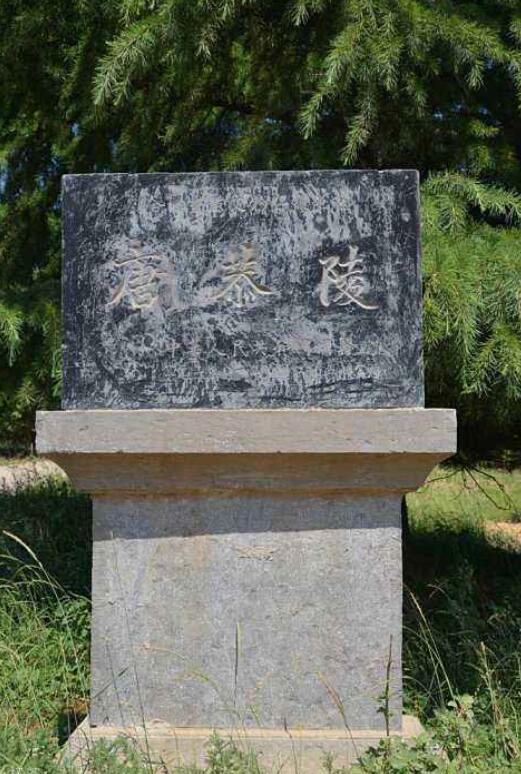
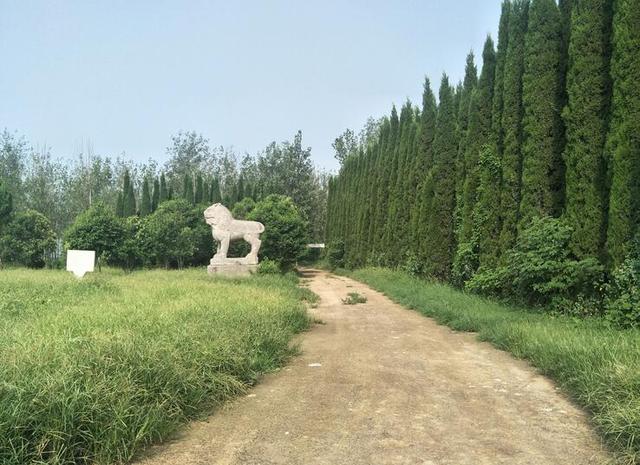
Visitors have consistently voiced concerns about the potential risks to the protection of artifacts at Tang Gongling, with rural roads crisscrossing the site, some roads bordering the stone statues closely, posing a significant threat to the artifacts. Furthermore, there are no protective fences around the site, and it's located in the wild, covering a large area, surrounded by farmland. Addressing these issues requires the government to shift its focus towards cultural heritage development, establishing a tourist protection zone. This would not only enhance the city's renown and develop tourism, but more importantly, it would contribute to the preservation of cultural heritage.
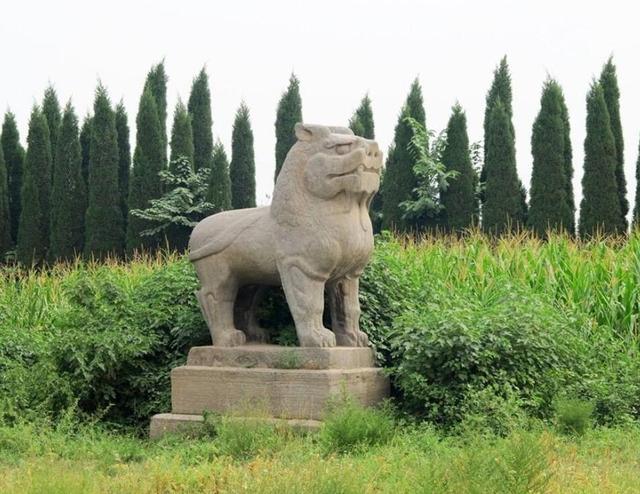
While admiring the exquisite stone carvings on either side of the Prince's Tomb, people discussed the possibility of creating replicas of the stone carvings from the Song Dynasty tombs. If such a magnificent scene could be realized, it would be truly stunning. Allowing myself to wander, I pondered: If all the stone carvings from the eighteen tombs of the Tang Dynasty, as well as the stone carvings and epitaphs from all imperial tombs across the country, could be made into replicas, it would undoubtedly be a creation that would shock the world. It would require someone with the vision, capability, conditions, and opportunity to undertake such a vast project.
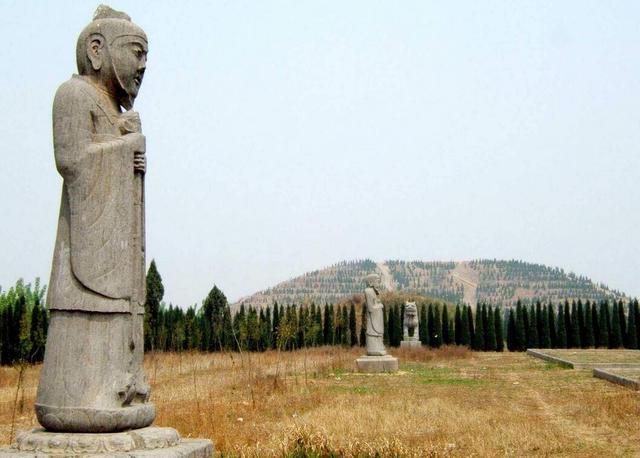
The tomb was originally surrounded by a sacred wall with corner towers, and there were gates on each side. Now, the gates and towers are no longer standing, but the remaining earth structures still exist. The stone carvings at Tang Gongling are exquisitely carved and exceptionally valuable, predating the carvings at the (Dry Ridge Tomb), and represent one of the few surviving sets of Tang Dynasty-era tomb carvings in Henan.
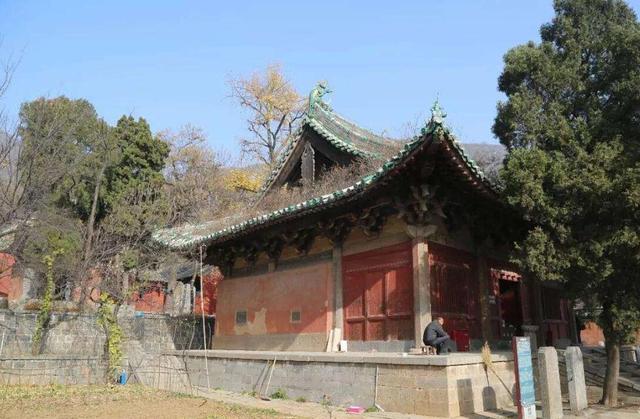
On January 30, 1998, tomb robbers infiltrated the Tang Gongling Cemetery at night, using explosives to blast open the Queen Mother's tomb and steal over 60 national treasures. This was the '2·15' Tang Gongling Artifact Theft Case, a shocking event that garnered international attention. Fortunately, the case was quickly solved, and the artifacts were recovered; 11 tomb robbers were also executed near the cemetery.
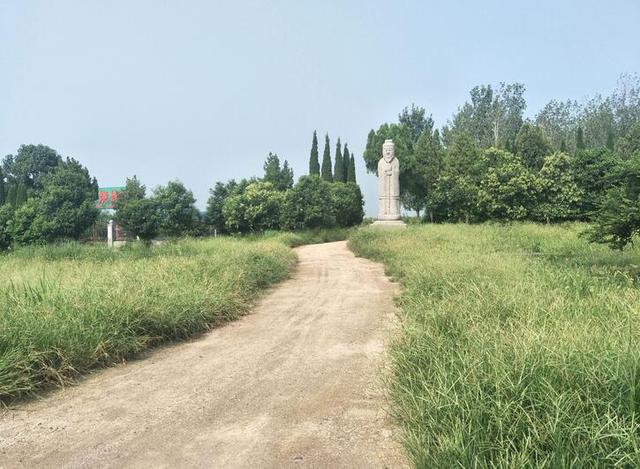
Perhaps the asymmetry between the road to the tomb and the tomb itself is a factor. The route to Tang Gongling is also strangely meandering, leading visitors to the western part of the tomb along a dirt road. Despite its relatively well-preserved state, apart from the large burial mound, only the stone statues along the path remain. As one of Henan's historical treasures, it cannot be compared to the (Lu Wang Tomb) of the Ming Dynasty, unless considering its historical significance.