The Oldest Miao Village in Guizhou Became the Last Tribe of Gunners – You Might Not Even Be Able to Pronounce Their Name
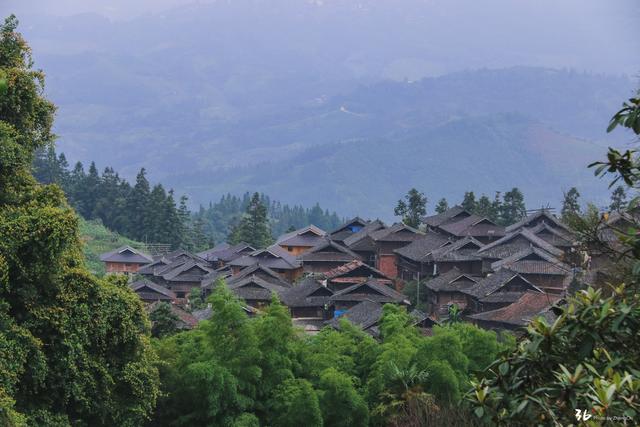
The Wosha Tribe is the Wa Sha's golden signboard for external promotion and marketing, most travelers come here for the gunshot of Wa Sha to listen.
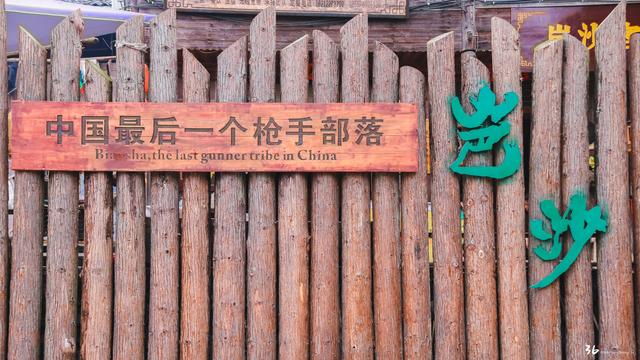
In the local population, 'Wa' is read as biā, but there is no pronunciation in Chinese Pinyin, 'Wosha' in the Miao language means 'a place with dense vegetation and abundant growth', Wosha is a branch of the Black Miao and one of the oldest villages,
Australian humanologist Geddes said in 'Mountain Peoples', 'There are only two races in the world that have suffered severely and stubbornly, they are the Chinese Miao and the Jews scattered around the world, the history of these two races is almost written by war and migration'.
According to legend and historical records, the ancestors of the Miao people are (Shi You), who originally lived in the middle and lower reaches of the Yellow River, after the three Miao tribes began to migrate south, eventually entering the southwest mountains of Guizhou Plateau, it is said that the ancestors of the Wosha Miao tribe were the vanguard of's migration south. Today, the men of Wosha still wear warrior-like uniforms, wearing black clothes, guns and knives are inseparable, Wosha Village has been approved by the Public Security Bureau to become 'the last tribe of gunners'.
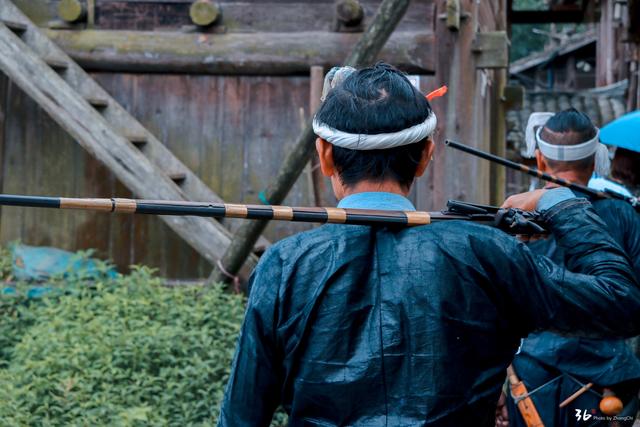
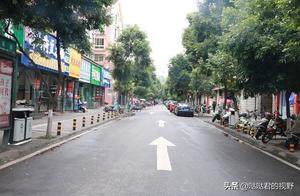
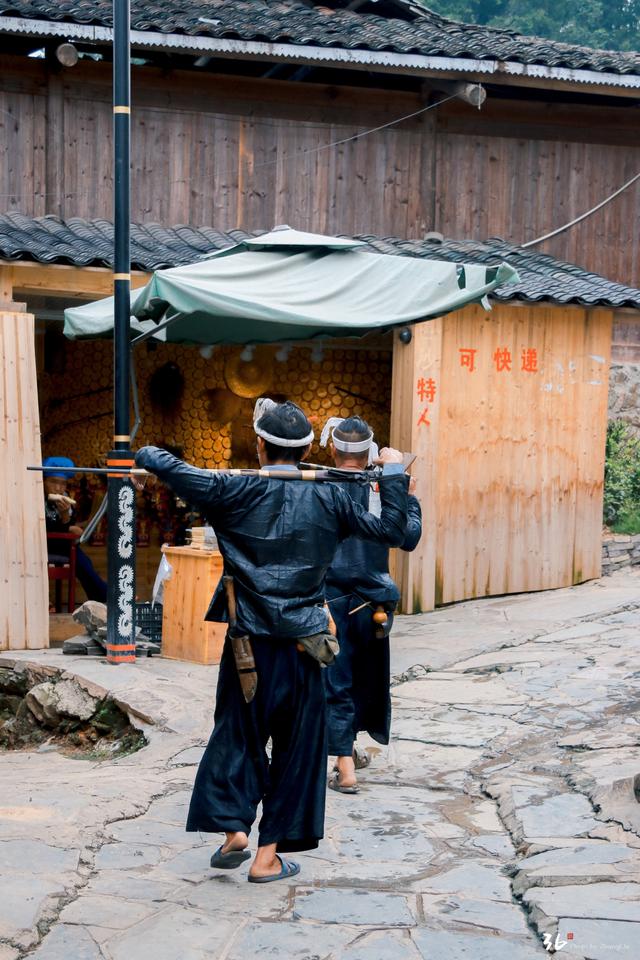
Outside the village, there are only a few shops, which is convenient for local villagers and tourists, cars come and go, this is the most bustling place in the village.
Every day, Wosha Village has three performances, and when the time for the performance approaches, the villagers holding guns and tourists will all head to the same destination – the performance field.
When the performance starts, outside the performance field is the quietest place in the village during the day, without any outside disturbances, entering the depths of the village, slowly feel the real Miao village life. Gradually move towards the depths, the more and more rustic appearance. Climb onto the old wooden structure buildings, look out is the staggered terraced fields, as if walking among the green clouds.
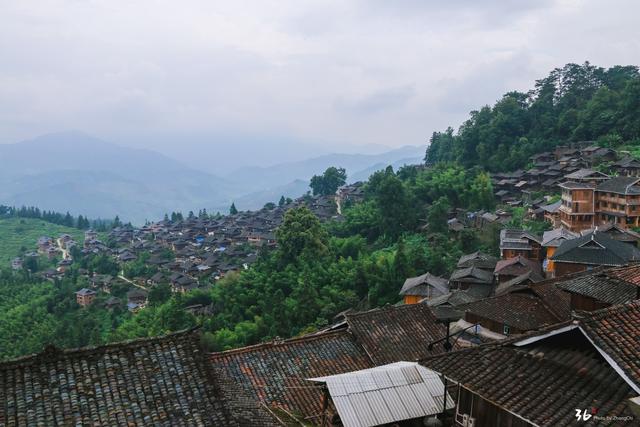
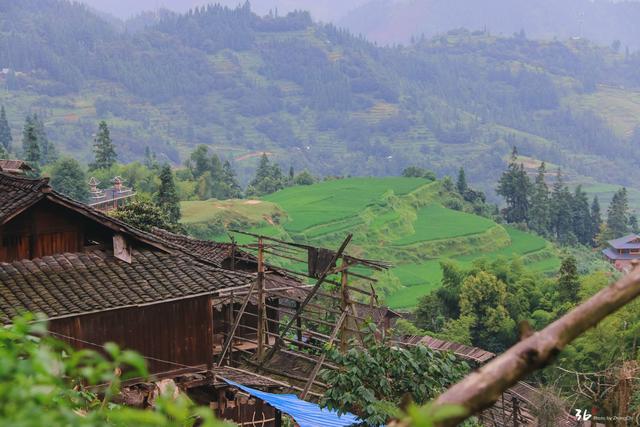
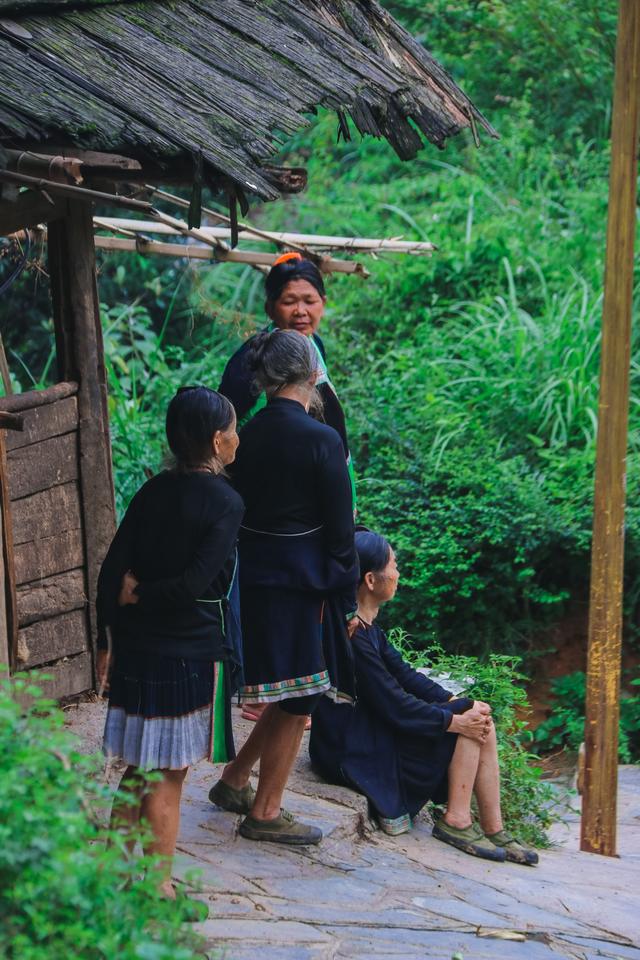
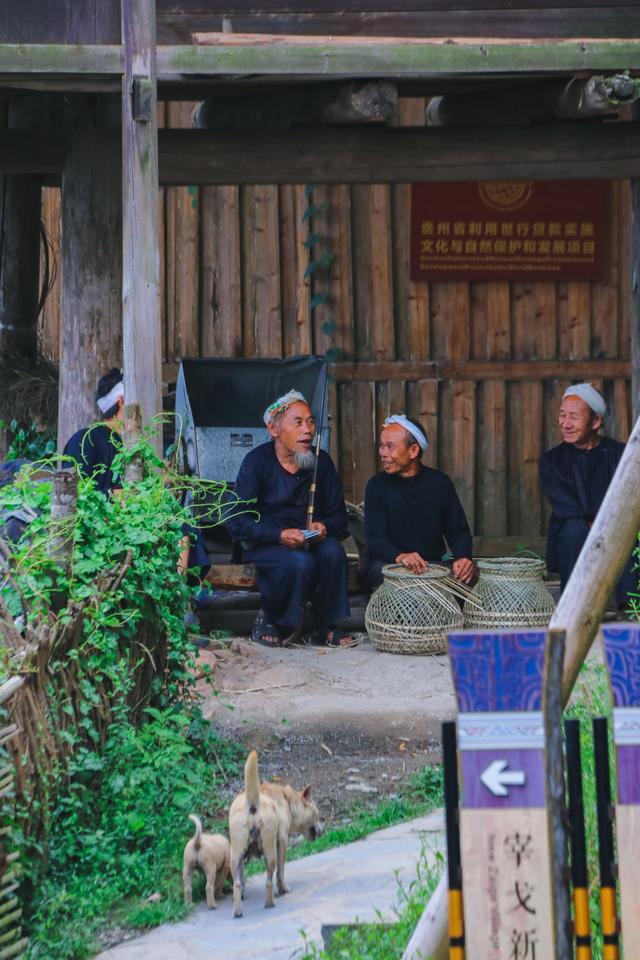
The village inside is the most authentic Miao village. The pavement made of stone slabs can be said to be full of chicken droppings; adults and children enjoy themselves; women seem to be chatting and playing while washing their hair; the elderly are pulling oxen, almost occupying the entire road, local earth dogs are following, seeming to experience the majesty of oxen; the elderly are sitting together talking about their life experiences, still holding a big smoking gun.
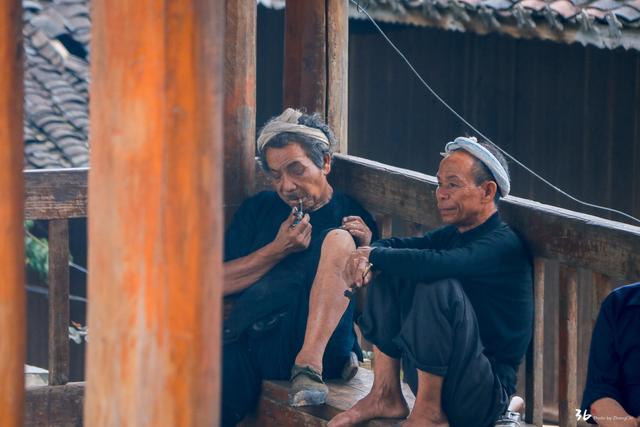
Wosha Village, one of the oldest villages, is a living fossil of Black Miao customs and culture. The most unique and iconic is the hairstyle of Wosha men, their hairstyle is called 'hu gotun' in the Miao language, which is to shave their surroundings short, and maintain long hair on the top, and then arrange it into a long bun. They consider this hairstyle to be a protective amulet, and boys will shave their hair into this shape when they turn 15 years old. As for when it started, there is no definitive answer, but it can be determined that they have been shaving this hairstyle from ancient times to the present, some call it 'living Roman soldiers'.
In Wosha, having no waist knife is a sign of distinction between heroes and cowards, they have a proverb, 'one gun, one dog, one gun pointing at the mountain' However, their firearm customs are not innate. But today, the earliest hunting and defensive tools now exist as welcome performance.
Wosha Village also has 'Three Treasures', besides hairstyle and guns, there is another treasure is the sacred tree. Wosha people have ancient tree worship and sun worship, there is a sacred tree in the village entrance, which is the sacred tree in the hearts of Wosha people, and a monument and temple were built for it. And their hair buns may be related to trees. In their customs, 'plant one tree when you are alive, plant one tree when you die' they connect people's lives and trees.
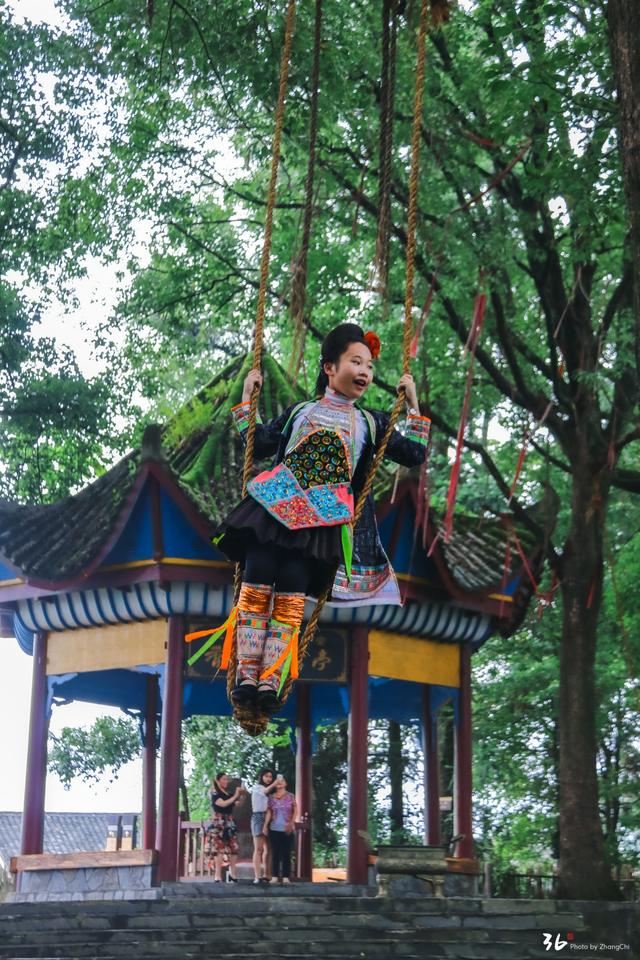
When leaving Wosha, at the sacred tree, a little girl is swinging a swing, swinging a swing has been a common game in many ethnic groups in China. In Wosha, people like to play this game from childhood, and this is also a way for young men and women to fall in love.