Visit to 'Die Wu Village': A Journey of Nostalgia and History
A road, a tree, and a drainage pit – all of them reflected the villagers' nostalgia. The village is also considered a 'spiritual hometown'.
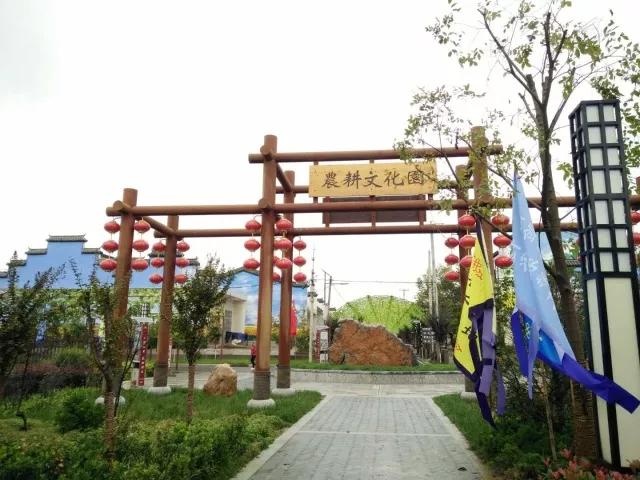
The afternoon in Wu Village, the sun was warm and mellow, and it was the best time to leisurely stroll around.
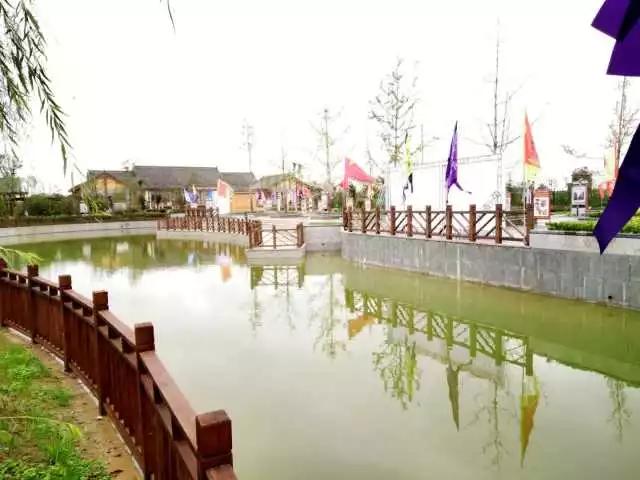

A beautiful fountain pool, reminiscent of childhood drainage pits
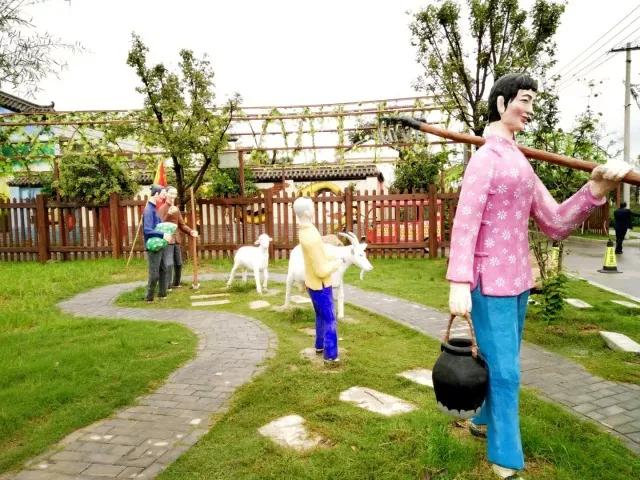

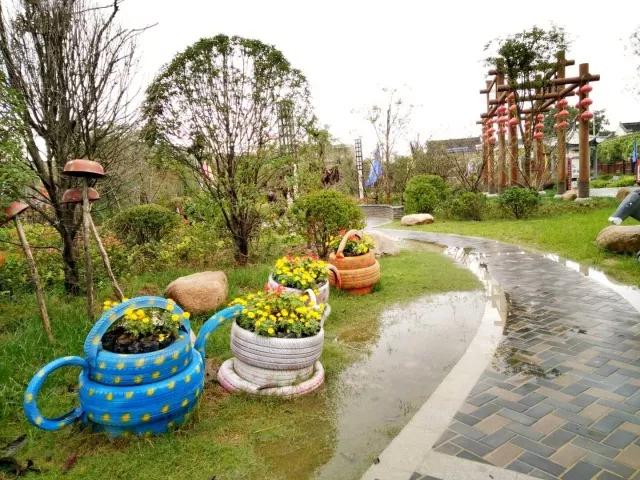
There are humanoid sculptures and creative designs scattered throughout the village, offering photo opportunities for visitors. It's a good choice to bring children here on weekends.

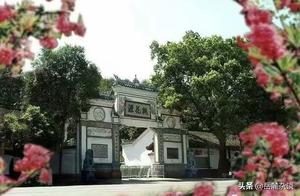
The Wu Village Farmer Culture Museum is also a major feature of Wu Village, where you can find the origins of agricultural culture, farming tools from the past generation, and historical inheritance.
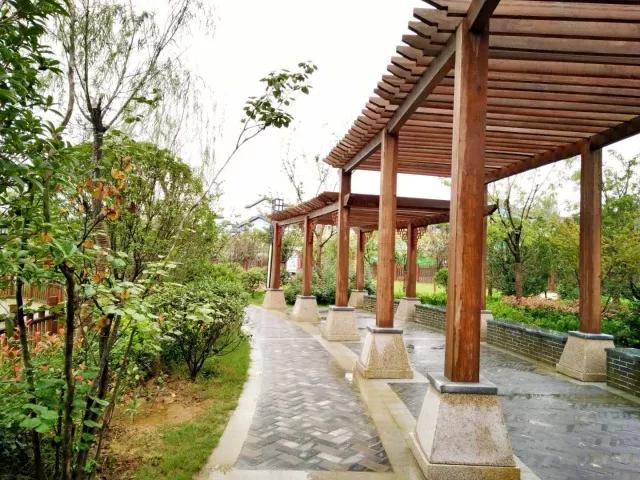
Historical extension
Originally named Posi Village, also known as Lao Zhuang Hao. The village was originally only inhabited by the Zhou and Hou families, both without children. Later, as the elderly residents grew old and frail, and life became difficult, the Han family's Wu surname brothers five people came to this place and were entrusted to the Zhou and Hou families, inheriting the family business and property, and taking care of them in old age,
Legend has it that the 'Die' surname's settlement is related to 'August Fifteenth Killing Tartars'. During the late Yuan Dynasty, the people were unable to endure the brutality of the government, and Zhu Yuanzhang raised an uprising. However, the Mongolian army controlled the situation closely, and the rebel army could not transmit messages. It was the Mid-Autumn Festival, and Liu Bowen suggested that people hide paper notes in mooncakes, writing 'August Fifteenth Killing Tartars' on them. On the fifteenth of August, families worked together to overthrow the Yuan Dynasty. The Mongolian soldiers who lived in the village were kind to the villagers and maintained good relations with them, so they were spared. A villager often did business in Xi'an and had a friendship with a Mongolian 'Die' surname friend, so he made a bond of life and death with him. On the fifteenth of August, the villager risked his life to hide his friend in the cellar, saving his life. Later, they brought his family to the village to settle down. The village then had two surnames, Wu and Die, which became known as Die Wu Village,
It is recorded that the 'Die' surname originated from the Xibe tribe and came from the 'Die She Le' of the Northern Qi Dynasty, who was a minister. According to the historical records 'Northern Biography', 'Die She Le' was a miscellaneous Han from the Western Regions, a magistrate of Wuhui, served as the Governor of Three Offices and the Governor of Jinyang, and was buried in Guanzhong. His descendants gradually integrated into the Han nationality and became known as the Die clan.
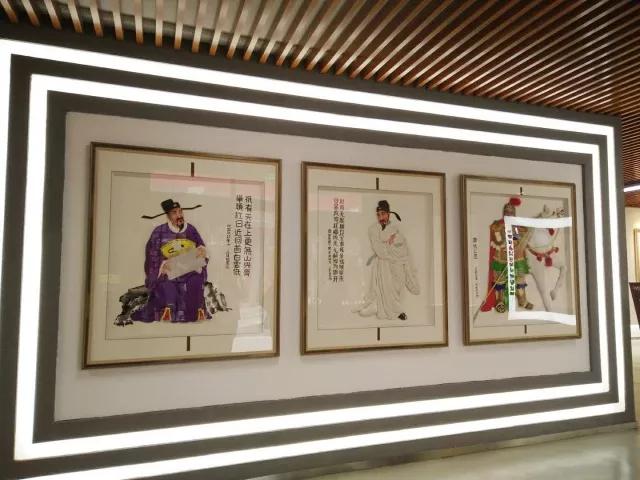
Die Wu Village is located in the Waning Town of Lin Wei District,
It is 20 kilometers away from Weinan City Center,
Welcome to the deep and profound Die Wu Village!