Even if all nomadic civilizations disappear, Altai Mountains will continue to protect the nomadic life
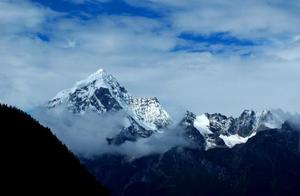
The Altai Mountains on the northwestern border, though less majestic than Tian Shan and less imposing than Kunlun, have played a pivotal role in the world's historical and cultural development, nurturing global language families and the rich cultural systems of the diverse ethnic groups of China. They fostered the laws and customs of the proliferation and evolution of numerous ethnic groups, and the nomadic culture. Here, the diverse climate environment and the abundant geographical structure of the Altai Mountains have provided abundant material resources, which played an indispensable role in the Silk Road, determining its influence in the historical process of nomadic peoples.
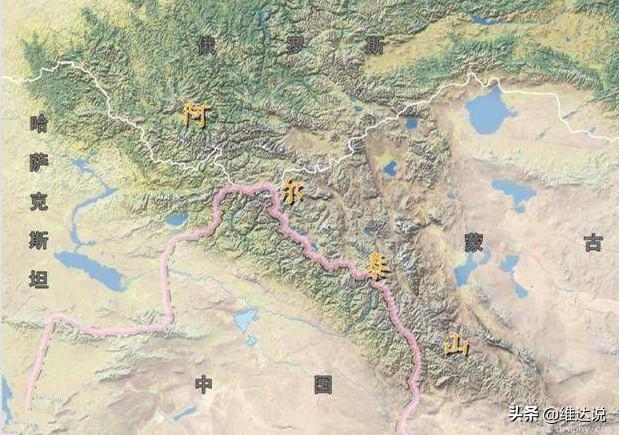
The geographical map of Altai Mountains is located between China, Kazakhstan, Russia and Mongolia, stretching for more than 2000 kilometers.
Altai Mountains, named for its gold mines, breeds abundant life
When we pass through the Qianzhao Basin in northern Xinjiang, at the 'Yellow River flows into the sky, sandy and vast', at the end of the sky, we will see a black mountain range gradually approaching, which stretches across China, Kazakhstan, Russia and Mongolia, with a length of more than 2000 kilometers.In Mongolian, 'Altai' means 'golden mountain', it has always been known for its rich gold storage
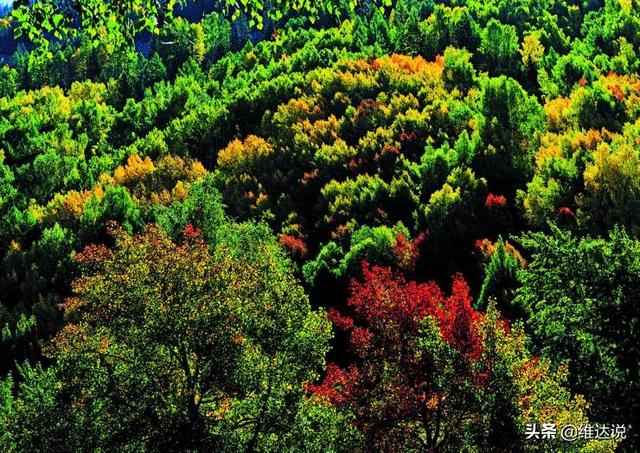
Besides birch forest, Altai Mountains also has Western Siberian deciduous forests, Western Siberian red pine, Western Siberian larch and fir forests, as well as mosses and lichens. It is the only one in Northwest China
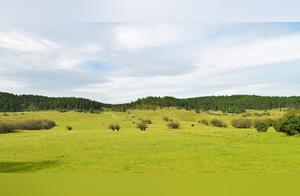
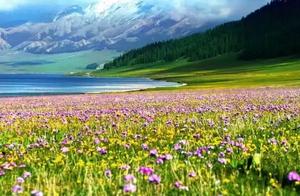
Altai Mountains is located in the Eurasian continental landmass, here away from the ocean, belongs to temperate continental climate, although it is dry and cold, but because of the independent mountain environment, so rich and unique of cold-temperate vegetation distribution. Such as vast of cold-temperate coniferous forests, high-altitude alpine meadows and mountain tundra. Mountain species, the species of the Eurasian steppe, and the species of the circumpolar distribution are gathered in Altai Mountains. So we can see the Western Siberian deciduous forests, Western Siberian red pine, Western Siberian larch and fir forests here. This cold-temperate and tundra south edge of the coniferous forest, in China, can only be seen in the Northeast Daxinganling and Xinjiang AltaiThe Altai River (domestic segment) originates from Altai Mountains, with a typical braided river system
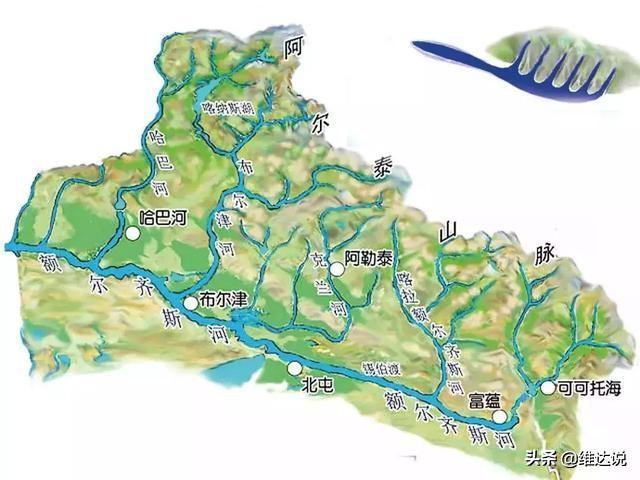
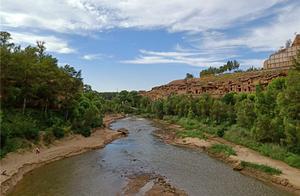
In addition, Altai Mountains also originates our only river that flows to the Arctic Ocean – the Altai River, with a total length of 4248 kilometers, although only 546 kilometers within China, the basin area is only 5.7 square kilometers, but the annual discharge reaches 111 billion cubic meters; and irrigates the vast Brento Steppe grasslands, the 'Pearl of Urengo' lake, though only 2 kilometers away from the Altai River, but it is 'opposite but not adjacent'; and there is a China's first deep water lake – Kanas Lake with an area of 44.78 square kilometers and maximum depth of 188.5 meters
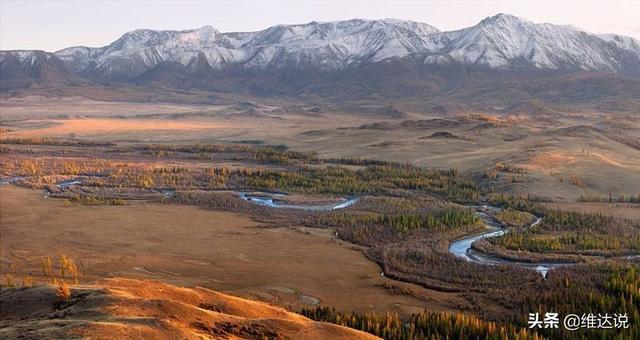
Altai Mountains nourishes abundant rivers, magnificent grasslands and prosperous mountains, which is the nomadic paradise in Northwest China
The 'Golden Road' given by the Asian steppe channel
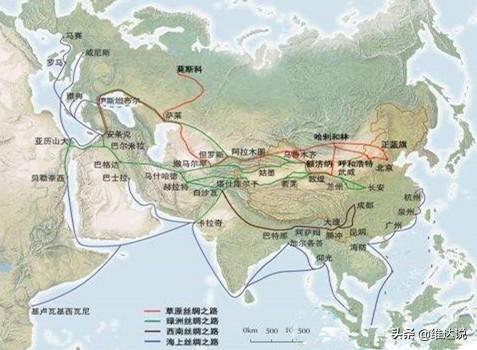
It was approximately three thousand years ago, there was a large-scale drought in the northern Asian grasslands, nomadic tribes moved south and west in large numbers, thus opening the Altai River valley in Siberia, west to Central Asia, West Asia and Eastern Europe steppe, this steppe route's east connected China, and the northern Greek civilization of the Mediterranean Sea
The 'Golden Road' in Altai Mountains has two routes: south route follows the south slope of Altai Mountains, passing through Kazakhstan's Zhan San Po, through Ural Mountains north and south of the grasslands, into the Black Sea north coast of the South Russian Steppe; and the north route follows Altai Mountains north, after Russia's Altai region south and then merged with the south route
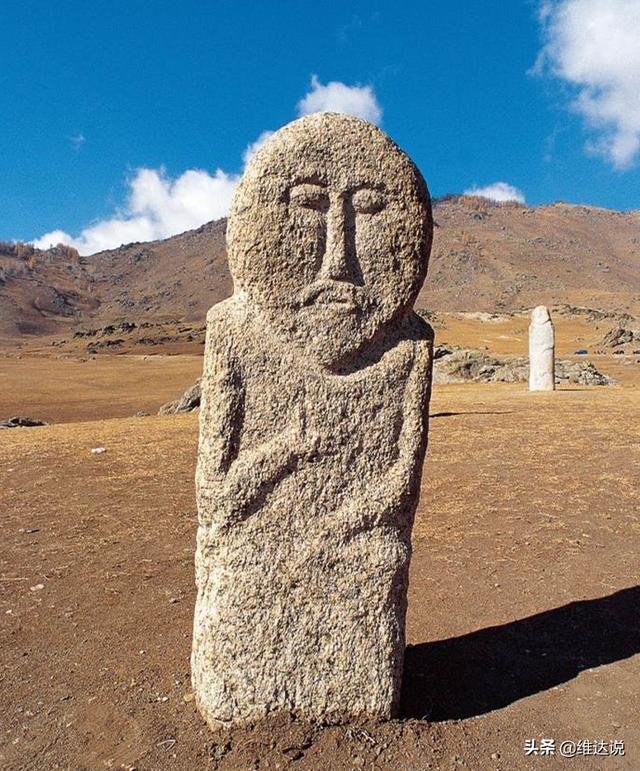
The Altai River area has preserved a lot of stone figurines. Early stone figurines are about bronze or early iron age, about three thousand years old
Altai Mountains is because of its specific location, natural resources and cultural factors, has always been the stage for nomadic peoples to migrate, compete and stay, known as the cradle of nomadic culture, preserved a lot of rock paintings, elk stone, stone figurines, stone piles, stone tombs, stone coffins, stone tombs, confirming that human evolution is very long. Altai Mountains is also known as 'Golden Road' because of this Asian steppe channel
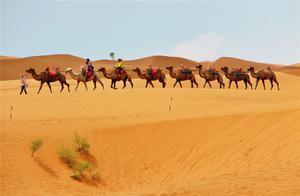
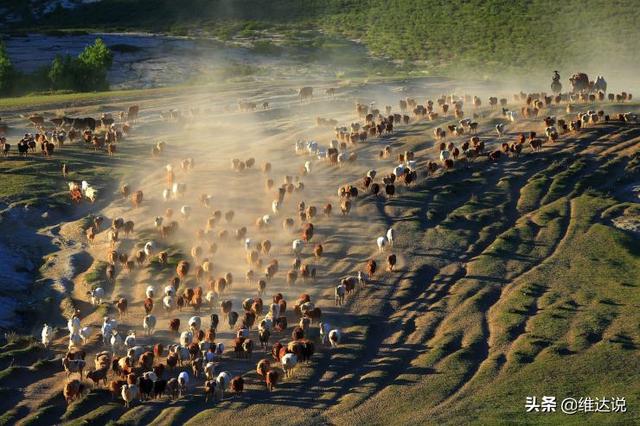
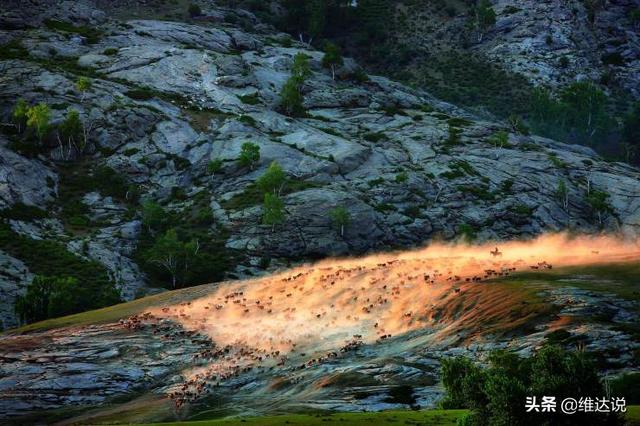
Every spring, the Kazakh shepherds will follow the ancient pastures from Kurban Tongguot desert to the lush grassland of Altai Mountains, and they will continue to move to the grassland
Abundant waters and mountains, create nomadic life of poets and singers
Today, despite the decline of the Eurasian steppe channel, the grasslands nurtured by Altai Mountains continue to feed the tribes. These tribes are represented by Kazakhs, and they still maintain the longest and most complete nomadic migration route in China and the world, the nomadic life of 'following water to grass'
As the nomadic life in Inner Mongolia gradually diminished, nomadic people transformed into 'wandering cattle', i.e. people and livestock do not stay, the goods are moved by trucks to feed the livestock, as feed
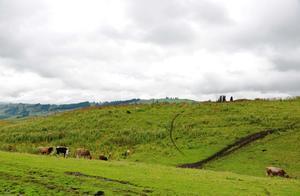
When the nomadic life in Inner Mongolia became insignificant, the terrain and the grassland area were not as good as Inner Mongolia, Altai Mountains still preserved the ancient nomadic life. With the changing of the seasons, the pastoralists in Altai Mountains changed their pastures accordingly, from the spring pastures in the front hills, moved to the summer pastures in the deep mountains, and then moved down to the foothills in the cold weather to avoid the arrival of winter, in the whole hundreds or thousands of kilometers back and forth migration, the average family migration reached more than 150 times, established five nodes, i.e. winter pastures, river valley pastures, spring pastures, mountain pastures and summer pastures
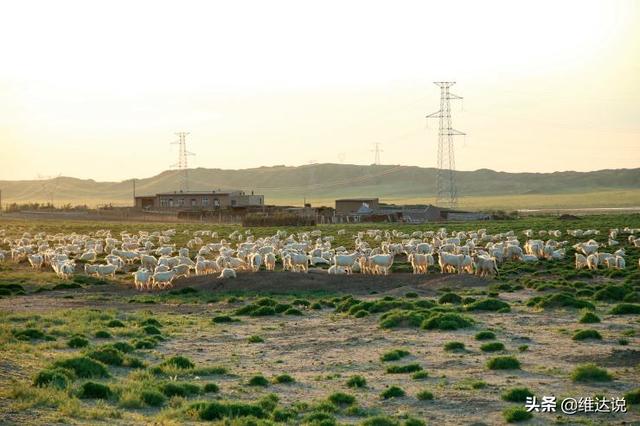
Even if all nomadic civilizations disappear, Altai Mountains will continue to protect the nomadic life
The pastoralists keenly paced with the rhythm of the seasons, adapting to it, always on the road. When people in eastern agricultural areas take a fixed 'home' as the core of the world's order, the pastoralists in Altai Mountains considered 'transiting' as their life itselfThey have lived here for generations, inseparable from Altai Mountains, their lives closely linked to Altai Mountains, tolerant and enduring
Remark: Some of the pictures in the text are taken from the internet, if there is any copyright, please contact us.
“”150
“”“”…