Visiting the Bologna Sewage Treatment Plant in Italy – IDAR
Energy people are watching, click on the upper right corner to 'follow'
North Star Water Treatment Network News: Bologna Sewage Treatment Plant (IDAR) is one of the important sewage treatment plants in northern Italy, with an annual treatment capacity of about 400 million tons and a daily treatment capacity of about 110,000 tons. Below we will learn about the Bologna Sewage Treatment Plant (IDAR).
Getting to know Bologna Sewage Treatment Plant
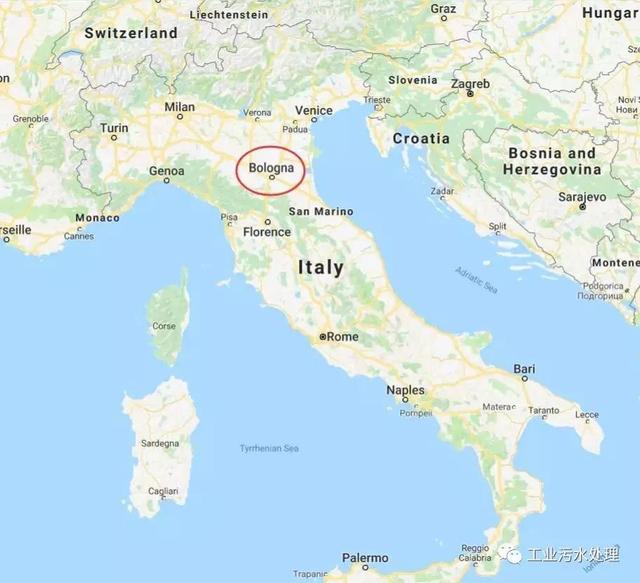
Bologna Sewage Treatment Plant (IDAR) is located in the northern Italian city of Bologna (Bologna), located between the Po River and the Apennine Mountains.
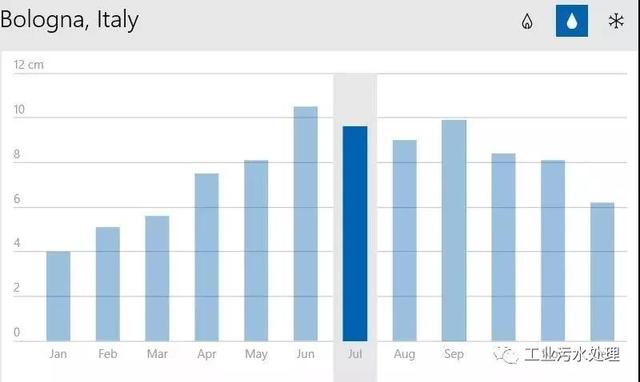
Bologna is located in the Padano Plain, which is a continental climate with low pressure and humidity characteristics, with an average monthly rainfall distribution that is relatively uniform.
Bologna is a sloping location at the foot of the Apennines, which can lead to three streams, the most important of which is the Reno River branch of the Po River on the west side (Reno), which provides power for various mechanical industries. This city’s gradually sloping terrain forced all urban waterways to extend northwest, and finally collected into a common riverbed, passing through the open countryside to the north. One of these was the Navile Canal, which flowed in a similar direction, and was the route we were going to visit this sewage treatment plant.
The Bologna Sewage Treatment Plant (IDAR) we are visiting is located in the northern part of the city, and the distance between the plant and the city center is about 10 kilometers (as shown in the red dot in the figure).
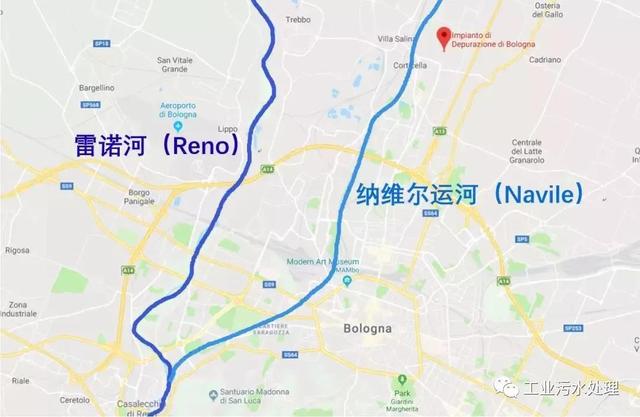
Overview of Bologna Sewage Treatment Plant
The Bologna Sewage Treatment Plant (IDAR) mainly treats domestic sewage and landfill leachate, with an annual treatment capacity of about 400 million cubic meters, which is three times the water storage capacity of West Lake in Hangzhou. The following is a map model of the plant, all facilities are numbered from 1 to 11.
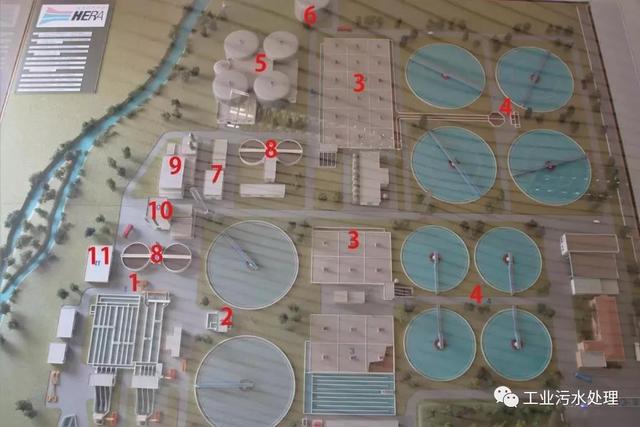
1 is the screen and settling pool; 2 is the primary sedimentation pool; 3 is the biological oxygenation aeration pool; 4 is two groups of secondary sedimentation pools; 5 is sludge digestion; 6 is biogas storage; 7 is biogas power generation; 8 is sludge concentration; 9 is sludge dewatering; 10 is sludge incineration; 11 is odor treatment.
The overall process flow diagram of the sewage treatment plant is shown as follows. The sewage passes through physical treatment, biological treatment and disinfection to reach the discharge standard. The sludge produced during the sewage treatment is processed.
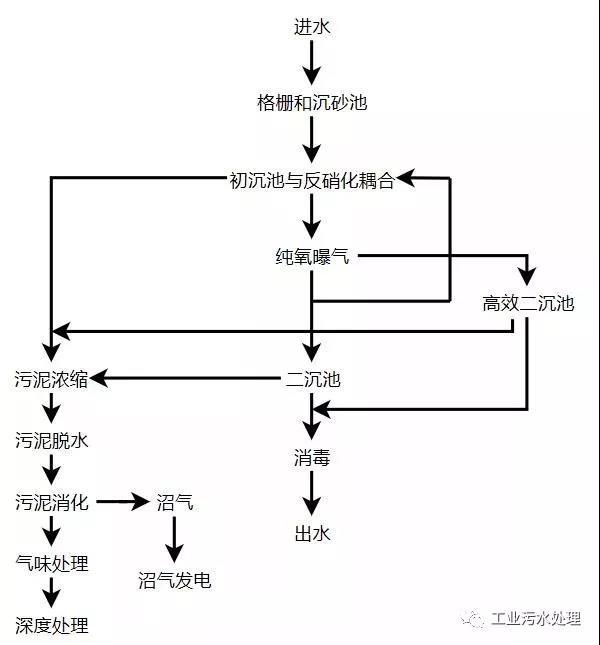
Bologna Sewage Treatment Plant - Sewage Treatment
According to the order of sewage treatment and numbering, we will look at the sewage treatment process step by step.
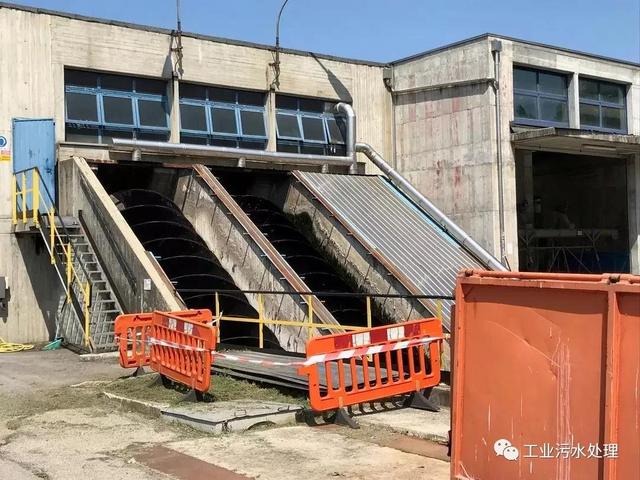
Screen and settling pool: First separates the large solids that are easy to remove and settle by gravity, then uses gravity sedimentation to separate small particles, so that the heavier inorganic particles sink, and the organic suspended particles are carried away by the water flow.
Primary sedimentation pool: Removes the waste water with easily settling and floating solids, and this primary sedimentation pool is coupled with anaerobic in the same pool, which is different from domestic advanced sewage treatment plant.
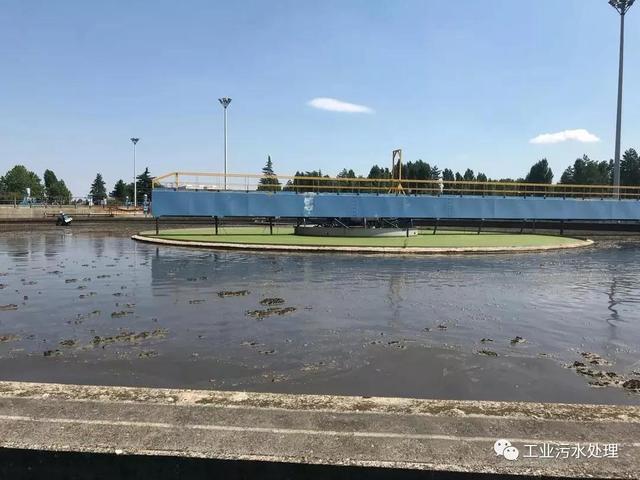
Biological oxygenation aeration: Through biological oxygenation treatment, removes organic matter (BOD, COD) in the wastewater. Due to the large oxygen pressure, high transfer efficiency and aeration pool, the dissolved oxygen can maintain high concentration, and high sludge concentration, so the aeration pool volume is greatly reduced, and sludge amount is less, and sludge settling performance is good.
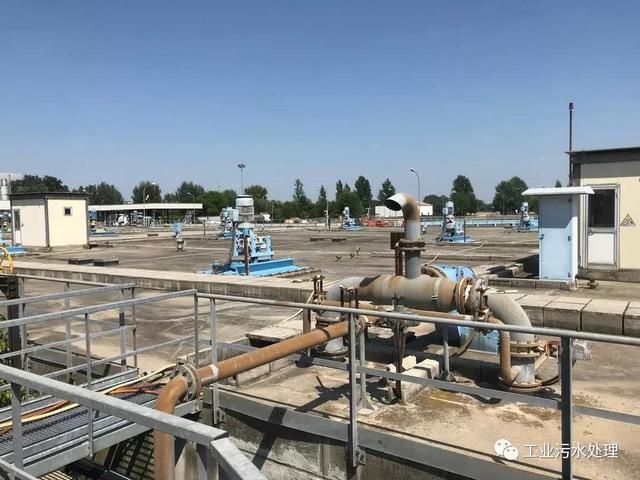
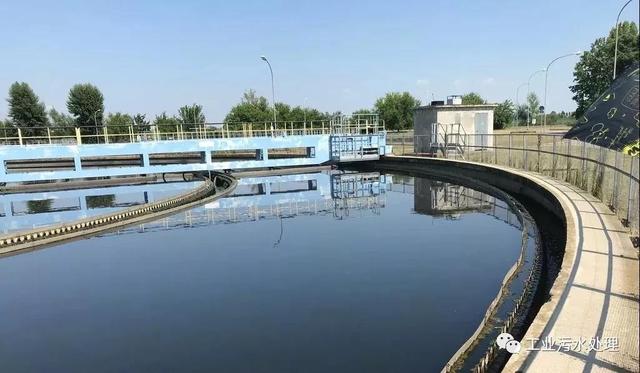
Two sets of new and old secondary sedimentation pools: The four sets on the north are the new secondary sedimentation pools, the water enters from the middle and exits from the surrounding, the internal ring and the outermost ring are connected by a tunnel, which increases the outlet circumference, thus improving the outlet clarity and efficiency, and the outlet is clearer. The four sets on the south are the old secondary sedimentation pools, which have a processing capacity of 50% of the new secondary sedimentation pools.
Bologna Sewage Treatment Plant - Sludge Treatment
The annual sludge treatment amount of Bologna is 120,000 cubic meters, mainly from the liquid and sludge waste from the drainage ditch; from the septic tank crude organic matter waste; from the physical and chemical treatment and production process sludge.
The following is a process flow diagram of IDAR sludge treatment:
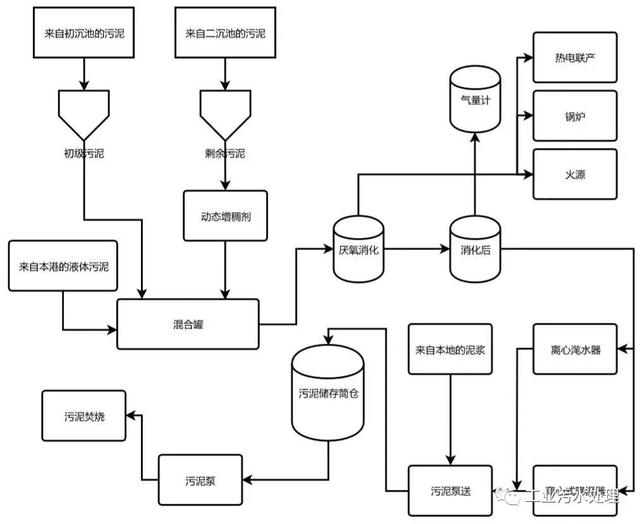
The following is the specific steps of sludge treatment:
Sludge concentration: By concentrating the sludge to reduce the water content and reduce the volume of sludge, thereby reducing the cost of subsequent treatment.
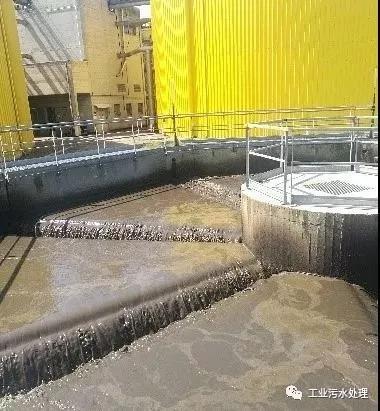
Sludge dewatering: Remove water from the concentrated or digested sludge to form semi-solid or solid mud blocks.
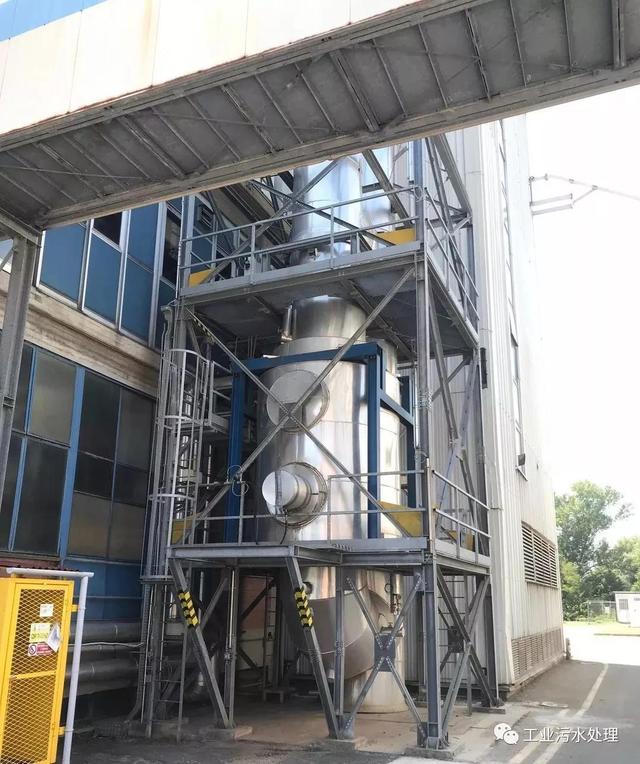
Sludge digestion: The anaerobic biological treatment of sludge, that is, the organic matter in the sludge is degraded into methane-based sludge and stable sludge in the absence of oxygen.
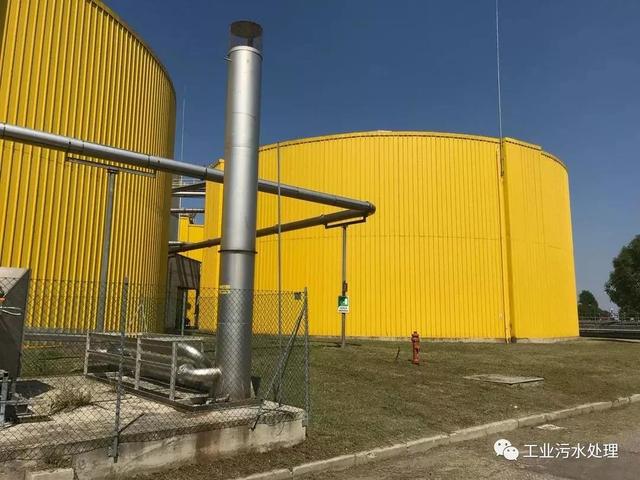
Biogas power generation: Using the engine to generate electricity and heat from the biogas produced by anaerobic fermentation treatment, with integrated power generation device, has creative, energy-saving, safe and environmentally friendly characteristics.
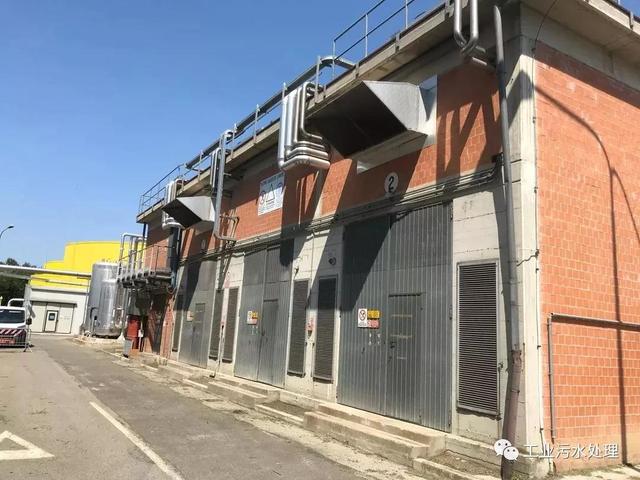
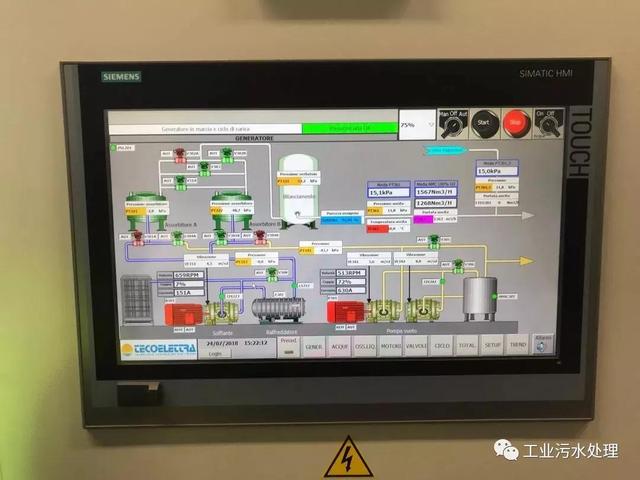
Sludge incineration: The dehydrated sludge is heated and dried before burning with high temperature oxidation of the organic matter in the sludge to become a small amount of ash.
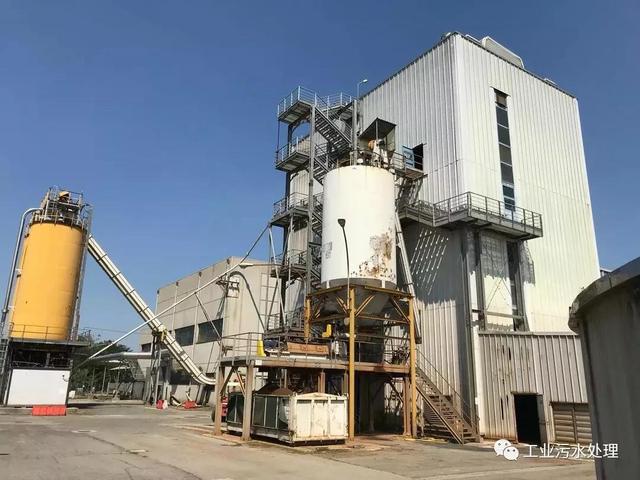
Odor treatment: Using biological filter to absorb the odor of sludge, mainly through microbial deodorization, through the microbial physiological metabolism to decompose the odor-containing substances, so that the target pollutants are effectively decomposed and removed, to achieve odor treatment purpose.
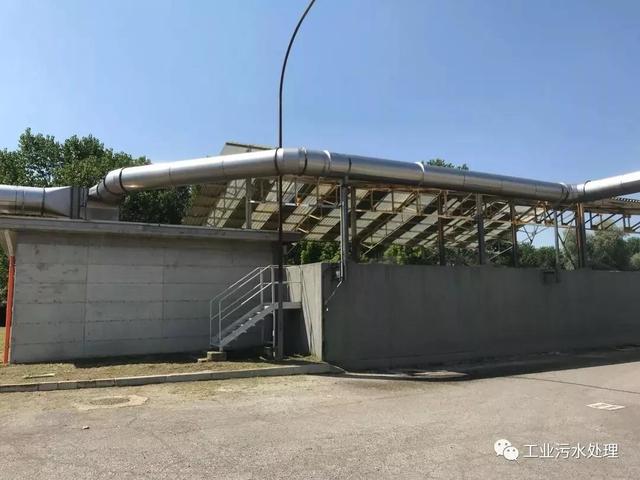
River water quality and discharge standards
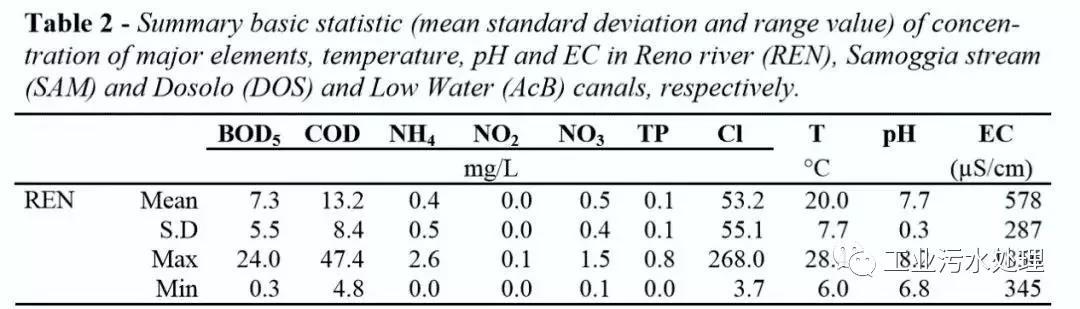
The following table shows some parameters of the Reno River, including BOD5, COD, N, TP, Cl, etc. The average BOD5 value is significantly higher, if according to China's surface water quality standard, it belongs to the fifth class of water.
The Bologna Sewage Treatment Plant complies with Ordinance No. 52/6 implemented in 2016. The third part of the ordinance classifies the standard according to the population density, and has other requirements for sensitive areas’ total nitrogen and total phosphorus.
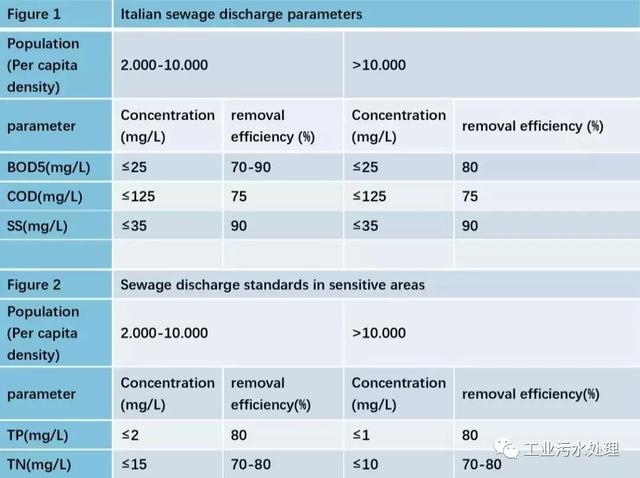
The following table shows the discharge indicators of IDAR (including COD, BOD5, TSS, NH3), all indicators are in accordance with the discharge standard.
Original title: Visiting Bologna Sewage Treatment Plant in Italy – IDAR
Disclaimer: The above content is from North Star Environmental Protection Network, and the content is not represented by this platform.