Daxing Fo Zhiban (Buddha Bay) Cliff Stone Carvings: The Significance of the 'Buddha' Character under the Reign of Kangxi
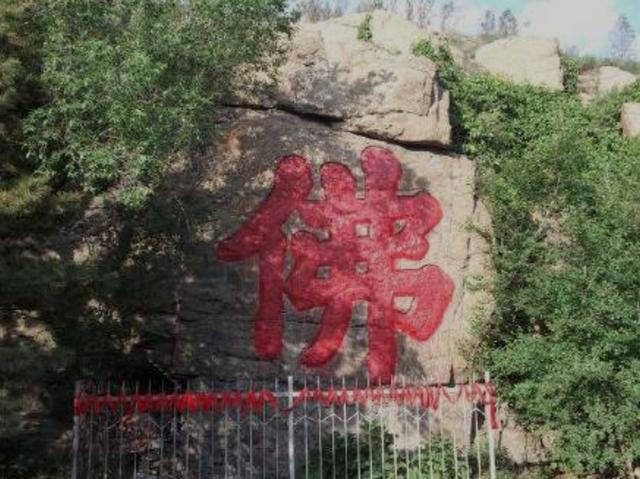
On the northern cliff of the highway from Datong to Yunwang Grottoes, about 300 meters north of the Guanyintang, a large 'Buddha' character is carved. Its back faces the Shan Nan River stretching ten miles, and it is known as Buddha Bay.
'Buddha' character was originally 5 meters above the ground. Due to the construction of the highway, the foundation was raised, so it is now only 1 meter above the ground. On the right side of the 'Buddha' character, there is an inscription on the stone tablet, with two meters in height, written in regular script. The brushstrokes protrude on both sides, with a hollow in the middle, and the calligraphy is straight and vigorous.
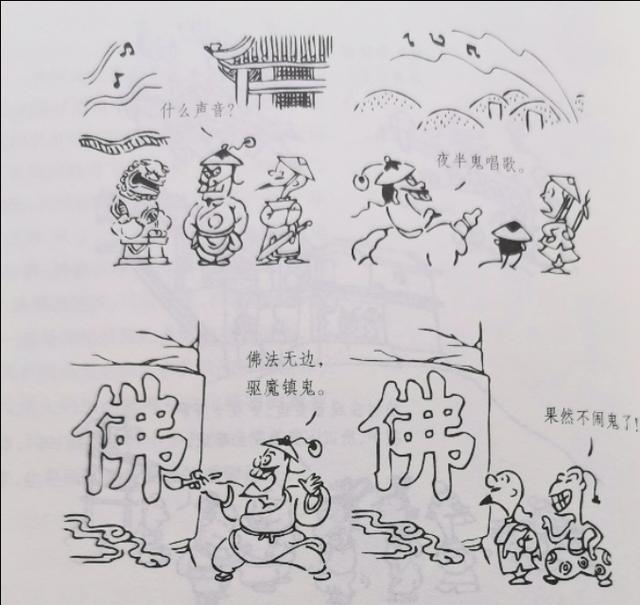
Legend has it that Emperor Kangxi once passed through this area and heard the sound of drums and strings from the Li family's tomb across the river at night, believing that the 'True Dragon Prince' was about to be born. He carved the 'Buddha' character here to ward it off. Later, the sounds did not continue, and there were no threatening figures to the Qing Dynasty. There is also a saying that this is the site of Guanyintang. Guanyintang was relocated several times due to war, and later relocated to the east, only leaving a 'Buddha' character on the west side.
Besides the 'Buddha' character on the cliff, there are no dates or names inscribed. It is unclear when it was carved or by whom. After researching Datong historical records, there is no recordable text. Liang Sicheng believed that the 'Buddha' character was a relic of the Liao Dynasty. As for why it was carved, scholar Yao Bin said that this road was an ancient transportation route, with nomadic tribes in the desert trading with the Central Plains Dynasty, engaging in commerce and diplomacy, and requiring passage through this strategic throat. During the Liao Dynasty, there were frequent wars, and robbers frequently attacked this vital route, so a Guanyintang was built and the 'Buddha' character was carved to advise people to be sincere and reflect on themselves, and to dissuade evildoers from using violence.