Rare Karst Mountain and Pastoral Landscapes in Yunnan: Turquoise Waters, Flowers Floating, Hidden in Yunnan
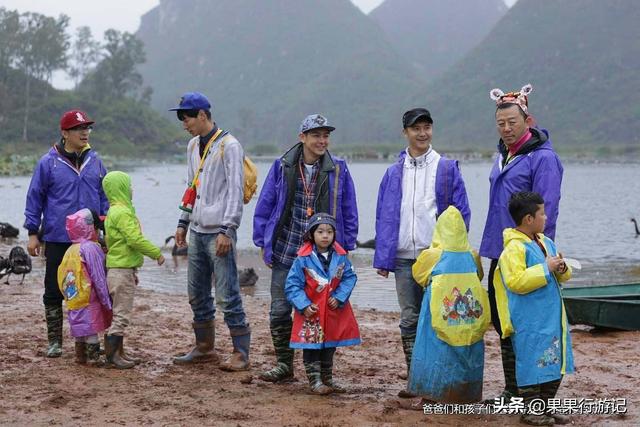
Remember the show 'Dad Goes Out' in 2013, which attracted a large number of fans at the time, bringing the fathers' parenting process to tears and laughter, and also felt that they went to places with unique characteristics, such as the rammed-earth, the rustic countryside. One of these places was a village in Yunnan Province, Pu Zhe Hei. When it comes to Pu Zhe Hei, many foreign tourists may not be familiar with it, but many people are familiar with the two years before last and this year's two popular dramas, 'Three Lives Three Worlds: Goddess of Phoenix' and 'Three Lives Three Worlds Pillow Book'.
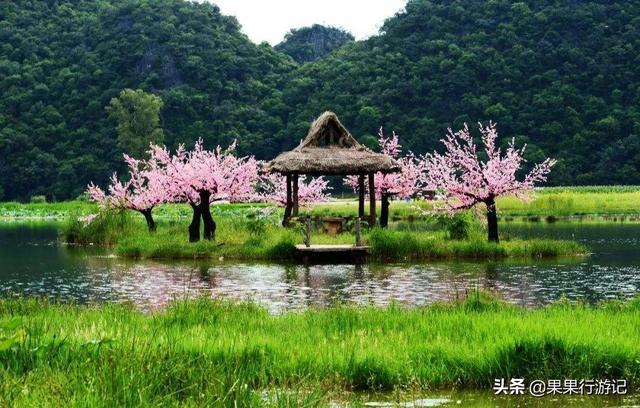
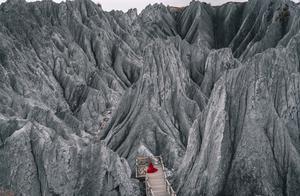
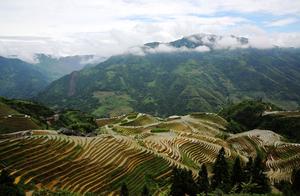
Indeed, many scenes in these two dramas were shot here. The misty and beautiful Qingqiu inside is actually the real Pu Zhe Hei. At that time, it was only sighed that it was indeed a world of paradise for fox spirits to live in, but now it really exists, which is quite surprising. Excluding external commercial hype, Pu Zhe Hei itself is also a beautiful tourist destination. It is hailed as 'a rare karst mountain and pastoral landscape in the world'
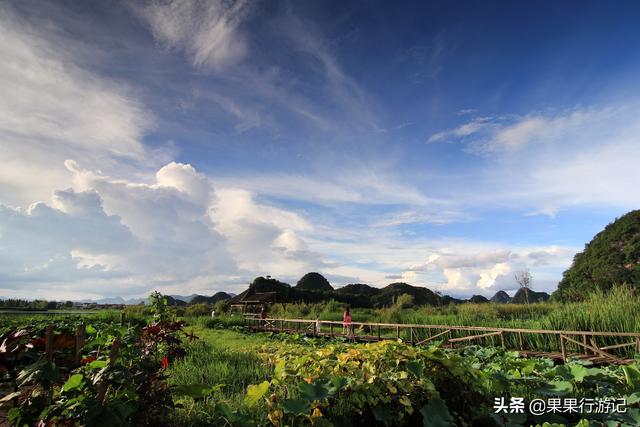
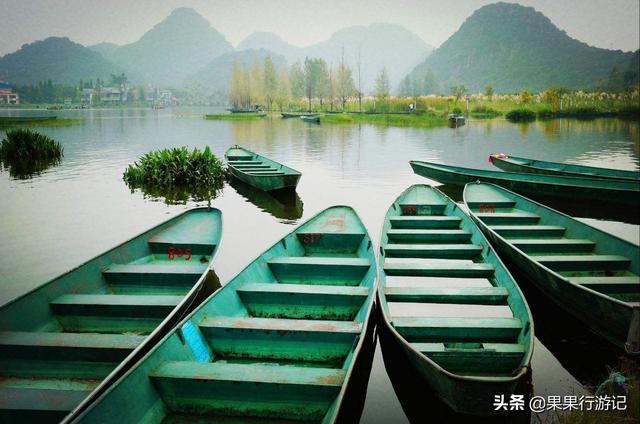
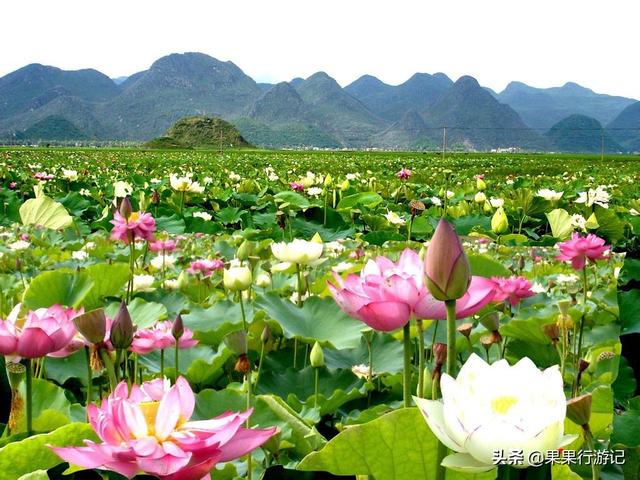
Pu Zhe Hei's full name is Pu Zhe Hei Scenic Area in Qubu, Wenshan, Yunnan Province, belonging to Chu Bei County. It is a 4A-level scenic spot, and because it is also a typical karst landform like Stone Forest, there are countless lakes and caves, plus there are 256 attractions such as wetlands, mountains, valleys, ancient roads, known nationally for 'lake, peak, forest, water, pastoral, karst landform, Yi minority water town, lotus world, crane paradise' six major landscapes.
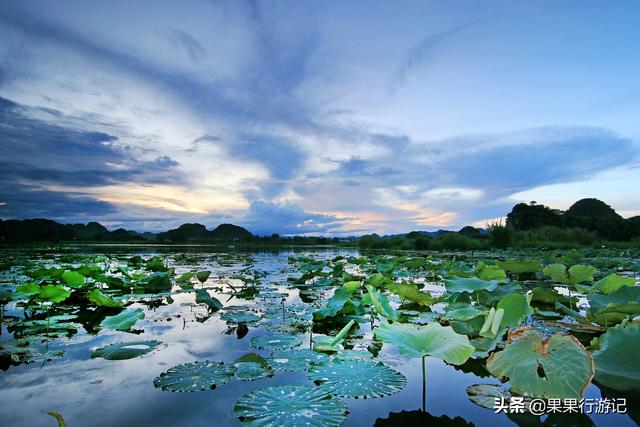
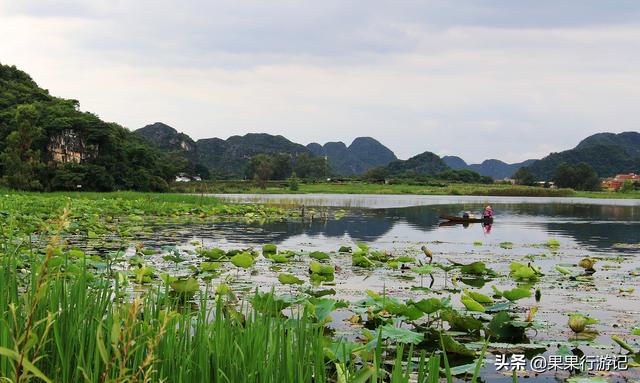
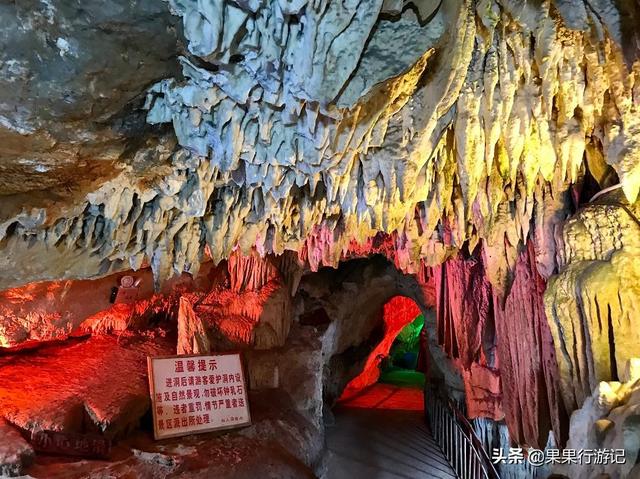
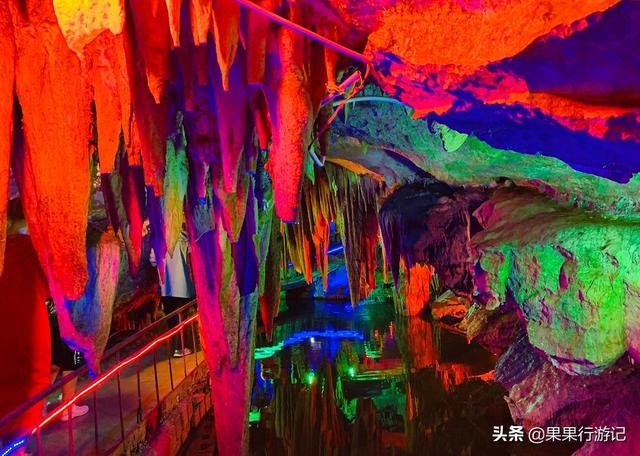
When visiting Pu Zhe Hei Scenic Area, first look at the caves, and then visit the lake. This is the best way to experience the uniqueness of Pu Zhe Hei. Karst caves are undoubtedly the biggest attraction of Pu Zhe Hei. Currently, the caves that can be visited are Fire Candle Cave, Moon Cave, Guan Yin Cave and Xian Ren Cave. Fire Candle Cave and Xian Ren Cave are connected, and the stalactites in the caves have different shapes and are exquisite. Most tourists walk in and take a boat out. Guan Yin Cave is located at the southern foot of Qinglong Mountain, which is the best place to display Guan Yin culture.
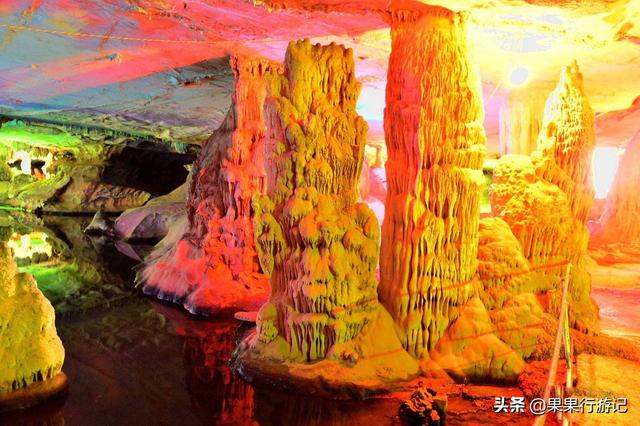
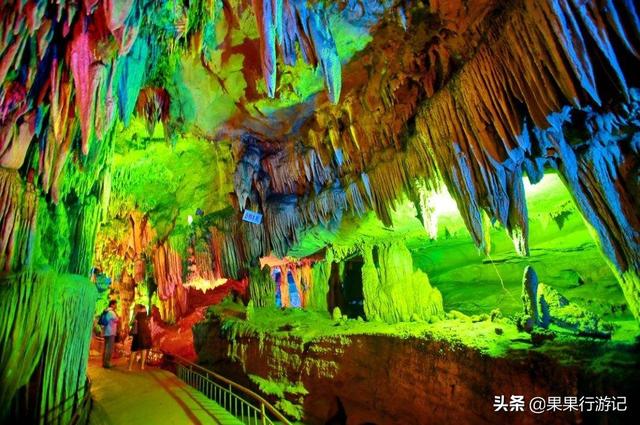
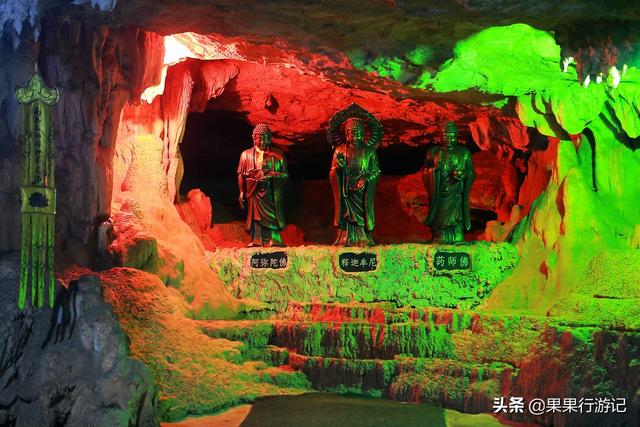
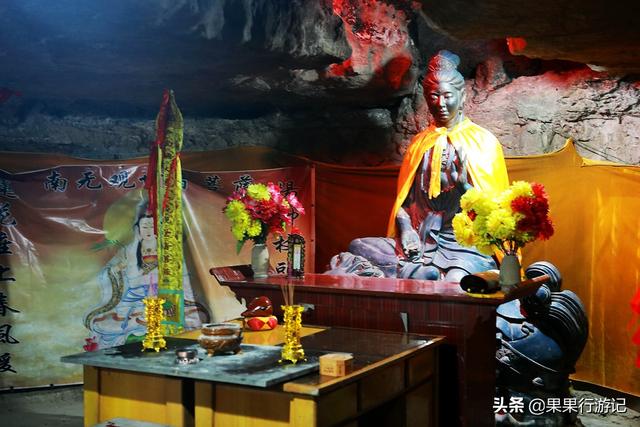
Guan Yin Cave is actually a cave, and it is understood that there are more than 2,000 Guan Yin statues inside, which is known as 'the largest Guan Yin Cave in Southeast Asia'. The lower part is 2 meters deep, there is a dark river, and some sections must bend over to pass. Many Guan Yin sitting statues and stalactites are decorated with red, green and blue three-color lighting, which looks dazzling and colorful. After visiting Guan Yin Cave, you can climb Qinglong Mountain, which is a solitary peak about three or four hundred meters high, oriented north-south. Although not high, its steepness, ruggedness and strangeness have made many tourists rave about it. The sides of the mountain are densely covered with vegetation, surrounded by the breath of nature, and the whole stomach of the mountain is a cave, and many caves are said to be filled with water, with stalactites and stalagmites, which are decorated with gold and silver, and have a grand momentum, like the palace of the East Sea Dragon King, forming a unique underground wonder.
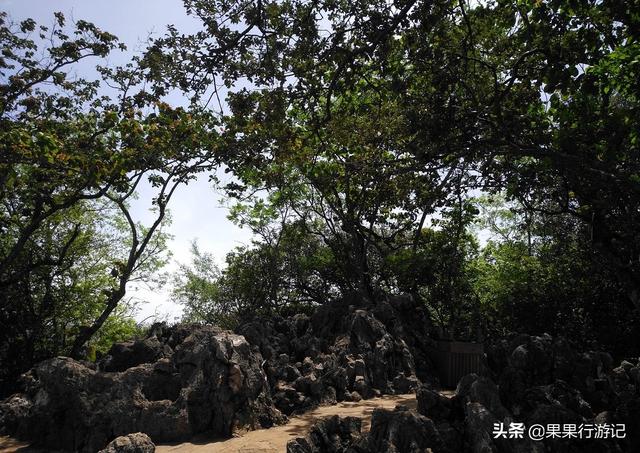
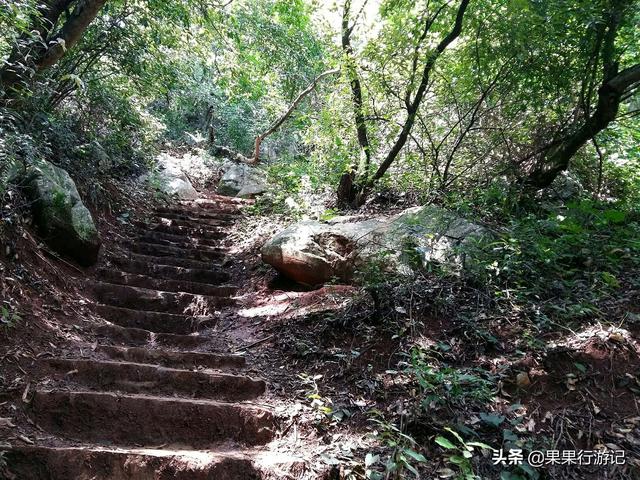
About half an hour later, we climbed to the top of Qinglong Mountain. Here you can overlook the entire Pu Zhe Hei, the lake, the village, and the lotus pond. You can see all the scenery. It is also the best place to watch the sunrise and sunset. Personally, I think watching the sunset is the most beautiful. Watching the sunset slowly sinking to the horizon, the sunset gradually turned into purple, it is really satisfying. Standing on the top of the mountain, watching the sunset, the beauty is unforgettable.
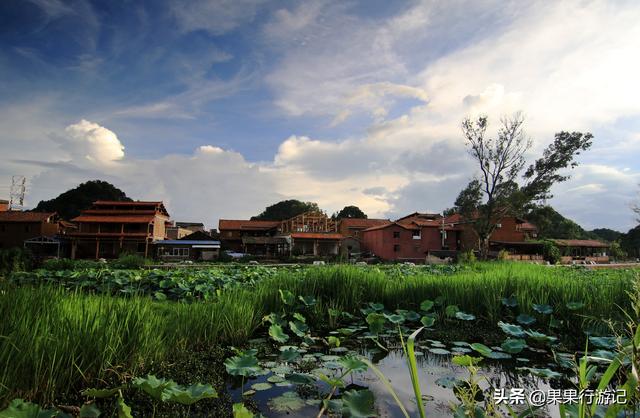
The lotus pond in Xian Ren Village is clean and tidy, and the buildings all retain the characteristics of the Yi minority. The environment is very good. The lotus lake adds a bit of beauty and spirituality to the village. Xian Ren Cave is at the end of the village, and you need to take a boat to enter the cave. There are also relics of the lives of ancient people inside, and you need to take a boat to enter the cave and then walk to visit.
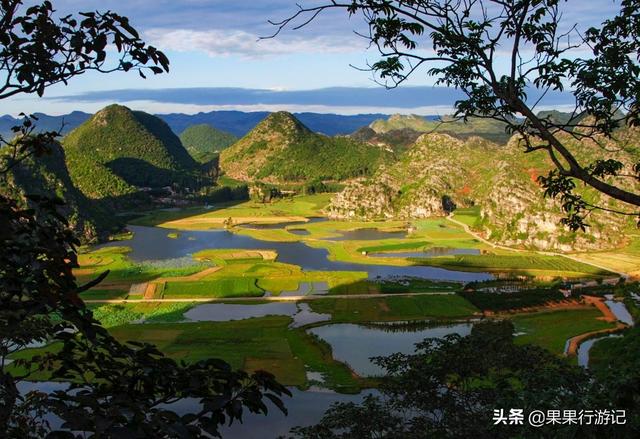
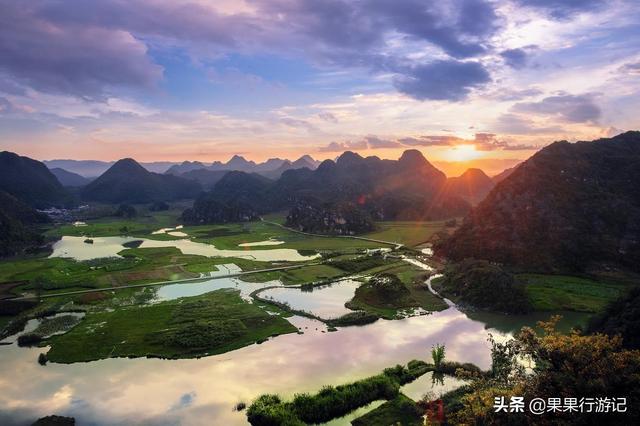
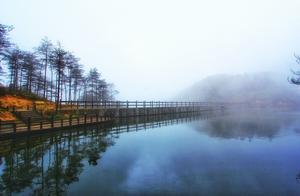
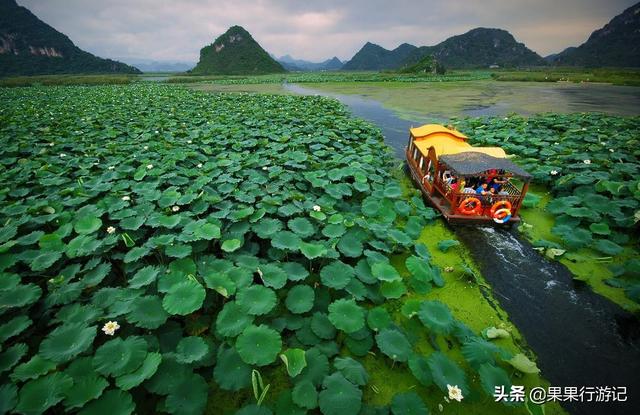
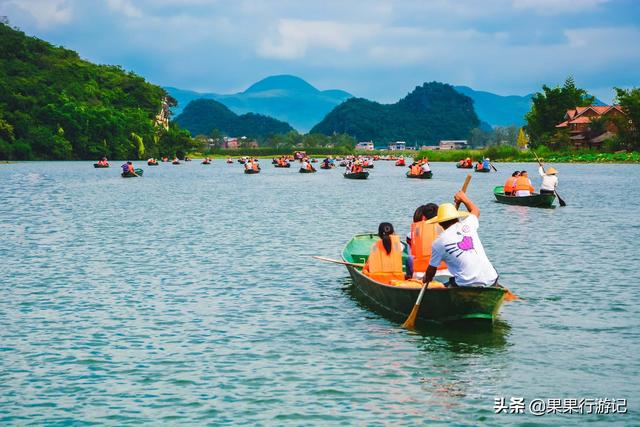
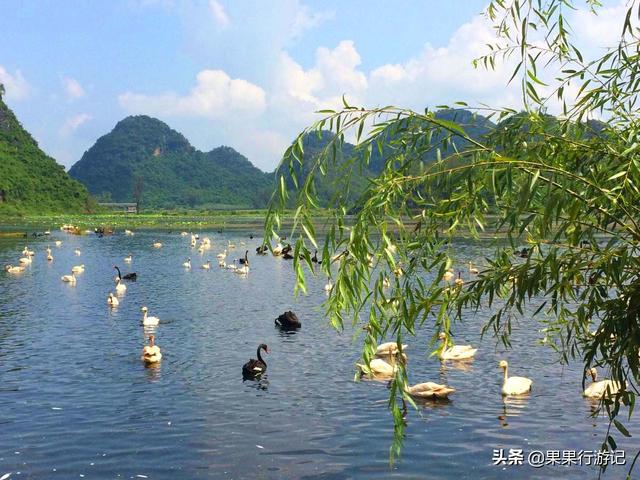
When we arrived at Pu Zhe Hei Lake, it reminded me of many pastoral mountain poems, 'The trees on both sides of the village meet, and the mountains outside the city are slanting'. 'The water is shallow and suspicious, the lotus blooms and knows the fish' These poems seem to describe the serenity and beauty of Pu Zhe Hei Lake. Here, there are mountains and lakes, and water surrounds the mountains, which is a combination of mountains and water. It is difficult to express its uniqueness and splendor. The UNESCO Geologist Advisor Andre Kleunqi said, 'This subtropical karst landform is a treasure of China and a treasure of the world. This unique landform wonder will become a site of research for world geologists'.
“”“”
“”
“”
“”“”
·“”