Fairytale Small Town on the Sino-Russian Border, Origin of the Mongolian People, Half the Population is Russian
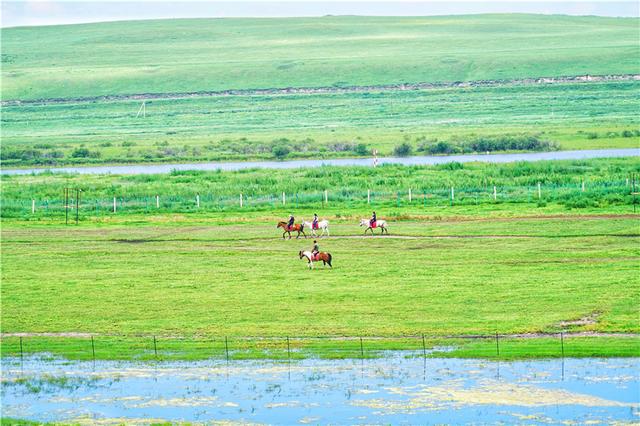
Driving through Hulunbuir, the landscapes along the way were exceptionally vast. As our journey followed the Ergun River, the scenery and human environment underwent different changes. The exotic atmosphere on the Sino-Russian border added a lot of fun to the trip.
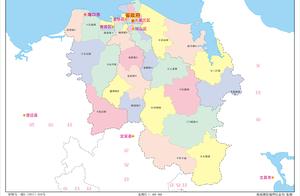
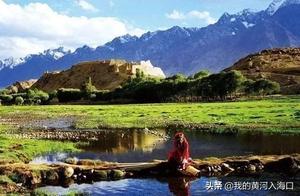
Shveto is located in the north of Ergun City, Hulunbuir City, Inner Mongolia. It is separated by the Ergun River from the Russian town of Oloochi. Here, there is both vast and desolate grassland scenery and Russian exotic atmosphere.
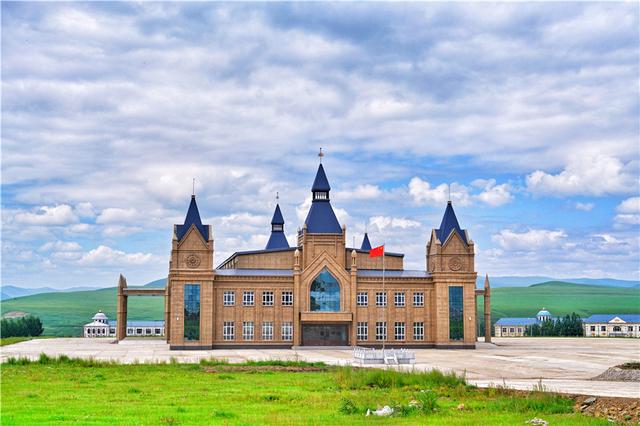
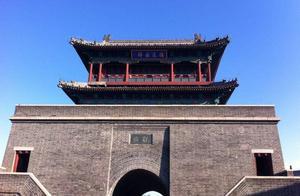
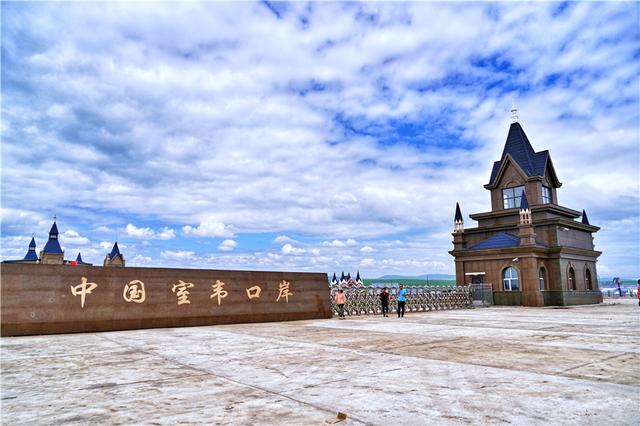
Looking at the fairytale castle under the blue sky and white clouds, can you think this is a Chinese border crossing building? Yes, this is Shveto Port, located at the east end of the middle reaches of the Ergun River, the Sino-Russian border, only 5 kilometers from Shveto Town.
When it comes to Chinese ports, they always feel very mysterious. In recent years, I have traveled to many border ports, from the Sino-Pak border in Xinjiang, the Sino-Indian border in Tibet, the Sino-Myanmar border in Yunnan, the Sino-Vietnamese border in Guangxi, and the Sino-Russian border in Liaoning, due to the differences in region, the border cities also have different flavors.
Shveto is located west of Shveto Town across the Ergun River, and Shveto Port is an important part of the city's border-opening strategy. Here there is also the Sino-Russian Friendship Bridge, which was jointly built by the two countries, and across the river is the Russian town of Orochi.
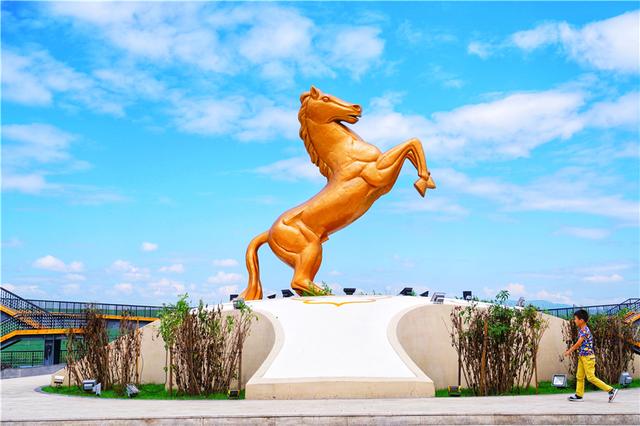
Walking around Shveto, the biggest feeling is fresh air and picturesque scenery. Shveto's beauty is very low-key, and many tourists don't even know this place. In 2005, it was listed as one of 'China's Top 10 Charming Towns' by CCTV, and the reasons for selection are two: one is that this is the birthplace of the Mongolian people, and the other is that it is one of the few Russian ethnic villages in China.
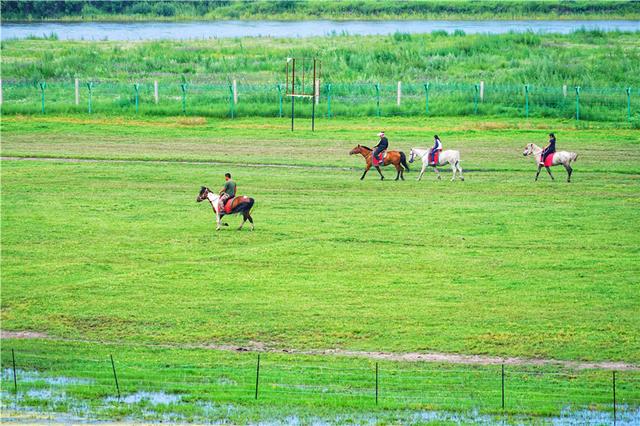
Tourists coming to Shveto can ride and gallop on picturesque scenery, which is a very comfortable experience. Even if you don't know how to ride a horse, you can enjoy the feeling of galloping across the grassland. Because the horses in these stables have been strictly trained, you can ride back and forth safely just by following the lead horse. Of course, it's more exciting to ride a horse yourself.
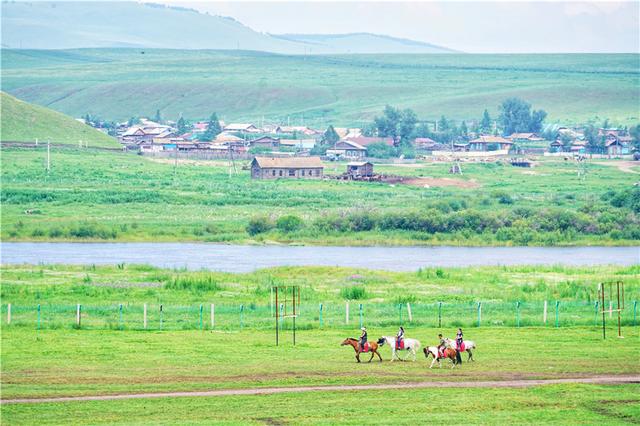
Actually, when it comes to Shveto, in ancient China, this is an ancient ethnic name. Why did this ethnic group disappear after experiencing many years, leaving only a place name?
During the 5th to 10th centuries, the Shveto people were mainly active near the Ergun River. Until the 10th century, the Shveto people gradually integrated into other ethnic groups and disappeared.
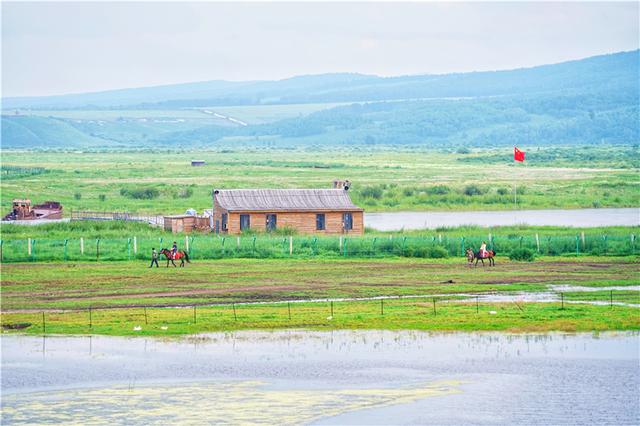
According to historical investigation, the ancient Shveto people had some very peculiar customs. In the winter, when the temperature was extremely cold, men would smear pig fat on their whole body to keep warm, and women liked to wear a necklace called 'Chzhu' (red pearl) as jewelry. After the marriage of men and women in Shveto, the men had to help their wives do work for three years before the marriage. After the wife became pregnant, the couple could go together to the husband's house.
This ancient ethnic group has disappeared into the dust of history, leaving only the dreamlike Shveto Town, which has become a favorite destination for self-driving enthusiasts.
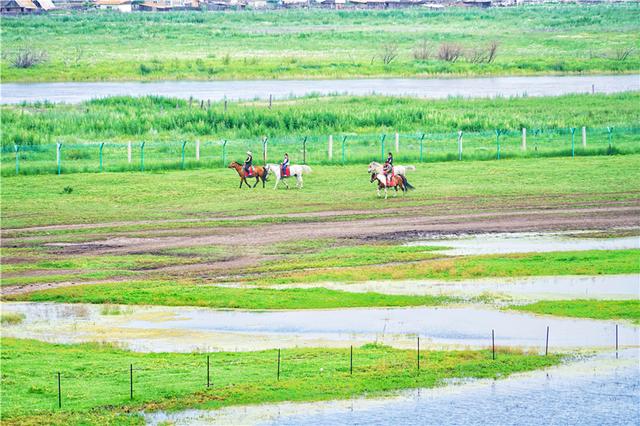
Shveto Town's fairytale scenery has become one of the favorite destinations for self-driving tourists. Here you can also enjoy galloping on the Ergun River and the pleasure of riding across the grassland.