Beijing's 'Ancient Temple Lilac Fragrance': Are You Ready to Admire It?
Jade carvings sparkle, fragrant jasmine blooms, dough-making yields abundant beauty, with (ghostly white robes and frosty satin sleeves) surpassing the aroma of purple lilies.
— Qing Dynasty· Zhu Tingzhong, ‘Full Garden of Jasmine’ – Lilacs
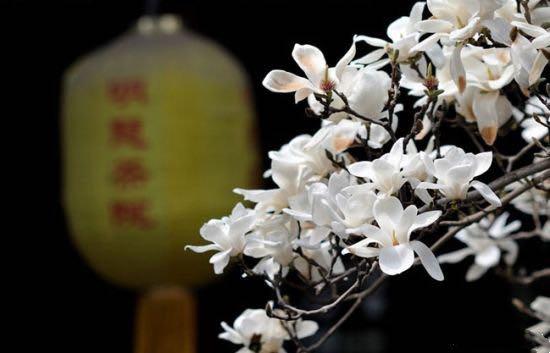
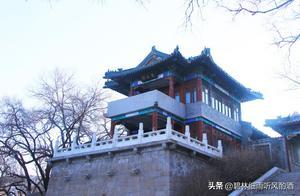
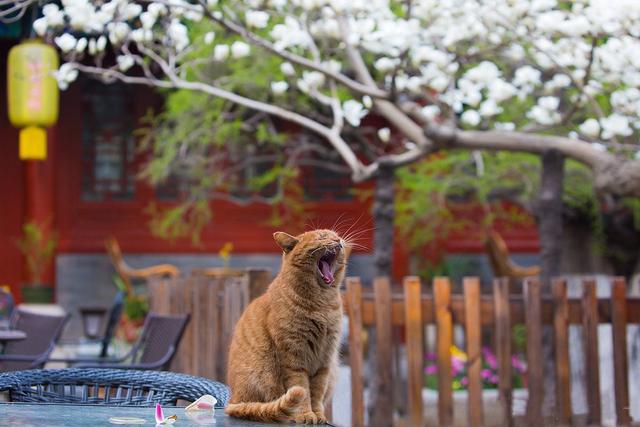
The ancient lilacs at Daxu Temple are renowned nationwide. In the south of the four courtyards of the Yiyi Hall, stands a lilac from the Qing Dynasty Qianlong period, considered the ‘best lilac’ in Beijing, and one of the ‘Seven Jewels’ of the temple – the ‘Ancient Temple Lilac’.
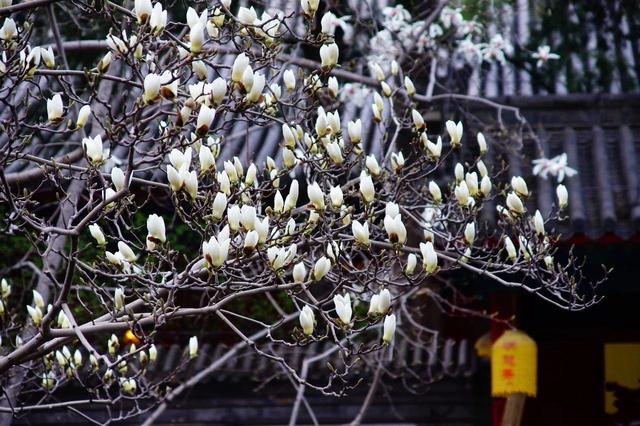
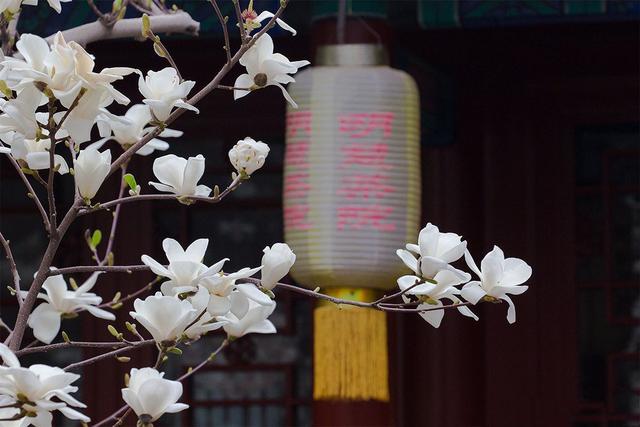
The ancient temple is tranquil, and the blossoming lilacs enhance its ancient solemnity, as if traveling through a thousand years, witnessing the Buddha's sorrow and joy in the mortal world, and quietly contemplating, letting go of oneself, and reading lilacs in ancient poetry, perfectly fitting.
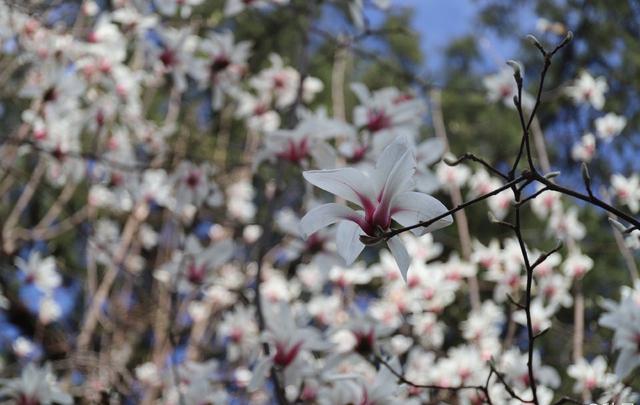
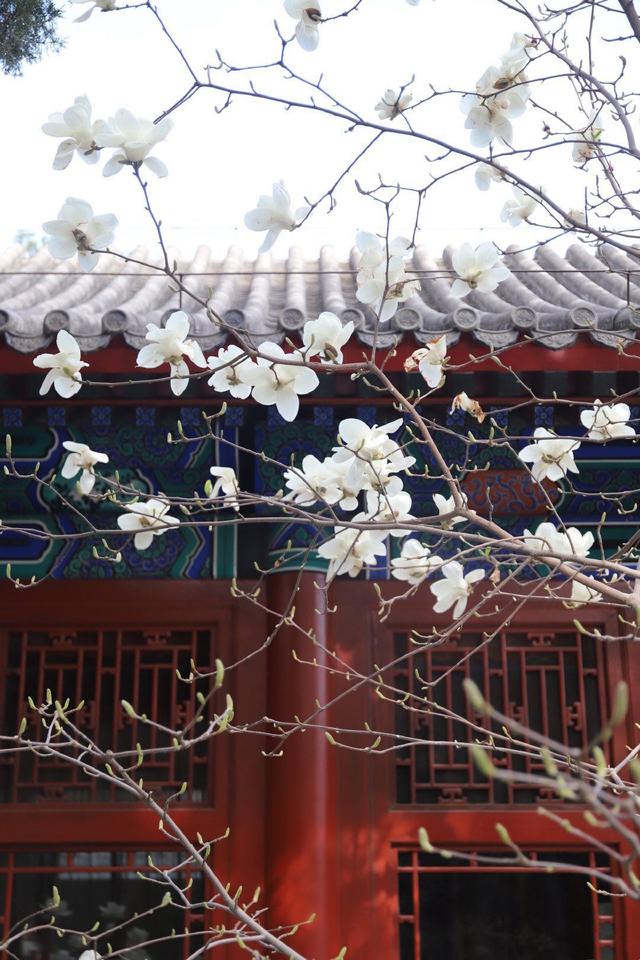
Several lilacs over a hundred years old witness the turbulent winds and clouds of a century, observing the joys and sorrows of the world, and only they protect this corner of the pure land. These lilacs typically bloom in early April, with a flowering period of about a week. With favorable weather of wind and sunshine, the flowering period can be extended for several days.
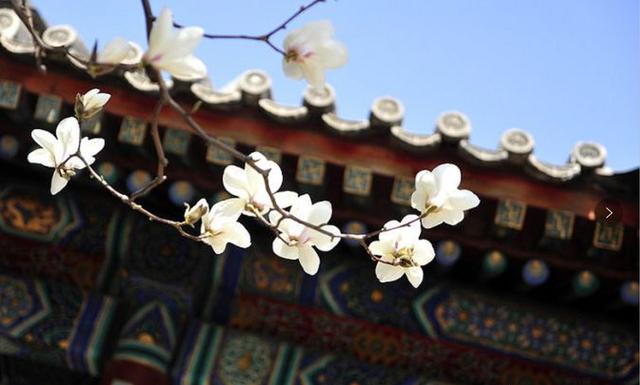
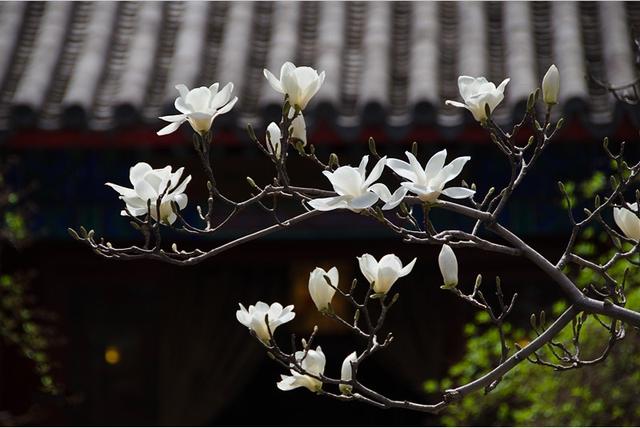
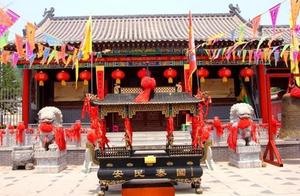
Daxu Temple was initially built during the Liao Dynasty and was originally known as Qingjingyuan (Clear Spring Temple), renowned for its clear spring water, ancient trees, lilacs, and tranquil environment. Every spring, Daxu Temple’s most anticipated sight is the lilacs over 300 years old, blooming around Qingming Festival, with the lilac petals slender and delicate like jade fingers, pure white and fragrant.
Daxu Temple Lilac Viewing Guide
Transportation Routes: Take buses 346 or 633 to Wenshun Station, take a taxi, or take 903 bus directly from Yonghe Temple or Zhoujiama.
Tickets: Ticket price during the tourist off-season is 10 yuan, 20 yuan during the tourist peak season.