How to Start Exercising and Getting Fit: Fitness Tips for Beginner Exercisers
Is it often that you want to exercise but because of various reasons and excuses to abandon the original fitness plan?
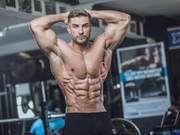
When it comes to fitness, most people understand it as 'lifting iron' in the gym, but not necessarily. Fitness exercises include many projects. Fitness gyms are just one of them. Running, yoga, swimming all belong to fitness.
Many people say that when it comes to fitness, either it's about weight loss or body shaping, but when it comes to easy, it's actually difficult to do, especially when you take the first step. Here are some suggestions for beginners, hoping to help you.
Take the first step
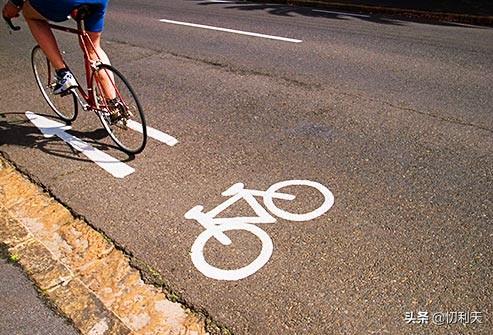
Fitness is just for health, not to become an athlete. But you can still set a large fitness goal, even if you have never tried any exercise before.
Fitness goals can be a 100-kilometer ride (riding a bicycle for 100 kilometers in one day), or it can be an Ironman triathlon (a series of endurance projects, usually swimming, cycling and running), or joining a fitness club.
Get away from the comfort zone
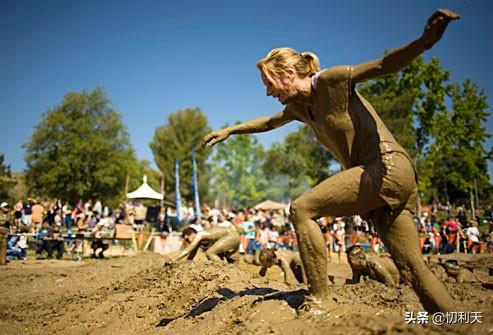
First, consider various possibilities. You can try many sports, you may find sports that you like, and are never thought of before.
Do things that you think are difficult, step out of your comfort zone!
For example, go to climb a rugged mountain, painstakingly traverse through mud and water, towering cliffs, reaching the summit will give you a burst of inspiration.
Set a small goal

You may have a large goal, such as wanting to run a marathon on a certain day. The best way to achieve this goal is to set a series of small goals.
For example, before you participate in a marathon, set goals for a 5K competition. Before that, try to run one kilometer. Many fitness apps can help you track every great thing you do in achieving a big goal.
Shake up the rhythm
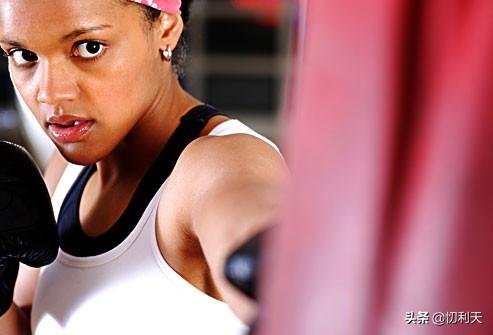
Doing the same exercise every day may make you feel bored.
After persisting in the same exercise for 6-8 weeks, the muscles in the body will adapt. The body consumes fewer calories, increases less muscle.
You can try interval training: speed up your pace for one minute, then slow down, and repeat. Try strength training and aerobic exercise, such as swimming, indoor cycling, and taekwondo.
Listen to the doctor's advice
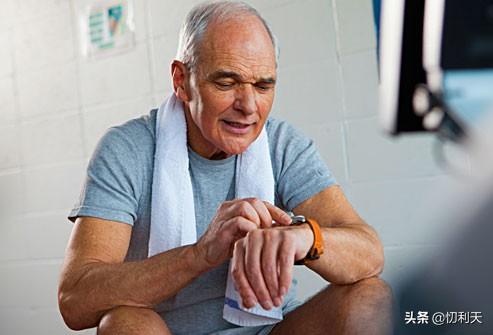
If you don't often exercise now, but after you are 45 (men) or 55 (women), it's better to talk to a doctor first.
If you have health problems or often take medication, fitness exercise is the best advice from the doctor.
To avoid injury and fatigue, start exercising slowly: 3 days a week, 10-15 minutes. Then gradually increase the time and intensity.
Supplement energy

Exercise consumes more calories and increases metabolism.
So, eat every few hours – three meals plus healthy snacks. Before exercise, eat a carbohydrate snack (juice, fruit or yogurt) as a quick energy supplement. After a long and arduous workout, supplement a carbohydrate/protein mixture, such as a peanut butter sandwich or a smoothie. Otherwise, maintain your diet and snacks: try apple and peanut butter, yogurt and nuts, or eggs on whole wheat toast.
Drink plenty of water
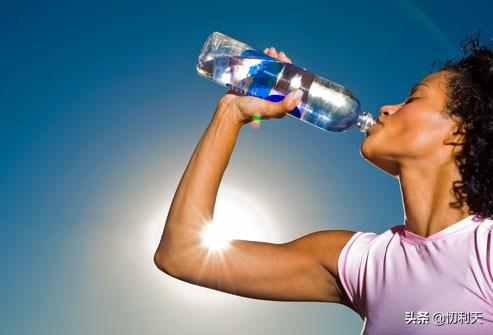
Unless your exercise time is really long or very intense, you don't need to supplement with special electrolyte drinks, plain water is fine.
Drink plenty of water: If you are dehydrated, your muscles may cramp and will increase the risk of heatstroke.
Drink two to three cups of water two hours before exercise. In your daily life, drink one cup every 10-20 minutes. Continue to supplement after exercise.
Do strength training
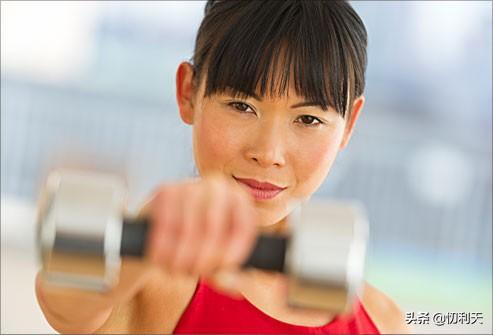
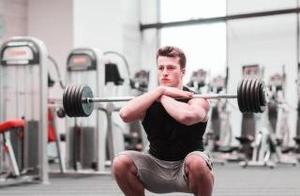
Even if your goal – such as a marathon – focuses on aerobic exercise, you should also practice strength or resistance training.
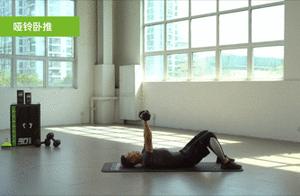
Strong muscles burn more calories, help prevent injuries, and strengthen bones. Work out muscles on weight machines, with hand-held equipment such as dumbbells, kettlebells, resistance bands, or do sit-ups.
Keep muscle rest between sets, such as at least two days rest after strength training biceps and triceps.
Comfortable sportswear
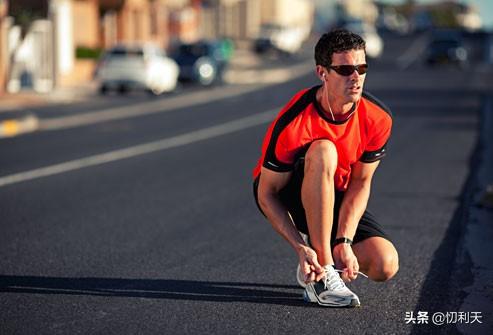
When you exercise, you need appropriate clothing and shoes. This is not about looking good (although it won't hurt), it's about feeling comfortable.
If you wear a long or stiff sleeve shirt and shoes, walking, running or cycling are not fun and easily injured.
Find fabric that removes moisture from your skin – not sweat-wicking cotton.
Believe in the guidance of professionals
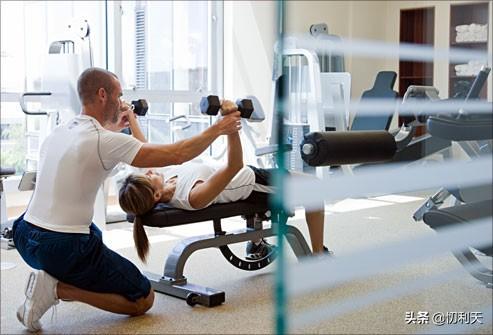
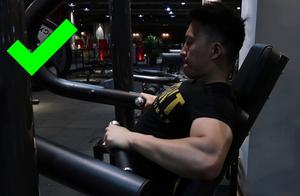
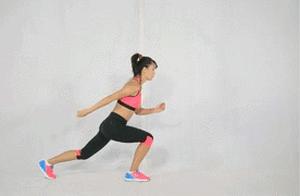
Whether it's running or weightlifting, if your form or technique is incorrect, it's easy to get injured.
Don't think your exercise way is correct, especially when exercise makes you feel pain.
If you often go to the gym and have a trainer or fitness coach, they can observe your exercise and give you suggestions on how to improve your technique.
Or you can read fitness magazines or online videos to learn the correct techniques.