Is More Expensive Protein Powder Really Better? Not Necessarily.
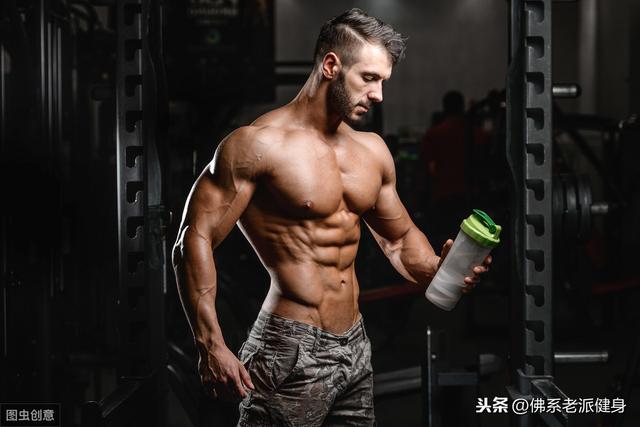
Many fitness enthusiasts face a multitude of protein powders on the market and don't know how to choose. This article will guide you to understand how to choose the right protein powder and avoid pitfalls.
Article Summary:
- Types of Protein Powder
- How to Choose Protein Powder
- Is More Expensive Protein Powder Better?
Types of Protein Powder
First, let's take a look at the types of protein powder:
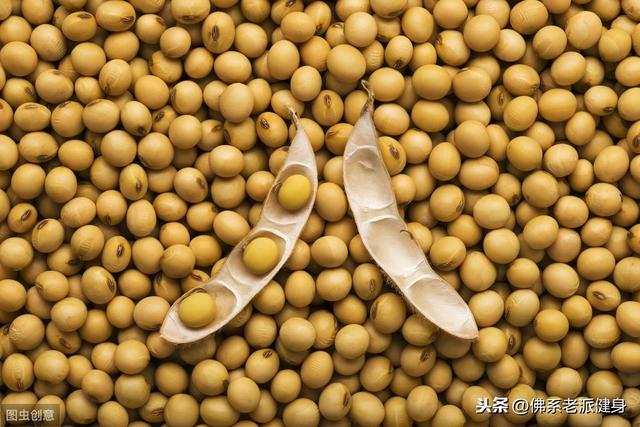
- Plant-Based Protein Powder:Extracted from soybeans and wheat, this is a protein powder.
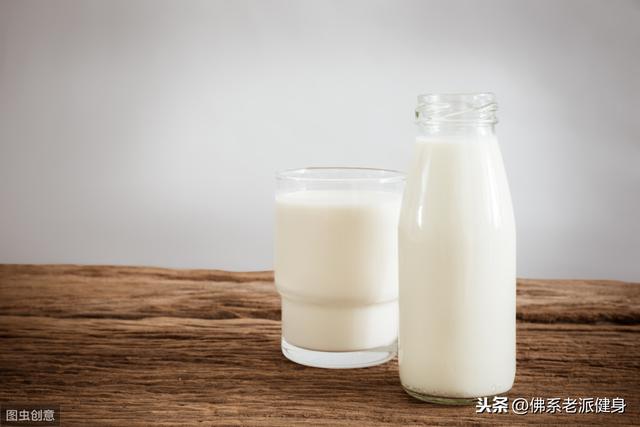
- Concentrated Whey Protein Powder:This protein powder is extracted from milk, and typically contains about 80% protein.
- Isolated Whey Protein Powder:This protein powder is extracted from milk, which is purer than concentrated whey protein powder. It has less fat and carbohydrates, and is lactose-free.
- Casein Protein Powder:The white source allowed by its own nature allows protein to continuously release amino acids into the bloodstream, lasting up to several hours.
- Hydrolyzed Whey Protein Powder:The protein content is usually 90% or more, no lactose, and it also adds various amino acids, glutamine and creatine.
- Beef Protein Powder:This protein powder is extracted from beef. It is a new product in the 21st century.
- Mass Gainer Powder:Contains about 30% protein and 60% carbohydrates, along with other substances.
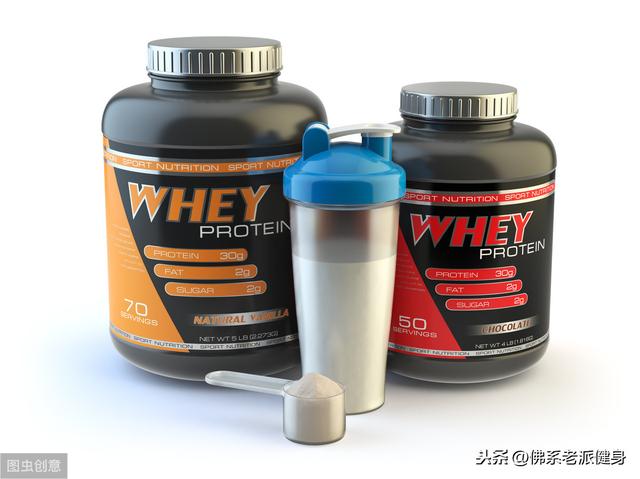
How to Choose Protein Powder
First, let's talk about plant-based protein powder:Although plant-based protein powder is cheap, it is not recommended to use after exercise. Because plant protein powder has a large molecular size, the digestive and absorption effect is not ideal, and it is far inferior to concentrated whey protein powder in terms of muscle repair and synthesis.However, it is a good choice for vegetarians and daily nutritional supplementation.
Concentrated Whey Protein Powder: For fitness enthusiasts, concentrated whey protein powder is the most cost-effective protein powder, containing about 80% protein plus 20% lactose, fat and other substances. It is also easy to absorb and suitable for drinking before and after exercise. Studies have shown that when combined with resistance training, it can improve muscle strength and muscle volume.Isolated Whey Protein Powder:
Compared to concentrated whey protein powder, it is more expensive but purer, with a protein content of up to 90% or more. The processing technology is also more refined, lactose-free and fat-free.It is a good choice for people who are lactose intolerant.Casein Protein Powder:
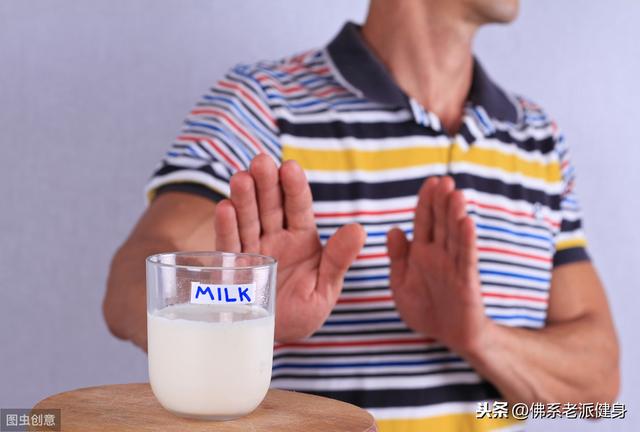
Due to its own nature, it allows protein to continuously release amino acids into the bloodstream, lasting up to several hours. Some studies have shown that when combined with whey protein and casein and a 10-week resistance training program, it can provide the greatest muscle strength improvement effect.It is typically used in strength and endurance training projects to ensure continuous amino acid release.Hydrolyzed Whey Protein Powder:
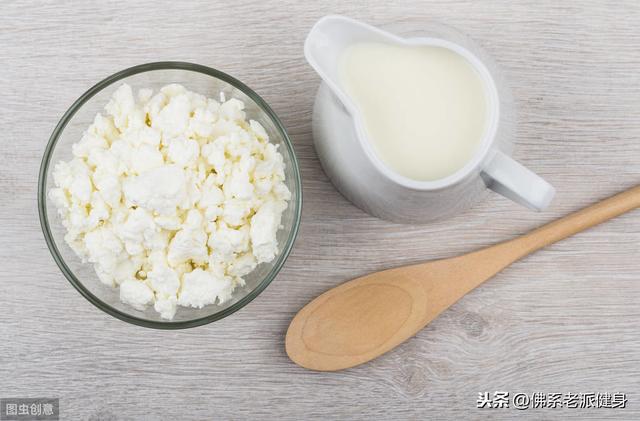
It is relatively expensive, with a protein content of usually 90% or more, no lactose, and adds various amino acids, glutamine and creatine.It might be a good choice for fitness enthusiasts who want to buy other supplements.Beef Protein Powder:

It is expensive, but has a very high protein content, up to 90% or more.It may be a good choice for fitness enthusiasts who are lactose intolerant and don't like whey protein powder.Mass Gainer Powder:
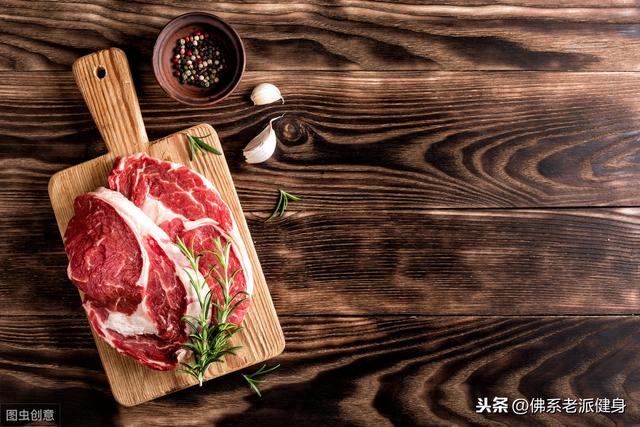
The carbohydrate content is high, although it is not friendly to fat loss. However, experiments have proven that when protein and carbohydrates are supplemented together, they can improve the repair ability of muscle tissue. However, to ensure at least 1.0 to 1.5 grams of carbohydrates per kilogram of body weight, you need to consume at least 100 grams of mass gainer.Is More Expensive Protein Powder Better?

For fitness enthusiasts, we only need to choose regular, regular manufacturer, regular channels of ordinary concentrated whey protein powder, and for vegetarians, we can choose plant-based protein powder. For people who are lactose intolerant, we can choose isolated whey protein powder.
To improve the repair ability of muscle tissue, it is best to take easily digestible and absorbed carbohydrates (1.0-1.5g/kg) and 30-40 grams of concentrated whey protein powder within 30-40 minutes after exercise.As for higher priced protein powders, fitness enthusiasts who have bulging wallets can consider it.Finally, I want to say that protein powder is not a miracle drug. To achieve efficient muscle gain, the most important thing is regular training, adequate protein intake and reasonable energy supply.
I am a 'Fabulous Old School' fitness enthusiast, thank you for your attention, if you have any questions, please leave a comment below, and I will answer them one by one.