Post-Wake Stretching Exercises for Runners: 6 Movements to Relieve Muscle Tension

When you wake up, the first thing you do is what? Many people will pick up their phones to play for a whole day. It's important to wake up and first do some stretching for your body. For runners, stretching after waking up is especially important.
Because when we sleep, we maintain a posture for a long time, which makes the body tighten, leading to muscles shortening and remaining shortened for a long time. Especially after a day of exercise, sleep and rest can help recovery, but it can also cause muscle tension, which can make you feel uncomfortable after waking up. If you continue to exercise and train in this state, it will immediately put a burden on the muscles and cause muscle injury.
Therefore, after waking up, it's best to do a full body stretch to wake up the muscles and stimulate blood flow, while improving body flexibility and increasing physical mobility. Runners spend 20 minutes after waking up to do some stretching to restore their body's function. The following 6 stretching exercises can effectively help you recover from muscle tension.
1Head movement
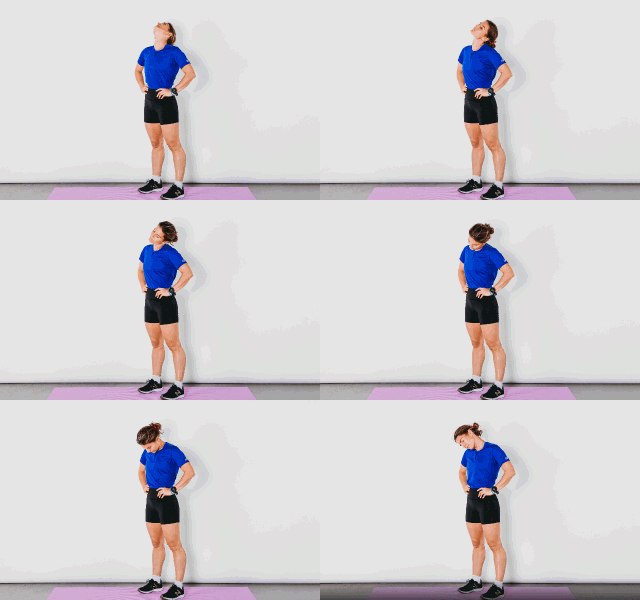
How to do: Stand with your legs spread shoulder-width apart and your hands on your hips. Gently roll your neck right and back until you stare at the sky, then roll left and down until you stare at the floor. Repeat on the other side.
Why it's effective: Stretching can relieve tension and improve movement range in the neck, which can help improve posture during running. Neck pain can prevent you from doing this because it may cause the shoulders to curve forward.
2Shoulder movement
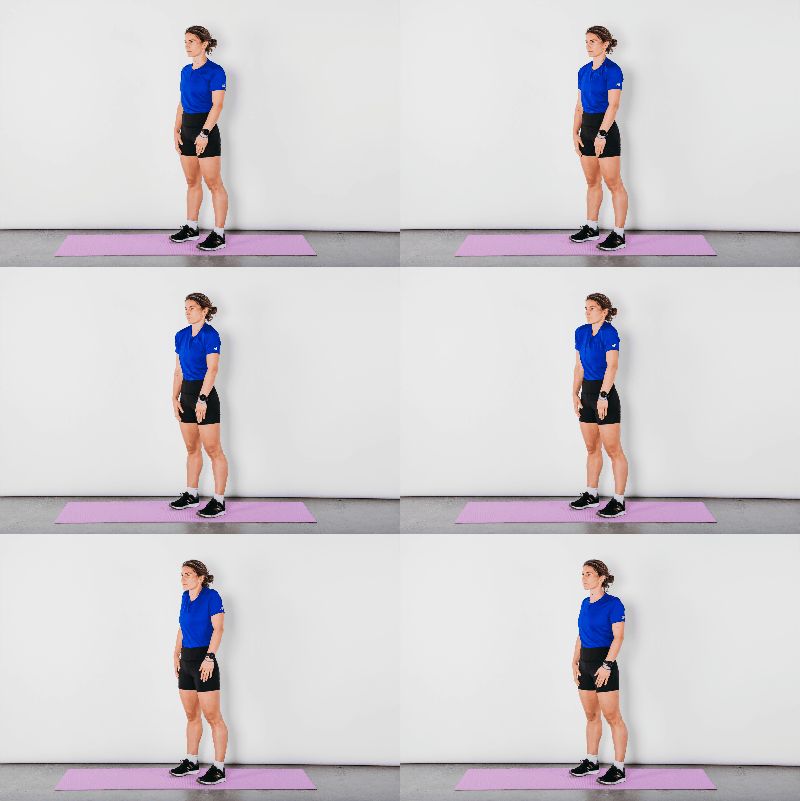
How to do: Stand with your legs spread shoulder-width apart and your arms hanging down. Shrug your shoulders and slowly move them towards your ears, then slowly lower them down.
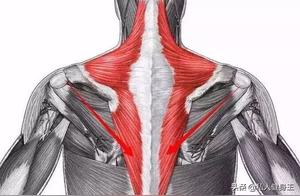
Why it's effective: This action can activate the posture and remind you to move your shoulders back and down, which can reduce the tension of the trapezoid muscles.
3Knee bend forward hug knees
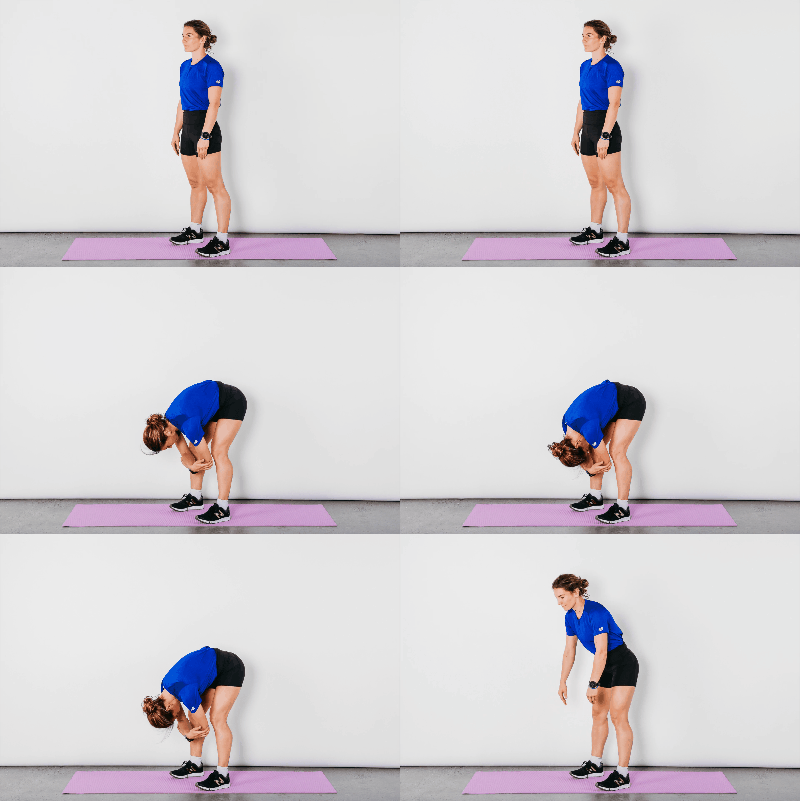
How to do: Stand with your legs spread shoulder-width apart and your arms hanging down. Bend your knees and bend your body forward, using your arms to grasp your other arm elbow. Stop at the bottom, then stand up again.
Why it's effective: This exercise helps improve spinal mobility while stretching arms and relaxing hamstrings and upper back.
4Ankle circling
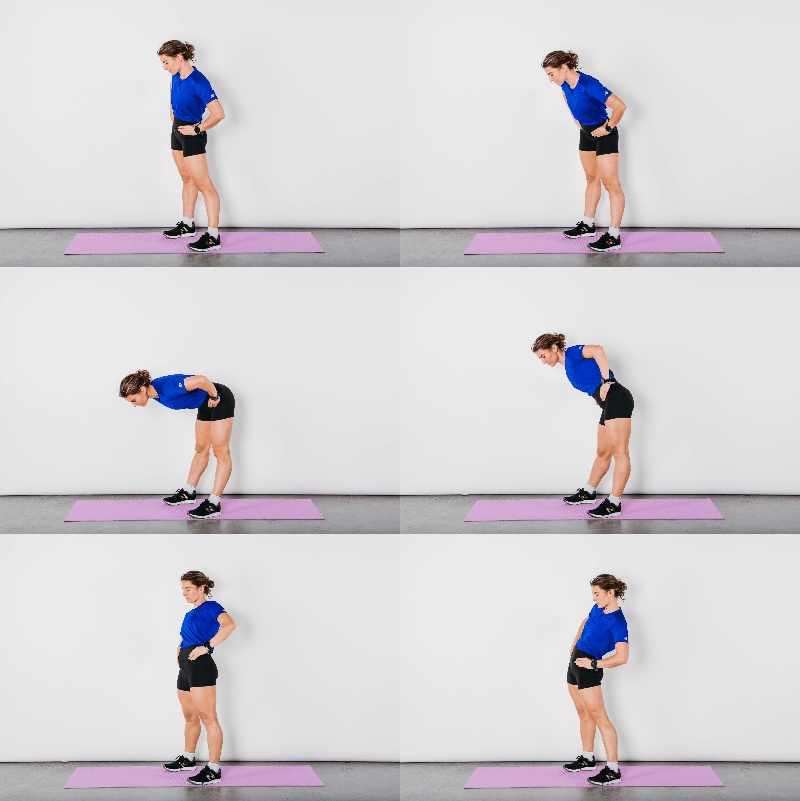
How to do: Stand with your legs spread shoulder-width apart and your hands on your hips. Move your hips to the right, slowly pushing them back and forth, then forward, repeating on the other side.
Why it's effective: The action increases the range of movement of the hips and relaxes the hip flexors and hamstrings.
5Stretch
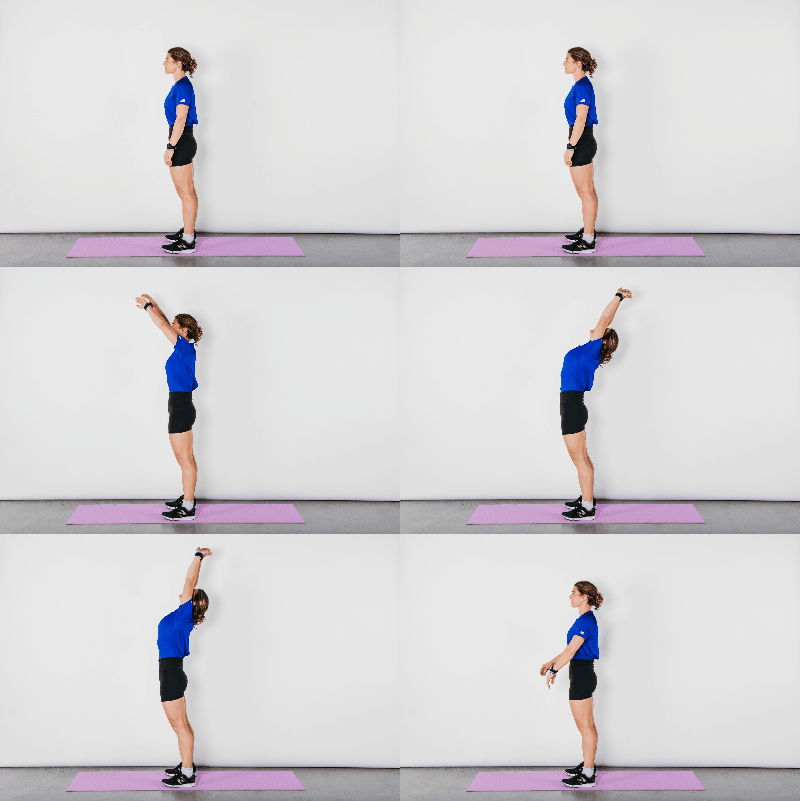
How to do: Stand with your legs spread shoulder-width apart and your arms hanging down. Raise your arms to the top of your head, finally tightly grasp your hands, squeeze your hips, arch your back and look back (without twisting your neck). Return to the starting position.
Why it's effective: This helps eliminate shoulder tension, neck pain and stiff arms during running.
6Squats
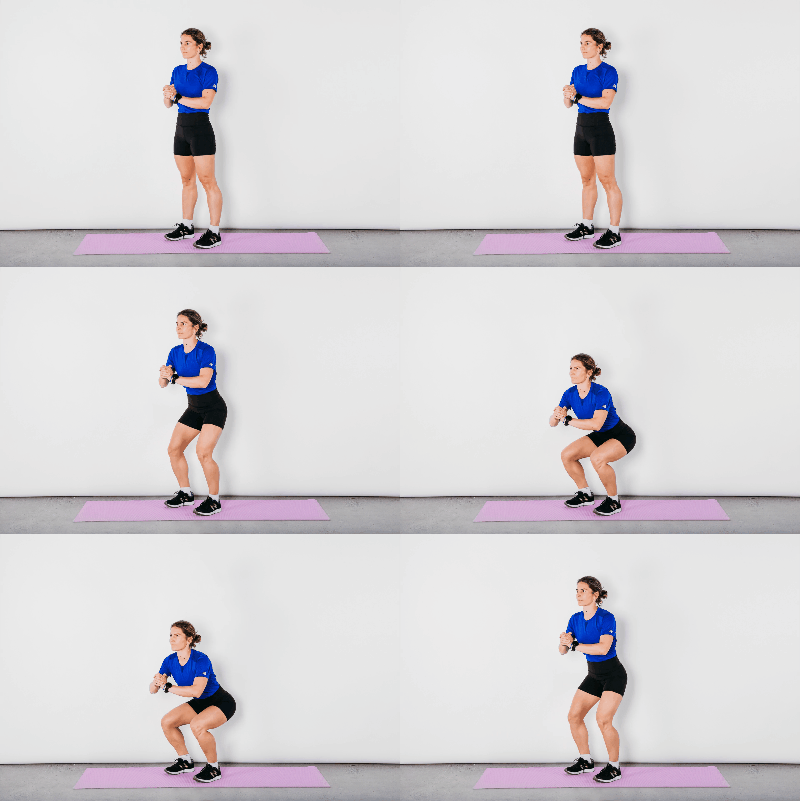
How to do: Start with a stand, with the width of your feet slightly wider than the width of your hips, your hands clasp your chest to maintain balance. Move your hips back, and while keeping your chest raised, bend your knees as low as possible. Lower until your thighs are at least parallel to the floor. Step back to the starting position.
Why it's effective: Ankle activity is very important for runners, squats can produce activity in the ankles, and squats can activate the hips to establish body awareness.