Coffee Knowledge | How Does Bitterness Come From Coffee?
Coffee bitterness is often attributed to caffeine, but that's not entirely the case.
First, we need to understand what coffee bitterness is, what it comes from. After searching online, it shows: Coffee bitterness is the result of 21 known sources. Caffeine, certain acids, proteins, and alcohols are the main factors causing bitterness, but chlorogenic acid is the primary source.
Chlorogenic acid has many types, but the two we need to understand are quinine acid (a compound commonly found in green coffee beans) and di-CGA, which are the main culprits behind coffee bitterness.
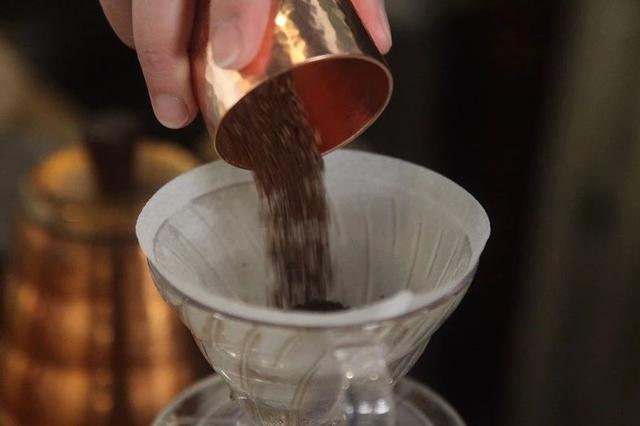
Although coffee bitterness mainly comes from chlorogenic acid, according to Veronica Belchior, a Q-level student and doctoral student who studies the relationship between chemical composition and taste, caffeine also plays a certain role. However, this is only secondary.
From the perspective of coffee bean varieties
Robusta beans are much more bitter than Arabica beans. Because its chlorogenic acid and caffeine content are both higher than Arabica beans. Robusta beans contain chlorogenic acid up to 10% – about 2% higher than Arabica beans, and from some sources we know that Robusta beans contain caffeine half as much as Arabica beans.
In 2016, Adriana Farah and Carmen Marino Donangelo published an article in The Brazilian Journal of Plant Physiology entitled “Factors that determine the composition of compounds in the final drink, such as variety and category genetic factors, maturity, and environmental factors and planting habits, also affect the composition of compounds in the final beverage.”
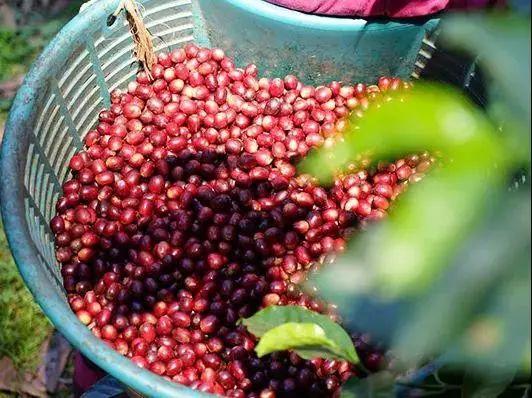
They also mentioned the factors of processing, especially wind-dried processing. This Indian traditional processing method exposes the beans to humid wind environments, and this processing method is believed to effectively reduce chlorogenic acid and bitterness.
So, what bitterness substances are currently in coffee? We can also see this table.
Matter | Concentration ppm | Minimum Perceived Concentration Value (mg/ml) | Remarks |
Quinine acid | 3200-8700 | 10 | 1290 |
2-Furanol | 0.05 | ||
Furalcohol | 300 | 19-40 | 10 |
Hulubak | 3000-10000 | ||
Chlorogenic acid | 20-100 | 20-27 | |
Coffee acid | 10-90 | ||
Citric acid | 1800-8700 | 96-590 | 15 |
Apple acid | 1900-3900 | 107-350 | 13 |
Lactic acid | 0-3200 | 144-400 | 6 |
Acetone acid | 400-1700 | ||
Acetic acid | 900-4000 | 22-70 | 53 |
Pyrazine class | 17-40 | 1 | 30 |
Benzopyridine | |||
Caffeine | 10000-20000 | 78-155 | 155 |
Source: ICO Sensory
From the perspective of baking
As coffee approaches deep roasting, bitterness increases. Previously, we thought caffeine caused bitterness, but in 2017, according to Professor Thomas Hofmann of the Food Science Department of Munich University, caffeine contributed only 15% to bitterness in Java coffee, so caffeine and decaffeinated bitterness are not much different.
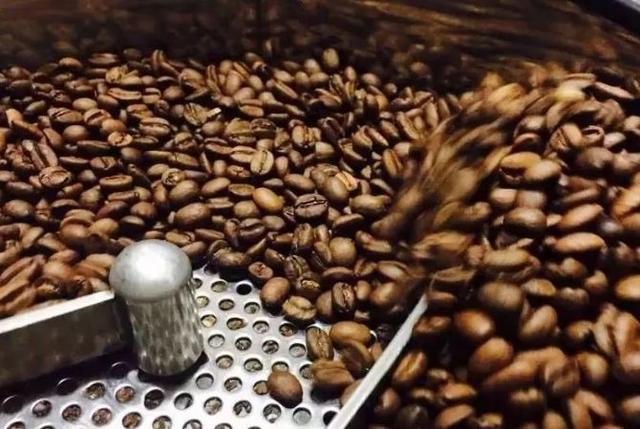
Instead, during the baking process, chlorogenic acid will change, breaking down chlorogenic acid into chlorogenic acid esters and 3-diketones (phenylindanes).
Because the structure of chlorogenic acid ester has 10 forms, it adds bitterness to coffee from light roast to medium roast, while 3-diketone (phenylindanes) mainly exists in deep roast coffee, so it will stay longer and cause bitterness, which is why the darker roasted beans are more bitter.
From the perspective of brewing
The factors causing bitterness can be analyzed from the temperature of hand-brewed water, grinding degree, and extraction time. During brewing, one of the important reasons for bitterness is that coffee substances are excessively extracted. How to avoid this?
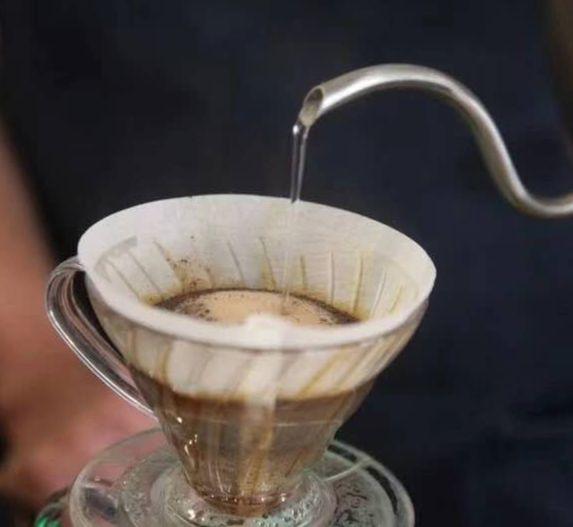
Temperature: The higher the water temperature, the more substances are extracted. But if the water temperature is too high, it will extract too many substances and cause coffee to be bitter. According to the roasting degree, adjust the water temperature. Light and medium roasts should be 92-90℃, medium-dark and deep roasts 88-85℃.
Grinding degree: Determine the grinding scale you are using. The finer the coffee powder and water, the larger the contact area, but very fine coffee powder can easily extract excessive substances and cause coffee to be bitter.
Extraction time: Extract completely within the specified extraction time, do not extract too long to cause over-extraction.
“”~