When Making Water Boiled Shrimp, Avoid Directly Putting Them in the Pot to Cook – Otherwise, the Shrimp Will Be Tough and Have a Strong Fishy Flavor; I’ll Teach You the Correct Way to Make Water Boiled Shrimp
The biggest experience brought to food lovers by the current development of technology and economic globalization is to enjoy food from all over the world without leaving home. Moreover, with the continuous improvement of animal husbandry technology, the prices of many seafood have also declined, most notably abalone. Once a precious delicacy, it is now available in supermarkets. Although high-end abalone is still at a high price, it's a good thing. Among all seafood, shrimp are undoubtedly the most affordable, rich in nutrients, flavorful, and not expensive.
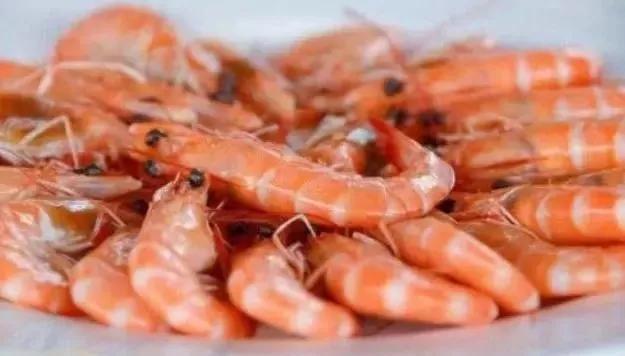
Seafood, in fact, many people feel that boiled shrimp is enough because seafood is all about the 'freshness' of it. And boiled shrimp is also the method that can best retain the original flavor of the ingredients. Especially after boiling, the shrimp meat is dipped in soy sauce, which is really delicious. However, even this simple boiled shrimp, some people can make it ruined, resulting in the shrimp being not fresh, not chewy, and the meat quality is good. This is because many people buy shrimp, wash them, and then immediately put them into the pot.
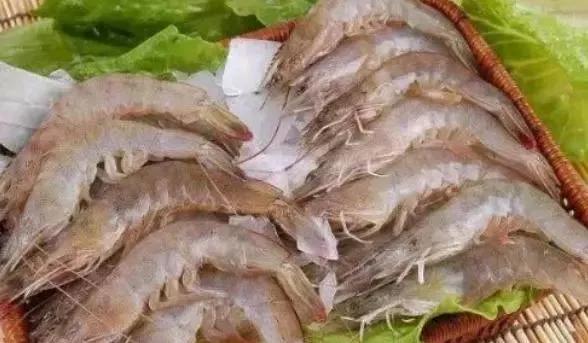
Here, I want to talk to everyone about the cooking of shrimp. First, we have the main ingredient, shrimp. Then we prepare the seasonings: rice wine, pepper, and scallions with salt.
First of all, the shrimp must be fresh live shrimp. Then wash the shrimp and put them aside. Next, pour water into an empty bowl, add salt and start stirring. After stirring evenly, put the shrimp into the bowl and soak for 30 minutes, then take them out and clean them again. I highly recommend removing the shrimp thread, as it completely changes the eating experience. However, shrimp are generally less contaminated, so picking them out doesn't make much difference, it's mainly for the feeling of difference.
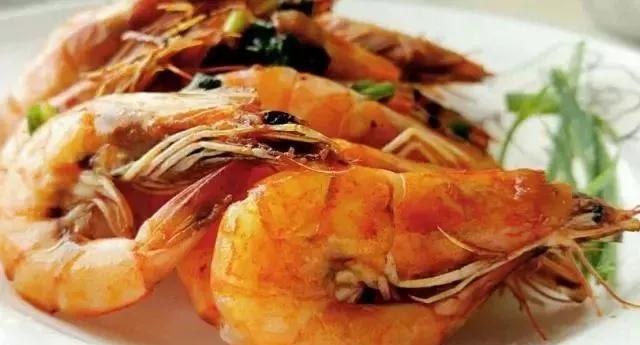
Next, add water and ginger and scallion segments to the pot. Then turn on the fire and wait for the water to boil before pouring in the shrimp, then add rice wine, pepper, and salt. When the shrimp turns red and curves, immediately take it out.
Next, put the cooked shrimp into cold water to increase the texture of the shrimp and also to make the shrimp easier to peel. The fresher the shrimp, the less the smell. Also, this cooling method can be used for other shrimp.
Finally, after cooling the shrimp, drizzle with soy sauce and you're done!