Flying Without Wings: An Exploration of Wingless Flight in Insects – Spiders
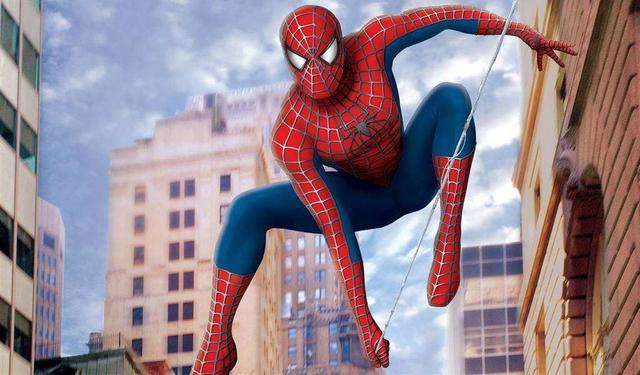
In the general understanding, flying is the domain of birds and some insects, and humans and other creatures without wings have no way of flying except by riding airplanes. But is this really the case? Birds' bodies and wings allow them to fly for a long time in the air, but there are some rare creatures in nature that can also fly into the sky or to some extent, even without wings.Have you all seen the scene where Spider-Man uses spider silk to shuttle between cities in the movie 'Spider-Man'? But most people don't know that the flying ability of spiders in reality is more than that of Spider-Man in the movie. Spiders are flying creatures, and it is not news in the scientific community that spiders can fly. Darwin mentioned in his 1839 publication, 'The Narrative of the Voyage of the Beagle,' many observations he made during his voyage, including seeing hundreds of spiders flying and landing on the ship, and the distance between the ship and the land was as much as hundreds of miles.
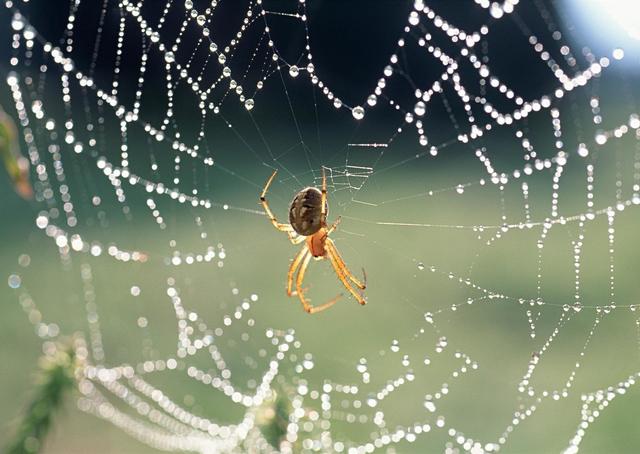
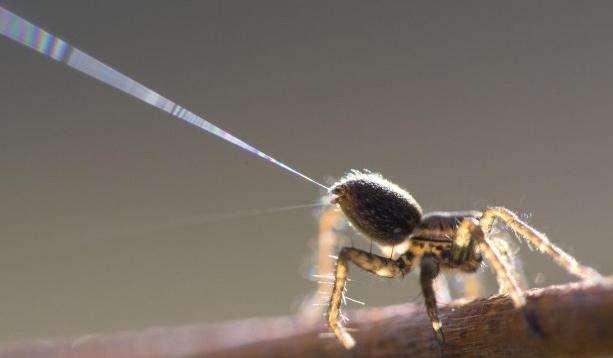
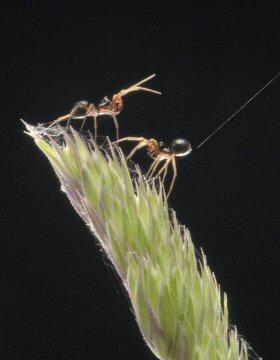
Spider's flying method is different from that of birds that fly with wings. They just need to wait for the opportunity and release spider silk to make them float. The principle of spider flying has always been a topic of discussion in the scientific community. There are two main theories: one group believes that wind is the main driving force, and the other group believes that static electricity is the driving force. The wind-supporting party believes that the spider silk released is soft and elastic, and when it encounters strong wind, it can be highly bent, like a parachute, carrying the spider into the high altitude. This theory has gained the support of most people. However, the static electricity faction doesn't agree. They observed that spiders can fly even when there is no wind, so they believe that static electricity is the driving force. It wasn't until the UK released a decisive experiment that the theory was overturned. Researchers placed spiders in a closed box without air circulation and set up an electric field inside. After that, they observed that the hairs on the spider's legs were affected by static electricity and stood upright like human hair, indicating that the spider felt the changes in the surrounding static electricity. Shortly after, researchers discovered that spiders could release silk and take off even in the absence of wind, and when they turned off the artificial electric field, the spiders didn't show any flying behavior. Later researchers found that the electric field could also control the height of the spiders' flight. This decisive experiment overturned the wind-supporting theory and proved that the main driving force of spider flight is through static electricity, and wind is just a role of assistance and direction control. Researchers believe that spiders first use the static electricity of the global electric field to control the take-off height, and then fly with the wind. This research changed our understanding of spiders.
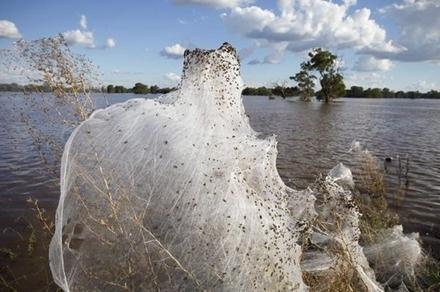
In real life, spiders don't often use this skill, so few people have seen the scene of spiders flying with their own eyes. Usually only young spiders during the breeding season can use this flying method to leave the activity areas of adult spiders and find their new habitats. When spiders encounter changes in their living environment that make it unsuitable for them to live, spiders will conduct large-scale migration. For example, in Australia, after the excessive rainfall caused some areas to flood, people later discovered the traces of large-scale spiders flying and migrating in the flooded areas.
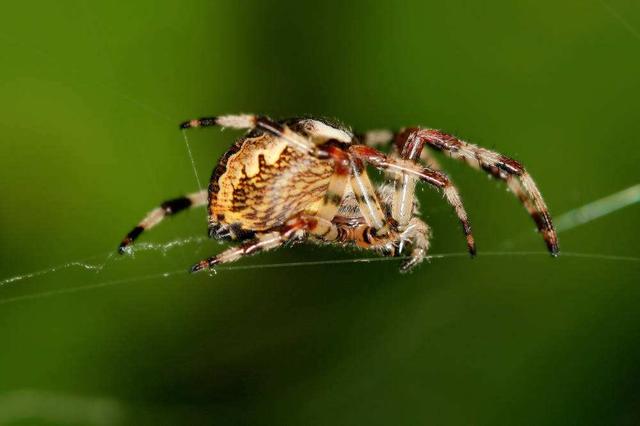
Sometimes you can also see a vast amount of spider silk in the countryside fields. These are also the traces left by many spiders trying to fly.