Why the Himalayan Wolves, Traditionally Considered Equal to Chinese Wolves, Are Now Recognized as a New Species?
Author: Stone Lan
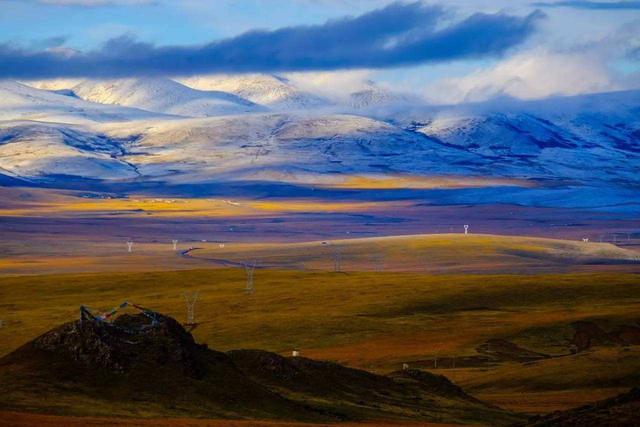
For over a century, people have long considered the Himalayan wolf to be a subspecies of the gray wolf, sometimes also referred to as the Tibetan wolf. In the past, the species was only observed in parts of Tibet and India. However, researchers have found that the population of Himalayan wolves on Earth has sharply reduced, and, they are not a subspecies of gray wolves, but an ancient wolf lineage with an evolutionary history of at least 800,000 years.
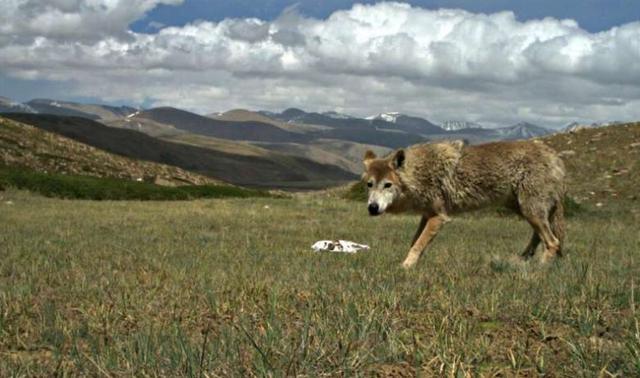
In short, the extant populations are not just of gray wolf subspecies, but a unique wolf species that appeared earlier in the world than gray wolves. On the one hand, the Himalayan wolf's long evolutionary history has resulted in its genetic markers being different; on the other hand, as the top predatory animal in the high-altitude Asian region, the Himalayan wolf possesses genetic traits that allow it to adapt to high-altitude environments, which makes its natural habitat the last complete wilderness area on Earth.
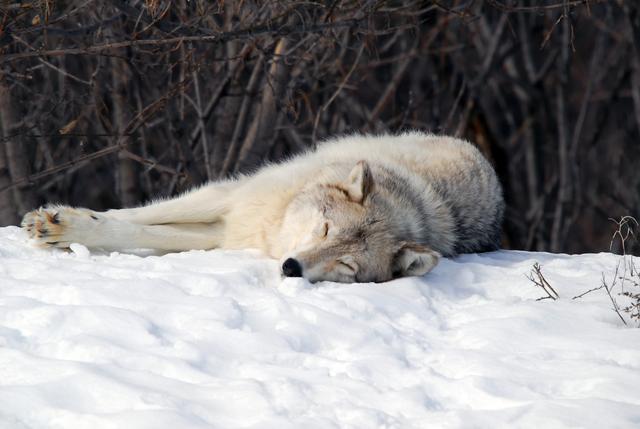
Whether from an ecological or genetic perspective, the Himalayan wolf is the only wolf species that can adapt to the extreme low-oxygen levels in high-altitude areas. Furthermore, the Himalayan wolf's natural habitat is not only in the Himalayas but also in the Qinghai-Tibet Plateau and parts of Nepal. Despite the fact that it is currently impossible to accurately count the existing population of Himalayan wolves, and how their specific behaviors and the ecological situation of their environment are not clear.
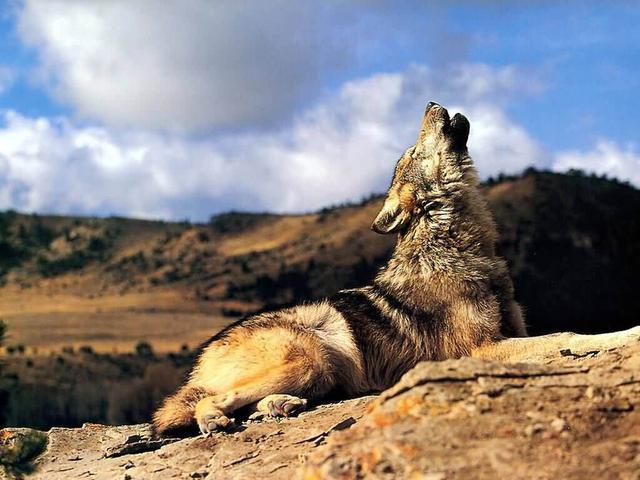
However, these are questions that need time to answer, but cannot change the fact that the Himalayan wolf has become a wolf species that needs to be protected. Perhaps many people are not aware that the water resources possessed by these high-altitude lands, equivalent to tens of billions of people in Southeast Asia jointly owning freshwater resource bodies. In fact, the decline in the Himalayan wolf population has developed to the point where human intervention is needed. Because, from an ecological perspective, restoring the Himalayan wolf population to a normal level is first to balance the number of other wild animals and plants in the local ecosystem, and second to stabilize the larger biosphere of human life.
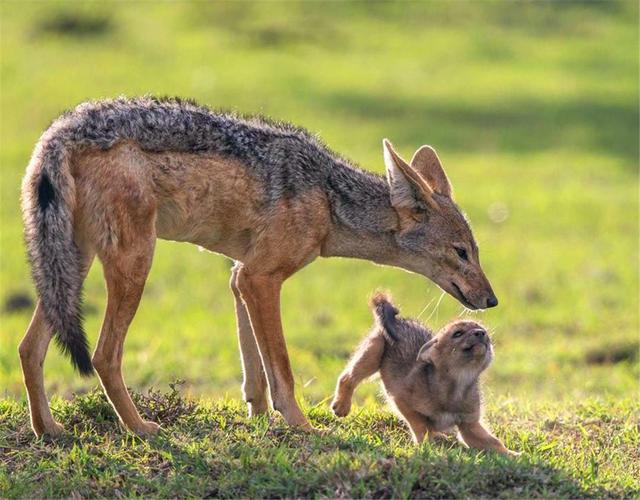
Researchers have been studying Himalayan wolves for several years, because existing information is difficult for people to understand the information about this population, and the scarce data at that time only indicated that Himalayan wolves and gray wolves have genetic differences, but did not provide further explanations. From the Himalayan wolf packs found by researchers in Nepal, they are gregarious and generally a pack of 5 wolves. The number of the packs is smaller than the usual wolf packs, which is consistent with the strong exclusivity of the Himalayan wolves and cubs.
If we want to know the genetic and genetic changes that occurred in the evolutionary history of the Himalayan wolf, including its lifestyle and main food sources, this information is of great significance. According to the results, the main food of the Himalayan wolf is mainly wild animals, and there are seasonal characteristics. In the struggle for food, some livestock also eat wild animals, which has led to conflict between Himalayan wolves and livestock. However, in such a harsh environment, livestock are the main tools maintained by local people.
It is precisely because of these issues that local communities engage in the hunting and trading of wild animals to kill Himalayan wolves, in order to avoid these wolves preying on their livestock. In short, to stop the continued reduction of the Himalayan wolf population, the first thing to do is to crack down on the hunting and trading of wild animals, so that their population can return to normal, then to avoid the conflict between livestock and Himalayan wolves due to competition for wild animals, and will not happen again local people hunting Himalayan wolves. Currently, the Himalayan wolf has been recognized as a new species, which is undoubtedly good news for its protection.
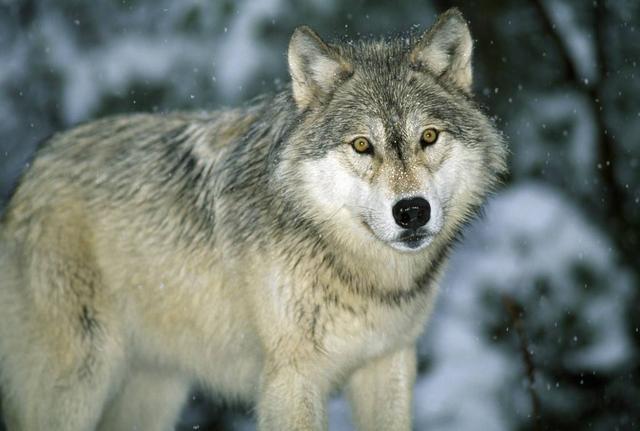
As mentioned in the previous text, the Himalayan wolf was originally considered to be at the same level as the Chinese wolf, both a subspecies of the gray wolf. But now the situation is different, the Himalayan wolf's genetics and genes have shown differences, while the DNA sequencing and gene genetic research of the Chinese wolf show that gray wolves and Chinese wolves have common ancestors. In terms of time, the Chinese wolf, as a survivor of the Ice Age, originated about 300,000 years ago in the late Pleistocene, and the origin of the Himalayan wolf recognized as a new species is about 500,000 years earlier than the Chinese wolf. Therefore, calling the Himalayan wolf a 'ancient wolf species' is not unreasonable.