Those Rare Beasts That Once Roamed Guangxi
According to historical records, there are 133 wild animal species in Guangxi, including even-toed boars, yellow pangolins,yxling,linsi,meihualu,qingyang, and others; carnivores such as large cats, small cats, fruit otters, coconut otters, mountain badgers, otters, South Chinese tigers, leopards, gold cats, black bears, foxes, and hyenas; rodents such as squirrels, arrow pigs, Chinese bamboo rats, silver rats, gerbils, and so on. Today, let's take a look at the precious wild animals that once roamed across Guangxi.
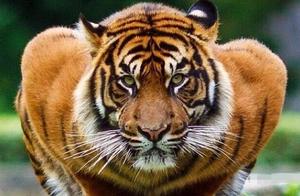
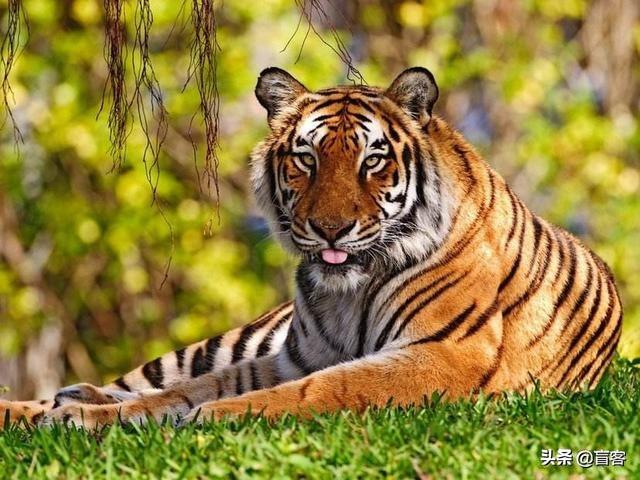
The South Chinese tiger is the world's most endangered tiger, regarded as a rare treasure, and is listed as a national level protected animal. In the 1950s and 1960s, tigers still frequently caused damage to people and livestock in Guangxi. After the 1970s, only several counties in the mountainous areas of Longzhou, Heshou (now Hezhou), and Leye, had occasional tiger and tiger-like sightings, mostly of passing tigers, and were on the verge of extinction.
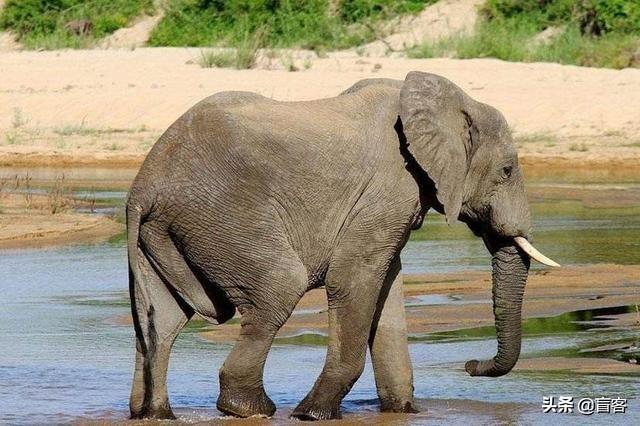
There were also Asian elephants in Guangxi's history. The Tang 'Lingshi Records' said: 'The county of Guang, belonging to the county of Guang, has many wild elephants.' In 1543, according to the 'Qinzhou Zhi' record: 'A herd of elephants came from the Spirit Mountain and arrived near Qinzhou City, ravaging fields and crops, injuring people, and the magistrate Dong Tingqin dispatched officer Zhang Qi to capture them. Zhang Qi designed to capture the entire elephant herd.' 'Nanning Zhi' said: 'In the 1587 autumn of Wan County, the wild elephants harmed the crops.' 'Lianzhou Zhi' said: 'In 1594, the elephant arrived in Qinzhou.'
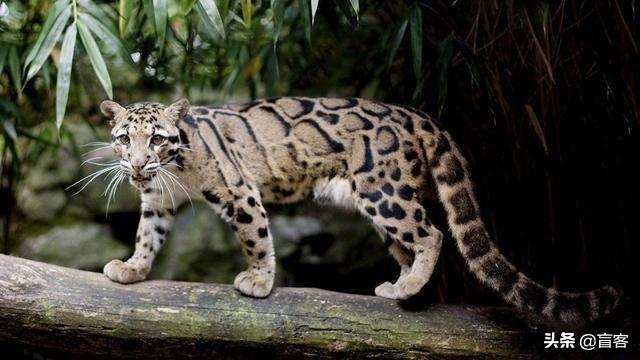
Cloud leopards, also known as tortoise-patterned leopards, generally live in broadleaf forests, are good at climbing trees, and often lurk on trees to hunt primates, rodents, and birds. They are distributed in resources, Zhenzhou, Lingchuan, Yongfu, Fuchuan, Heshou, Tianlin, and Tian'an counties, with very few numbers and are listed as national level protected animals.
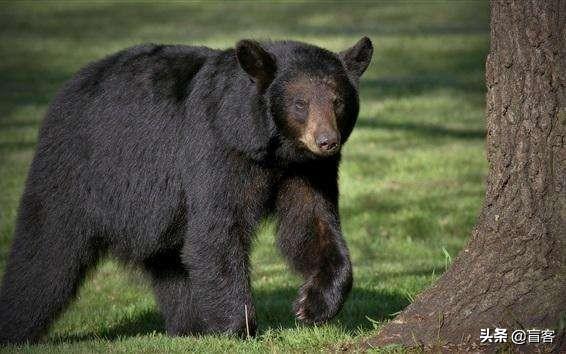
Black bears, also known as brown bears, were once found in major forest areas, and by the late 1980s, there were only a few remaining in some forest areas.
Gold cats, also known as yellow tigers, live in forests, are nocturnal, and are good at climbing trees, and are listed as national level two protected animals. They are distributed in the stone mountains and soil mountains of Guangxi, and have very few numbers.
Linshi (Lin) male musk deer produce musk, which is a valuable medicinal material. They are mainly distributed in various mountainous areas, and their numbers are dwindling, and they are native to Tian'an, Nandao, Xinchang, and Liucheng counties, where it's now difficult to find them. They are listed as national level two protected animals.
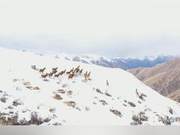
Pei Hua Lu () - Reeves's deer, is the largest deer in Guangxi's deer family in terms of body size, and can weigh up to 250 kg. In the 1950s, there were small groups roaming in major forest areas. In the early 1960s, they were hunted and killed nearly 100 heads, causing the Reeves's deer population in the area to basically disappear. By the late 1980s, the Reeves's deer population in Guangxi was very small.
Water Deer is the largest deer species in Guangxi, weighing up to 250kg. In the 1950s, they were often found in small groups in major forest areas. By the late 1980s, they were found in Jiuhuan Mountain, Faping, and Fuchuan West Ridge. Yellow Pangolin is a common animal in Guangxi's forests. Due to excessive hunting, their current number is very few. In the 1950s to 1960s, the Tian'an County acquired 10+ million square meters of yellow pangolin skins. In 1964, they acquired 1971.1 square meters, and by the late 1980s, it was basically impossible to acquire more.
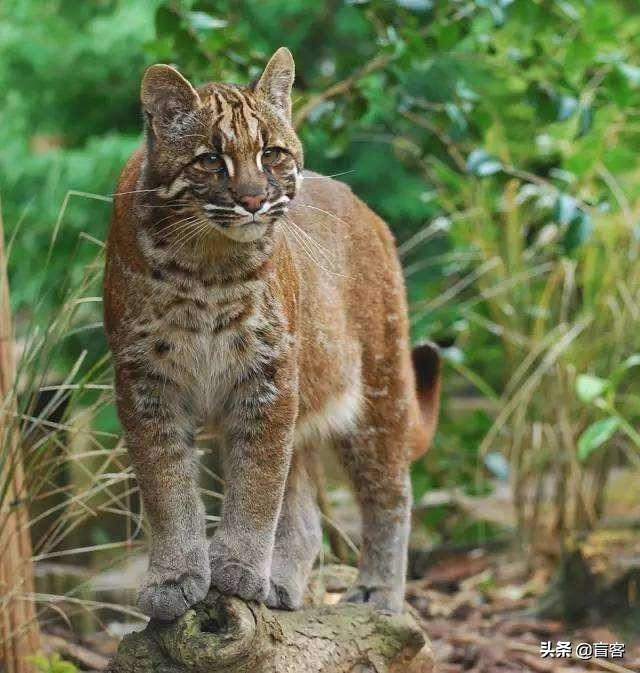
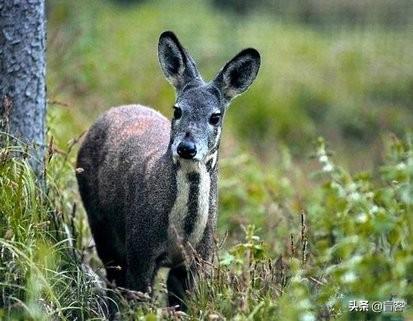
5060 80
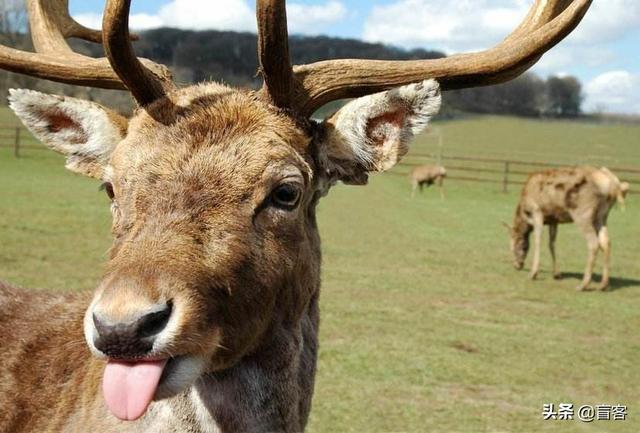
2505080
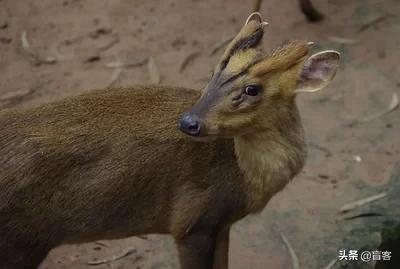
5060 1019641971.180