Japanese Cherry Blossoms and Peking University Cherry Blossoms Will Debut Unseen! Unveiling the Reasons Why Japanese People Love Cherry Blossoms
From the current practical situation, this year whether it's cherry blossoms in Japan or cherry blossoms at Peking University, we all missed the opportunity to watch them in person! They will be the first time they're unseen and unheard of. But turning over a new leaf, isn't it also a good opportunity to ponder about cherry blossoms? Let's take this chance to explore all sorts of things about cherry blossoms together.
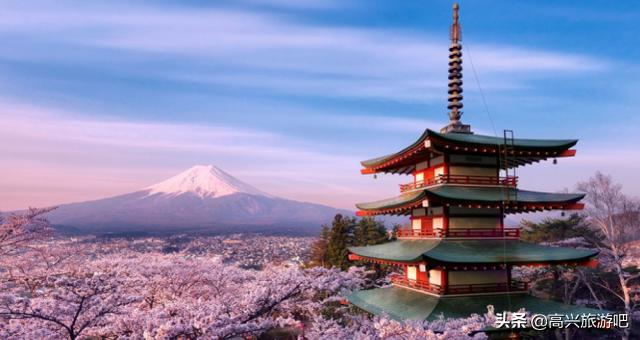
Japanese cherry blossoms
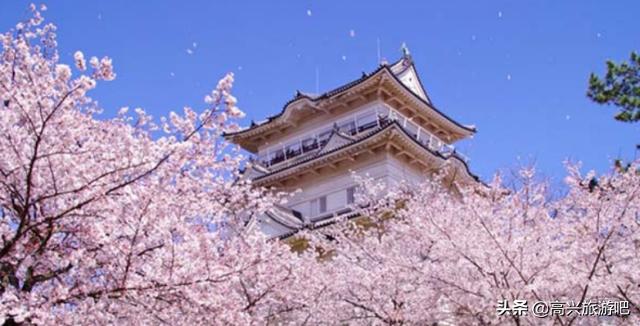
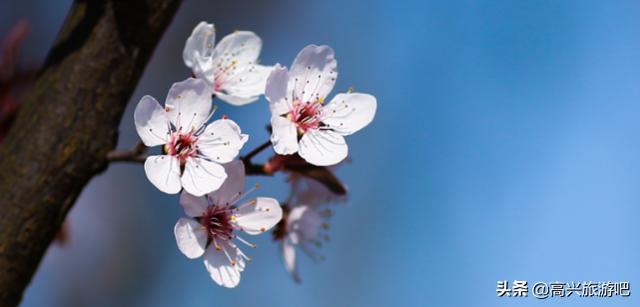
Just mentioning the word 'cherry blossoms', people's first impression is often Japanese cherry blossoms. In the revised name ofChina Plant Atlas', cherry blossoms are specifically designated as 'Tokyo cherry blossoms' and 'Japanese cherry blossoms'. In Japan, from March 15th to April 15th is their 'Cherry Blossom Festival'. It is recorded that cherry blossom varieties are quite numerous, exceeding 300 kinds. There are about 150 wild cherry blossom species worldwide, and 50 kinds in China. Cherry blossoms have 3 to 5 flowers per branch, with a notched tip on the petals, and the color is usually white or pink. They often appear with leaves in March or slightly after the leaves, and as the seasons change, the color and fragrance of cherry blossoms become more beautiful and elegant, often used for garden viewing. Cherry blossoms are divided into single-petaled and double-petaled varieties, single-petaled varieties can bloom and bear fruit, and double-petaled varieties usually don't bear fruit.
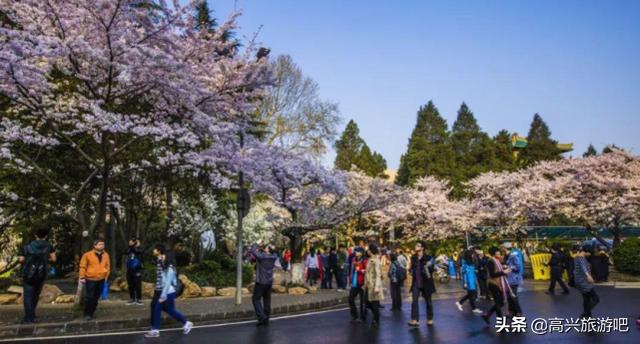
Peking University cherry blossoms
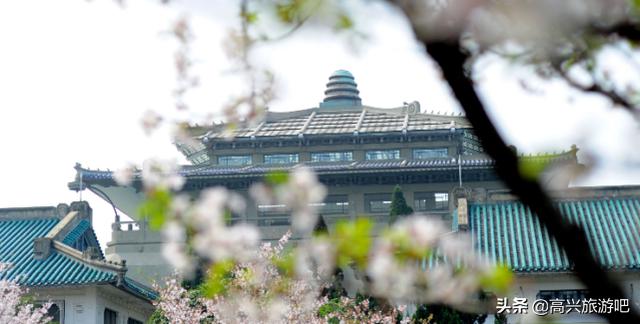
Peking University cherry blossoms are commonly known as Wuhan University cherry blossoms, and are closely related to Japan. In 1939, the Japanese army planted the first batch of cherry blossom trees in the Wuhan University campus, and Wuhan University's gardening department used these first-generation cherry blossom trees as 'parent stock' for grafting and reproduction. After that, in 1973, China and Japan resumed diplomatic relations, in 1982, China and Japan celebrated their friendly relations for 10 years, and in 1992, China and Japan celebrated their friendly relations for 20 years, Wuhan successively accepted cherry blossom seedlings from Japan—now many cherry blossom trees in Wuhan University campus come from these seedlings, except those cultivated by gardeners themselves. Now, there are many tourists who come to Wuhan to admire cherry blossoms, and during peak season, even ticketed cherry blossom viewing is still crowded.
Best time to view cherry blossoms in Japanese major cities
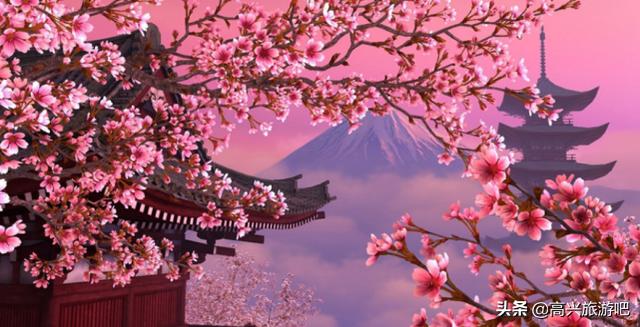
We all know that March 15th to April 15th is the 'Cherry Blossom Festival' in Japan every year. This is just a general time frame, with different weather conditions and different locations in Japan, the best time to view cherry blossoms in Japan is also different. Below, we have compiled and sorted out the best blooming times for cherry blossoms in several famous Japanese cities, for reference when you go to Japan to view cherry blossoms.
Cherry blossom viewing best time prediction for Tokyo:
April 2nd – April 9th;
Cherry blossom viewing best time prediction for Kyoto:
April 4th – April 10th;
Cherry blossom viewing best time prediction for Osaka:
April 3rd – April 9th;
Cherry blossom viewing best time prediction for Kobe:
April 5th – April 11th;
Cherry blossom viewing best time prediction for Nara:
April 5th – April 11th;
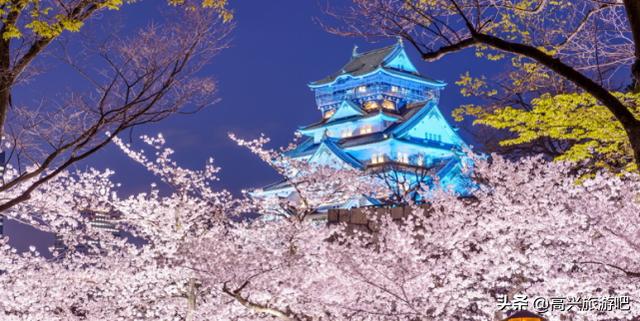
Cherry blossom viewing best time prediction for Hiroshima:
April 3rd – April 10th;
Cherry blossom viewing best time prediction for Nagasaki: