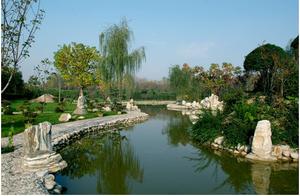
The Pinyan Ancient Town is permeated with a serene and elegant beauty, possessing a distinctly poetic and picturesque quality reminiscent of small bridges, flowing water, and traditional residences.
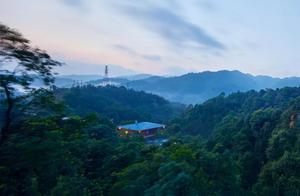
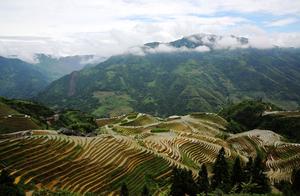
Located in the southwestern spurs of the Huaying Mountains between two branches of spurs, the town is situated in a hilly area with a north-south elevation, lower in the southwest. Its average altitude is 520 meters, reaching a maximum of 942.9 meters. During the Qing Dynasty, it belonged to the Jeli Prefecture of the Jiang North Division, and a trading post was established here in the 24th year of Qianlong's reign as a measure to control bandits.
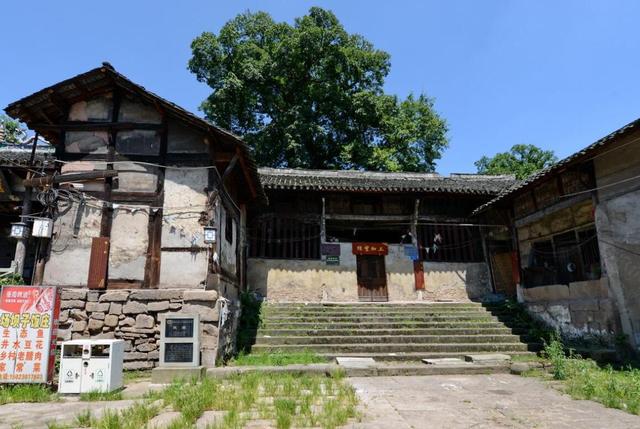
Since ancient times, the Chinese have had a fondness for ancient towns. These towns are not only symbols of distant history but also carriers of vast Chinese culture. When it comes to tourism, people are gradually moving from sightseeing tours to in-depth cultural experiences.
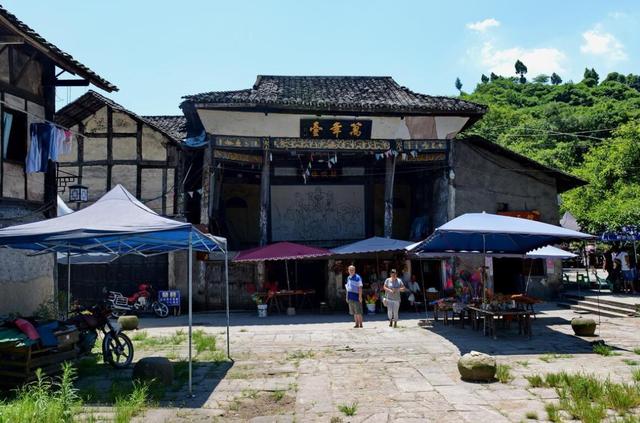
This town is a commercial ancient town along the old route from Chongqing to Huaying. In the past, merchants from all over the Sichuan, Shaanxi, Hubei, and Guang provinces gathered here, and trade was thriving. Despite hundreds of years of changes, its streets, buildings, local customs, and market conditions still retain its original rustic and elegant appearance.
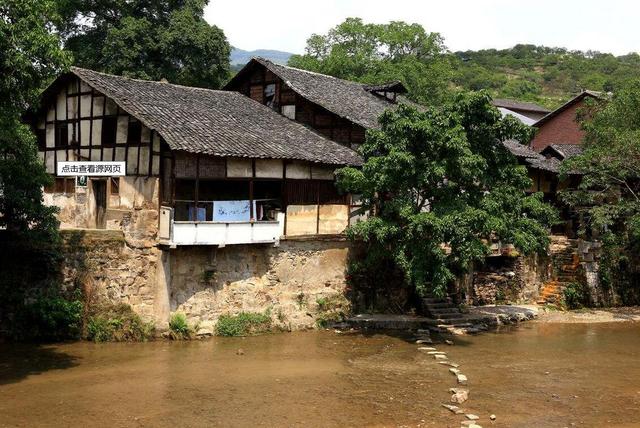
Old neighbors, old stools, old stone tables. When it rains, water drips from the eaves, engraving eternal memories on the blue-tiled and stone slabs. When the weather is sunny, every household has blue-brick and tile houses. During meals, groups of locals gather to share their sweet thoughts and everyday life in their neighborhood.
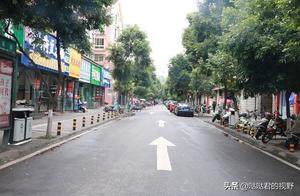
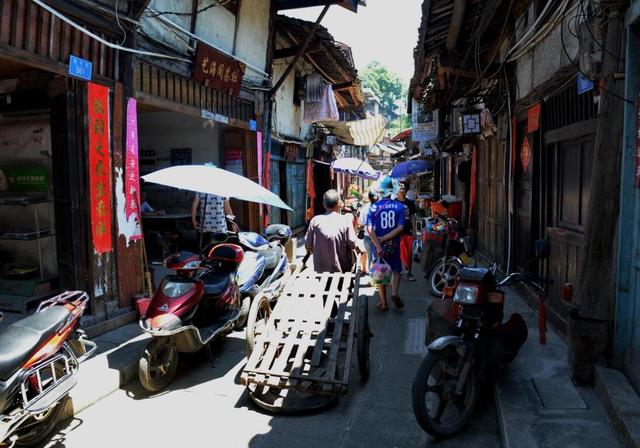
Walking along the ancient streets, you can see old tea houses and residents sitting inside, hand-holding cups of tea, and leisurely spending their afternoons. This tranquil town undoubtedly nurtures people's kindness and gentleness.
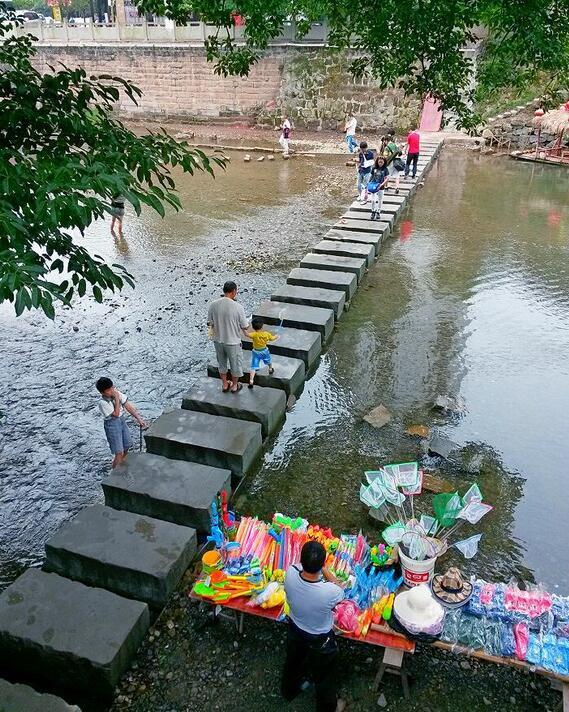
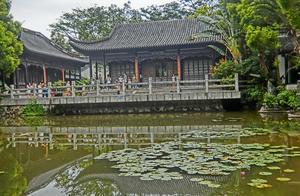
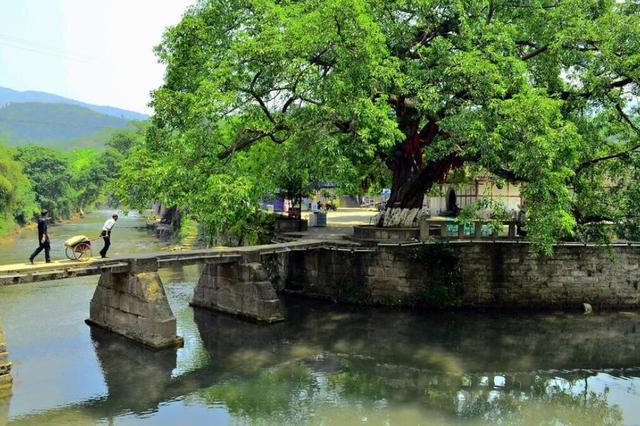
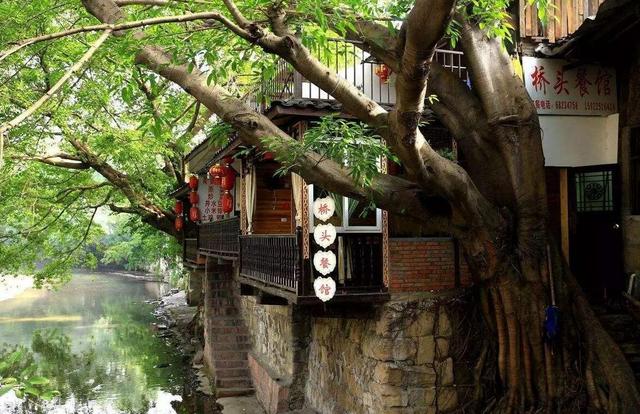
These ancient trees have gnarled roots and branches, with lush leaves, forming a huge umbrella that shades the surrounding residential houses built beside the river. There are also small stone staircases connecting the houses to the riverbank, used for people to draw water and wash clothes. A long, narrow stone bridge spans the river, connecting the town to the outside.
A gentle breeze blows from the bridgehead, rippling through the black and white ancient town. Boat girls paddle wooden boats, the sound of oars and flowers, hazy and dreamy, feeling the expressions of the market in the wind, flowers, snow, and moon.
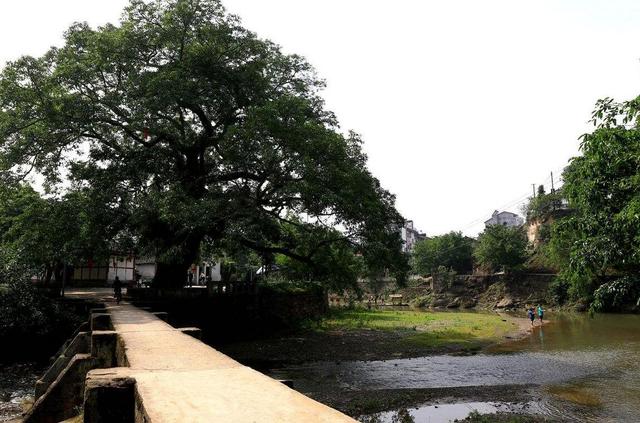
Walking through the streets and alleys, you can find old women selling tofu, old men selling steamed buns, and grandparents selling braised pork. They appear as different figures in my mind, floating in my eyes.
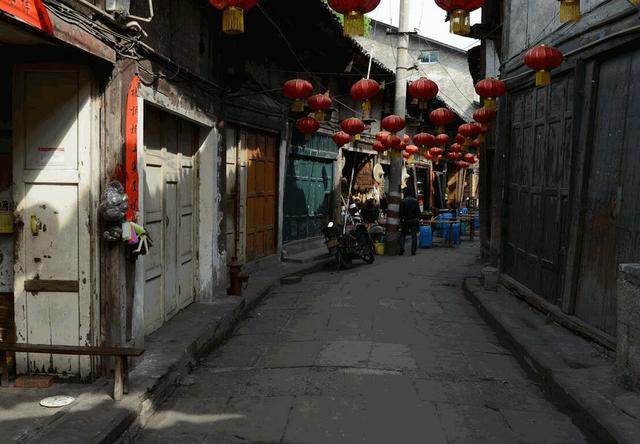
The town is not very large and has been developed into a tourist scenic area. It is located in a remote area, so not many people come. This is exactly what I'm looking for – places where you don't have to worry about crowds. The town's coolness allowed me to linger and leave. Although not many tourists come to visit, the facilities in the town are complete, and the conditions are not bad. Walking down one street takes about an hour, and the shops in the town have their own characteristics.
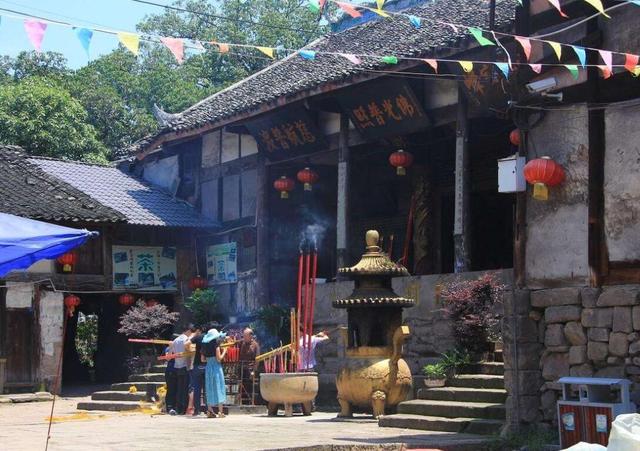
I don't know if I've fallen in love with this lifestyle, or with the original appearance of the town, or perhaps both. Staying here, I can repair my heart, which is full of wounds in daily life, in its embrace. In this bustling atmosphere, I savor the simplest life in the world.