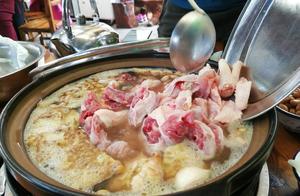
Wuaan Tour: Wuaan
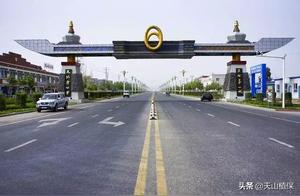
Kuo Mo's words: Iron peaks and coal in Wuaan. This describes a city primarily industrial and emerging, with mineral resources dominated by iron and coal mines, one of China's four major iron ore bases. After the Reform and Opening-up period, some 'coal bosses' emerged, and as the national situation developed, underground mineral resources were depleted, shifting to above-ground, contracting greening barren hills and implementing tourism development, starting to: build attractions, repair roads, and create stories. They shouted 'Mountains, water, and culture – 'beautiful mountains and beautiful water make beautiful women'', ranking among the top figures in the provincial tourism industry.
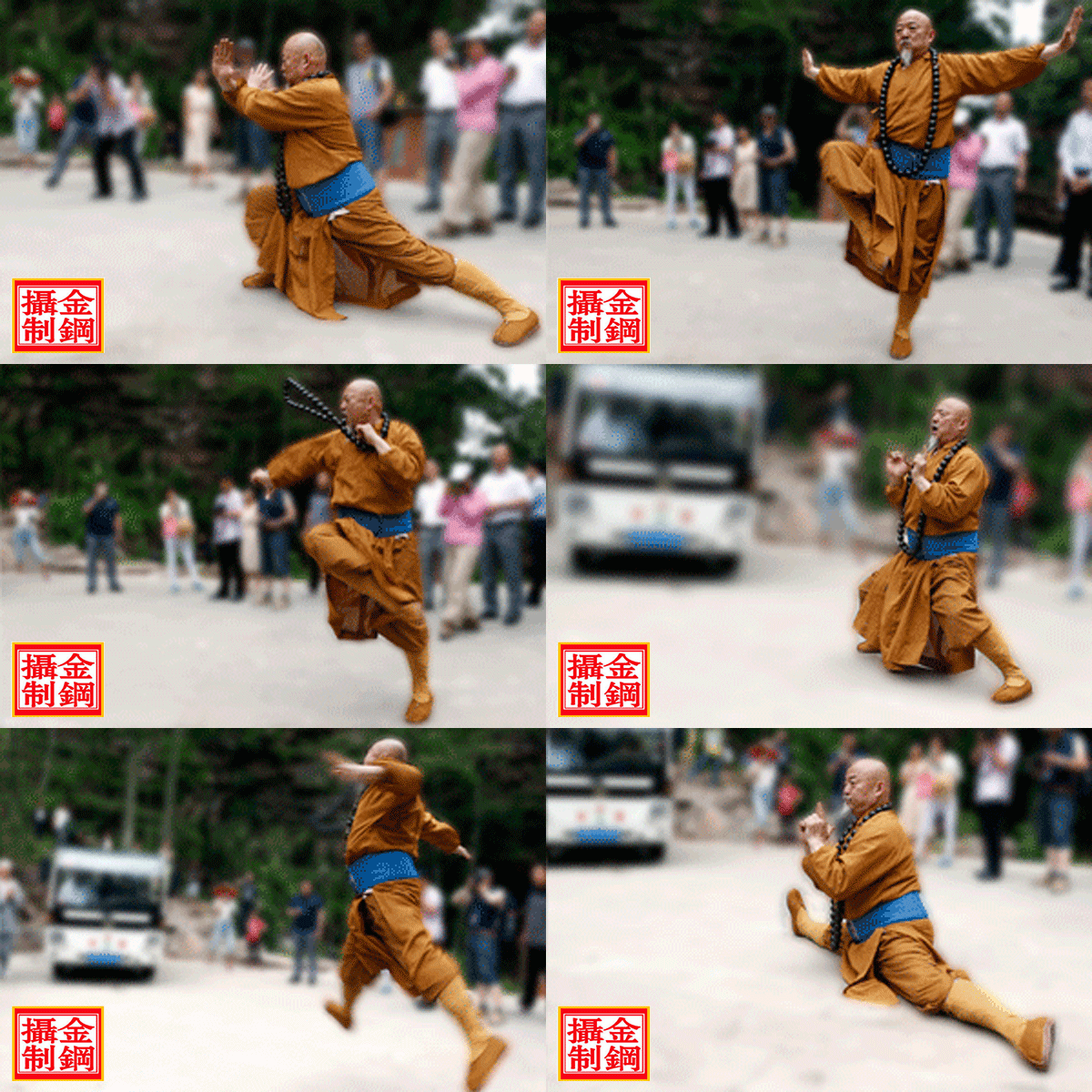
This is not a video, but a set of dynamic photographs, with a delay of 0.5 seconds per frame, terminating the frame at 1.0 seconds, playing on an infinite loop.
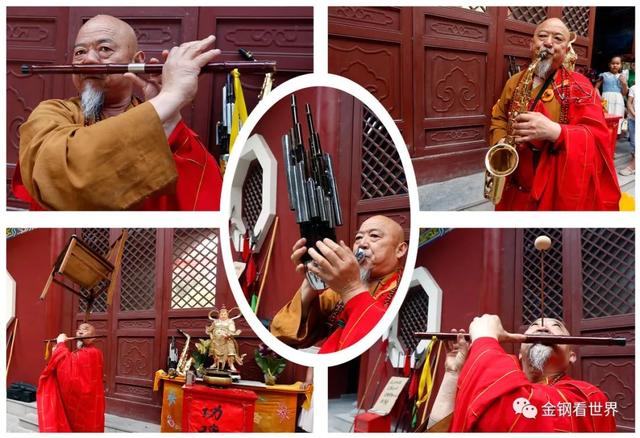
Seven-Step Gully's multi-talented monk, Qu Dushi.
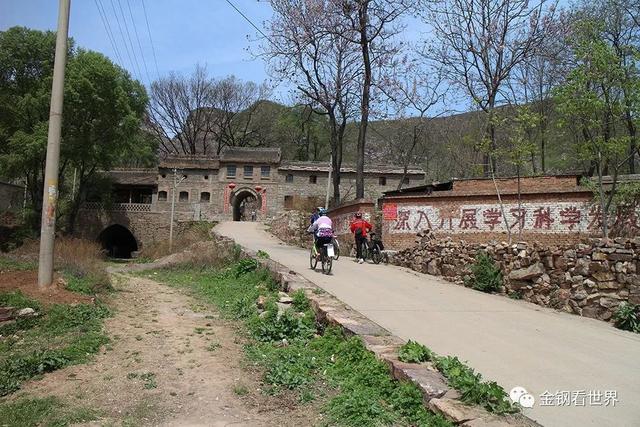
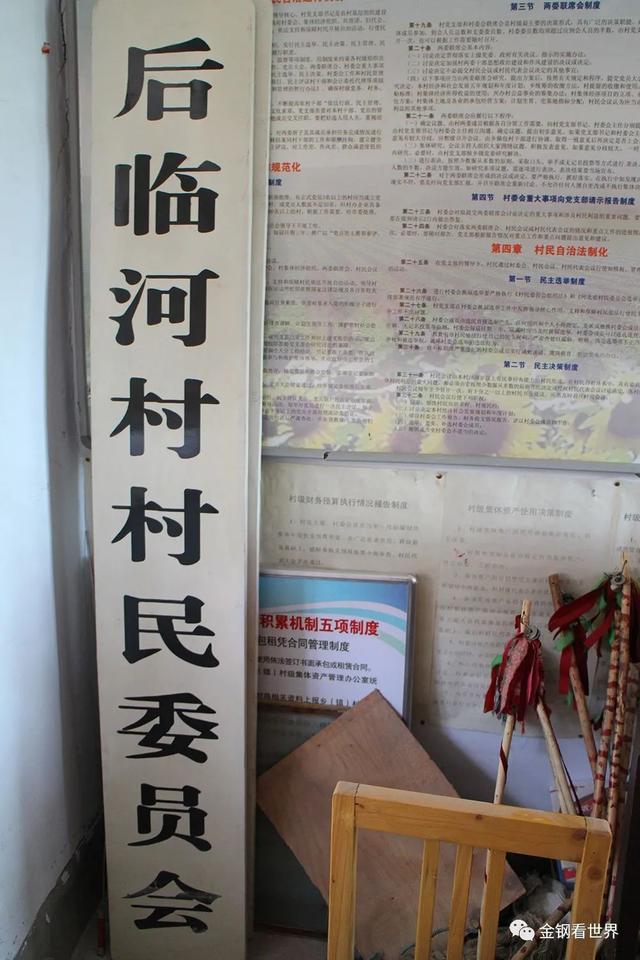
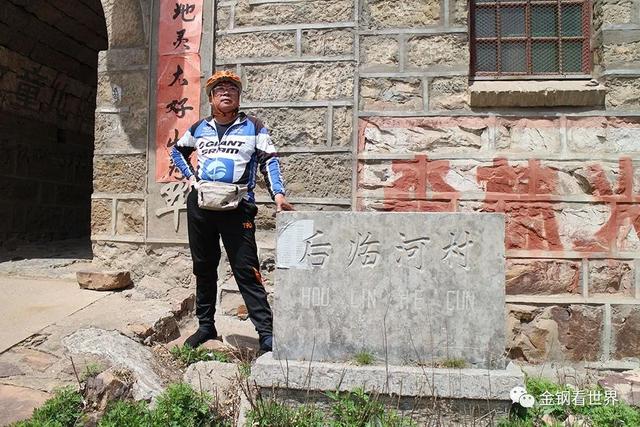
On April 23, 2015, together with Master Pú Gōngyīng and other cycling friends, they rode to the deepest part of Wuaan's 'Peach Orchard Valley', known locally as 'Hou Linhe Village'. The village was built in the early Ming Dynasty, due to its location next to the Peach River and its proximity to the riverfront near the village south, hence the name 'Hou Linhe'.
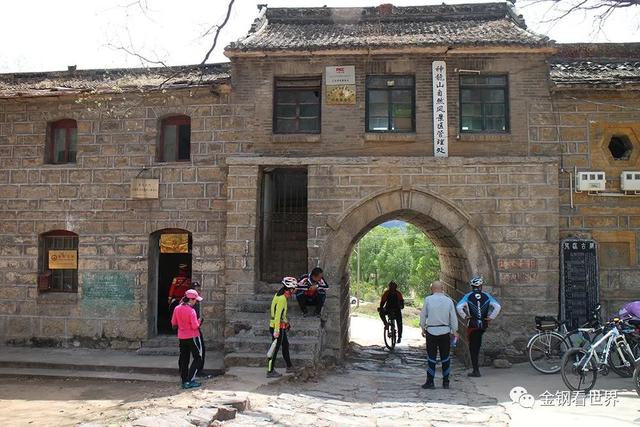
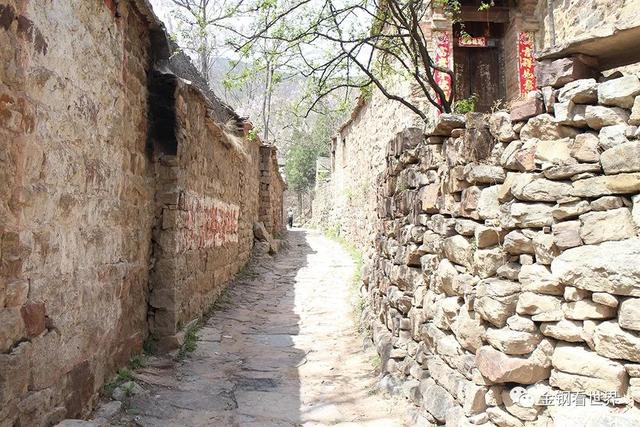
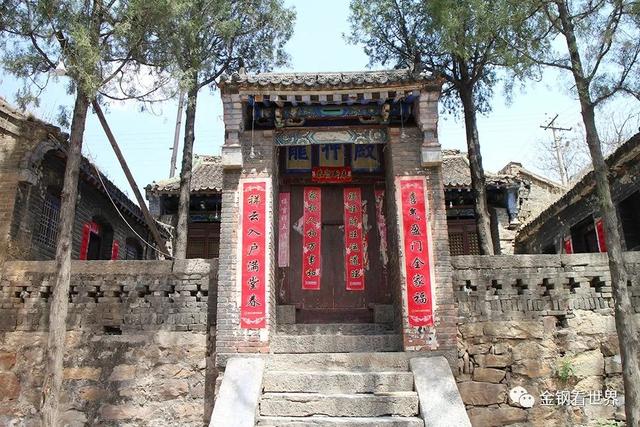
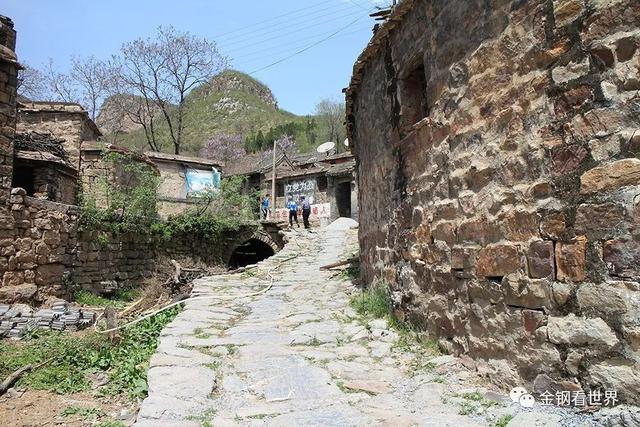
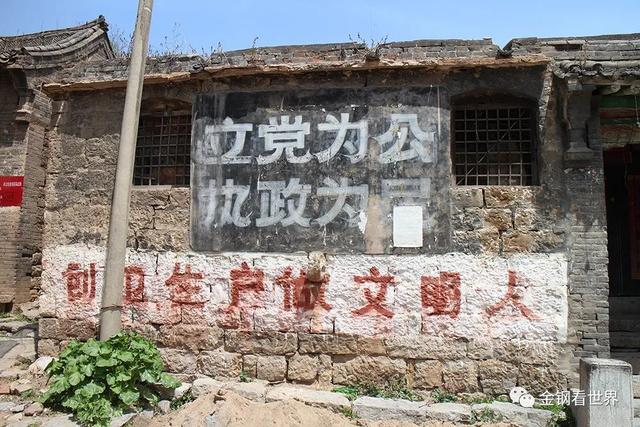
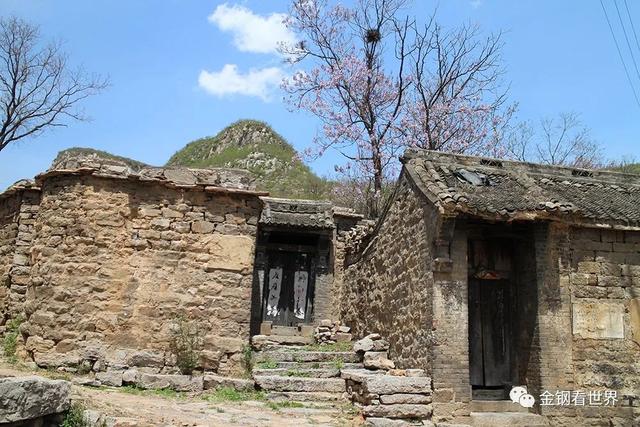
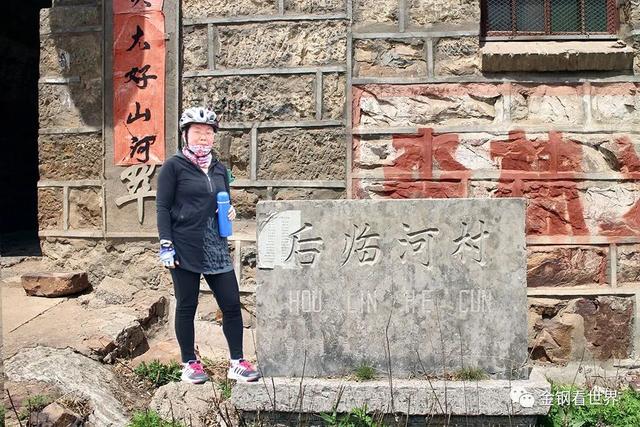
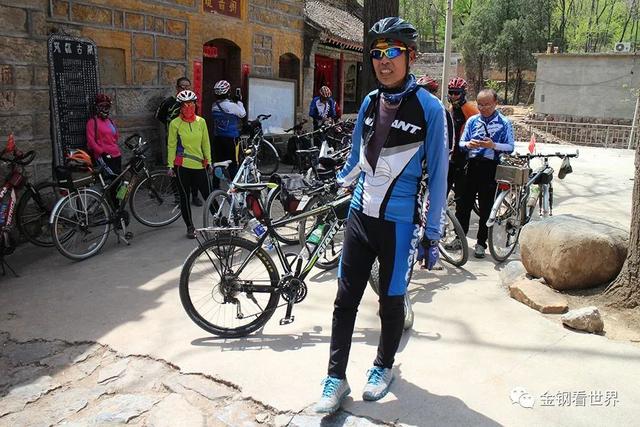
Hou Linhe Village was listed on the China Traditional Village Heritage Directory by the Ministry of Housing and Urban-Rural Construction of the People's Republic of China.
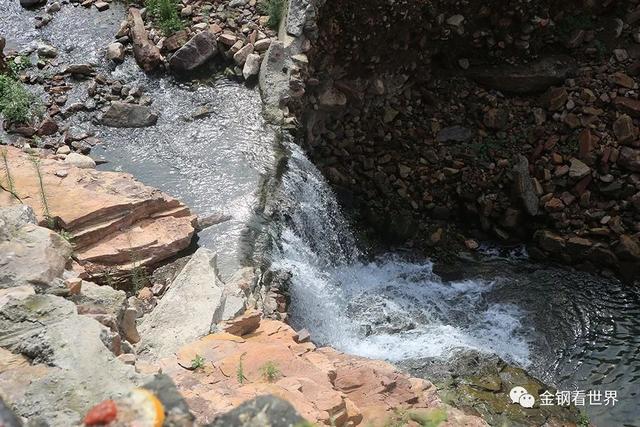
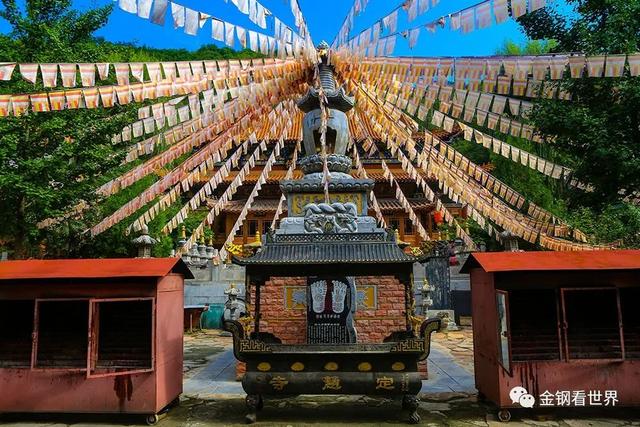
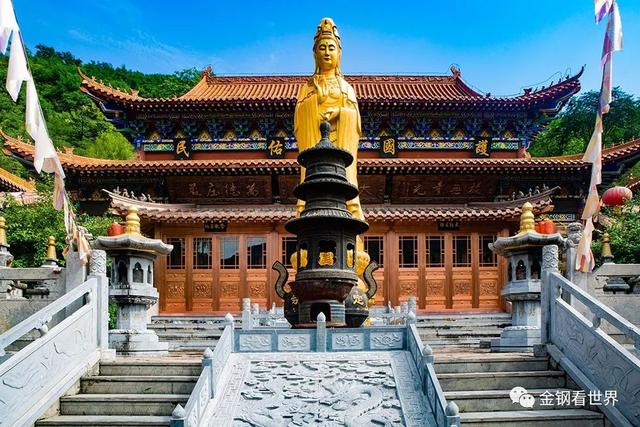
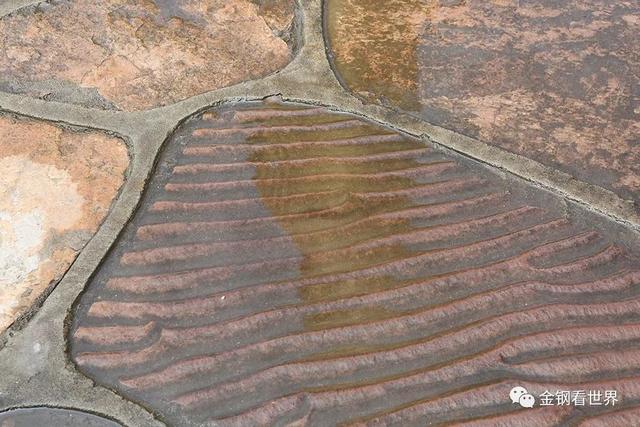
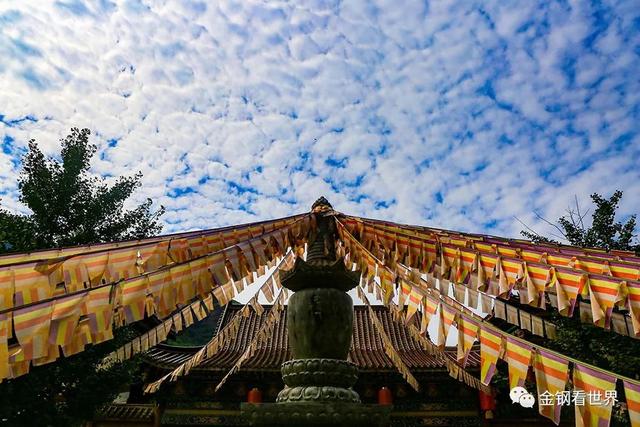
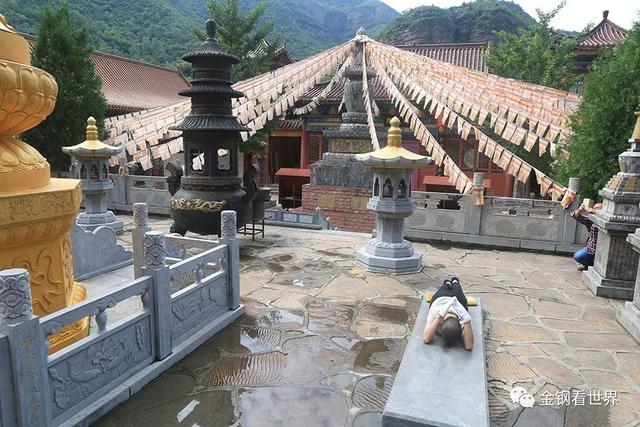
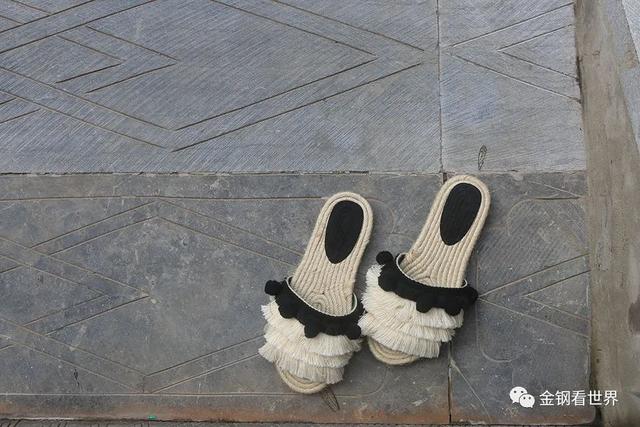
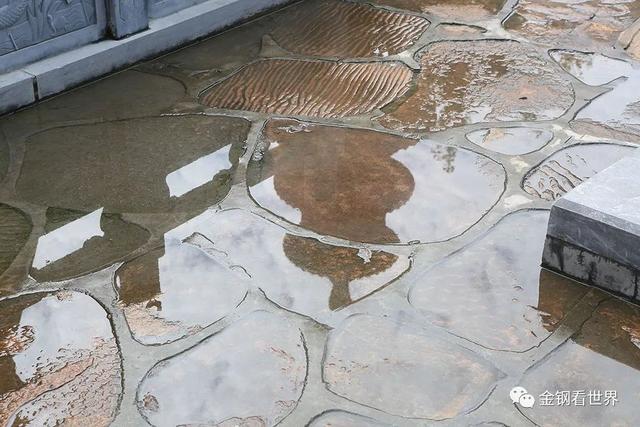
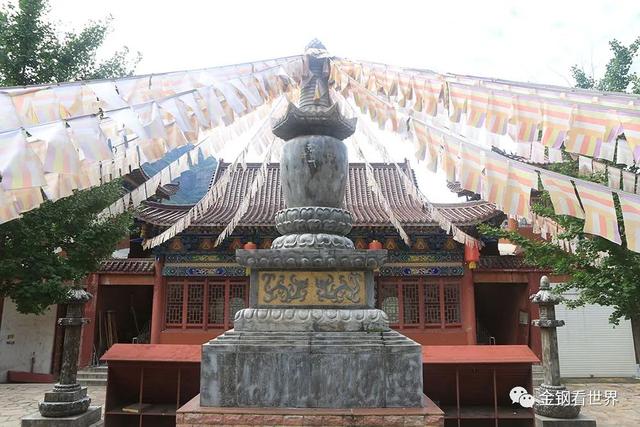
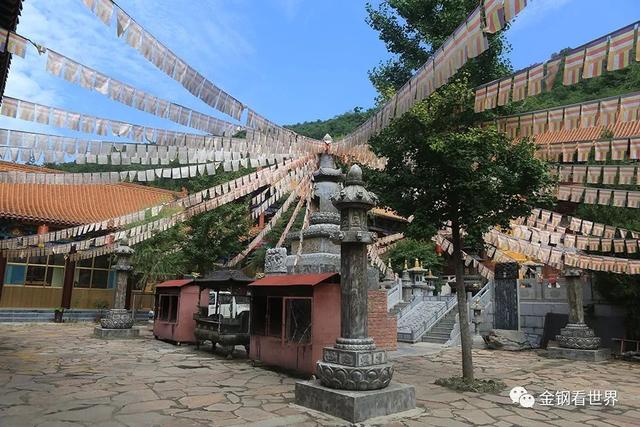
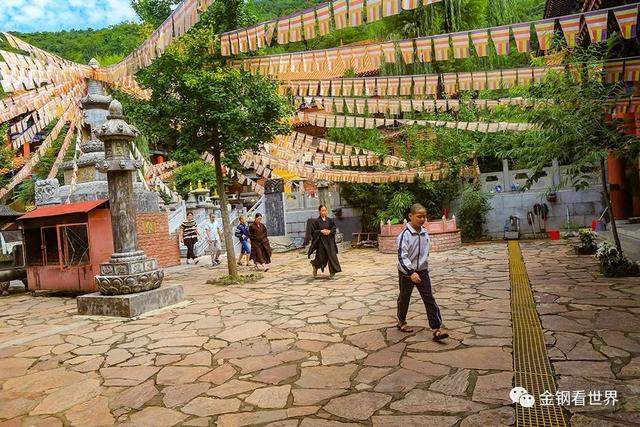
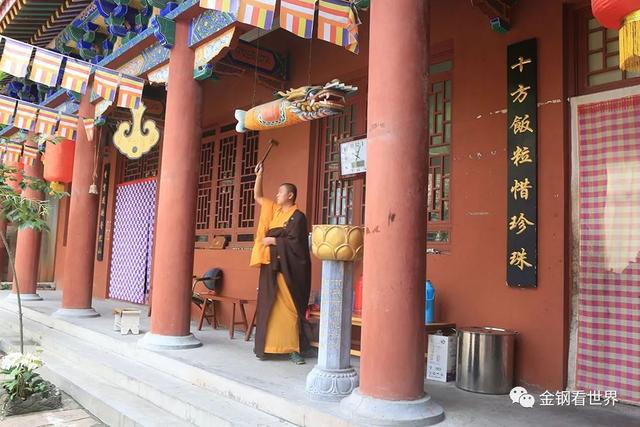
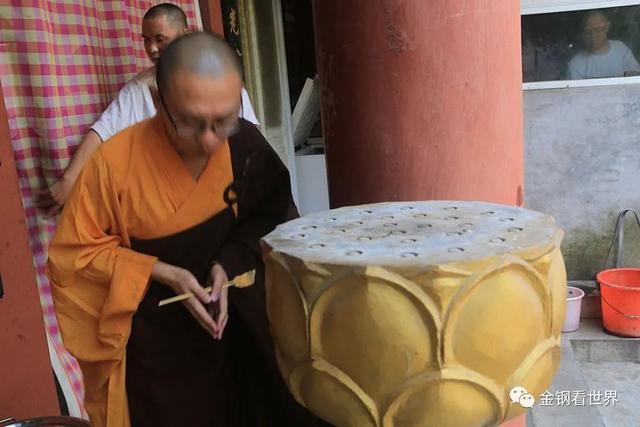
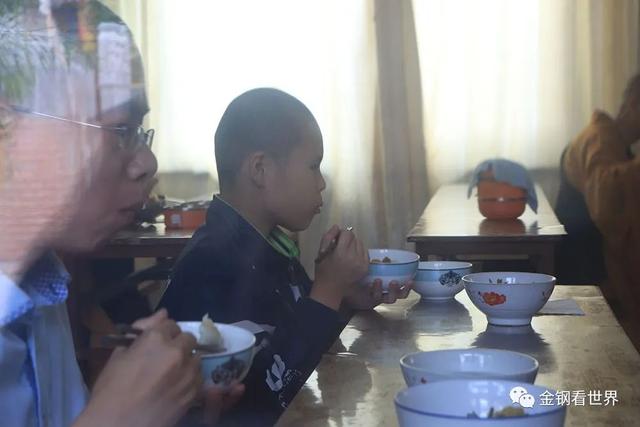
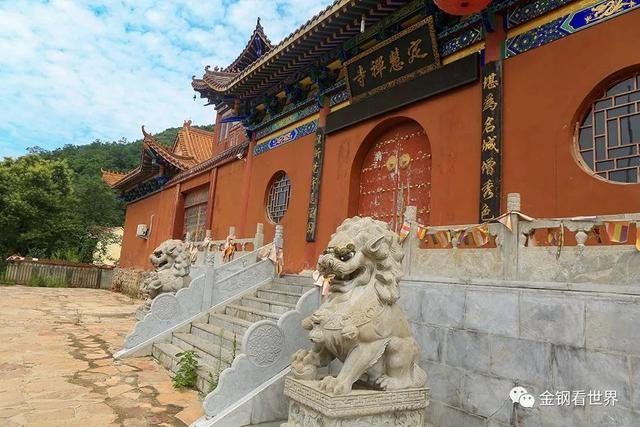
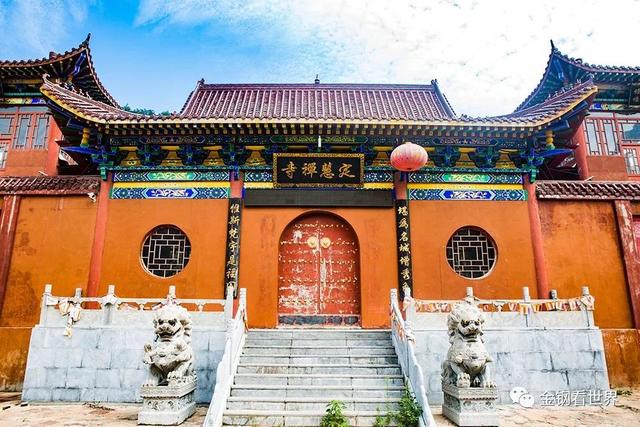
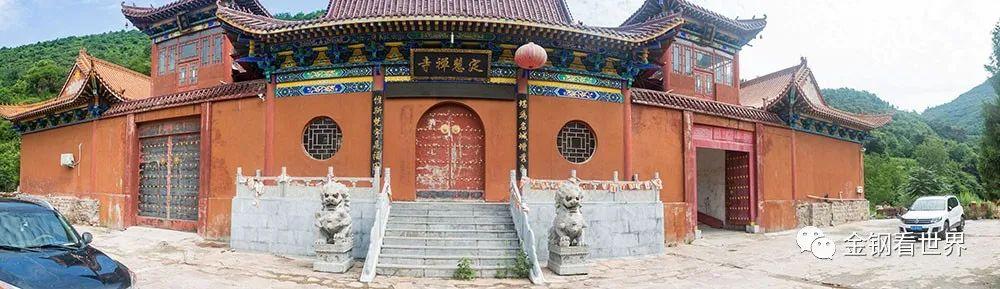
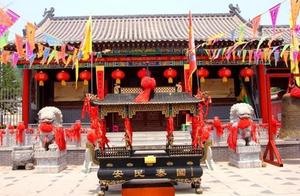
On July 28, 2017, together with Master Ancient Boat, they photographed in Wuaan's national key cultural relic protection unit, the Jingde Chan Temple.